

Introduction: What to Wear for Formal Dining in Luxury Resorts?
Picture this: You’ve just arrived at an exquisite luxury resort, the kind where every detail whispers opulence and impeccable service. You've spent the day unwinding by the infinity pool, and now, as evening approaches, you're ready for an unforgettable dining experience at one of the resort's exclusive, high-end restaurants. But then, a moment of hesitation: you glance at the dress code, and suddenly, that perfectly packed suitcase feels inadequate. What exactly does 'resort elegant' or 'smart casual' mean in this elevated setting?
This common dilemma plagues even the most seasoned travelers. The fear of being underdressed, or worse, inappropriately dressed, can detract from what should be a truly exceptional occasion. Luxury resorts pride themselves on creating an atmosphere of refined sophistication, and your attire plays a crucial role in complementing that ambiance. Understanding the nuances of formal dining dress codes is not just about following rules; it's about enhancing your entire experience and feeling confident in any setting.
This comprehensive guide will demystify the often-confusing world of luxury resort dining attire. We will explore the specific expectations for men and women, delve into the various dress code categories, and offer practical advice on how to pack smartly and elegantly. By the end of this article, you will possess the knowledge and confidence to perfectly answer the question: what to wear for formal dining in luxury resorts?
Understanding the Luxury Resort Dress Code Spectrum
Luxury resorts often employ specific terminology for their dress codes, which can vary subtly from one property to another. It’s crucial to understand these distinctions to ensure you’re always appropriately attired, reflecting both your personal style and the establishment’s standards. These codes are designed to maintain a certain level of decorum and enhance the overall guest experience, ensuring everyone feels part of an exclusive environment.
Decoding "Resort Elegant"
"Resort Elegant" is perhaps the most common and often misinterpreted dress code at high-end resorts. It signifies a step up from casual wear, demanding a polished and sophisticated look without necessarily requiring full formal evening attire. Think of it as sophisticated evening wear that acknowledges the relaxed, yet refined, nature of a resort setting.
- For Women: This typically means a chic cocktail dress, an elegant jumpsuit, a stylish pant suit, or dressy separates like tailored trousers with a silk blouse. Fabrics should be luxurious, such as silk, linen blends, or high-quality cotton. Avoid anything too revealing or overly casual.
- For Men: A collared shirt (button-down or polo, but leaning towards the former), tailored trousers or chinos, and closed-toe shoes are essential. A sport coat or blazer is often encouraged, especially for dinner. Ties are usually optional but can elevate the look. Jeans, shorts, and athletic wear are almost always prohibited.
The Nuance of "Smart Casual" in a Luxury Setting
While "smart casual" might sound relaxed, in a luxury resort context, it still implies a high standard of presentation. It's about being comfortable yet impeccably groomed, bridging the gap between casual comfort and formal elegance. This code is often applied to more relaxed, yet still upscale, dining venues or during daytime hours.
- For Women: Think stylish sundresses, tailored shorts (if appropriate for the venue and time of day), or well-fitted capris paired with elegant tops. High-quality fabrics and thoughtful accessories are key. Avoid t-shirts with graphics, athletic shorts, or flip-flops.
- For Men: Collared shirts (polo or button-down), dress shorts (if permitted by the specific venue), or neat chinos. Loafers or stylish sneakers (clean and in good condition) may be acceptable. Remember, "casual" here is still "smart."
Black Tie and White Tie: When and Where?
These are the most formal dress codes and are typically reserved for special events, gala dinners, or the most exclusive, Michelin-starred restaurants within a resort. While less common for everyday dining, it's vital to be prepared if your itinerary includes such an occasion. These codes signify a commitment to traditional formal elegance.
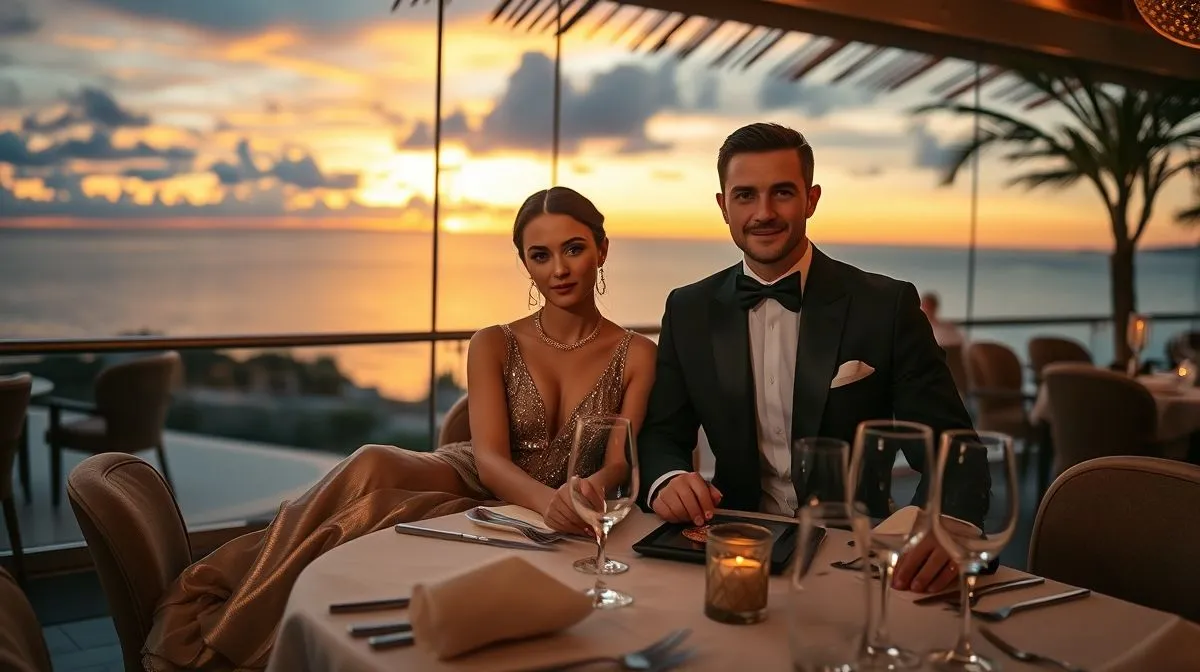
- Black Tie: For women, a floor-length evening gown or a very sophisticated cocktail dress. For men, a tuxedo (black dinner jacket, matching trousers, white dress shirt, black bow tie, and black patent leather dress shoes).
- White Tie: The pinnacle of formality. For women, a full-length evening gown. For men, a black tailcoat, white pique waistcoat, white bow tie, white pique shirt, and black patent leather dress shoes. This is rare outside of state dinners or royal events, but some ultra-luxury cruise lines or resorts might host such an evening.
Essential Attire for Her: Grace and Sophistication
Dressing for formal dining at a luxury resort is an opportunity to express elegance and personal style. The key lies in selecting pieces that are both sophisticated and comfortable, allowing you to enjoy your meal and the ambiance without feeling restricted. Consider the climate of your destination when making your choices, opting for breathable fabrics in warmer locales and richer textures for cooler environments.
Evening Gowns and Cocktail Dresses
For "Resort Elegant" or "Black Tie" evenings, a well-chosen dress is your best friend. A cocktail dress (knee-length to midi) in a luxurious fabric like silk, satin, or lace is perfect for most formal dining settings. For more opulent occasions, a floor-length evening gown offers unparalleled grace. Look for designs with classic silhouettes, tasteful embellishments, and colors that complement your complexion. Deep jewel tones, classic black, or elegant pastels are always safe bets. Consider packable fabrics that resist wrinkles, or be prepared to utilize the resort's pressing services.
Elevated Separates and Jumpsuits
Dresses aren't your only option. A perfectly tailored jumpsuit can be incredibly chic and modern, offering a sophisticated alternative. Choose one in a rich color or with interesting details. For separates, pair wide-leg silk trousers or elegant palazzo pants with a flowy blouse or a structured top. A well-fitting blazer or a delicate shawl can complete the look, adding layers of sophistication and adaptability for varying temperatures within the dining room. The beauty of separates is their versatility, allowing for multiple outfits from fewer pieces.
Footwear and Accessories: The Finishing Touches
No outfit is complete without the right shoes and accessories. For formal dining, closed-toe heels or elegant dressy flats are generally preferred. Avoid flip-flops, athletic sneakers, or overly chunky sandals, even if they are designer. A sophisticated clutch or a small shoulder bag is ideal for carrying essentials. Jewelry should be tasteful and complement your outfit without overpowering it. Think delicate necklaces, elegant earrings, or a statement bracelet. Remember, less is often more when it comes to accessories in a refined setting. A classic watch can also add a touch of timeless elegance.
Essential Attire for Him: The Epitome of Refinement
For men, navigating luxury resort dress codes means striking a balance between comfort and classic elegance. The emphasis is on tailored pieces, quality fabrics, and meticulous grooming. The goal is to look effortlessly sophisticated, signaling respect for the establishment and the occasion. A well-groomed appearance, including neat hair and nails, is as important as the clothes themselves.
The Classic Suit and Tuxedo
For "Black Tie" or the most exclusive "Resort Elegant" venues, a classic suit is indispensable. A dark navy or charcoal grey suit offers versatility, while a black suit is always appropriate. Ensure it is well-tailored and clean. For true "Black Tie" events, a tuxedo is a must. This includes a black dinner jacket with satin lapels, matching trousers, a white dress shirt, a black bow tie, and black patent leather dress shoes. Investing in a good quality tuxedo that fits well is a smart choice for regular luxury travelers.
Sport Coats and Tailored Trousers
For "Resort Elegant" or elevated "Smart Casual," the combination of a sport coat or blazer with tailored trousers is a winning formula. Choose blazers in versatile colors like navy, charcoal, or even a sophisticated linen blend for warmer climates. Pair them with well-fitting chinos or dress trousers in complementary shades. Avoid cargo pants or anything too casual. The fit is paramount; a well-tailored blazer instantly elevates your look. Consider fabrics that breathe well and resist wrinkling for travel convenience.
Shirts, Ties, and Polished Footwear
The right shirt is foundational. Opt for crisp collared shirts – long-sleeved button-downs in fine cotton, linen, or a performance blend. Solid colors or subtle patterns are best. For "Resort Elegant," a tie is often optional but highly recommended to complete a polished look. Choose ties in silk or fine knits that complement your shirt and jacket. When it comes to footwear, polished dress shoes (oxfords, loafers, or monk straps) are non-negotiable. Ensure they are clean, shined, and in excellent condition. Socks should match your trousers or shoes, and be long enough to cover your ankles when seated.
Navigating Specific Dining Venues
Within a single luxury resort, there can be a variety of dining establishments, each with its own unique ambiance and corresponding dress code. Understanding these subtle differences is key to ensuring your attire is always appropriate for the specific experience you are seeking. Always check the resort's website or call ahead to confirm the dress code for specific restaurants, as policies can sometimes vary seasonally or for special events.
Michelin-Starred Restaurants
These are the pinnacles of fine dining and typically demand the most formal attire. Expect a "Resort Elegant" or even "Black Tie Optional" dress code. For women, this means an elegant cocktail dress or a sophisticated evening gown. For men, a suit with a tie is often mandatory, and a tuxedo would be perfectly appropriate and often encouraged. The atmosphere in these establishments is one of refined quiet and impeccable service, and your attire should reflect this reverence for culinary artistry and sophisticated dining. Attention to detail, from polished shoes to subtle accessories, is paramount.
Rooftop Bars and Lounges
Rooftop bars and lounges often strike a balance between chic sophistication and a more relaxed, social vibe. The dress code here is typically "Resort Elegant" or elevated "Smart Casual." For women, a stylish dress, an elegant top with tailored trousers, or a chic jumpsuit would be ideal. For men, a collared shirt, tailored trousers or chinos, and loafers or dress shoes are appropriate. A blazer or sport coat would enhance the look. While the setting might feel more relaxed than a formal dining room, maintaining a polished appearance is still expected, especially given the typically stunning views and premium beverages. Avoid anything that looks like beachwear or overly casual street clothes.
Beachfront Fine Dining
Dining at a beachfront fine dining restaurant within a luxury resort offers a unique blend of casual elegance and natural beauty. While the ocean breeze might suggest a more relaxed approach, the "fine dining" aspect still implies a degree of formality. The dress code is usually "Resort Elegant" with a nod to the tropical setting. For women, this could mean a beautiful maxi dress in a flowing fabric, a stylish silk top with linen pants, or an elegant sundress. For men, linen shirts, tailored shorts (if explicitly permitted and stylish), or lightweight chinos paired with loafers or deck shoes are suitable. Avoid flip-flops, t-shirts, or swimwear. The aim is to look sophisticated yet comfortable in the outdoor, often humid, environment. The emphasis is on natural fibers and a relaxed, yet refined, silhouette.
Common Pitfalls and How to Avoid Them
Even with the best intentions, it's easy to make sartorial missteps when navigating the complex world of luxury resort dining. Awareness of these common pitfalls can save you from an awkward moment and ensure your experience remains seamless and enjoyable. Preparing in advance and understanding the subtle nuances of resort culture are key to avoiding these blunders.
Underdressing vs. Overdressing
The most common mistake is underdressing. Arriving at a fine dining restaurant in shorts, t-shirts, or flip-flops will likely result in being turned away or seated in a less desirable area. Always err on the side of being slightly more dressed up if you are unsure. However, overdressing can also be a pitfall. Showing up in a full ball gown or a white tie tuxedo for a "Resort Elegant" dinner might make you feel out of place, though it's generally less offensive than underdressing. The key is to match the energy and expectation of the venue. When in doubt, a classic, well-tailored outfit that leans towards formal is usually a safe bet.
Ignoring the Climate and Culture
A luxury resort in the Caribbean will have different appropriate attire than one in the Swiss Alps, even if both have "Resort Elegant" dress codes. Ignoring the local climate can lead to discomfort or inappropriate choices. In tropical climates, opt for breathable fabrics like linen, silk, and lightweight cotton. In colder regions, focus on wool, cashmere, and heavier silks. Furthermore, while most luxury resorts cater to an international clientele, a subtle awareness of the local culture can also be beneficial. For instance, in some cultures, covering shoulders or knees might be more appreciated, even in a resort setting. Research your specific destination to avoid any cultural faux pas.
Packing Smart: The Art of Versatility
Overpacking or packing the wrong items can be a major headache. The pitfall here is not thinking about versatility. Instead of packing 10 distinct outfits, focus on a capsule wardrobe approach where pieces can be mixed and matched to create multiple looks. For example, a black blazer can go over a cocktail dress or be paired with tailored trousers and a silk blouse. A crisp white button-down shirt can be dressed up with a tie or worn more casually. This approach not only saves space but also ensures you always have appropriate options without excessive luggage. Consider wrinkle-resistant fabrics and strategic accessories that can transform an outfit from day to evening.
Packing Strategy for the Discerning Traveler
Mastering the art of packing for luxury resort dining is about efficiency, versatility, and foresight. Your goal is to have appropriate attire for every occasion without overpacking, ensuring your garments arrive in pristine condition. A well-thought-out packing strategy is as crucial as the garments themselves, allowing you to focus on enjoying your luxurious escape.
The Capsule Wardrobe Approach
Embrace the concept of a capsule wardrobe for your resort stay. Select a core color palette (e.g., neutrals like black, white, navy, beige, with one or two accent colors) and choose pieces that can be easily mixed and matched. For women, this might include one versatile cocktail dress, a pair of tailored trousers, a silk blouse, and a chic top, all in complementary colors. For men, a dark suit or blazer, two pairs of tailored trousers (one dark, one lighter), and a few versatile collared shirts. This approach significantly reduces the number of items needed while maximizing outfit combinations. According to travel experts at Forbes Travel Guide, smart packing is key to a seamless luxury experience.
Wrinkle-Resistant Fabrics and Travel Steamers
One of the biggest challenges when packing formal wear is preventing wrinkles. Prioritize garments made from wrinkle-resistant fabrics such as travel wool, certain synthetic blends, or tightly woven cottons. Laying clothes flat or rolling them tightly can help. For delicate items, tissue paper can reduce creasing. Even with careful packing, some wrinkles are inevitable. Many luxury resorts offer pressing services, but for quick touch-ups, a compact travel steamer can be a lifesaver. This small appliance is far gentler than an iron and perfect for refreshing evening wear after a long journey.
Emergency Kit Essentials
Beyond your main wardrobe, a small "emergency" kit can save the day. Include a mini sewing kit for loose buttons or small tears, a stain remover pen for unexpected spills, and a lint roller to keep dark fabrics pristine. Consider bringing a collapsible garment bag for your most formal attire, providing an extra layer of protection during transit. For footwear, shoe bags are essential to keep your polished shoes from scuffing and to protect other items in your luggage. Being prepared for minor mishaps ensures your formal dining experience remains elegant and stress-free.
Frequently Asked Questions (FAQ)
Can I wear jeans for formal dining at a luxury resort? Generally, no. Jeans, even designer ones, are almost universally considered too casual for formal dining restaurants in luxury resorts. Opt for tailored trousers or chinos instead.
Are sandals ever acceptable for formal dining? For women, elegant dressy sandals (e.g., strappy heels) might be acceptable in some "Resort Elegant" settings, especially in tropical locations. However, flip-flops or casual sandals are never appropriate. Men should always wear closed-toe dress shoes.
What about children? Do they need to follow the dress code? Yes, children are typically expected to adhere to the dress code, albeit with some flexibility. For boys, tailored shorts or trousers with a collared shirt; for girls, a nice dress or skirt and blouse. Check with the resort, as some have specific children's dining options or more relaxed rules for younger guests.
Is it okay to wear a blazer without a tie? For "Resort Elegant" or elevated "Smart Casual" for men, wearing a blazer without a tie is often perfectly acceptable and can look very chic. Ensure your shirt is crisp and well-buttoned, and your overall look is polished. For "Black Tie" or very formal settings, a tie (or bow tie) is usually required.
How many formal outfits should I pack for a week-long stay? This depends on your itinerary. For 2-3 formal dinners, consider packing 2-3 distinct outfits or a capsule that allows for 3-4 combinations. For example, one evening gown/cocktail dress, one elegant jumpsuit, and versatile separates for women; or one suit/tuxedo, one blazer, and two pairs of tailored trousers for men. The key is versatility and planning.
Recommended Reading
- Romantic Escape: Best Designer Hotels for Unforgettable Getaways
- Are Sleeper Trains Safe for Solo Female Travelers? Your Ultimate Guide
- Unlock the Secret: Your Ultimate Guide to a Truly Restorative Rejuvenation Trip
- Volunteer for Sea Turtles: Your Ultimate Guide to Conservation
- Unlock Festival Freedom: How to Ensure Personal Safety at Music Festivals?
Conclusion
Navigating the dress codes for formal dining in luxury resorts doesn't have to be daunting. By understanding the nuances of terms like "Resort Elegant" and "Smart Casual," and by making thoughtful choices for your wardrobe, you can ensure every dining experience is a confident and enjoyable one. Remember, the goal is to complement the exquisite ambiance of your surroundings, enhancing your overall journey. Focus on quality, fit, and versatility, allowing your personal style to shine through within the bounds of appropriate etiquette. Armed with this knowledge, you are now perfectly prepared to answer the question: what to wear for formal dining in luxury resorts? Go forth, dine in style, and savor every moment of your luxurious escape.



Your email address will not be published. Required fields are marked *