


How to Salvage Safari Bookings After a Major Wildlife Health Crisis?
For over two decades in the adventure travel sector, specifically within the realm of wildlife safaris, I've witnessed the incredible resilience of both nature and the industry that celebrates it. Yet, I've also seen how unforeseen events, particularly major wildlife health crises, can bring even the most robust operations to their knees, creating a wave of uncertainty that threatens livelihoods and conservation efforts alike.
The immediate aftermath of a crisis—be it an epidemic affecting a keystone species or a widespread ecological issue—often manifests as a sharp decline in bookings, widespread cancellations, and a palpable sense of fear among potential travelers. Operators grapple not just with financial losses, but with the daunting task of restoring confidence in destinations that are inherently wild and, by extension, perceived as unpredictable.
This article isn't about sugarcoating the challenges; it's about providing a clear, actionable framework to navigate these turbulent waters. Drawing from my extensive experience and insights into crisis management within the safari industry, I'll reveal proven strategies, real-world analogies, and expert advice designed to help you not just survive, but truly thrive again, safeguarding your bookings and your reputation.
Understanding the Ripple Effect: Beyond the Immediate Impact
When a major wildlife health crisis strikes, the initial shockwaves are obvious: cancelled trips, empty lodges, and a halt in revenue. However, the true damage often extends far beyond the immediate financial hit. I've seen how a crisis can erode traveler trust, foster negative media perceptions, and even destabilize local communities reliant on safari tourism.
The ripple effect impacts various stakeholders: from the local guides and lodge staff who face job insecurity, to the conservation projects that lose vital funding, and even the wildlife itself, whose protection often hinges on tourism revenue. Understanding these interconnected challenges is the first crucial step towards crafting a holistic recovery plan. It's not just about getting bookings back; it's about rebuilding an entire ecosystem of trust and support.
Expert Insight: "A wildlife health crisis isn't just an ecological event; it's a profound human and economic challenge. Your recovery strategy must address all three dimensions simultaneously to be truly effective."
Transparent Communication: Rebuilding Trust in a Crisis
In times of crisis, silence is your biggest enemy. From my vantage point, the companies that recover fastest are those that embrace radical transparency. Travelers, and indeed the public, are looking for honesty, not platitudes. They want to understand the situation, the risks, and crucially, what you are doing about it.
- Establish a Dedicated Communication Hub: Create a specific section on your website or a dedicated landing page. This should be the single source of truth for all updates regarding the crisis, its impact on your operations, and the measures you are taking.
- Regular, Factual Updates: Provide consistent updates, even if it's to say "no new developments." Use clear, concise language, avoiding jargon. Refer to official scientific or governmental sources where appropriate.
- Be Proactive, Not Reactive: Don't wait for questions to flood in. Anticipate concerns about animal welfare, traveler safety, and booking flexibility. Address them head-on through FAQs, blog posts, and social media channels.
- Empower Your Team: Ensure all staff, especially customer service and sales, are fully briefed and consistent in their messaging. Provide them with scripts and talking points, but also encourage empathy and genuine engagement.
This proactive approach helps to manage expectations, calm fears, and demonstrate your commitment to responsible tourism. It shows you're in control, even when circumstances are challenging.
Implementing Robust Health & Safety Protocols for Wildlife and Guests
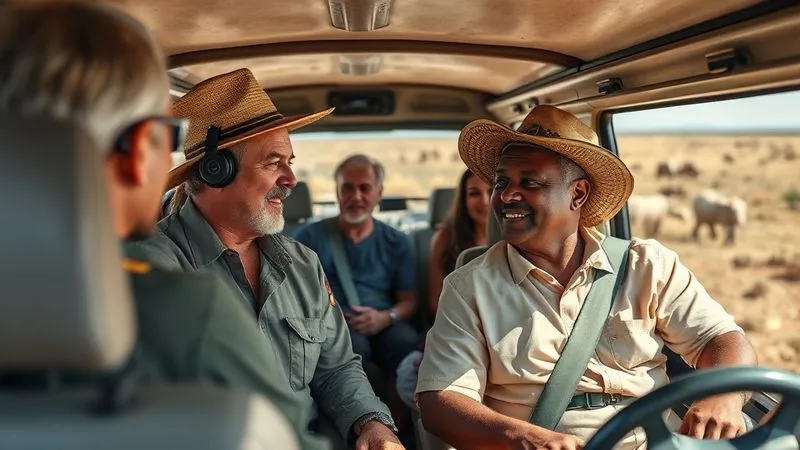
After a health crisis, the perceived safety of both the wildlife and the travelers becomes paramount. It's no longer enough to offer an incredible experience; you must demonstrate an unwavering commitment to health and safety. As an industry veteran, I can tell you that these measures are not just about compliance; they are about restoring confidence and reinforcing your brand's integrity.
Prioritizing Wildlife Health & Conservation
- Collaborate with Experts: Partner with wildlife veterinarians, ecologists, and local conservation organizations. Their expertise is invaluable in assessing risks, implementing monitoring programs, and ensuring ethical interactions.
- Strict Biosecurity Measures: Implement protocols to prevent disease transmission. This might include vehicle disinfection, designated viewing distances, restrictions on direct contact, and waste management procedures.
- Support Local Conservation Efforts: Actively promote and fund conservation initiatives. Showcase how your operations contribute to the health and protection of the very animals your guests come to see. This reinforces your commitment.
Ensuring Guest Safety & Well-being
Your guests need to feel secure from the moment they consider booking until they return home. This requires comprehensive and clearly communicated health protocols.
- Enhanced Sanitation: Implement rigorous cleaning and disinfection protocols for vehicles, lodges, equipment, and high-touch surfaces. Make these visible to guests.
- Staff Training: Ensure all staff are thoroughly trained in new health protocols, including personal hygiene, symptom recognition, and emergency procedures.
- Health Screenings: Depending on the nature of the crisis, consider non-invasive health screenings for guests and staff upon arrival and throughout their stay.
- Access to Medical Support: Clearly outline what medical facilities and support are available, both on-site and in the nearest major towns, and how emergencies are handled.
According to a recent World Health Organization (WHO) report on travel safety, transparent health protocols are now a primary driver for traveler confidence. Don't just implement them; communicate them effectively.
Flexible Booking & Empathy-Driven Customer Service
One of the most immediate and effective ways to salvage bookings is to alleviate the financial risk and uncertainty for travelers. I've observed that operators who offer genuine flexibility and empathetic service during crises not only retain customers but also build invaluable loyalty.
Implementing Flexible Booking Policies
- No-Fee Changes/Cancellations: Offer the ability to change travel dates or cancel with a full refund or credit voucher, especially for bookings affected by the crisis. This removes a major barrier to future bookings.
- Extended Validity: For credit vouchers, ensure they have a generous validity period (e.g., 18-24 months) to give travelers ample time to rebook when they feel comfortable.
- Future Booking Incentives: Consider offering a small discount or added value for rebooked trips, encouraging guests to postpone rather than cancel entirely.
Empathy at the Forefront of Customer Service
During a crisis, your customer service team becomes the frontline of your brand's reputation. Their ability to listen, understand, and respond with genuine empathy is crucial.
- Active Listening: Train staff to truly listen to customer concerns, acknowledging their fears and frustrations without dismissal.
- Personalized Solutions: Where possible, offer tailored solutions. A one-size-fits-all approach rarely works during a crisis.
- Proactive Outreach: Don't wait for customers to call. Reach out to existing bookings with updates and options. This demonstrates care and control.
Case Study: How 'Mara Explorer Safaris' Retained 85% of Bookings
Case Study: Mara Explorer Safaris' Crisis Resilience
Mara Explorer Safaris, a well-established operator, faced a significant downturn after a regional wildlife health scare. Instead of rigid policies, they launched an "Adventure Assurance" program. This included 100% flexible date changes for up to two years, full credit vouchers for cancellations, and a dedicated 24/7 client care line staffed by empathetic advisors. They proactively contacted every client with affected bookings, offering personalized rebooking options and even a complimentary upgrade for future travel. This empathetic and flexible approach resulted in 85% of their original bookings being successfully rebooked, not cancelled, and significantly boosted their brand's reputation for customer care.
Diversifying Offerings & Enhancing the Safari Experience
A crisis offers a rare, albeit difficult, opportunity to innovate. I've seen operators use these periods to refine their product, diversify their offerings, and ultimately emerge stronger. It's about demonstrating value beyond just the 'big five' sightings.
Expanding Experiential Offerings
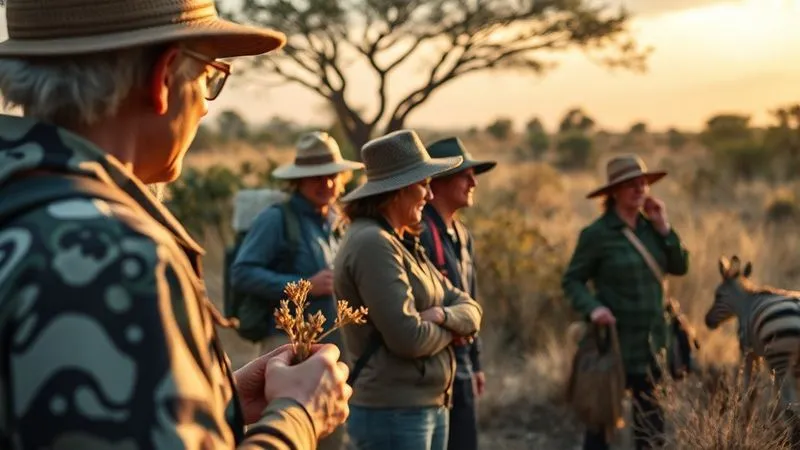
- Focus on Deeper Immersion: Offer experiences that delve into the broader ecosystem, local culture, and conservation efforts. Think walking safaris, birdwatching expeditions, photography workshops, or cultural village visits.
- Educational Safaris: Partner with naturalists, conservationists, or researchers to offer educational trips that provide deeper insights into wildlife, ecology, and the challenges of conservation.
- Wellness & Retreats: Combine the tranquility of the wilderness with wellness activities like yoga, meditation, or bush spa treatments.
Highlighting Off-Season or Lesser-Known Gems
If the crisis is localized or seasonal, consider promoting alternative destinations or showcasing the unique beauty of the 'green season' or other times typically overlooked.
Strategic Marketing & Storytelling in a Post-Crisis World
Your marketing message must evolve. Generic 'come to Africa' campaigns won't cut it. As Seth Godin often says, "People don't buy what you do; they buy why you do it." In a post-crisis world, your 'why' becomes even more critical – your commitment to wildlife, communities, and responsible travel.
Crafting a New Narrative
- Focus on Resilience & Recovery: Tell stories of how the wildlife is recovering, how local communities are rebuilding, and how your operations are contributing positively.
- Emphasize Safety & Responsibility: Clearly articulate your health protocols and conservation efforts. Use visuals that convey cleanliness, care, and respectful interaction with nature.
- Showcase Unique Experiences: Highlight the diversified offerings you've developed. Focus on the immersive, educational, and transformative aspects of your safaris.
- User-Generated Content (UGC): Encourage past guests who had positive experiences (even if rebooked) to share their stories. Authentic testimonials are incredibly powerful.
Leveraging Digital Channels
Digital marketing is more crucial than ever for reaching a global audience and rebuilding confidence.
- SEO: Optimize your content for new search queries related to safe travel, responsible safaris, and post-crisis destinations.
- Social Media: Use platforms like Instagram and YouTube to share high-quality visuals and videos that tell your story of resilience, conservation, and unique experiences.
- Influencer Marketing: Collaborate with responsible travel influencers who align with your values and can authentically share their experiences, showcasing your safety measures and positive impact.
Leveraging Local Partnerships and Community Resilience
The strength of the safari industry is inextricably linked to the well-being of local communities and the health of the ecosystems they inhabit. I've learned that true resilience comes from collaboration. During a crisis, reinforcing these local ties is not just ethical; it's a strategic imperative.
Strengthening Community Engagement
- Direct Support: Where possible, continue supporting local employment, even if at a reduced capacity. Explore initiatives like staff training during downtime.
- Community Projects: Increase involvement in or funding for local community projects, such as education, healthcare, or sustainable agriculture. Highlight these efforts to your audience.
- Local Sourcing: Prioritize sourcing supplies, food, and services from local businesses to ensure economic benefits trickle down directly into the community.
Collaborating with Local Authorities & Other Operators
No single operator can solve a regional crisis alone. Collaboration is key.
- Information Sharing: Establish channels for sharing best practices, challenges, and successes with other operators and local tourism boards.
- Joint Marketing Initiatives: Consider pooling resources for destination-level marketing campaigns that promote the entire region's recovery and new safety standards.
- Advocacy: Work with local and national governments to advocate for supportive policies, financial aid, and clear guidelines for the tourism sector's recovery.
This collective effort not only accelerates recovery but also builds a more robust and equitable tourism model for the future. As a Harvard Business Review article on crisis leadership emphasizes, strong community ties are a critical asset in navigating unforeseen challenges.
| Strategy Area | Key Action | Impact |
|---|---|---|
| Communication | Transparent updates | Rebuilds trust |
| Protocols | Enhanced biosecurity | Ensures safety |
| Booking | Flexible policies | Reduces traveler risk |
| Offerings | Diversify experiences | Increases value |
| Marketing | Resilience narrative | Attracts new bookings |
| Partnerships | Community support | Strengthens local ties |
Long-Term Vision: Investing in Conservation and Sustainable Practices
A major wildlife health crisis serves as a stark reminder of our interconnectedness with nature. For safari operators, this isn't just a business challenge; it's a call to reaffirm and deepen our commitment to conservation and sustainability. In my experience, those who embed these principles into their core operations build a more resilient and attractive brand for the long haul.
Deepening Conservation Commitment
- Dedicated Funding: Allocate a portion of your revenue directly to wildlife conservation projects, especially those focused on disease prevention, research, and habitat restoration. Communicate this commitment clearly.
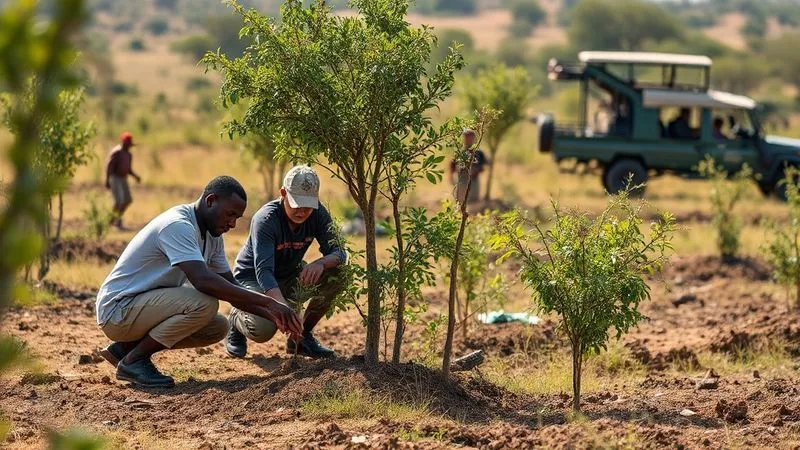
- Active Participation: Go beyond financial contributions. Encourage staff and even guests to participate in conservation activities, such as citizen science projects or community clean-ups.
- Advocacy for Policy Change: Use your platform to advocate for stronger environmental protections and policies that support wildlife health and sustainable land use.
Embracing Sustainable Operations
Sustainability isn't a buzzword; it's an operational necessity. Post-crisis, travelers are more conscious than ever about their impact.
- Reduce Ecological Footprint: Implement measures to minimize waste, conserve water and energy, and use renewable resources where possible in your lodges and operations.
- Ethical Sourcing: Ensure your supply chain is ethical and sustainable, from food to building materials and souvenirs.
- Carbon Offset Programs: Offer guests the option to offset their travel carbon footprint, or proactively invest in carbon-reducing projects.
By demonstrating a genuine, deep-seated commitment to these principles, you not only contribute to a healthier planet but also differentiate your brand as a leader in responsible adventure travel. This builds immense trust and resonates deeply with the growing segment of conscious travelers. As a UNWTO report on sustainable tourism highlights, integrating sustainability is key to future-proofing the industry.
Frequently Asked Questions (FAQ)
Question: How quickly can safari bookings realistically recover after a major wildlife health crisis? Recovery timelines vary significantly depending on the nature and severity of the crisis, the effectiveness of containment, and the operator's response. From my observations, initial recovery can begin within 6-12 months for well-managed situations, but full restoration of pre-crisis booking levels might take 2-3 years, especially if the crisis had widespread media coverage. Proactive communication and robust safety protocols are key to accelerating this.
Question: Should we offer significant discounts to attract bookings immediately after a crisis? While discounts can provide a short-term boost, I generally advise caution. Deep discounting can devalue your brand and attract price-sensitive travelers who may not be your ideal long-term clients. Instead, focus on adding value through enhanced experiences, flexible policies, or unique inclusions. If you do discount, make it targeted and time-limited, framing it as a 'recovery support' initiative rather than a desperate measure.
Question: How can we reassure international travelers about the safety of wildlife interactions post-crisis? Reassurance comes from transparently communicating your enhanced health and biosecurity protocols, not just for guests but specifically for wildlife interactions. Highlight your partnerships with wildlife veterinarians and conservationists. Share data or expert opinions confirming the reduced risk. Use visuals that show respectful, safe distances and responsible guiding practices. Emphasize that your operations are designed to protect both the animals and the visitors.
Question: What role does social media play in crisis recovery for safari operators? Social media is a double-edged sword during a crisis. It can spread misinformation rapidly, but it's also your most direct and immediate channel for controlling your narrative. Use it to share factual updates, showcase your positive actions (conservation, community support), share inspiring stories of recovery, and engage empathetically with concerns. High-quality, authentic visuals demonstrating safety and resilience are crucial. Monitor conversations closely and respond thoughtfully.
Question: Is it ethical to promote safaris if a wildlife population is still recovering from a health crisis? This is a critical ethical question. The answer lies in responsible tourism and transparency. If promoting safaris could genuinely harm a recovering population or exploit a vulnerable situation, then it's unethical. However, often, responsible tourism provides vital funding for conservation and community support, which aids recovery. The key is to be entirely transparent about the situation, adapt your itineraries to minimize disturbance, and ensure a significant portion of your revenue directly supports the affected wildlife and their recovery efforts. Your marketing should reflect this deep commitment.
Key Takeaways and Final Thoughts
Navigating a major wildlife health crisis as a safari operator is undoubtedly one of the most challenging periods you'll face. However, it's also an opportunity for profound growth, innovation, and a reaffirmation of your core values. The path to recovery isn't just about restoring numbers; it's about rebuilding trust, strengthening partnerships, and deepening your commitment to the very essence of what makes a safari so special: the wild itself.
- Transparency is Non-Negotiable: Be honest, proactive, and consistent in your communication.
- Safety First: Implement and clearly articulate robust health protocols for both wildlife and guests.
- Empathy Builds Loyalty: Offer genuine flexibility and personalized customer service.
- Innovate Your Offerings: Diversify experiences to offer deeper immersion and broader appeal.
- Tell Your Story of Resilience: Leverage strategic marketing to highlight recovery, responsibility, and unique value.
- Strengthen Local Bonds: Invest in communities and collaborative efforts for collective resilience.
- Deepen Conservation Commitment: Embed sustainability as a core principle for long-term viability and ethical practice.
By embracing these strategies, you won't just salvage bookings; you'll forge a stronger, more resilient, and ethically sound safari operation. The wilderness has an incredible capacity for renewal, and so does the industry that cherishes it. Your dedicated efforts today will ensure that the magic of the safari endures for generations to come, stronger and more meaningful than ever before.
Recommended Reading
- Master 7 Strategies: How to Avoid Post-Carnival Productivity Slump at Work
- 7 Solo Travel Pathways: Prevent Executive Burnout & Reignite Your Purpose
- Ultimate Guide: Best Winter Sports Photography Settings
- Best Food Tours for Solo Female Travelers: A Delicious Adventure
- RV Business Travel & Taxes: 7 Critical Implications You Can't Ignore





Your email address will not be published. Required fields are marked *