

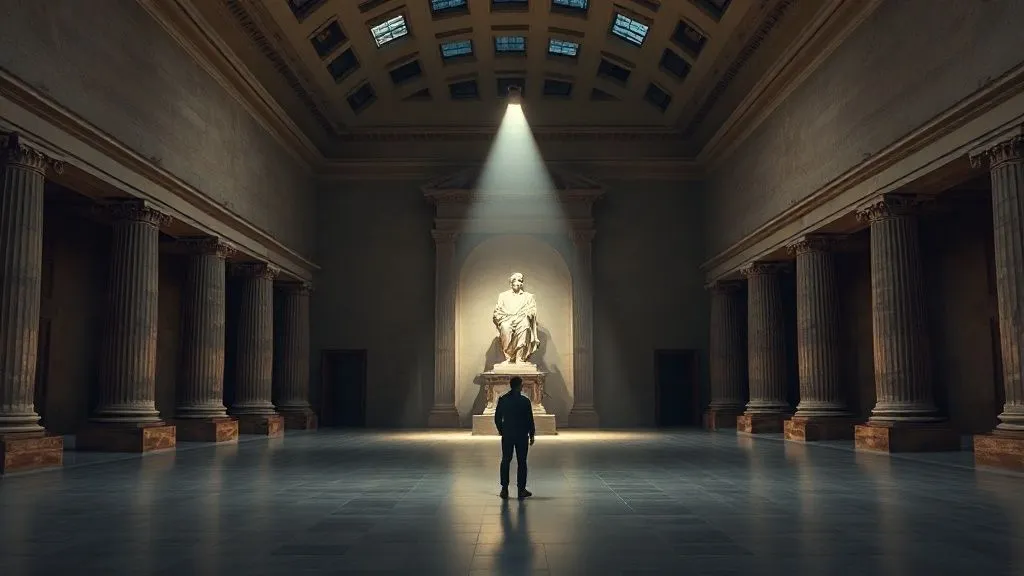
How to Secure Private After-Hours Access to Iconic Landmarks?
For over 20 years in the luxury travel sector, I've witnessed countless travelers dream of experiencing the world's most iconic landmarks without the throngs of tourists. I've seen the disappointment of a hurried photo op at a crowded Colosseum or the frustration of peering over shoulders to glimpse the Mona Lisa. It’s an experience that often falls short of the profound connection we seek with these historical and cultural treasures.
The problem is universal: iconic sites are, by their very nature, popular. This popularity, while validating their significance, often detracts from the intimate, reflective experience many discerning travelers crave. The noise, the queues, the rush – it transforms a potentially spiritual encounter into a logistical challenge. Many believe that private, after-hours access is reserved only for heads of state or the super-rich, an unattainable fantasy for the average traveler.
But what if I told you that this exclusive access isn't just a fantasy? In this definitive guide, I will pull back the curtain on the strategies, connections, and proposals that can turn your dream of a private landmark experience into a tangible reality. We'll explore actionable frameworks, real-world case studies, and expert insights to help you navigate the often-opaque world of bespoke travel, ensuring your next encounter with history is truly unforgettable.
Understanding the Landscape: Why After-Hours Access is Elusive (and Worth It)
Before we delve into the 'how,' it's crucial to understand the 'why' behind the exclusivity of after-hours access. Iconic landmarks, whether they are ancient ruins, grand museums, or architectural marvels, operate under stringent regulations concerning preservation, security, and public access. Their primary mission is often conservation and public education, not private tourism. This means any deviation from standard operating hours requires significant logistical planning, additional staffing, and often, special permissions.
From my experience, institutions are inherently cautious. They manage priceless artifacts and structures, and any private access request is weighed against potential risks, maintenance schedules, and their public image. This is why a simple phone call rarely suffices. However, the reward for navigating this complexity is immense. Imagine standing alone in the Sistine Chapel, the frescoes illuminated just for you, or having the entire Louvre to yourself, guided by its chief curator. These are not merely visits; they are transformative, once-in-a-lifetime experiences that etch themselves into your memory with unparalleled clarity.
"The true value of travel lies not just in seeing, but in experiencing. Private access transforms a fleeting glimpse into a profound connection." - An Experienced Travel Specialist
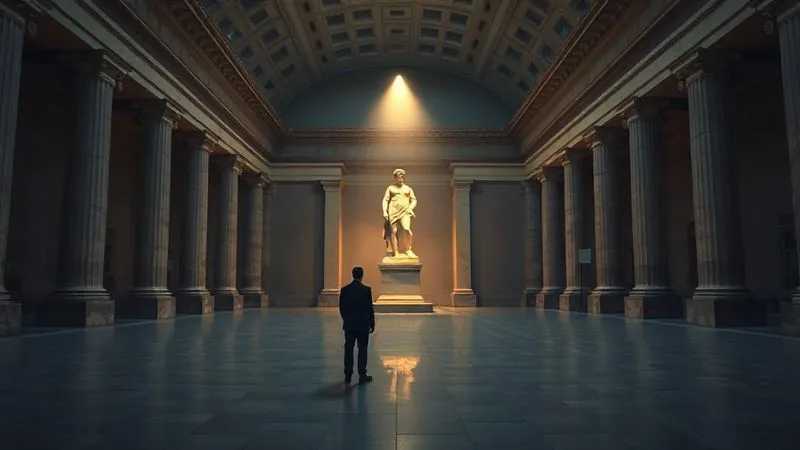
The Power of Connections: Leveraging Luxury Travel Advisors & Concierge Services
One of the most effective pathways to securing private after-hours access to iconic landmarks is through established, high-end travel advisors and luxury concierge services. These aren't your average travel agents; they are industry veterans with deep networks, often cultivated over decades, within the hospitality and cultural sectors. They have existing relationships with museum directors, site managers, and local fixers who can open doors that remain firmly shut to the public.
I've seen firsthand how a well-connected advisor can move mountains. They understand the nuances of each destination, the specific protocols of various institutions, and crucially, they know *who* to talk to and *how* to phrase a request. Their value extends beyond mere booking; they act as your advocate, leveraging their reputation and influence to craft bespoke experiences that align with your desires. Many have dedicated departments solely focused on 'special access' or 'experiential travel.'
When selecting such a service, look for those with a proven track record in experiential travel and a global reach. Ask for specific examples of private access they've arranged. Their fees might seem substantial, but they are often a worthwhile investment for the unparalleled access and seamless execution they provide. They handle all the intricate logistics, from security clearances to private guides, leaving you free to simply enjoy the moment.
Case Study: How The "Serenity Seekers" Accessed the Pyramids
Mr. and Mrs. Chen, celebrating their 30th anniversary, dreamt of a private moment at the Pyramids of Giza. They initially tried direct approaches but were met with standard tour options. Frustrated, they engaged 'Aurora Bespoke Travel,' a luxury concierge service. Aurora leveraged its long-standing relationship with a high-ranking official within Egypt's Ministry of Antiquities and a local security firm.
Within weeks, Aurora arranged for the Chens to have a private, dawn visit to the Giza plateau, before public opening hours. Accompanied by a private Egyptologist and discreet security, they explored the Sphinx and one of the Great Pyramids in profound silence, witnessing the sunrise paint the ancient structures in hues of gold. This exclusive access, facilitated by Aurora's connections, transformed their anniversary trip into an experience they describe as "beyond anything we could have imagined." It demonstrated the profound impact of leveraging expert networks for truly unique travel.
Direct Engagement: Approaching Institutions & Foundations
While luxury advisors are excellent, direct engagement with institutions is another viable, albeit more challenging, path. This strategy requires meticulous research, a compelling proposal, and a clear understanding of the institution's mission and needs. I've often advised clients that this approach is best suited for those with a specific academic, philanthropic, or artistic interest that aligns with the landmark's purpose.
- Identify the Right Contact: Don't start with the general inquiry email. Research the institution's 'Special Events,' 'Development,' 'Private Tours,' or 'VIP Services' departments. For smaller sites, the Director or Head Curator might be the key.
- Craft a Compelling Proposal: This is crucial. Your proposal should clearly state your request (e.g., "private tour for two, one hour after closing"), your motivation (e.g., "celebrating a significant milestone, keen interest in Baroque art"), and crucially, what you are willing to offer in return. This could be a significant donation, sponsorship, or even a unique collaboration if you have a relevant platform.
- Be Flexible and Respectful: Institutions have schedules. Be prepared to adapt your dates and times. Emphasize your respect for the site's preservation and security protocols.
- Follow Up Professionally: Patience is key. These requests often pass through multiple layers of approval. A polite, persistent follow-up is essential, but avoid being demanding.
According to a report by the Forbes Lifestyle on ultra-luxury travel, direct engagement, especially when coupled with philanthropy, is increasingly becoming a pathway for bespoke experiences. Institutions are often keen to cultivate relationships with patrons who demonstrate a genuine interest in their work beyond a mere tourist visit.
Special Events & Patronage: A Hidden Pathway
Beyond direct requests, many institutions offer private access through their special events, membership programs, or patronage tiers. This is a less direct, but often highly effective, route that I’ve personally seen yield incredible results. Becoming a patron or a high-level member of a museum, historical society, or cultural foundation can unlock a surprising array of exclusive benefits.
These benefits often include invitations to private viewings, curator-led tours outside public hours, or even opportunities to attend restoration projects. While it requires an upfront financial commitment, the long-term value in terms of access and engagement can far outweigh the cost of a one-off private tour. For instance, a 'Friends of the Louvre' membership at a certain tier might grant you access to annual after-hours events or priority booking for special exhibitions.
Similarly, many landmarks host private corporate events, galas, or exclusive dinners. While these are not typically 'private tours for one,' they offer a unique opportunity to experience the venue in a controlled, less crowded environment. Sometimes, simply attending such an event can provide the networking opportunity to inquire about more personalized access. Research the 'support us' or 'membership' sections of your desired landmark's website to explore these options.
| Access Method | Pros | Cons |
|---|---|---|
| Luxury Travel Advisor | Seamless, expert connections, all logistics handled, high success rate | Higher cost, less direct control over specifics |
| Direct Institutional Approach | Potentially lower cost, highly customized, builds direct relationship | Time-consuming, lower success rate without strong justification, requires self-management |
| Patronage/Membership | Long-term benefits, often includes multiple exclusive events, supports culture | Requires ongoing financial commitment, access might be group-based rather than fully private |
Crafting Your Proposal: What Institutions Look For
If you choose the direct engagement route, your proposal is your most critical tool. It needs to be professional, persuasive, and demonstrate a genuine understanding of and respect for the institution. From my experience, a generic email simply won't cut it. Here's what institutions value:
- Clarity and Specificity: Clearly state what you want (e.g., "private tour for two, 90 minutes, focused on Renaissance art, after public closing") and your preferred dates/flexibility.
- Legitimate Motivation: Why *you*? Is it a special anniversary, a significant birthday, a deep academic interest, or a philanthropic intent? Explain why this specific experience is meaningful to you. Avoid phrases like "I just want to avoid crowds."
- Demonstrated Respect: Reassure them of your understanding of the site's historical significance, security protocols, and conservation efforts. Mention any relevant background you have (e.g., "as a history enthusiast...").
- Willingness to Compensate: While you don't need to name a figure upfront, indicate your understanding that such access comes with costs. Phrases like "We understand there are significant operational costs involved and are prepared to discuss appropriate compensation" are effective.
- Professionalism: Use formal language, proper grammar, and a professional email signature. Attach a brief, well-formatted PDF if the request is complex.
Remember, you are asking them to make an exception to their standard operating procedures. Your proposal must be compelling enough to justify that effort. Think of it as presenting a business case for a unique experience, rather than simply asking for a favor.
Navigating Logistics: Permits, Security, and Costs
Once your request for private after-hours access to iconic landmarks is approved, the real logistical planning begins. This is where the expertise of a luxury travel advisor truly shines, as they typically handle these complexities. If you're going it alone, be prepared for a detailed process.
- Permits and Approvals: Depending on the landmark and country, you may need various permits. This is especially true for archaeological sites or government-managed monuments. Your direct contact at the institution will guide you.
- Security Arrangements: Private access almost always means dedicated security personnel. These costs will be factored into your overall fee. Expect background checks or passport copies to be requested.
- Staffing and Guides: You'll likely need a dedicated guide or curator. This ensures a richer experience and compliance with site rules. There will also be costs for any additional staff (e.g., lighting technicians, cleaning crew) required to keep the site open.
- Insurance: Some institutions may require you to have specific liability insurance for your visit. Your travel insurance might cover this, but always double-check.
- Cost Structure: Expect a premium. The costs for private after-hours access can range from a few thousand dollars for a small museum to tens of thousands (or more) for a major global landmark, especially if it involves extensive staffing or exclusive use of facilities. These costs cover the disruption to regular operations, overtime for staff, security, and specialized guiding.
| Expense Category | Typical Range | Notes |
|---|---|---|
| Site Fee/Rental | $1,000 - $20,000+ | Covers operational costs, exclusive use of space |
| Dedicated Security | $300 - $1,500/hour | Mandatory for after-hours, often multiple personnel |
| Private Guide/Curator | $200 - $1,000/hour | Expert commentary, essential for enriching the experience |
| Special Lighting/Setup | $500 - $5,000+ | If specific areas need special illumination or access |
| Administrative Fees | $100 - $500 | Processing permits, coordination |
I've often seen clients underestimate these costs. It's not just about opening the doors; it's about providing a safe, secure, and uniquely curated experience that requires significant institutional resources. Be prepared for a comprehensive breakdown of expenses.
Beyond the Obvious: Lesser-Known Strategies for Exclusive Access
While the previous strategies focus on established pathways, I’ve also helped clients uncover less conventional methods to secure private after-hours access to iconic landmarks. These often require more creativity, flexibility, and sometimes, a bit of luck.
- Journalistic or Documentary Projects: If you have a legitimate media platform, even a high-quality blog or documentary series, you might be able to pitch a story that requires after-hours access. Institutions are often keen for positive media coverage.
- Academic Research: For scholars, researchers, or even serious amateur historians, proposing a research project that necessitates private access can be a compelling argument. This often requires affiliation with a university or research institution.
- Philanthropic Initiatives: Beyond direct donations for private access, consider proposing a philanthropic project that aligns with the landmark's mission. For example, offering to fund the restoration of a specific artifact or a new educational program could open doors.
- Local Connections: Sometimes, the best way in is through a trusted local. A well-regarded local historian, artist, or community leader might have personal relationships that can facilitate introductions or vouch for your request. This is where a truly 'local' travel advisor, rather than just a global brand, can be invaluable.
- Pre-Opening/Post-Closing Tours: Many sites offer 'early bird' or 'late-night' public tours that, while not fully private, significantly reduce crowds. These can be a stepping stone or a more accessible alternative if full private access proves too challenging or costly.
As marketing guru Seth Godin often says, "The easy path is not the path to remarkable." These lesser-known strategies embody that spirit, requiring you to think outside the traditional tourism box and present a unique value proposition to the landmark.
The Etiquette of Exclusive Access: Maintaining Relationships
Securing private after-hours access to iconic landmarks is not just about the transaction; it's about building and maintaining respectful relationships. I’ve seen clients gain incredible access year after year because they understood and adhered to a crucial etiquette. This is vital for repeat access and for ensuring future travelers can also enjoy such privileges.
- Be Punctual: Time is of the essence when an institution is making special arrangements. Arrive on time, if not a few minutes early.
- Follow All Instructions: Adhere strictly to all rules regarding photography, touching artifacts, designated areas, and security protocols. Any deviation can jeopardize future access for you and others.
- Show Gratitude: A sincere thank you, perhaps a small token of appreciation for the staff (if appropriate and allowed by cultural norms), goes a long way. Follow up with a written thank you note to your main contact.
- Respect the Space: Remember that you are a guest in a place of immense historical and cultural significance. Treat it with the reverence it deserves.
- Maintain Discretion: While you'll naturally want to share your incredible experience, be mindful of any requests for discretion from the institution, especially regarding specific details of security or access arrangements.
Building a reputation as a respectful, appreciative, and reliable visitor can open doors for future extraordinary experiences. Institutions remember those who treat their treasures with care and respect.
Frequently Asked Questions (FAQ)
What is the typical lead time required to secure private after-hours access? The lead time can vary significantly based on the landmark's popularity, your chosen method of access, and the complexity of your request. For major iconic sites, I recommend starting your inquiry at least 6-12 months in advance. For simpler requests or less busy sites, 3-6 months might suffice. Luxury travel advisors often have existing relationships that can expedite this, but even they need time for coordination.
Is private after-hours access only for ultra-wealthy individuals? While it certainly can be expensive, it's not exclusively for the ultra-wealthy. The cost is often tied to the operational expenses of keeping a site open and staffed outside regular hours. Philanthropic engagement, academic proposals, or even leveraging strong personal connections can sometimes bypass or reduce direct costs. However, it’s rarely a budget-friendly option, as the value is in the exclusivity and unparalleled experience.
Can I request private access for a large group or a special event? Absolutely. Many institutions are well-equipped to host private events, corporate functions, or even weddings after hours. This is often a more structured process, and the institution's 'Events' or 'Venue Hire' department would be your primary contact. The costs for large groups or events will, of course, be significantly higher than for an individual or small party.
Are there specific types of landmarks that are easier or harder to get private access to? Generally, privately owned or foundation-run museums and historical homes can be more flexible than government-owned or internationally protected sites (like UNESCO World Heritage sites). Archaeological sites, due to their fragility and security concerns, can be particularly challenging. However, with the right approach and connections, almost anything is possible, though the cost and lead time will reflect the difficulty.
What if my request is denied? Are there alternatives? If your initial request is denied, don't despair. First, ask for feedback on why it was denied. Was it a timing issue, a security concern, or simply a lack of available resources? This feedback can help you refine a future request. Alternatives include joining small-group 'VIP' or 'early bird/late-night' public tours, which offer a less crowded experience, or exploring less famous but equally significant sites that might be more amenable to private visits.
Key Takeaways and Final Thoughts
- Securing private after-hours access to iconic landmarks is a specialized endeavor that offers unparalleled experiences.
- Leveraging luxury travel advisors and high-end concierge services is often the most effective and seamless route due to their established networks.
- Direct engagement requires a compelling, well-researched proposal that demonstrates respect and a willingness to compensate for operational costs.
- Consider patronage or membership programs for long-term access and exclusive event invitations.
- Be prepared for significant logistical planning, including permits, security, and staffing, all of which contribute to the cost.
- Always practice impeccable etiquette to foster positive relationships and ensure future opportunities.
The dream of experiencing the world's most cherished sites in serene solitude is within reach. It demands patience, strategic planning, and often, a willingness to invest in a truly unique journey. But as I've seen countless times in my career, the profound connection and unforgettable memories forged during these private moments are an investment that pays dividends for a lifetime. Go forth, plan meticulously, and transform your travel dreams into extraordinary realities.
Recommended Reading
- Mastering Festival Style: Your Ultimate Guide to Practical Outfits for All Weather
- Sustain Luxury Hotel Brand: 7 Profit-Boosting Identity Strategies
- 7 Critical Steps for Self-Rescue on Remote Big Wall Climbs
- The Ultimate Guide: How to Select Family Friendly Tours for All Ages
- 7 Proven Ways to Make Your Family Travel Blog Shine in a Crowded Niche




Your email address will not be published. Required fields are marked *