

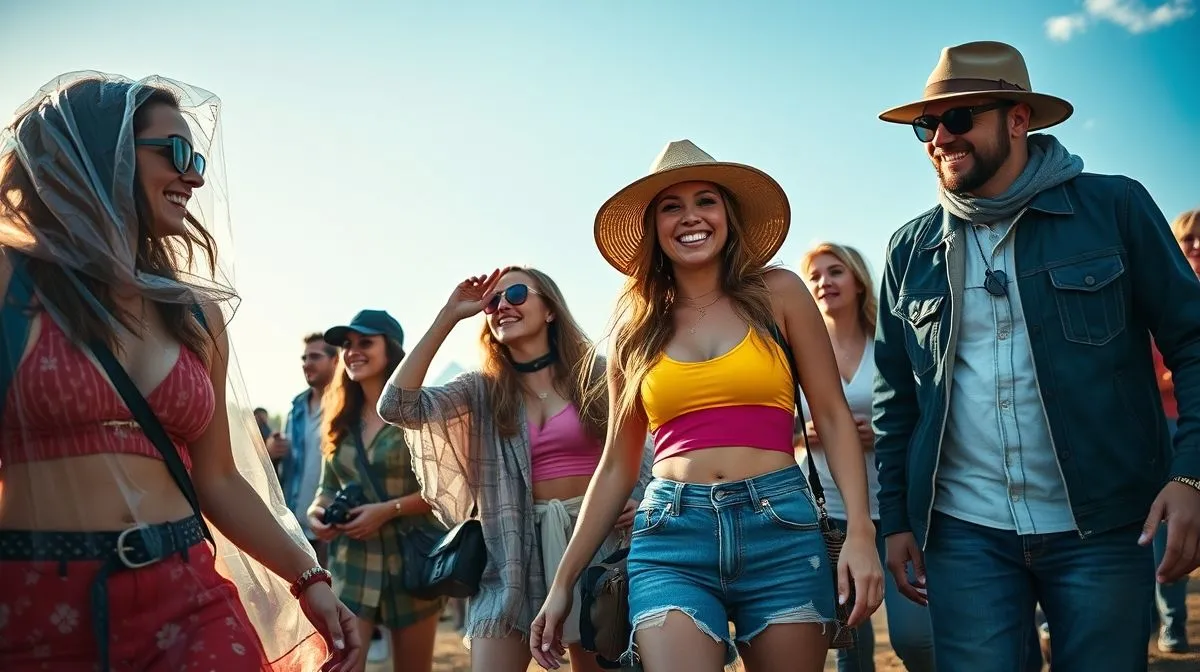
Navigating the Elements: How to Style Practical Festival Outfits for All Weather?
Ever found yourself at a festival, soaked to the bone by an unexpected downpour or sweltering under a relentless sun, wishing you'd packed differently? The magic of live music, vibrant communities, and unforgettable moments can quickly turn into a test of endurance if you’re not dressed for the occasion.
The perennial challenge for any festival-goer is balancing personal style with the often unpredictable whims of Mother Nature. You want to look good, feel good, and be ready for anything – from scorching sunshine and dusty fields to torrential rain and chilly nights. It’s a delicate dance between fashion and function that many struggle to master.
This comprehensive guide is your ultimate solution. We will delve deep into the art of building a festival wardrobe that is both stylish and supremely practical, ensuring you know exactly how to style practical festival outfits for all weather, allowing you to fully immerse yourself in the experience, come rain or shine.
The Unpredictable Festival Climate: Why Preparation is Key
Festivals are unique ecosystems where microclimates can shift rapidly. One moment you're basking in glorious sunshine, the next a sudden shower rolls in, turning the ground to mud. Ignoring this variability is a common mistake that can significantly impact your enjoyment.
Understanding Microclimates and Forecast Limitations
Even with advanced weather forecasting, local conditions at a festival site can be highly localized and change quickly. Open fields offer little shelter from wind or sun, while dense crowds can create pockets of heat. Preparing for a range of conditions, rather than just one, is paramount.
The Cost of Under-Preparation
Beyond simple discomfort, being ill-equipped can lead to health issues like sunburn, heatstroke, hypothermia, or severe chafing. It can also force you to leave early, miss performances, or spend exorbitant amounts on overpriced, ill-fitting emergency gear from vendors. A little foresight saves a lot of hassle and money.
Laying the Foundation: Essential Base Layers for Comfort
The success of any festival outfit begins with what's closest to your skin. Your base layers are critical for regulating body temperature and managing moisture, directly impacting your comfort levels throughout the day and night.
Breathable Fabrics for Heat Management
When the sun is beating down, breathable fabrics are your best friend. They allow air to circulate, helping sweat evaporate and keeping you cool. Think light and airy materials.
- Cotton: Soft, breathable, and comfortable for dry, warm conditions. However, it absorbs moisture and dries slowly, making it less ideal for rain or intense sweating.
- Linen: Extremely breathable and quick-drying, offering excellent ventilation. It tends to wrinkle easily but is perfect for hot, humid climates.
- Bamboo: Naturally breathable, moisture-wicking, and incredibly soft. It's also known for its antibacterial properties, which can be a bonus in a festival environment.
Moisture-Wicking for Activity and Humidity
For active days or humid conditions, fabrics that actively pull moisture away from your skin are essential. This prevents that clammy, uncomfortable feeling and helps regulate your temperature.
- Merino Wool: An exceptional natural fiber that is highly breathable, moisture-wicking, and odor-resistant. It's surprisingly good in both warm and cool weather.
- Synthetic Blends (Polyester, Nylon): Engineered to wick sweat efficiently and dry very quickly. Modern synthetics are far more comfortable and less 'plastic-y' than older versions.
Thermal Options for Cold Evenings
Even if days are warm, festival nights can get surprisingly chilly, especially in open fields. A light thermal base layer can make all the difference.
- Lightweight Fleece: Provides warmth without significant bulk, excellent for layering.
- Thermal Underwear: A thin set of thermal leggings and a long-sleeved top can be worn under clothes for added warmth without being noticeable.
Mastering the Art of Layering: Your Festival Style Secret Weapon
Layering is not just a technique; it's the cornerstone of practical festival dressing. It allows you to adapt seamlessly to changing weather conditions without needing a complete wardrobe change. The key is choosing versatile pieces that can be easily added or removed.
The Three-Layer System for Festivals
Think of your outfit in three distinct layers: the base, the mid, and the outer. This system provides maximum flexibility.
- Base Layer: As discussed, manages moisture and provides initial comfort.
- Mid-Layer: Provides insulation and warmth. This is where you add or subtract for temperature control.
- Outer Layer: Offers protection from wind, rain, or intense sun.
Versatile Mid-Layers for Dynamic Conditions
Your mid-layers should be easy to wear, remove, and tie around your waist or pack into a small bag. They bridge the gap between your base and your protective outer shell.
- Lightweight Hoodies or Sweatshirts: Offer warmth and a casual, cool vibe.
- Flannel Shirts: Excellent for warmth and can be unbuttoned for ventilation or tied around the waist.
- Cardigans or Kimonos: Provide a stylish, light layer for warmth or sun protection.
- Denim Jacket: A classic for warmth on cooler evenings and a timeless style statement.
Outerwear for Every Scenario
Your outer layer is your shield against the elements. Choose wisely, prioritizing packability and effectiveness.
- Rain: A packable waterproof jacket or poncho is non-negotiable. Look for lightweight options that fold down small. Consider a rain jacket with pit zips for ventilation.
- Wind: A lightweight windbreaker can offer surprising warmth by cutting through the chill.
- Sun: A light, long-sleeved shirt (e.g., linen or a technical fabric with UPF protection) can protect from sunburn without causing overheating.
For example, if the forecast is mixed, start with a breathable base, add a flannel shirt, and have a lightweight, packable rain jacket in your bag. As the day warms up, shed the flannel; if rain starts, pull out the jacket. This adaptability is crucial for how to style practical festival outfits for all weather.
Footwear First: Protecting Your Soles from All Terrain
Your feet will take a beating at a festival. Miles of walking, dancing, and navigating uneven, potentially muddy, or dusty terrain demand appropriate footwear. This is one area where style should absolutely take a backseat to practicality and comfort.
Mud-Ready Boots for Wet Conditions
If there's any chance of rain, or if the festival ground is known for becoming muddy, waterproof boots are essential. Nothing ruins a festival faster than cold, wet feet.
- Wellies (Rain Boots): The classic choice for truly muddy festivals. Opt for comfortable ones with good grip and consider insoles for added comfort.
- Waterproof Hiking Boots: A more versatile option if you expect mixed terrain and only moderate mud. They offer excellent ankle support and comfort for long periods of standing/walking.
Breathable Options for Sun and Dry Conditions
For dry, hot festivals, breathability and comfort are key. Avoid anything that will cause blisters or trapped heat.
- Comfortable Sneakers: Your best bet for general comfort and support. Choose an older pair you don't mind getting dirty, or easy-to-clean materials.
- Closed-Toe Sandals (with caution): While breathable, open-toed shoes leave your feet vulnerable to stomping, spills, and dirt. If you must, choose sturdy, supportive models.
Socks Matter: The Unsung Heroes
Don't underestimate the power of good socks. They prevent blisters and manage moisture.
- Wool or Synthetic Blends: Excellent for wicking away moisture and preventing blisters, even when wet.
- Avoid Cotton: Cotton socks absorb sweat and stay wet, leading to discomfort and blisters.
Accessorize Smart: Beyond Just Looks
Accessories aren't just for flair; they are vital components of a practical festival ensemble. They offer protection, convenience, and peace of mind.
Headwear for Protection
Your head is exposed to the elements, making headwear crucial for comfort and safety.
- Wide-Brimmed Hat: Essential for sun protection, shading your face, neck, and ears. Choose one that's packable and won't fly off in the wind.
- Baseball Cap: Offers good face protection but less for the neck.
- Beanie or Warm Hat: For cold evenings, to retain body heat.
Eyewear and Sun Protection
Protecting your eyes and skin is non-negotiable.
- Sunglasses: Protect your eyes from UV rays and reduce glare. Consider a strap to keep them secure.
- Sunscreen: Apply generously and reapply throughout the day, even on cloudy days. According to the CDC, sunscreen with an SPF of 15 or higher is recommended.
- Lip Balm with SPF: Don't forget your lips!
Bags for Essentials and Hydration
A hands-free bag is a must for carrying your essentials securely.
- Crossbody Bag or Fanny Pack: Ideal for small essentials like phone, wallet, and lip balm, keeping them secure and accessible.
- Small Backpack: For carrying layers, a reusable water bottle, snacks, and other larger items. Opt for one that is water-resistant or comes with a rain cover.
- Reusable Water Bottle: Staying hydrated is crucial, especially in warm weather or when dancing. Many festivals offer water refill stations.
Emergency Essentials
A few small items can make a big difference.
- Portable Charger: Keep your phone alive for photos, emergencies, and meeting up with friends.
- Small First-Aid Kit: Band-aids for blisters, pain relievers, antiseptic wipes.
- Hand Sanitizer: Festival hygiene can be challenging.
Styling for Specific Weather Scenarios: Practical Examples
Understanding the principles is one thing; applying them to specific forecasts is another. Here’s how to tailor your practical festival outfits for various weather conditions.
Hot & Sunny Days: Staying Cool and Protected
Focus on minimal, breathable layers and maximum sun protection. Think loose-fitting clothing that allows air circulation.
- Outfit Example: Lightweight linen shorts or a flowy skirt, a breathable cotton or bamboo crop top/tank top, a wide-brimmed hat, sunglasses, and comfortable sneakers. Pack a light long-sleeved shirt for evening sun protection or if it cools down slightly.
- Key Accessories: Sunscreen, reusable water bottle, fanny pack.
Rainy & Muddy Conditions: Embracing the Elements
The goal is to stay dry, warm, and comfortable despite the wetness. Waterproofing is key.
- Outfit Example: Waterproof wellies or hiking boots, thick wool socks, quick-drying leggings or waterproof trousers, a moisture-wicking base layer, and a high-quality packable waterproof jacket or poncho. A waterproof hat can also be beneficial.
- Key Accessories: Waterproof phone pouch, dry bag for electronics, hand warmers if it's chilly.
Cold & Windy Evenings: Layering for Warmth
Even if the days are warm, nights can plummet in temperature. Be prepared to bundle up.
- Outfit Example: Thermal base layers (top and bottom), jeans or thick leggings, a warm mid-layer (fleece or wool sweater), a windproof and water-resistant outer jacket, a beanie, and gloves. Sturdy, closed-toe boots are recommended.
- Key Accessories: Scarf, portable charger for devices sensitive to cold.
Mixed Forecasts (The Festival Standard): Adaptability is King
This is the most common scenario. Your ability to adapt quickly will define your comfort. Check reliable sources like the Met Office for detailed forecasts, but always pack for contingencies.
- Outfit Example: Moisture-wicking base t-shirt, comfortable jeans or utility trousers, a flannel shirt (to tie around waist), a packable waterproof jacket, and comfortable, water-resistant sneakers or light hiking boots. A wide-brimmed hat and beanie for day/night.
- Key Accessories: All-purpose backpack, sunscreen, water bottle, small towel.
Sustainable Festival Fashion: Making Eco-Conscious Choices
In addition to practicality, consider the environmental impact of your festival wardrobe. Making sustainable choices not only helps the planet but often results in higher-quality, more durable pieces that stand up better to festival wear and tear.
Rent, Borrow, Reuse: Reducing Waste
The most sustainable outfit is often one you already own or can acquire without new production. Consider platforms for renting unique pieces or borrowing from friends.
Durable & Quality Pieces: Invest in Longevity
Fast fashion items often don't last beyond one festival. Investing in well-made, durable clothing and footwear means less waste and better performance. A good quality waterproof jacket, for instance, will serve you for many festivals to come.
Ethical Brands: Support Responsible Production
When you do buy new, seek out brands committed to ethical labor practices and sustainable materials. Organizations like Ethical Consumer provide resources to help you find responsible clothing companies. This demonstrates a deeper understanding of responsible consumption.
Common Festival Outfit Mistakes to Avoid
Even with the best intentions, some pitfalls are common. Being aware of them can save you from discomfort and regret.
Prioritizing Style Over Comfort and Functionality
This is arguably the biggest mistake. While looking good is part of the fun, sacrificing comfort for a trend will quickly lead to misery. Those cute but impractical shoes or that non-waterproof jacket will let you down.
Forgetting Footwear Protection
Ignoring the potential for mud or long walking distances and showing up in open-toed sandals or delicate shoes is a recipe for disaster. Your feet are your primary mode of transport and comfort.
Neglecting Sun Protection
Many festival-goers underestimate the power of the sun, especially after a few hours outdoors. Sunburn can ruin the rest of your festival and has long-term health implications. Always have a hat and sunscreen.
Overpacking vs. Underpacking
Finding the right balance is key. Overpacking means lugging unnecessary weight, while underpacking leaves you vulnerable. Stick to versatile, multi-functional items as outlined in the layering strategy.
Frequently Asked Questions (FAQ)
Can I wear jeans to a muddy festival? While stylish, jeans are not ideal for muddy conditions as they absorb water, become heavy, and take a very long time to dry, leading to discomfort and chafing. Opt for quick-drying materials or waterproof trousers instead.
What's the best way to carry my essentials securely? A fanny pack or crossbody bag worn across your chest is highly recommended. It keeps your valuables close, secure, and allows you to be hands-free for dancing and navigating crowds.
How do I keep my phone charged at a festival? A portable power bank (fully charged!) is your best friend. Many festivals also offer charging stations, but having your own ensures you're never without power.
Should I bring an umbrella or a poncho? A lightweight, packable poncho or a waterproof jacket is generally preferred over an umbrella. Umbrellas can be cumbersome in crowds, a safety hazard, and difficult to manage in windy conditions.
What fabrics dry fastest if they get wet? Synthetic fabrics like polyester and nylon, along with merino wool, are excellent for quick drying. Avoid cotton if you anticipate getting wet.
Recommended Reading
- Best Short-Term Volunteer Abroad Projects: Make a Real Impact!
- Unlock Elite Journeys: Is Personalized Luxury Travel Planning Truly Worth It?
- The Ultimate Guide: How to Prepare for a Luxury Overnight Train Journey
- Unlock the Magic: Discover the Best Times to Visit Art Galleries on Your City Break
- Tuscany's Best Pasta Class for Beginners: The Secret to Authentic Flavors
Conclusion
Mastering how to style practical festival outfits for all weather is about more than just clothes; it's about enhancing your entire festival experience. By embracing the power of strategic layering, prioritizing appropriate footwear, and utilizing smart accessories, you transform potential discomforts into opportunities for effortless style and unwavering enjoyment. Remember, the best festival outfit is one that empowers you to dance freely, explore confidently, and create unforgettable memories, no matter what the forecast brings. Plan wisely, dress smartly, and let the music move you.





Your email address will not be published. Required fields are marked *