

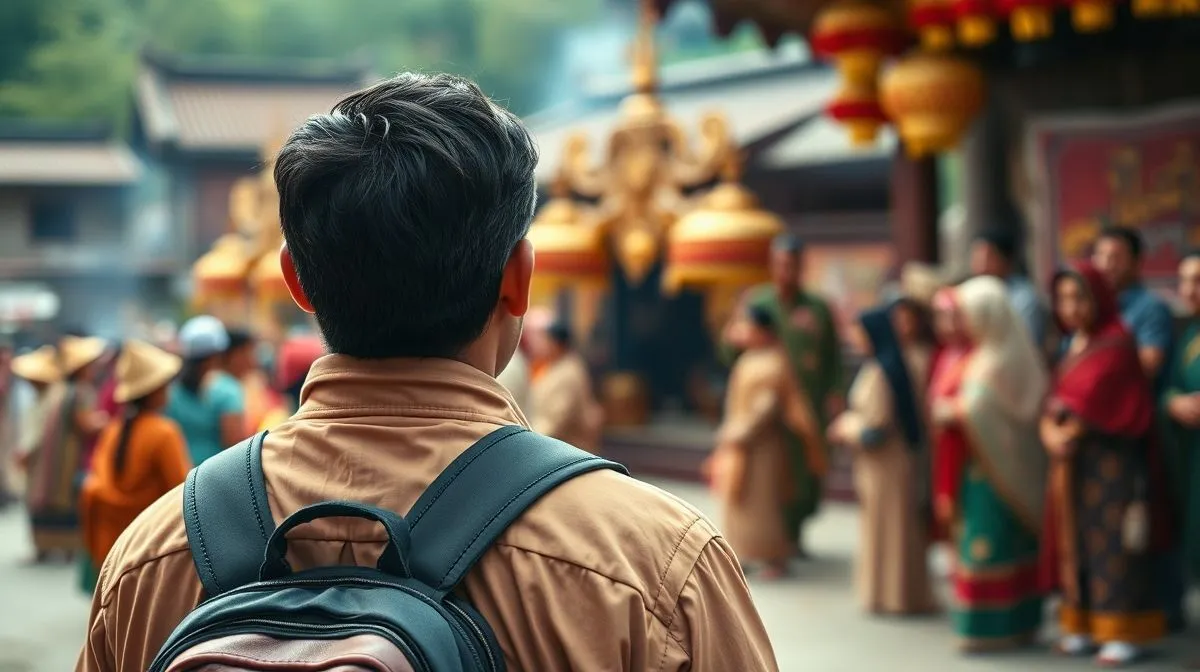
Navigating Global Cultures: How to Respectfully Observe Local Traditions Abroad
Have you ever found yourself in a foreign country, perhaps admiring a beautiful temple or a bustling market, and suddenly felt a pang of uncertainty? Was that photo appropriate? Did my gesture cause offense? Travel is an incredible gift, offering us unparalleled opportunities to explore new landscapes, taste exotic flavors, and encounter diverse cultures. Yet, with this privilege comes a profound responsibility: the duty to engage with the world not just as a visitor, but as a respectful guest.
The challenge lies in bridging the gap between our own cultural norms and those of our hosts. Unintentional missteps, often born of ignorance rather than malice, can lead to misunderstandings, discomfort, or even offense. Without a conscious effort to understand and adapt, travelers risk missing out on genuine connections, reducing complex cultures to mere backdrops for their vacation photos.
This comprehensive guide is designed to equip you with the knowledge and tools to navigate global cultures with grace and respect. By the end of this reading, you will understand the nuances of cultural sensitivity, learn practical strategies for engaging authentically with local traditions, and discover how to transform your travels into truly enriching and responsible experiences. Let’s explore how to respectfully observe local traditions abroad.
The Foundation of Respect: Understanding Cultural Nuances
Before we delve into practical tips, it's crucial to grasp what "culture" truly entails beyond the superficial. Culture is far more than just language, food, or clothing; it's a complex web of shared values, beliefs, behaviors, and norms that shape how people perceive the world and interact within it.
What is "Culture" Anyway?
Culture is the collective programming of the mind that distinguishes the members of one group or category of people from others. It influences everything from how we greet each other, to our understanding of time, personal space, and even our sense of humor. These deeply ingrained patterns often operate subconsciously, making them challenging for outsiders to discern.
The Iceberg Model of Culture
Think of culture as an iceberg. The visible parts above the waterline – like food, music, art, and festivals – are often what attract us as tourists. However, the much larger, invisible portion below the surface represents the core values, beliefs, assumptions, and thought patterns that truly drive behavior. It's in this deeper realm that most cultural misunderstandings occur.
Why Cultural Awareness Matters
Developing cultural awareness isn't about memorizing every rule for every country; it's about cultivating an open mind and a willingness to learn. It means recognizing that your way of doing things is not the only way, nor is it inherently superior. This awareness is the bedrock upon which all respectful interactions are built, fostering mutual understanding and preventing unintended offense.
Pre-Trip Preparation: Your First Step Towards Respectful Travel
The journey towards respectful observation begins long before you pack your suitcase. Thorough preparation is key to minimizing cultural blunders and maximizing genuine engagement.
Researching Local Customs and Etiquette
Before you even book your flight, dedicate time to researching the cultural landscape of your destination. This isn't just about reading travel guides; seek out information on specific social norms and expectations.
- Dress Code: Understand what constitutes appropriate attire, especially for religious sites or formal occasions.
- Greetings and Gestures: Learn how people greet each other (bowing, handshakes, kisses) and which gestures are polite or offensive.
- Dining Etiquette: Research table manners, tipping customs, and whether certain foods are taboo.
- Religious Practices: Familiarize yourself with major religious holidays or sacred periods that might impact your visit.
- Personal Space: Understand the typical proximity people maintain during conversations.
- Gift-Giving: Learn about appropriate gifts and how they are typically exchanged.
Learning Basic Phrases
Even a few words in the local language can make a huge difference. "Hello," "Please," "Thank you," "Excuse me," and "Sorry" go a long way in showing respect and a willingness to connect. Locals appreciate the effort, even if your pronunciation isn't perfect.
Understanding Local Laws and Social Norms
Beyond formal laws, be aware of unwritten social rules. For instance, public displays of affection might be common in your home country but frowned upon elsewhere. Alcohol consumption laws or attitudes towards photography can also vary widely. Ignorance of the law is never an excuse, and cultural norms often carry significant social weight.
On the Ground: Engaging with Authenticity and Sensitivity
Once you arrive, your role shifts from researcher to observer and participant. This phase requires constant vigilance and a readiness to adapt.
Observing Before Participating
When you enter a new environment, especially one with a strong local tradition or ceremony, take a moment to simply observe. Watch how locals behave, what they wear, and how they interact. This allows you to pick up on subtle cues and ensures you don't inadvertently disrupt an important moment. Blending in, rather than standing out, is often the most respectful approach.
Dress Code: When in Doubt, Overdress
Modesty is a virtue in many cultures, particularly in religious or traditional settings. For women, this often means covering shoulders and knees. For men, it might mean long pants and a collared shirt. Always err on the side of caution. Carrying a lightweight scarf or sarong can be a versatile solution for impromptu visits to temples or other sacred sites.
The Art of Communication: Verbal and Non-Verbal Cues
Communication is more than just words. Hand gestures, eye contact, and body posture convey significant meaning. For example, pointing with your foot or showing the sole of your shoe can be highly offensive in some Asian cultures. Direct eye contact, seen as a sign of honesty in the West, can be interpreted as aggressive or disrespectful in others. Researching these nuances is vital. For a deeper understanding of this complex topic, explore resources on nonverbal communication.
Dining Etiquette: More Than Just Food
Meals are often central to social life and tradition. Pay attention to how locals eat: Do they use cutlery, chopsticks, or their hands? Is it polite to finish everything on your plate or to leave a little? Who pays the bill? In some cultures, slurping noodles is a sign of enjoyment, while in others, it's considered rude. Always wait to be invited to start eating if dining with locals, and never stick chopsticks upright in a bowl of rice, as it resembles incense sticks at a funeral.
Photography: Seeking Permission
Before you raise your camera, especially when photographing people, always seek permission. A simple gesture, a smile, or a spoken "May I?" can go a long way. Respect a "no" immediately and graciously. Avoid photographing children without explicit parental consent. Remember that people are not tourist attractions; they are individuals with dignity and privacy. In certain sacred or sensitive areas, photography might be strictly forbidden, so always look for signs or ask.
Navigating Sacred Spaces and Ceremonies
Some of the most profound cultural experiences occur within sacred spaces or during traditional ceremonies. Approaching these with reverence is paramount.
Respecting Religious Sites
Temples, mosques, churches, and other places of worship are not merely historical landmarks; they are active spiritual centers. Dress appropriately, remove your shoes if required, and maintain a quiet, respectful demeanor. Avoid talking loudly, running, or touching sacred objects without permission. Be mindful of prayer times or services, and try not to interrupt them. Always check specific rules for each site, as they can vary greatly.
Participating in Local Festivals and Rituals
If you are fortunate enough to be invited to a local festival or ritual, consider it a profound privilege. Participate only if genuinely invited and if you feel comfortable doing so. Again, observe first. Is there a specific way to dress or behave? Are there parts of the ceremony that are not meant for outsiders? Your presence should enhance, not disrupt, the experience for the locals. Remember that these are often deeply meaningful events, not performances for tourists.
The Role of Guides and Interpreters
Engaging a local guide, especially one from the community you are visiting, can be invaluable. They can offer insights into cultural nuances, help you navigate complex situations, and act as a bridge between you and the local people. A good guide will not only show you the sights but also explain the "why" behind traditions, enriching your understanding and ensuring your interactions are truly respectful.
Beyond Tourism: Fostering Genuine Connections
Being a respectful traveler extends beyond avoiding offense; it involves actively contributing positively to the places you visit.
Supporting Local Economies Ethically
When purchasing souvenirs or dining, prioritize local businesses and artisans. This ensures your money directly benefits the community and helps preserve traditional crafts. Be wary of mass-produced items that might exploit local labor or resources. Ask where goods are made and try to understand the story behind them. Supporting local guides, homestays, and family-run restaurants is another excellent way to ensure your economic impact is positive.
Embracing Discomfort and Learning from Mistakes
No matter how much you prepare, you will inevitably encounter situations that challenge your comfort zone or where you might make a mistake. Embrace these moments as learning opportunities. Apologize sincerely if you realize you've caused offense and try to understand what went wrong. Cultural exchange is a two-way street, and humility is a powerful tool for building bridges.
Giving Back (Voluntourism Considerations)
For those interested in contributing more directly, voluntourism can be an option, but it requires careful consideration. Research organizations thoroughly to ensure they are reputable, locally led, and genuinely benefit the community, rather than creating dependency or taking jobs from locals. Focus on long-term, sustainable impact over short-term gratification. For insights into ethical voluntourism, consider resources like Responsible Travel or similar ethical travel organizations.
Common Pitfalls and How to Avoid Them
Even with the best intentions, certain behaviors can inadvertently lead to cultural insensitivity. Awareness is the first step to avoidance.
The "Ugly Tourist" Stereotype
This stereotype often refers to travelers who are loud, demanding, disrespectful of local customs, or who expect everything to be like it is at home. Avoid this by being patient, polite, open-minded, and remembering that you are a guest. A little humility goes a long way. Avoid complaining about differences and instead, embrace them as part of the travel experience.
Over-Gifting and Unintended Consequences
While generosity is often appreciated, indiscriminate gifting, especially to children, can create a begging culture or disrupt local economies. If you wish to donate, do so through reputable local charities or schools. For individuals, small, thoughtful gifts that are culturally appropriate are better than large sums of money or items that create dependency.
Avoiding Cultural Appropriation
Cultural appropriation occurs when elements of a minority culture are adopted by members of the dominant culture without understanding or respecting their original context. This could involve wearing traditional clothing as a costume, using sacred symbols as fashion accessories, or performing rituals without proper understanding or permission. Always ask yourself if your participation is respectful appreciation or thoughtless appropriation. When in doubt, admire from a distance or seek genuine education from local experts.
Frequently Asked Questions (FAQ)
Is it okay to take photos of locals? Always ask for permission first, even with a gesture. If they decline, respect their wishes immediately and politely. Avoid candid shots unless it's a bustling public event where anonymity is preserved.
What if I accidentally offend someone? Apologize sincerely and immediately. A simple "I'm so sorry, I didn't mean to offend you" with a respectful bow or gesture can often diffuse the situation. Learn from the mistake and move on.
How can I find authentic local experiences? Engage local guides, stay in guesthouses rather than large hotels, eat at local eateries, and visit markets. Be open to invitations and spontaneous interactions, but always prioritize safety and respect.
Should I always try to haggle? Haggling is customary in some cultures (e.g., markets) but offensive in others (e.g., fixed-price shops). Research the local norm. If haggling is expected, do so politely and with a smile; don't be aggressive or disrespectful.
What should I do if I feel overwhelmed by cultural differences? It's normal to experience culture shock. Take a break, find a quiet moment, and reflect. Remind yourself that differences are part of the adventure. Re-read your research, or talk to a trusted local guide. Patience and an open mind are your best tools.
Recommended Reading
- Unlock Cheap Train Travel: How to Journey Without a Rail Pass!
- Conquer the Open Road: Planning a Safe Solo Female Road Trip Across America
- Unveiling the Truth: Are Glamping Eco Pods Truly Green?
- Solo Female Foodie? Best Street Food Cities Await Your Taste Buds!
- Best Baking Classes While Traveling Abroad: A Delicious Journey
Conclusion
Travel is a privilege, and with it comes the profound responsibility to engage with the world thoughtfully and respectfully. By preparing diligently, observing keenly, and interacting with genuine humility, you can ensure your journeys are not just about seeing new places, but about truly understanding and appreciating the rich tapestry of human culture. Remembering how to respectfully observe local traditions abroad transforms a simple trip into a meaningful cultural exchange, enriching not only your own life but also leaving a positive footprint on the communities you visit. May your travels be filled with discovery, connection, and profound respect for the world's diverse traditions.





Your email address will not be published. Required fields are marked *