

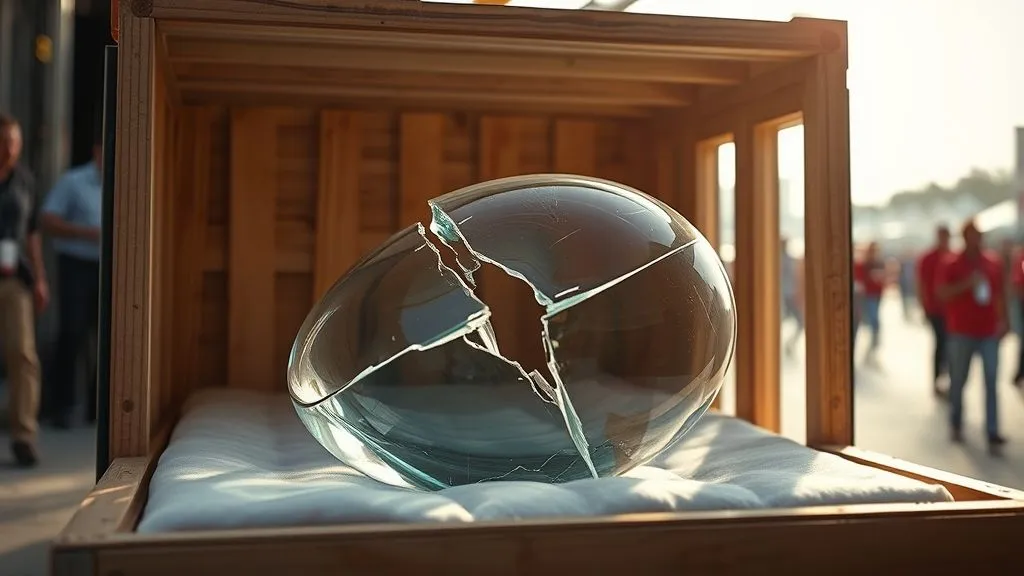
What to do if critical art is damaged during festival transit?
For over two decades in the vibrant world of festival art and cultural installations, I've witnessed the exhilarating highs of successful unveilings and, unfortunately, the gut-wrenching lows when critical art pieces suffer damage in transit. It's a scenario every artist, curator, and festival organizer dreads – the heart-stopping moment you realize a piece you've poured your soul into, or one central to an entire exhibition, has been compromised.
The immediate aftermath can feel like a chaotic storm of panic, blame, and despair. The stakes are incredibly high: reputation, financial investment, contractual obligations, and most importantly, the integrity and message of the artwork itself are all on the line. This isn't just about a broken frame; it's about a potential disruption to an entire festival narrative and a blow to an artist's career.
But here's the crucial insight I want to impart: panic is a luxury you cannot afford. What you need is a clear, actionable framework. In this definitive guide, I will walk you through a proven, step-by-step process, gleaned from years of firsthand experience and countless damage control situations. We'll cover everything from immediate assessment and meticulous documentation to navigating insurance claims, engaging conservation experts, and understanding your legal standing. My goal is to equip you with the knowledge and confidence to transform a potential disaster into a manageable challenge, ensuring the best possible outcome for your precious art.
The Critical First 60 Minutes: Immediate Assessment & Damage Control
When you first encounter damaged art, the initial shock can be paralyzing. However, the actions you take in the immediate aftermath are absolutely pivotal. I've seen situations escalate unnecessarily simply because initial steps weren't handled with precision and calm.
Your primary objective is to prevent further damage and gather crucial preliminary information. Think of yourself as an emergency responder for art. Every second counts, especially with sensitive materials or structural instabilities.
Step 1: Secure the Scene and Prevent Further Harm
- Do NOT move the artwork unnecessarily: If the artwork is unstable or its damage could worsen with movement, resist the urge to immediately reposition it. Assess its immediate surroundings.
- Isolate the area: Create a perimeter around the damaged piece. This prevents accidental contact from curious onlookers, other personnel, or environmental factors.
- Document the environmental conditions: Note temperature, humidity, light exposure, and any foreign substances present (e.g., water, oil, debris). These details can be critical for insurance claims and conservation reports.
- Identify immediate hazards: Are there sharp edges, exposed wires, or hazardous materials? Prioritize safety for yourself and anyone nearby.
In one memorable incident at a desert festival, a large kinetic sculpture arrived with a crucial structural arm bent and a delicate sensor array crushed. The immediate instinct was to try and straighten it. Instead, we carefully braced the arm with temporary supports and covered the sensor array to protect it from dust, buying ourselves precious time for a proper assessment.
Meticulous Documentation: Your Unbreakable Evidence Chain
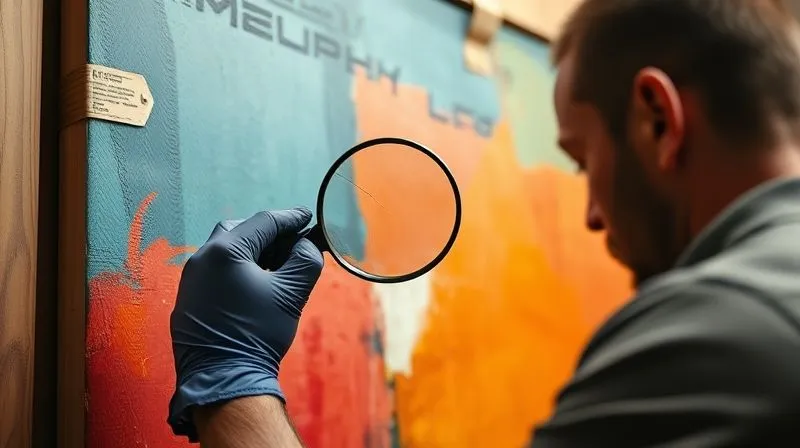
This is where battles are won or lost. Without comprehensive, undeniable evidence, your claims become mere anecdotes. I cannot stress enough how vital thorough documentation is. Every single detail, no matter how small it seems, contributes to building an irrefutable case.
Step 2: Photograph and Video Everything, Immediately
- Overall context shots: Begin with wide shots showing the artwork in its shipping container, the surrounding environment, and any external damage to the crate itself.
- Mid-range shots: Capture the artwork from various angles, clearly showing the location and nature of the damage.
- Extreme close-ups: Focus on the specific points of damage. Use a ruler or a recognizable object (like a coin) for scale in these shots.
- Before & After (if possible): If you have pre-transit condition reports or photos, ensure they are easily accessible for comparison.
- Video walkthrough: A continuous video sweep can provide invaluable context, showing the damage in relation to the entire piece and its immediate environment. Narrate as you record, stating dates, times, and observations.
- Timestamp all media: Most modern cameras and smartphones automatically timestamp photos and videos. Ensure this feature is active.
Step 3: Detailed Written Condition Report
A written report complements your visual evidence. It provides the narrative and specific observations that photos alone cannot convey. This should be completed immediately after photographic documentation.
- Date, Time, Location: Precisely record when and where the damage was discovered.
- Parties Present: List everyone who witnessed the discovery, including names, roles, and contact information.
- Description of Artwork: Include title, artist, dimensions, medium, and any unique identifiers.
- Description of Damage: Use objective, descriptive language. Avoid speculative or emotional terms. Instead of 'terribly broken,' say 'a 10cm linear fracture extending from the top left corner, with associated paint loss and splintering of the wood panel.'
- Packaging Condition: Detail the state of the shipping crate, internal packing materials, and any signs of mishandling (e.g., punctures, dents, water stains).
- Known Pre-existing Conditions: Reference any pre-transit condition reports.
- Signatures: Have all present parties sign and date the report, if possible, especially transit personnel.
Communication Protocols: Who, When, and How to Inform
Effective communication is a balancing act between urgency and accuracy. You need to inform the right people quickly, but only with verified information. Hasty or incomplete communication can lead to misunderstandings and complicate your claim.
Step 4: Notify All Relevant Parties
- The Carrier/Logistics Company: This is your absolute priority. Most transit contracts have strict deadlines for reporting damage (often within 24-48 hours). Contact them via their official damage reporting channels (email, dedicated claims portal, or phone followed by written confirmation). Provide a summary of the damage and state that a detailed report will follow.
- Your Insurance Provider: If you have separate art transit insurance, notify them immediately. They will guide you through their specific claims process. Be prepared to provide policy numbers and initial documentation.
- The Artist/Creator: This requires sensitivity. Share the news factually, but also empathetically. Offer reassurance about the steps you are taking.
- Festival Organizers/Curators: Inform them of the situation and its potential impact on the exhibition schedule.
- Recipient (if different from yourself): If you are merely the handler, ensure the ultimate recipient is informed.
Expert Insight: "Never assume a verbal report is sufficient. Always follow up any phone conversation with an email detailing what was discussed, when, and with whom. This creates an invaluable paper trail." - Industry Veteran.
Navigating the Insurance Landscape: Claims and Coverage
Insurance is your safety net, but it's only as effective as your understanding of its nuances. I've seen too many artists and organizations discover their coverage was inadequate or their claims rejected due to procedural errors.
Understanding Your Policy
Before any art moves, you should have a clear understanding of your insurance coverage. Is it 'all-risk' transit insurance? Does it cover 'nail-to-nail' (from the artist's studio wall to the exhibition wall)? What are the exclusions? What is the deductible?
Step 5: File a Formal Insurance Claim
- Gather all documentation: This includes your detailed condition report, all photos and videos, pre-transit condition reports, shipping manifests, proof of value (appraisals, sales receipts), and communication logs.
- Complete claim forms accurately: Be meticulous. Any discrepancies can delay or jeopardize your claim.
- Cooperate with adjusters: The insurance company will likely send an adjuster to inspect the damage. Be prepared to provide access and all requested documentation.
- Do NOT authorize repairs without approval: Most insurance policies require their approval before any restoration work begins. Unauthorized repairs could invalidate your claim.
Case Study: How 'Ephemeral Echoes' Secured Full Restoration Funding
Case Study: How 'Ephemeral Echoes' Secured Full Restoration Funding
At a large-scale outdoor festival, a monumental installation titled 'Ephemeral Echoes,' consisting of delicate glass and metal components, arrived with significant structural damage due to a forklift incident during unloading. The artist, initially devastated, followed my advice to the letter. They immediately documented every crack and bend with high-resolution photos and video, created a detailed written report signed by the logistics manager present, and promptly notified their 'all-risk' fine art insurer. Because the damage was so thoroughly documented and reported within the contractual 24-hour window, the insurer quickly approved an assessment by a specialist art conservator. The conservator's report, coupled with the initial evidence, led to the insurer covering 100% of the complex restoration costs, preventing a financial catastrophe for the artist and allowing the piece to be fully restored and exhibited, albeit a few days late. This resulted in the festival being able to showcase the artwork, maintaining its integrity and the artist's reputation, proving the power of meticulous preparation and immediate action.
Conservation & Restoration: The Path to Healing the Art
Once the immediate crisis is managed and insurance notifications are in motion, the focus shifts to the artwork itself. The goal is always to preserve the artist's original intent and the piece's historical integrity.
Step 6: Engage Qualified Art Conservators/Restorers
- Seek specialists: Not all conservators are equal. Find one who specializes in the medium and type of damage your artwork has sustained. Organizations like the American Institute for Conservation (AIC) or the Institute of Conservation (ICON) in the UK can provide directories of qualified professionals.
- Obtain multiple quotes: For significant damage, it's wise to get quotes from several conservators. Compare their proposed methodologies, timelines, and costs.
- Detailed treatment proposal: The conservator should provide a written proposal outlining the extent of the damage, the proposed treatment plan, expected outcomes, and estimated costs. This proposal will be crucial for insurance approval.
- Ongoing communication: Stay in close contact with the conservator throughout the process. Request progress reports and photographic documentation of the restoration work.
| Damage Type | Severity | Initial Action | Estimated Cost | Timeline |
|---|---|---|---|---|
| Surface Scratches | Minor | Professional cleaning, gentle buffing | $200 - $800 | 1-3 days |
| Fracture/Tear (Canvas) | Moderate | Stabilization, backing, inpainting | $1,000 - $5,000+ | 1-4 weeks |
| Structural Collapse (Sculpture) | Severe | Engineering assessment, re-fabrication of parts, reassembly | $5,000 - $50,000+ | 1-6 months |
| Water Damage (Paper/Textile) | Moderate to Severe | Drying, mold remediation, flattening, conservation repair | $800 - $10,000+ | 2 weeks - 3 months |
Prevention & Legal Recourse: Looking Forward
While dealing with current damage, it's imperative to learn from the incident and strengthen future protocols. Prevention is always better than cure, and understanding your legal options provides an additional layer of protection.
Step 7: Review & Prevent Future Incidents
- Analyze the cause: Work with the carrier, artist, and any other parties to understand *how* the damage occurred. Was it inadequate packing? Mishandling? Environmental factors?
- Update packing protocols: Based on your analysis, refine your packing guidelines. Consider custom crating, advanced cushioning materials, and environmental controls.
- Re-evaluate logistics partners: If the carrier was at fault, consider alternative, more specialized art logistics companies for future shipments. Look for companies with proven track records in fine art handling, such as those endorsed by the International Convention of Exhibition and Fine Art Transporters (ICEFAT).
- Strengthen contracts: Ensure future shipping contracts clearly define responsibilities, insurance requirements, damage reporting procedures, and liability limits.
- Invest in condition reports: Make pre- and post-transit condition reports a mandatory part of every shipment, complete with photographic evidence.
Legal Considerations
In some cases, especially with high-value pieces or clear negligence, legal action may be necessary. I've personally advised on situations where claims were initially denied, requiring legal intervention.
- Consult an attorney: If your insurance claim is denied or if the damage is substantial and clearly due to negligence, consult a lawyer specializing in art law or commercial disputes.
- Contractual obligations: Review your contracts with the shipping company, festival organizers, and the artist. These documents will outline liability and dispute resolution mechanisms.
- Statutes of limitations: Be aware of the time limits for filing lawsuits or pursuing legal claims, which vary by jurisdiction.
Frequently Asked Questions (FAQ)
What if the damage is only discovered after the carrier has left? This is a tricky situation but not insurmountable. Your immediate action remains the same: document everything meticulously. Crucially, check your shipping contract and insurance policy for their specific timeframe for reporting concealed damage. Many policies have a 24-48 hour window for such discoveries. Contact the carrier and your insurer immediately, providing all documentation and explaining the circumstances of the delayed discovery. Photographic evidence of the packaging's integrity upon initial receipt, followed by subsequent discovery of internal damage, can be vital.
Can I attempt minor repairs myself to make the art presentable? Absolutely not, unless explicitly advised and approved by a professional conservator and your insurance provider. Any unauthorized repair, no matter how minor, can be considered tampering with evidence and may void your insurance claim or significantly complicate professional restoration later. Even seemingly simple fixes can cause irreversible damage or reduce the artwork's value. Always prioritize documentation and professional assessment over amateur intervention.
What if the artist insists on repairing the artwork themselves? While the artist's connection to their work is profound, self-repair can be problematic from an insurance and conservation standpoint. If the artist is not a trained conservator, their repairs might not meet professional standards, potentially devaluing the piece or making future professional restoration more difficult. Encourage them to work with an approved conservator whose methods are recognized by the insurance company and the art world. This ensures the restoration is done to the highest possible standard, preserving the artwork's integrity and value.
How do I prove the value of the damaged art for a claim? Proof of value is critical. For recently purchased works, a sales receipt or invoice is often sufficient. For older or more established pieces, a professional appraisal from a certified art appraiser is essential. For newly created or unique installations, the artist's invoice for materials and labor, alongside documentation of exhibition history, critical reception, and previous sales of similar works, can help establish value. Always have this documentation prepared well in advance of transit.
What if the damage impacts the entire conceptual integrity of the piece, not just its physical form? This is a complex and deeply sensitive issue, particularly with conceptual or ephemeral art. While physical repair might be possible, the conceptual damage could be irreparable. In such cases, the conservator's report should not only detail physical damage but also comment on the conceptual impact where appropriate. Your insurance claim might need to reflect 'total loss' even if physically repairable, arguing that the piece's artistic intent has been fundamentally compromised. This often requires expert testimony from art critics, curators, or the artist themselves to support the claim. It's a challenging but necessary conversation.
Key Takeaways and Final Thoughts
- Act Immediately: The first 60 minutes after discovering damage are crucial for securing the scene and preventing further harm.
- Document Everything: Comprehensive photos, videos, and written reports are your strongest allies in any claim.
- Communicate Strategically: Inform all relevant parties promptly, always following up verbal communications with written confirmation.
- Know Your Insurance: Understand your policy inside out before transit, and follow all claims procedures precisely.
- Trust the Experts: Engage qualified art conservators for assessment and restoration, and never attempt DIY repairs.
- Learn and Prevent: Use every incident as a learning opportunity to refine your logistics and packing protocols for the future.
The journey of art is often fraught with peril, but it doesn't have to end in despair when damage occurs. By approaching the problem with a clear head, a methodical strategy, and the wisdom gleaned from industry experience, you can navigate these challenging waters successfully. Remember, the goal is not just to fix a broken object, but to preserve the vision, the value, and the very soul of the art. With these steps, you're not just reacting; you're taking control and ensuring the legacy of your critical art endures.
Recommended Reading
- Unlock the Secrets: How to Plan the Perfect Après Ski Evening on a Budget
- 7 Critical Steps: Ethically Vetting Eco-Volunteer Projects for Corporate CSR
- 7 Pillars: Differentiating Luxury Yurt Glamping in Saturated Markets
- The Savvy Traveler's Guide: What to Look For When Booking a Budget Hostel?
- 7 Legal Safeguards: Advanced Holistic Journeys Risk Mitigation




Your email address will not be published. Required fields are marked *