


How to Strategically Plan a Theme Park Trip with Limited PTO?
For over two decades in the family travel space, I've witnessed countless families dream of that magical theme park getaway, only to be held back by one pervasive hurdle: limited Paid Time Off (PTO). The idea of squeezing a full, enriching theme park experience into just a few precious vacation days often feels like trying to fit a genie back into its bottle – daunting, if not impossible.
This isn't just about saving money; it's about saving time, your most finite resource. The pressure to make every moment count, to avoid burnout, and still deliver a memorable experience can turn what should be a joyful planning process into a stressful ordeal. I understand this challenge deeply, having helped numerous families navigate these very waters.
But what if I told you that with a strategic, expert-backed approach, you can not only plan an incredible theme park trip with limited PTO but also return home refreshed, rather than exhausted? In this definitive guide, I'll share my proven frameworks, actionable steps, and insider insights to transform your limited vacation days into an epic, stress-free theme park adventure. We're not just going to visit a park; we're going to master the art of the micro-vacation.
The Art of Off-Peak: Timing Your Theme Park Adventure for Maximum Impact
When you're working with limited PTO, your first and most critical strategic decision is when to go. This isn't just about avoiding crowds; it's about maximizing your experience-per-hour and reducing stress, which is paramount when time is short.
1. Understanding the Calendar: Seasonal & School Breaks
In my experience, the biggest mistake families make is trying to fit a theme park trip into traditional school breaks or national holidays. These times are peak season for a reason – everyone else is off too! This leads to higher prices, longer lines, and a diminished experience. Instead, look for the sweet spots.
- Mid-Week, Off-Season: Aim for Tuesday, Wednesday, or Thursday during non-holiday weeks. January (after New Year's), February (excluding Presidents' Day), late August, September, and early November are often golden windows.
- Shoulder Seasons: Early May and early December can also offer a good balance of weather and lighter crowds before the summer and holiday rushes begin.
- Special Events: Be aware of any large conventions or special events happening at or near the park, as these can unexpectedly increase crowds even during an otherwise quiet period.
"The true luxury of travel with limited PTO isn't about how much you spend, but how strategically you spend your time. Off-peak travel is the ultimate time-saver."
According to a study by the U.S. Travel Association, taking regular vacations, even short ones, significantly boosts well-being and productivity. Maximizing these short breaks is key.
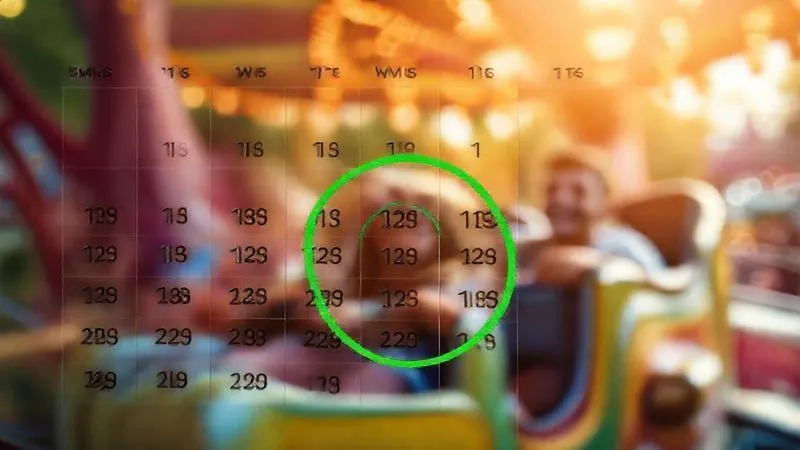
2. Leveraging Park-Specific Crowd Calendars
Many major theme parks offer their own crowd prediction calendars or third-party sites analyze historical data to provide accurate forecasts. This is an invaluable tool for the PTO-constrained traveler.
- Consult Multiple Sources: Cross-reference official park calendars with reputable third-party crowd prediction sites to get the most accurate picture.
- Flexibility is King: If your PTO allows for a bit of flexibility, choose the day with the lowest predicted crowd level, even if it means shifting your plans by a day.
- Park Hopping Strategy: Some parks within a resort might have different crowd levels on certain days. Knowing this can help you decide which park to visit on which day.
Mastering the Micro-Trip: Optimizing Travel Days & Nights
When you have limited PTO, every hour counts, especially those spent traveling. The goal is to minimize travel time and maximize park time. This often means rethinking traditional travel schedules.
1. The Overnight & Early Morning Advantage
Instead of using a precious PTO day for travel, consider traveling on a Friday evening after work or an early Saturday morning. Similarly, plan your departure for late Sunday evening or Monday morning before work.
- Red-Eye or Evening Flights: If flying, a late Friday flight allows you to arrive at your destination, check into your hotel, and be ready to hit the park bright and early Saturday morning.
- Drive-Time Strategy: If driving, leave immediately after work on Friday. Even if you only get a few hours closer, it significantly cuts down on Saturday's travel, enabling an earlier park arrival.
- Maximize Your Hotel Stay: Choose hotels with early check-in or late check-out options, or at least a baggage hold service, so you aren't tied down by your luggage.
Case Study: The Miller Family's Weekend Whirlwind
The Miller family, with two young children and only 2 PTO days available for a theme park trip, faced a dilemma. Traditional advice suggested a minimum 3-4 day trip. By implementing the overnight travel strategy, they transformed their weekend. They left Friday evening after school/work, drove 4 hours, stayed overnight, and arrived at the park Saturday morning. They enjoyed a full Saturday and Sunday at the park, then drove home Sunday evening. By strategically using travel time outside of work hours, they effectively got two full park days with zero PTO taken for travel, only using their weekend. This resulted in a memorable trip without sacrificing valuable workdays.
| Strategy | PTO Days Used | Park Time Gained |
|---|---|---|
| Travel Friday Evening | 0 | ~0.5-1 Full Day |
| Travel Early Saturday/Sunday AM | 0 | ~0.5 Full Day |
| Travel During Work Week | 1-2 | N/A - Lost for Travel |
Budgeting Beyond Dollars: Allocating Your Precious Time & Energy
Just as you budget money, you must budget your time and energy when PTO is limited. This means making conscious choices about what you will and won't do.
1. Prioritizing Must-Dos vs. Nice-to-Haves
Before you even leave, have a family meeting to list everyone's top 3-5 absolute must-do rides, shows, or experiences. These become your non-negotiables. Everything else is secondary.
- Research & Rankings: Look up ride wait times, show schedules, and dining options beforehand. Use apps to track real-time data.
- Flexibility for Surprises: While planning is key, allow for spontaneous moments. If a must-do ride is unexpectedly down, have a backup plan.
- Manage Expectations: Remind everyone that you won't be able to do everything. Focus on quality experiences over quantity.
2. The Power of Single-Park Focus
With limited PTO, trying to visit multiple theme parks in one trip is often a recipe for exhaustion and feeling rushed. Stick to one park, or at most, one resort with easily accessible parks.
"When time is your currency, focus is your greatest asset. Don't dilute your experience by trying to do too much in too little time."
As renowned productivity expert David Allen often states, "You can do anything, but not everything." This applies perfectly to theme park planning with limited PTO.
In-Park Efficiency: Conquering Crowds & Maximizing Rides
Once you're in the park, your strategic planning shifts to maximizing every minute. This is where advanced preparation truly pays off.
1. The Rope Drop & Closing Strategy
The first hour and the last hour a park is open are often the least crowded. This is your golden opportunity to hit popular rides with minimal wait times.
- Arrive Early: Be at the park gates 30-60 minutes before opening. You'll often be let in slightly early to certain areas.
- Target Popular Rides First: Head straight to your highest priority, most popular ride. You can often ride it multiple times before the main crowds arrive.
- Stay Late: Many guests leave before closing. Use the last hour to re-ride favorites or catch a final show. If you get in line for a ride just before closing, you'll still get to ride it.
2. Leveraging FastPasses, Genie+, or Equivalent Systems
Most major theme parks offer some form of skip-the-line service. This is a non-negotiable investment when you have limited PTO. Understand how to use it effectively.
- Pre-Booking: If available, book your desired ride times as far in advance as possible.
- Strategic Stacking: Learn the park's rules for booking multiple passes. Can you book another while waiting for your current return time?
- App-Savvy: Download the park's official app. It's your real-time guide for wait times, show schedules, and mobile ordering.

3. Mobile Ordering & Strategic Dining
Don't waste precious ride time waiting in line for food. Utilize mobile ordering systems for quick-service meals and snacks.
- Order Ahead: Place your lunch order while you're in line for a ride, scheduling pickup for when you'll be nearby.
- Off-Peak Dining: Eat lunch earlier (11:00-11:30 AM) or later (1:30-2:00 PM) to avoid peak mealtime crowds at restaurants.
- Snack Strategy: Carry some non-perishable snacks to tide you over and avoid impulse purchases or long snack lines.
Pre-Trip Prep: The Blueprint for a Seamless Park Experience
The success of a limited PTO theme park trip hinges on what you do before you even leave your home. This foundational planning reduces stress and maximizes enjoyment.
1. The Detailed Itinerary: Your Time-Saving Map
Don't just have a general idea; create a detailed, hour-by-hour (or at least block-by-block) itinerary. This might sound rigid, but it's your flexibility enabler.
- Map It Out: Group rides and attractions that are physically close to each other to minimize walking time.
- Factor in Buffers: Always add 15-30 minute buffers for unexpected delays (bathroom breaks, lost items, longer-than-expected waits).
- Include Downtime: Even with limited PTO, scheduling short breaks (a sit-down show, a quiet snack, a walk through a themed area) prevents mid-day meltdowns, especially for families with children.
2. Packing Smart: Essentials for Efficiency
What you bring (or don't bring) into the park can significantly impact your day. Think light, practical, and prepared.
- Comfortable Footwear: This is non-negotiable. You'll be walking miles.
- Portable Charger: Your phone will be your map, wait-time tracker, and photo album. Don't run out of juice.
- Refillable Water Bottle: Stay hydrated without constantly searching for water fountains or buying drinks.
- Light Backpack: Enough to carry essentials without being cumbersome on rides.

Post-Park Recharge: Protecting Your PTO & Preventing Burnout
The goal of a theme park trip, even a short one, is to return refreshed, not more tired than when you left. Strategic planning extends beyond the park gates.
1. The Decompression Day (If Possible)
If you have even one extra PTO day, consider using it as a buffer day upon your return. This allows you to unpack, do laundry, and mentally transition back to work without feeling rushed.
| Scenario | Burnout Risk | Productivity Impact |
|---|---|---|
| Return Sunday Night, Work Monday | High | Negative |
| Return Sunday Night, PTO Monday, Work Tuesday | Low | Positive |
| Return Monday AM, Work Monday PM | Moderate | Mixed |
2. Prioritizing Sleep & Hydration
During your trip, resist the urge to push too hard. Adequate sleep and hydration are crucial for maintaining energy levels and a positive attitude.
- Early Nights: Aim for a reasonable bedtime, even if it means missing the very last show.
- Hydrate Constantly: Theme parks involve a lot of walking and often hot weather.
- Listen to Your Body: If you or your kids are truly exhausted, take an unscheduled break or head back to the hotel early. A happy, rested family is more important than hitting every single ride.
Leveraging Technology: Tools to Streamline Your Short Theme Park Getaway
In today's world, technology is your best friend for maximizing efficiency and enjoyment at theme parks, especially when time is tight.
1. Official Park Apps & Digital Tools
Every major theme park resort now has a comprehensive mobile application. These are indispensable.
- Real-Time Wait Times: Crucial for adjusting your itinerary on the fly and avoiding long lines.
- Interactive Maps: Navigate the park efficiently, find restrooms, dining, and character meet-and-greets.
- Mobile Food & Merchandise Ordering: Save significant time by ordering food ahead for pickup or even having merchandise delivered to your hotel.
- Digital Ticketing & Wallet Integration: Streamline entry and purchases, reducing fumbling at the gate or checkout.
2. Third-Party Planning & Optimization Apps
Beyond official apps, several independent tools can provide additional insights and assistance.
- Crowd Forecasters: As mentioned, these can help you choose the best park days.
- Ride Trackers: Some apps allow users to report actual wait times, offering a community-driven perspective.
- Budget Planners: While not directly for time, managing your financial budget effectively can reduce stress, allowing you to focus on time optimization.
"Technology isn't a replacement for smart planning; it's an accelerator. Use it to amplify your efficiency and enhance your theme park experience."
For more insights on leveraging technology in travel, consider resources like Harvard Business Review's articles on productivity and innovation, which often highlight how digital tools can transform experiences.
Frequently Asked Questions (FAQ)
Question: Is it really possible to have a good theme park trip with only 1-2 PTO days? Absolutely! While 3-4 days might be ideal for some, a well-planned 1-2 PTO day trip (often combined with a weekend) can be incredibly rewarding. The key is extreme efficiency: off-peak timing, strategic travel, and ruthless prioritization of your must-dos. Focus on quality over quantity, and you'll create lasting memories without burning through all your vacation days.
Question: How can I convince my family to be okay with a shorter, more intense trip? Transparency and shared planning are crucial. Involve everyone in the 'must-do' list creation. Explain that a shorter trip allows for more frequent getaways or saves PTO for a longer, different type of vacation later. Frame it as a 'best of' experience rather than a 'missed out' one. Emphasize the unique thrill of maximizing every moment.
Question: What's the biggest mistake families make when planning a short theme park trip? Without a doubt, it's trying to do too much. Over-scheduling, attempting to visit multiple parks, or refusing to use skip-the-line services are common pitfalls. This leads to exhaustion, frustration, and feeling like you need a vacation from your vacation. Embrace the 'less is more' philosophy, and focus on deep enjoyment of a few key experiences.
Question: Should I still plan for rest breaks even with limited time? Yes, absolutely! Even on a short trip, neglecting rest is a recipe for disaster. Short, strategic breaks (a sit-down show, a quick snack, finding a quiet bench) recharge everyone. Pushing too hard leads to meltdowns (from kids and adults alike) and ultimately slows you down more than a planned break would. Think of them as efficiency boosters.
Question: Is it worth paying extra for preferred parking or early entry? When you have limited PTO, every minute saved is invaluable. Preferred parking can shave off significant walking and shuttle time. Similarly, early entry benefits (often tied to resort stays or specific tickets) give you a head start on popular attractions. If these options fit your budget, they are often a worthwhile investment to maximize your precious park time.
Key Takeaways and Final Thoughts
- Timing is Everything: Prioritize off-peak dates and leverage crowd calendars to drastically improve your experience.
- Optimize Travel: Use evenings and early mornings for travel to preserve your valuable PTO days for park enjoyment.
- Ruthless Prioritization: Identify your family's absolute must-dos and focus your energy there, letting go of the need to do everything.
- Embrace Efficiency: Utilize park apps, mobile ordering, and skip-the-line services as essential tools, not luxuries.
- Plan for Rest: Even with limited time, scheduled breaks and adequate sleep are crucial for preventing burnout and ensuring a positive experience.
Planning a theme park trip with limited PTO isn't just about fitting in; it's about thriving. It requires a mindset shift from doing everything to doing the right things, strategically and efficiently. As an industry veteran, I've seen these strategies transform stressful trips into cherished memories. Trust in the power of preparation, empower yourself with these tools, and go create some unforgettable magic. Your dream theme park adventure, even a short one, is entirely within reach!
Recommended Reading
- Solo Female Travel Safety: 10 Ways to Prevent & Respond to Harassment
- 7 Pro Strategies: Secure Exclusive Gourmet Reservations on Tight Schedules
- Unlock the Magic: Discover the Best Times to Visit Art Galleries on Your City Break
- 5 Proven Steps: Unplug From Work on Family Road Trips, Avoid Burnout
- Best Time for Caribbean Ocean Cruises? Unveiling the Perfect Season





Your email address will not be published. Required fields are marked *