


How to Sustain a Clean Living Routine on Demanding Work Trips?
For over 15 years, navigating the intricate world of wellness travel, I've witnessed firsthand the silent struggle of countless professionals. They pour their heart and soul into maintaining a clean living routine at home – mindful eating, regular exercise, adequate sleep, and mental clarity – only to see it crumble under the relentless demands of business travel.
The paradox is stark: the very trips designed to advance careers often sabotage personal well-being. From unpredictable schedules and endless airport layovers to calorie-laden client dinners and the pervasive stress of being away from home, the road can feel like an insurmountable obstacle to healthy habits. The result isn't just a temporary lapse; it's often a spiral into fatigue, poor choices, and a diminished sense of self, making the return to routine even harder.
But what if I told you it doesn't have to be this way? This isn't about perfection; it’s about strategic resilience. In this definitive guide, I'll share the frameworks, actionable insights, and battle-tested strategies I've honed over years, empowering you to not just survive, but truly thrive and sustain a clean living routine on demanding work trips, ensuring your well-being remains a priority, not a casualty.
The Core Challenge: Why Work Trips Derail Wellness Efforts
Before we can build robust solutions, we must first understand the enemy – or rather, the unique set of challenges that business travel presents to our clean living aspirations. It’s more than just a change of scenery; it's a systemic disruption that targets our habits at their most vulnerable points.
Time Scarcity & Unpredictability
One of the most insidious aspects of demanding work trips is the erosion of personal time and predictable schedules. Early morning flights, back-to-back meetings, and late-night networking events leave little room for dedicated gym sessions, meal prep, or even a quiet moment of meditation. This constant flux forces us to react rather than proactively manage our wellness, often leading to compromises we later regret.
Environmental Temptations & Lack of Control
Travel environments are often designed for convenience, not clean living. Airports are a gauntlet of fast food and sugary drinks. Hotel mini-bars beckon with unhealthy snacks. Client dinners, while essential for relationship building, frequently involve rich foods, alcohol, and large portions. The control you have over your food choices, your activity level, and even your sleep environment is significantly reduced, making adherence to your routine a constant uphill battle.
Mental & Physical Fatigue: The Silent Saboteurs
Jet lag alone can throw your circadian rhythm into disarray, impacting sleep quality, energy levels, and even hunger cues. Couple this with the inherent stress of travel – navigating unfamiliar places, managing work pressures, and being away from your support system – and you have a potent cocktail for mental and physical exhaustion. When you're tired and stressed, willpower wanes, making it far easier to reach for comfort food or skip that morning workout.
Proactive Planning: Your First Line of Defense
In my experience, the battle for wellness on the road is often won or lost before you even leave home. Proactive planning isn't just a suggestion; it's a non-negotiable strategy for anyone serious about sustaining a clean living routine on demanding work trips. It shifts you from a reactive state to one of empowered control.
Strategic Pre-Trip Research & Communication
Before your bags are even packed, dedicate time to gather intelligence. Knowledge is power, especially when it comes to healthy choices in unfamiliar territory.
- Investigate Your Destination: Use apps like Yelp, Google Maps, or HappyCow to scout healthy restaurants, grocery stores, or farmer's markets near your hotel or meeting venues. Look for places offering fresh salads, lean proteins, or plant-based options.
- Hotel Amenities Check: Does your hotel have a gym, a pool, or even a mini-fridge in the room? Knowing this allows you to plan your workouts and store healthy snacks. Some hotels even offer wellness programs or equipment rentals.
- Communicate Dietary Needs: If attending conferences or client dinners, politely inform your hosts about any dietary preferences or restrictions well in advance. Most establishments are happy to accommodate with prior notice. Frame it positively, e.g., "I'm focusing on plant-based eating for energy."
- Map Out Movement Opportunities: Look for nearby parks, walking trails, or even scenic routes for a morning jog. Knowing these options beforehand removes the friction of searching when you're already tired.
The Art of Smart Packing: Your Portable Wellness Kit
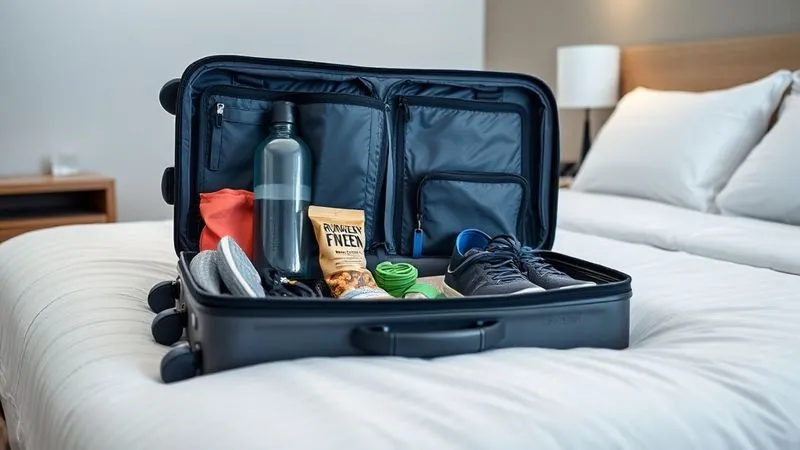
Your suitcase isn't just for clothes; it's a mobile wellness arsenal. Thoughtful packing ensures you have access to essentials that support your routine.
- Portable Power Snacks: Pack non-perishable, nutrient-dense snacks like protein bars (low sugar), individual nut butter packets, dried fruit (in moderation), roasted nuts, seeds, or homemade trail mix. These are lifesavers when healthy options are scarce or delays strike.
- Hydration Heroes: Bring a reusable water bottle. Staying hydrated is paramount, especially when flying. Consider electrolyte tablets or powder packets to add to water, combating dehydration and jet lag.
- Personal Supplements: Don’t forget your vitamins, probiotics, or any specific supplements that support your clean living. Keep them in clearly labeled containers.
- Workout Gear Essentials: Pack minimal, versatile workout clothes and shoes. Resistance bands are lightweight and highly effective for hotel room workouts. A jump rope is another compact option.
- Sleep Support: Eye masks, earplugs, and perhaps a small bottle of lavender essential oil can significantly improve sleep quality in unfamiliar environments.
"The discipline of preparation is the key to winning battles you didn't even know you were fighting." - My philosophy on wellness travel. Don't leave your well-being to chance.
Mastering Nutrition on the Go: Fueling Your Body Wisely
Eating clean while traveling for work can feel like navigating a minefield, but with the right strategies, you can make nourishing choices that support your energy and focus, rather than detract from it. It's about making conscious decisions in a world of convenient temptations.
Smart Airport & In-Flight Choices
Airports are notorious for unhealthy options, but they're also evolving. Look beyond the fast food chains.
- Pre-Pack Your Meal: If allowed, bring your own healthy sandwich, salad, or fruit. This is often the safest and most cost-effective option.
- Seek Out Healthier Vendors: Many airports now have juice bars, salad bars, or cafes offering yogurt parfaits, fresh fruit cups, and whole-grain options.
- Hydrate, Hydrate, Hydrate: Purchase a large bottle of water after security. Airplane cabin air is incredibly dry, and dehydration can mimic hunger.
- Avoid Sugary Drinks & Alcohol: These contribute to dehydration and can disrupt sleep and energy levels. Opt for water, herbal tea, or black coffee.
Navigating Restaurant Menus & Client Dinners
Client dinners are crucial for business, but they don't have to derail your clean eating. It’s about strategic ordering and mindful consumption.
- Scan the Menu Strategically: Look for grilled, baked, steamed, or roasted options. Prioritize lean proteins (fish, chicken breast, tofu) and plenty of vegetables.
- Don't Be Afraid to Customize: Politely ask for sauces on the side, double vegetables instead of starches, or for dishes to be prepared without excessive oil or butter.
- Portion Control: If portions are large, consider sharing, asking for a half-portion, or simply eating until satisfied and leaving the rest.
- Mindful Alcohol Consumption: If you choose to drink, alternate alcoholic beverages with water. Stick to one or two drinks if possible.
- Lead by Example: Order something healthy with confidence. Often, clients will follow suit or won't even notice.
Hotel Room Kitchen Hacks: Your Personal Culinary Sanctuary
If your hotel room has a mini-fridge or even a microwave, you have a secret weapon for clean eating.
- Grocery Store Visit: Upon arrival, locate the nearest grocery store. Stock up on fresh fruit, vegetables (pre-cut if available), yogurt, lean deli meat, whole-grain bread, and oatmeal packets.
- Simple Meals: Assemble quick salads, sandwiches, or overnight oats. Many hotels offer hot water for tea, which can also be used for instant oatmeal.
- Utilize the Mini-Fridge: Store your healthy snacks and drinks, keeping temptations out of sight and mind.
| Meal/Snack | Less Clean Option | Clean Living Swap |
|---|---|---|
| Airport Meal | Greasy Burger & Fries | Grilled Chicken Salad with Vinaigrette |
| In-Flight Snack | Bag of Chips & Soda | Handful of Almonds & Reusable Water Bottle |
| Client Dinner | Creamy Pasta Dish & Dessert | Baked Fish with Steamed Vegetables & Fruit Platter |
| Hotel Breakfast | Pastries & Sugary Cereal | Oatmeal with Berries & Hard-Boiled Eggs |
Integrating Movement: Fitness Anywhere, Anytime
The idea of fitting in a full gym routine during a demanding work trip often feels like a fantasy. However, sustaining a clean living routine isn't about grand gestures; it's about consistency and adaptability. Movement is non-negotiable for physical and mental well-being, and there are myriad ways to integrate it, even when time and resources are limited.
Leveraging Hotel Gyms & Creative Room Workouts
Most mid-to-high range hotels offer some form of fitness facility. Make it a non-negotiable part of your morning or evening routine.
- Pre-Book Your Slot: If the gym requires booking, do it as soon as you check in.
- Maximize Efficiency: Focus on compound movements or high-intensity interval training (HIIT) to get the most out of shorter sessions.
- Bodyweight Mastery: No gym? No problem. Your hotel room is your personal studio. Think push-ups, squats, lunges, planks, and burpees. Utilize furniture for dips or elevated push-ups.
- Resistance Band Workouts: As mentioned in packing, resistance bands are incredibly versatile for strength training without heavy equipment. There are countless online routines for full-body workouts using just bands.
Exploring Local Paths: Turn Business into Adventure
One of the joys of travel is experiencing new places. Why not combine your daily movement with a bit of exploration?
- Walk or Run to Meetings: If feasible, ditch the taxi for a brisk walk to your meeting location. It’s a fantastic way to get steps in, clear your head, and see the city.
- Morning Exploration Jogs: Set aside 30-45 minutes for a jog around the hotel. It’s an invigorating way to start the day, fight jet lag, and discover hidden gems.
- Utilize Hotel Bicycles: Many hotels now offer complimentary bicycle rentals. This is a brilliant way to explore and get a workout simultaneously.
Micro-Workouts & Stretching Breaks: Movement on the Margins
Even when time is truly scarce, you can weave movement into your day in small, impactful ways. These micro-breaks keep your blood flowing, reduce stiffness, and boost mental alertness.
- Desk Stretches: During long meetings or conference calls, discreetly perform neck rolls, shoulder shrugs, and wrist stretches.
- Stair Challenges: Opt for stairs instead of elevators whenever possible.
- "Movement Snacks": Every hour, take 5 minutes to stand up, walk around, do 10 squats, or some dynamic stretches. These small bursts add up significantly over a demanding day.
Case Study: How 'Zenith Solutions' Boosted Employee Well-being on the Road
Zenith Solutions, a global tech consulting firm, faced a significant challenge with employee burnout and declining wellness metrics, particularly among their frequent business travelers. Their consultants, often on the road for weeks, struggled to maintain any semblance of a fitness routine.
I consulted with Zenith to implement a "Micro-Movement & Mindful Breaks" program. This involved:
- Pre-Trip Wellness Briefings: Educating employees on bodyweight exercises and resistance band routines for hotel rooms.
- "Active Meeting" Encouragement: Suggesting walking meetings or short standing breaks during long virtual calls.
- Gamified Challenges: Introducing a company-wide step challenge using wearable tech, with small incentives for top performers.
Within six months, Zenith reported a 15% reduction in self-reported stress levels among business travelers and a noticeable increase in energy and focus. Employees felt more supported and empowered to prioritize their physical health, demonstrating that even small, consistent efforts can yield significant results in sustaining a clean living routine on demanding work trips.

Prioritizing Rest & Mental Clarity: The Unsung Heroes of Clean Living
Clean living extends far beyond diet and exercise. It encompasses the vital pillars of rest, stress management, and mental well-being. On demanding work trips, these are often the first to be sacrificed, yet they are arguably the most critical for sustained performance and overall health.
Conquering Jet Lag with a Wellness Mindset
Jet lag is more than just feeling tired; it disrupts your entire physiological rhythm. Strategic approaches can mitigate its impact.
- Pre-Adjust Your Sleep Schedule: A few days before your trip, gradually shift your bedtime and wake-up time towards your destination's time zone.
- Hydrate and Avoid Alcohol/Caffeine: Especially during the flight and immediately upon arrival.
- Seek Natural Light: Upon arrival, expose yourself to natural daylight, particularly in the morning, to help reset your internal clock.
- Strategic Napping: If absolutely necessary, limit naps to 20-30 minutes to avoid deeper sleep cycles that can worsen jet lag.
Digital Detox & Mindful Moments
The constant connectivity of modern work can be exhausting. Creating boundaries and moments of stillness is essential.
- Set "Off-Duty" Hours: Communicate when you'll be unavailable for work emails or calls, even if it's just for an hour before bed.
- Practice Mindful Breathing: Even 5 minutes of focused breathwork can calm the nervous system. Use apps like Calm or Headspace for guided sessions.
- Engage Your Senses: Take a moment to truly taste your food, feel the sun on your skin, or listen to the sounds around you. These small acts of mindfulness ground you.
The Power of Sleep Hygiene on the Road
A foreign bed, new sounds, and different light can all disrupt sleep. Prioritizing sleep hygiene is paramount.
- Create a Sleep Sanctuary: Use your eye mask and earplugs. Adjust the room temperature to a cool, comfortable level.
- Stick to a Routine: Try to go to bed and wake up around the same time each day, even on weekends, to regulate your circadian rhythm.
- Wind-Down Ritual: Avoid screens at least an hour before bed. Read a book, listen to calming music, or take a warm shower.
- According to the Sleep Foundation, consistent sleep patterns are crucial for cognitive function and overall health, especially when facing disruptions like travel. Prioritizing sleep directly impacts your ability to sustain a clean living routine on demanding work trips effectively.
Building a Support System and Setting Boundaries
You don't have to navigate the complexities of wellness travel alone. Building a support system and learning to set healthy boundaries are critical components of a sustainable clean living routine, preventing burnout and ensuring your well-being remains a priority.
Communicating Your Wellness Goals
Openly sharing your commitment to clean living can garner support and understanding from colleagues and clients.
- Inform Your Team: Let your colleagues know you're committed to maintaining your healthy habits. They might even join you for a morning walk or healthy lunch.
- Politely Decline: If an activity conflicts with your wellness goals (e.g., a late-night heavy meal), politely decline or suggest an alternative that aligns better.
- Lead by Example: Your consistent, positive choices can inspire others and create a more wellness-friendly environment for the entire team.
Learning to Say 'No' Gracefully
One of the hardest lessons for professionals is the art of saying 'no' without jeopardizing relationships or opportunities. This is vital for protecting your time and energy.
- Prioritize Your Non-Negotiables: Identify 1-2 wellness habits that you absolutely will not compromise on (e.g., 30 minutes of movement, 7 hours of sleep).
- Offer Alternatives: Instead of a flat 'no' to a late-night dinner, suggest an early morning coffee meeting.
- Frame it Professionally: "I perform best when I get adequate rest, so I'll need to turn in early tonight to be sharp for tomorrow's presentation."
Leveraging Technology for Accountability
Modern technology offers powerful tools to maintain consistency and connect with your support system, even when physically apart.
- Fitness & Nutrition Apps: Use apps like MyFitnessPal for tracking food, or Strava for logging workouts. This provides a sense of accountability and helps you visualize your progress.
- Virtual Check-ins: Schedule quick video calls with a workout buddy, family member, or a wellness coach. Sharing your daily wins and challenges can be incredibly motivating.
- Wearable Tech: Smartwatches and fitness trackers can monitor your steps, sleep, and heart rate, providing objective data that encourages adherence to your routine.
As renowned marketing expert Seth Godin often emphasizes, consistency and showing up are key to building any habit, and this applies equally to maintaining your clean living routine on demanding work trips. It's about making small, deliberate choices that compound over time.
Post-Trip Reintegration: Extending the Clean Living Momentum
The journey doesn't end when you unpack your suitcase. The period immediately following a demanding work trip is crucial for solidifying your clean living routine and preventing the "post-travel slump." This is your chance to reflect, recover, and reinforce the positive habits you cultivated on the road.
Gentle Detox & Rehydration
Your body has likely endured changes in diet, sleep, and environment. A gentle reintegration can help it rebalance.
- Prioritize Hydration: Continue drinking plenty of water, perhaps with lemon or cucumber, to flush out toxins and rehydrate.
- Focus on Whole Foods: Reintroduce a diet rich in fresh fruits, vegetables, lean proteins, and whole grains. Avoid processed foods, excessive sugar, and heavy meals.
- Light Movement: Opt for gentle exercise like yoga, stretching, or a leisurely walk, rather than immediately jumping back into intense workouts.
Reflecting and Adapting Your Strategy
Every trip offers valuable lessons. Take time to review what worked, what didn't, and how you can refine your approach for future travel.
- Journal Your Experience: Note down challenges encountered and successful strategies employed.
- Identify Triggers: What consistently derailed your efforts? Was it late-night dinners, lack of healthy snacks, or poor sleep?
- Adjust Your Plan: Based on your reflections, modify your pre-trip planning and on-the-go strategies. Perhaps you need more packed snacks, a stricter screen-time cutoff, or a different approach to client meals.
According to a study published in the Harvard Business Review, successful habit formation is often iterative, requiring continuous evaluation and adjustment. This principle is especially true for sustaining a clean living routine on demanding work trips, where external variables are constantly changing.
| Phase | Action |
|---|---|
| Immediate Return (Day 1-2) | Hydrate with 8+ glasses of water, light stretching, cook a simple, healthy meal at home, unpack immediately. |
| Short-Term (Day 3-7) | Resume regular exercise routine, focus on nutrient-dense meals, catch up on sleep, schedule mindful moments. |
| Long-Term (Beyond 7 Days) | Review travel wellness journal, refine packing list, plan for next trip's challenges, maintain consistent home routine. |
Frequently Asked Questions (FAQ)
Q: How do I manage client dinners where unhealthy food is the norm? A: This is a common challenge, but manageable with a few strategies. First, always look at the menu online beforehand to identify the healthiest options – usually grilled lean proteins with vegetables. Don't be shy about making polite requests, such as asking for sauces on the side, double vegetables instead of a starchy side, or for your dish to be prepared without butter or excessive oil. If alcohol is flowing, alternate with sparkling water. And remember, you don't have to clean your plate; focus on mindful eating until you're satisfied, not stuffed. Leading by example can also be powerful; often, if you order something fresh and light, others might follow suit or simply not notice.
Q: What if my hotel doesn't have a gym or suitable workout space? A: No gym? No problem! Your hotel room is a versatile workout space. Focus on bodyweight exercises like push-ups, squats, lunges, planks, and burpees. Pack a set of resistance bands; they're lightweight, take up minimal space, and offer a full-body workout. If you have a jump rope, that's another excellent cardio option. Alternatively, explore the local area. Many cities have parks, walking paths, or even public gyms offering day passes. A brisk walk or run around the block is also a fantastic way to get your blood pumping and explore your surroundings, helping you sustain a clean living routine on demanding work trips without relying on traditional facilities.
Q: How can I combat jet lag naturally without relying on medication? A: Combating jet lag naturally involves strategic timing and environmental management. Before your trip, gradually shift your sleep schedule by 30-60 minutes each day towards your destination's time zone. On the flight, stay well-hydrated and avoid alcohol and excessive caffeine. Upon arrival, immediately adjust to the local time. Expose yourself to natural light, especially in the morning, to help reset your circadian rhythm. If it's daytime, stay active; if it's nighttime, create a dark, cool sleep environment using an eye mask and earplugs. Short, strategic naps (20-30 minutes) can provide a boost without deepening jet lag.
Q: Is it significantly more expensive to eat clean while traveling for work? A: It can be, but it doesn't have to be. While airport convenience foods are often overpriced and unhealthy, strategic planning can save both your wallet and your waistline. Packing your own non-perishable healthy snacks (nuts, protein bars, fruit) is a huge cost-saver. If your hotel has a mini-fridge, a quick trip to a local grocery store for fresh produce, yogurt, and whole-grain bread can provide several clean, affordable meals. Opting for water instead of sugary drinks or multiple alcoholic beverages also reduces costs. Sometimes, choosing a slightly pricier but healthier meal at a restaurant is an investment in your energy and productivity, which ultimately benefits your work.
Q: How do I avoid feeling isolated or disconnected from my clean living routine while away from home? A: Feeling disconnected is a real challenge. To combat this, try to maintain some semblance of your home routine. If you meditate daily, find a quiet corner in your hotel room. If you always have a green smoothie, try to find a juice bar or pack a portable blender (if feasible). Leverage technology to connect with your support system: a quick video call with your workout buddy, family, or wellness coach can provide accountability and emotional support. Use fitness apps to track your progress and stay motivated. Remember, sustaining a clean living routine on demanding work trips is about adaptability, not abandonment. Focus on the small, consistent actions that keep you feeling grounded and connected to your wellness goals.
Key Takeaways and Final Thoughts
Demanding work trips don't have to be a death knell for your clean living routine. As I've emphasized throughout my years in wellness travel, it's about shifting your mindset from passive victim to proactive orchestrator of your well-being. The strategies we've discussed — from meticulous pre-trip planning and smart nutrition choices to integrating adaptable movement and prioritizing mental rest — are not just tips; they are the pillars of sustainable wellness on the road.
Remember, perfection is an illusion, especially when navigating the unpredictable nature of business travel. The goal is consistency, resilience, and self-compassion. Each small, conscious choice you make to honor your clean living commitments contributes to a larger tapestry of health and vitality, ensuring you return home not depleted, but energized and ready for whatever comes next.
- Plan Proactively: Research, pack smart, and communicate your needs before you leave.
- Master Nutrition: Make conscious choices at airports, restaurants, and leverage hotel room amenities.
- Integrate Movement: Utilize hotel gyms, explore locally, and embrace micro-workouts.
- Prioritize Rest & Mind: Combat jet lag, practice mindfulness, and ensure quality sleep.
- Build Support & Boundaries: Communicate your goals and learn to say 'no' gracefully.
- Reflect & Adapt: Use post-trip time to refine your strategies for future travel.
Your career is important, but your health is foundational. By integrating these expert-backed approaches, you're not just surviving your work trips; you're actively thriving, proving that it is indeed possible to sustain a clean living routine on demanding work trips and emerge stronger, healthier, and more focused. Go forth and travel well.
Recommended Reading
- Mastering Corporate Culinary Journeys: 7 Pitfall Avoidance Strategies
- 7 Essential Insurance Tips for Your Ultra-Long World Cruise
- 7 Proven Strategies: How to Engage Teens on Family Trips Without Screen Time
- 7 Steps: How to Find Legitimate Skills-Based Volunteer Projects Abroad?
- Unlock Your Perfect Getaway: How to Prepare for a Tropical Beach Trip





Your email address will not be published. Required fields are marked *