


How to Engage Bored Teens on Family Trips Without Screen Time?
For over 15 years in the family travel niche, I've witnessed a recurring challenge that leaves many parents feeling defeated: the pervasive glow of smartphone screens dominating what should be cherished family moments. It's a scene played out in airports, at dinner tables, and amidst breathtaking landscapes worldwide: a teen, head bowed, oblivious to the world outside their device.
This isn't just about 'bad behavior'; it's a genuine struggle for connection in an increasingly digital world. Parents yearn for those shared laughs, the wide-eyed wonder, and the deep conversations that travel promises, only to be met with the silent resistance of a bored teenager glued to their device. The problem isn't just boredom; it's a missed opportunity for growth, connection, and creating indelible memories that truly define a family's journey.
But what if I told you there are proven, expert-backed strategies to genuinely captivate your teen's attention, spark their curiosity, and foster authentic engagement without resorting to constant screen time? In this definitive guide, I'll share actionable frameworks, real-world examples, and deep insights from my experience to help you transform your next family trip into an unforgettable, screen-free adventure. We'll explore how to engage bored teens on family trips without screen time, ensuring everyone, especially your teenagers, feels truly connected and excited.
Understanding the Teen Brain: Why Screen-Free Engagement is Crucial
Before we dive into solutions, let's understand the landscape. The teenage brain is a fascinating, complex, and rapidly developing entity. It's a period of intense self-discovery, social connection, and a yearning for autonomy. While screens offer immediate gratification and social validation, they often short-circuit the deeper, more meaningful experiences that travel can provide for this developmental stage.
Research consistently highlights the impact of excessive screen time on adolescent development, affecting everything from attention span and sleep patterns to social skills and mental well-being. According to a study published by the American Psychological Association, high levels of digital media use are associated with lower self-esteem and reduced life satisfaction in adolescents. Travel, on the other hand, offers a rich, multi-sensory environment that can stimulate cognitive function, foster problem-solving skills, and build resilience – qualities often underdeveloped in a screen-centric existence.
My experience has shown that when teens are truly engaged in their surroundings, their creativity flourishes, their observational skills sharpen, and their capacity for empathy grows. It's not about banning screens outright; it's about creating such compelling alternatives that the screens become less appealing. This shift is crucial for fostering genuine family bonds and personal growth during these formative years.
The Pre-Trip Pact: Setting Expectations and Involving Them in Planning
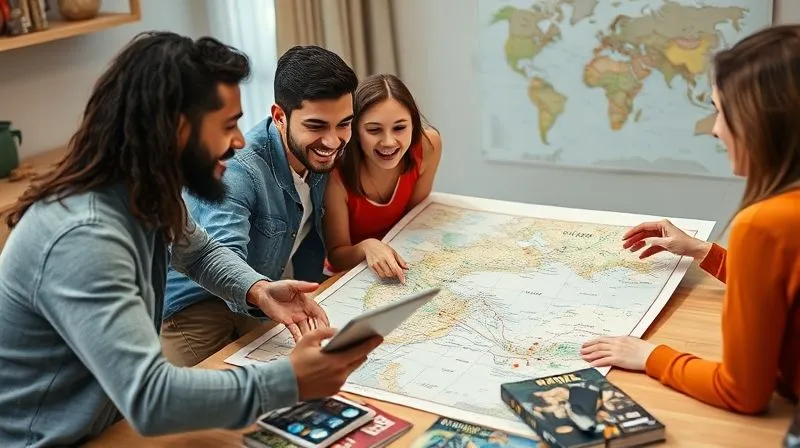
The battle against screen-induced boredom often starts long before you pack your bags. One of the most effective strategies I've championed is involving your teens in the trip planning process. This isn't just a token gesture; it's about giving them ownership, choice, and a voice in what the family will experience.
Actionable Steps for Collaborative Planning:
- Hold a Family Travel Summit: Gather everyone to discuss potential destinations and activities. Present a few options that align with your budget and travel style, but let them research and advocate for their preferences.
- Allocate a 'Teen Choice' Budget: Give each teen a small, designated budget for one activity or experience they get to choose entirely. This could be a specific museum, a unique restaurant, or an adventure sport.
- Assign Research Roles: Task them with researching specific aspects of the trip – 'You're in charge of finding the best local food spots,' or 'Your mission is to uncover unique historical facts about our destination.'
- Discuss Screen Time Guidelines Proactively: Before departure, establish clear, mutually agreed-upon screen time rules. Frame it as 'making the most of our adventure' rather than a punishment. Perhaps screens are allowed during travel days but limited to specific times or locations once at the destination.
“The greatest gift you can give your children is the roots of responsibility and the wings of independence. Involving them in travel planning cultivates both.” – An experienced mentor in family dynamics.
This collaborative approach transforms the trip from 'something being done to them' into 'an adventure we're creating together.' Their investment in the planning naturally translates into greater engagement during the trip itself.
Adventure Awaits: Crafting Experiences that Spark Curiosity
Teens crave excitement, novelty, and a sense of accomplishment. Passive sightseeing often falls flat. To truly engage them without screen time, you need to design experiences that tap into their innate desire for adventure and discovery. Think beyond the typical tourist traps and focus on immersive, hands-on activities.
Case Study: The Miller Family's Alaskan Adventure
The Miller family, with two notoriously screen-addicted teenagers, Sarah (16) and Tom (14), approached me for advice on their upcoming Alaskan cruise-tour. Their previous trips had been marred by constant phone use. I suggested they pivot from passive observation to active participation. Instead of just viewing glaciers, they booked a kayaking excursion through glacial fjords. Instead of just a bus tour, they opted for a guided wildlife photography workshop and a gold panning experience. The result? Sarah, who barely looked up from her phone at home, became obsessed with capturing the perfect eagle shot, even waking up early. Tom discovered a hidden talent for identifying local flora and fauna, sharing his discoveries enthusiastically. Their phones remained in their backpacks for most of the daylight hours, forgotten amidst the thrill of discovery. This active engagement transformed their trip from a potential battleground into a shared journey of awe and learning.
Ideas for Active, Experiential Travel:
- Local Workshops: Cooking classes, pottery making, street art tours, or even survival skills courses relevant to your destination.
- Outdoor Challenges: Hiking to a summit, white-water rafting, zip-lining, rock climbing, or even a multi-day trek.
- Unique Tours: Ghost tours, underground city explorations, historical reenactments, or behind-the-scenes access to local industries.
- Voluntourism: Spending a day helping a local conservation project or community initiative can be incredibly impactful and perspective-shifting.
As Forbes often highlights, experiential learning is a powerful tool for personal development. When teens are actively doing, creating, and discovering, their brains are alight with engagement, leaving little room for digital distractions.
Gamification and Challenges: Turning Travel into an Interactive Quest
One of the reasons screens are so addictive for teens is the element of gamification – challenges, rewards, and a sense of progress. We can harness this same psychology to make travel more engaging. By turning aspects of your trip into games or friendly competitions, you can tap into their natural competitive spirit and desire for accomplishment.
Examples of Travel Games and Challenges:
- Photo Scavenger Hunt: Create a list of specific items, scenes, or people to photograph (e.g., 'a blue door,' 'someone wearing a funny hat,' 'a local delicacy').
- Travel Bingo: Design bingo cards with common travel sights or experiences (e.g., 'see a street performer,' 'hear a foreign language,' 'try a new fruit').
- 'I Spy' (Advanced Edition): Focus on specific architectural details, historical markers, or unique flora/fauna.
- Destination Debates: Assign each teen a landmark or historical figure to research and then debate its significance or impact.
- Family Travel Journal Challenge: Provide each family member with a journal and challenge them to write or draw about their favorite moment of the day, with a small prize for the most creative entry.
These activities not only keep them occupied but also encourage them to observe their surroundings more closely, interact with local culture, and communicate with family members. It's an excellent way to engage bored teens on family trips without screen time by redirecting their competitive energy.
| Game Idea | Engagement Level | Prep Time | Materials |
|---|---|---|---|
| Photo Scavenger Hunt | High | Medium | Camera/Phone (for photos, not browsing) |
| Travel Bingo | Medium | Low | Printed cards, pens |
| Destination Debates | High | High | Research materials |
| Local Cuisine Challenge | Medium | Low | Adventurous palate |
| Nature Observation Log | Medium | Low | Notebook, pen |

The Power of Storytelling and Shared Narratives
Humans are inherently wired for stories. Travel provides an endless wellspring of narrative opportunities. Encouraging storytelling, both about your current adventures and past family trips, can be a powerful way to foster connection and keep teens engaged without a screen.
Prompts for Storytelling and Discussion:
- 'What was the most surprising thing you learned today?'
- 'If you could rename this place, what would you call it and why?'
- 'Imagine you're a character from history who lived here. What would your day be like?'
- 'What's one thing you saw today that made you think differently?'
- 'If you had to describe our trip in three words, what would they be?'
Beyond verbal storytelling, encourage journaling. Provide each teen with a beautiful, sturdy journal and a nice pen. Suggest they document their thoughts, sketch what they see, or even write short stories inspired by their surroundings. This private activity can be incredibly therapeutic and a wonderful way for them to process their experiences. Shared travel diaries, where each family member contributes a page or a drawing daily, can also become treasured keepsakes.
Embracing Downtime: The Art of Unscheduled Connection
It's a common mistake to overschedule family trips, leaving no room for spontaneous moments. While structured activities are important, equally vital is embracing downtime. These are the moments when genuine conversations happen, when you discover a hidden alleyway, or simply relax and observe the world around you.
Ideas for Organic Connection During Downtime:
- Board Games and Card Games: Pack a few travel-friendly games. A competitive game of Uno or a strategic session of Settlers of Catan can be incredibly engaging.
- Reading Aloud: Choose a book related to your destination's history or culture and take turns reading chapters.
- Simple Conversations: Sometimes, the best engagement comes from simply sitting together, observing people, and discussing what you see. 'What do you think their story is?' 'Why do you think that building was designed that way?'
- Stargazing: If you're in a rural area, dedicate an evening to looking at the stars. Download a star-chart app (on a shared device, perhaps?) to identify constellations.
These moments of unstructured connection are often where the deepest memories are forged. They teach patience, observation, and the joy of simply being present with one another. It's a subtle yet effective answer to how to engage bored teens on family trips without screen time, fostering a sense of calm and togetherness.

Culinary Explorations: Engaging Through Local Flavors
Food is a universal language and an incredible gateway to culture. Engaging your teens through culinary experiences can be a highly effective, screen-free way to explore a new destination. It appeals to their senses, encourages adventurous eating, and provides hands-on learning.
Ideas for Culinary Engagement:
- Cooking Classes: Sign up for a family cooking class focused on local cuisine. Learning to make pasta in Italy or tacos in Mexico is an unforgettable experience.
- Market Visits: Explore local markets together. Challenge your teens to identify unusual fruits, vegetables, or spices. Let them choose ingredients for a picnic lunch.
- Food Tours: Book a guided food tour where you sample various local delicacies and learn about their history and significance.
- 'Chef's Challenge': Give each teen a small budget to buy ingredients for a specific dish or snack they have to prepare (with supervision) back at your accommodation.
- Restaurant Roulette: Let a teen pick a restaurant based on its appearance or menu, encouraging them to step out of their comfort zone.
These activities encourage curiosity, interaction with locals, and a deeper appreciation for the culture you're visiting. They also provide plenty of conversation starters during and after the meals.
| Activity | Engagement Level | Cultural Immersion | Best For |
|---|---|---|---|
| Cooking Class | High | Deep | All ages, especially foodies |
| Local Market Exploration | Medium-High | Moderate | Curious teens, photographers |
| Street Food Tour | High | Deep | Adventurous eaters |
| Restaurant Roulette | Medium | Varies | Teens who like control |
| Farm-to-Table Experience | High | Deep | Teens interested in sustainability |
Tech-Savvy Without the Screen: Leveraging Gadgets for Good
The goal isn't to ban all technology, but to redefine its role. Some gadgets, when used intentionally, can enhance the travel experience and provide screen-free engagement. The key is to shift from passive consumption to active creation or utility.
Screen-Free Tech Ideas for Teens on Trips:
- Digital Cameras (Non-Phone): Provide a dedicated digital camera or even an instant print camera. The act of composing a shot, learning camera settings, and waiting for prints can be incredibly engaging.
- GoPros/Action Cameras: Perfect for capturing adventure activities like snorkeling, hiking, or zip-lining. Teens can focus on the action, not on scrolling.
- Drones: If your destination allows, a small drone can offer a unique perspective for photography and videography, turning them into aerial storytellers. (Ensure you check local regulations!)
- Binoculars: Essential for wildlife viewing, bird watching, or simply observing distant landmarks.
- Portable Speakers: For enjoying music together, perhaps around a campfire or during a picnic, fostering a shared atmosphere.
By providing tools that encourage them to interact with their environment and create content, rather than passively consume it, you're transforming technology into an ally for engagement. This is a nuanced approach to how to engage bored teens on family trips without screen time, embracing their tech-savviness in a productive way.

Frequently Asked Questions (FAQ)
What if my teen absolutely refuses to participate in any screen-free activity? This can be challenging, but consistency and empathy are key. First, ensure you've involved them in the planning. If resistance persists, try offering choices within the screen-free options. 'Would you prefer the cooking class or the hiking trail today?' Avoid ultimatums. Sometimes, a teen just needs space. Schedule some independent downtime for them, but ensure it's not solely screen time. The goal is connection, not control.
How do I handle withdrawal symptoms from screens, like irritability or moodiness? Screen withdrawal is real. Acknowledge their feelings ('I know it's tough not having your phone right now'). Provide alternative comforts or distractions – a favorite snack, a comfortable quiet space, or a low-key activity like reading. Remind them of the 'why' – the amazing experiences they're having and the memories you're building together. This phase often passes as they discover new ways to engage.
Are there certain destinations better suited for screen-free engagement with teens? Absolutely. Destinations that inherently offer more hands-on activities, natural beauty, or unique cultural immersion tend to be more successful. Think national parks, adventure travel destinations (e.g., Costa Rica, Patagonia), historical cities with interactive museums, or places known for their vibrant local culture and cuisine. Less 'resort-centric' travel often encourages more outward engagement.
How much 'unstructured' time is too much, leading back to screens? It's a delicate balance. Too much unscheduled time can lead to boredom and a return to screens. Too little can lead to burnout and rebellion. I recommend a mix: plan one or two core activities for the day, leaving mornings or afternoons free for spontaneous exploration, relaxation, or the 'downtime' activities mentioned earlier. Communicate the schedule clearly so teens know what to expect.
What if my teen just wants to read their book or listen to music on their device? Is that considered 'screen time'? This is an important distinction. Reading a book (physical or e-reader) or listening to music with headphones is often a solitary, contemplative activity and generally less detrimental than endless social media scrolling or gaming. If they're reading or listening to music, they are still engaging their minds and often processing their surroundings, rather than being passively consumed by interactive digital content. Encourage physical books or dedicated e-readers over smartphones for this purpose, but differentiate it from typical 'screen time' battles.
Key Takeaways and Final Thoughts
- Involve Them Early: Give teens ownership in trip planning to boost engagement.
- Prioritize Experiences Over Sightseeing: Focus on hands-on activities, adventure, and cultural immersion.
- Gamify Your Trip: Turn exploration into interactive challenges and friendly competitions.
- Embrace Downtime Intentionally: Create space for organic connection through games, conversation, and observation.
- Leverage Tech Wisely: Encourage creative uses of technology like cameras and drones, rather than passive consumption.
- Lead by Example: Model the screen-free behavior you wish to see in your teens.
Engaging bored teens on family trips without screen time is not about imposing strict rules, but about creating an environment so rich with opportunity and connection that screens simply lose their appeal. It requires planning, empathy, and a willingness to step outside your comfort zone as a parent. Remember, these years are fleeting, and the memories you forge together through shared experiences, laughter, and genuine connection will be far more valuable than any digital distraction. Embrace the adventure, and watch your family bonds deepen in ways you never imagined possible.
Recommended Reading
- Unveiling Luxury Train Dining: 7 Key Factors to Compare Experiences
- 5 Proven Strategies: How to Get VIP Access for Clients at Sold-Out Events
- RV Business Travel & Taxes: 7 Critical Implications You Can't Ignore
- 7 Critical Steps: How to Assess Ice Thickness for Safe Winter Sports Events
- How Do Ski Resorts Adapt to Declining Snowfall? 7 Innovative Strategies





Your email address will not be published. Required fields are marked *