

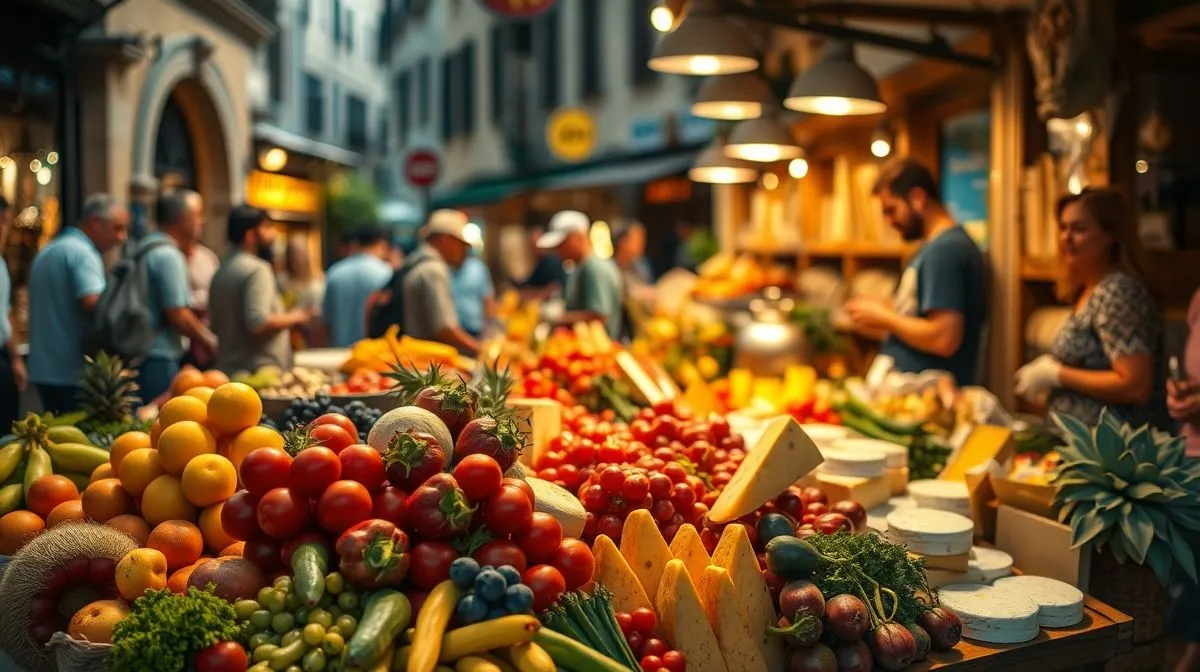
Unlocking Your Dream Culinary Journey: How to Choose the Right Culinary Tour Operator
Imagine the aroma of freshly baked bread wafting through a Parisian boulangerie, the vibrant spice of a street food stall in Bangkok, or the rich, earthy notes of a Tuscan wine aging in a centuries-old cellar. These aren't just meals; they're immersive cultural experiences, deeply woven into the fabric of a destination. For the passionate food lover, a culinary tour promises to transform a simple vacation into an unforgettable odyssey for the senses.
Yet, with an ever-growing smorgasbord of options available, the critical question arises: how to choose the right culinary tour operator that aligns perfectly with your gastronomic aspirations and travel style? The wrong choice can lead to disappointment, missed opportunities, and a diluted experience, turning your dream into a regrettable expense. Navigating the myriad of tour providers, understanding their offerings, and ensuring a truly authentic and high-quality experience requires careful consideration.
This comprehensive guide is designed to empower you with the knowledge and tools necessary to make an informed decision. By the end of this reading, you will understand the key factors that differentiate a good culinary tour operator from an exceptional one, ensuring your next food-focused adventure is everything you've ever dreamed of and more.
What Defines a Culinary Tour Operator? Beyond Just Food
A culinary tour operator is much more than a travel agency that includes a few restaurant reservations. They specialize in crafting experiences where food and drink are the central pillars, serving as conduits to understanding a culture, its history, and its people. Their expertise lies in curating itineraries that offer deep dives into local gastronomy, often providing access to experiences not readily available to independent travelers.
These operators act as your gastronomic guides, leading you through markets, farms, kitchens, and dining establishments, often introducing you to local chefs, artisans, and producers. They understand that food is a language, and a culinary tour is an immersive lesson in that language. It’s about the stories behind the dishes, the traditions that shape them, and the joy of sharing a meal.
The Spectrum of Culinary Experiences
Culinary tours come in various flavors, each catering to different interests and desired levels of engagement. Understanding these distinctions is crucial when you are trying to choose the right culinary tour operator for your specific desires.
- Hands-On Cooking Classes: These tours often include multi-day cooking instruction, focusing on regional cuisines and techniques. You might learn to make pasta in Italy, dim sum in China, or paella in Spain.
- Market to Table Journeys: Emphasizing the source of ingredients, these tours involve visits to local markets, farms, or fisheries, followed by a cooking session or a meal prepared with the fresh produce.
- Food and Wine/Beverage Tours: Beyond just meals, these focus on specific drinks, such as wine regions (e.g., Bordeaux, Napa Valley), craft beer trails, or coffee plantations. Tastings and pairings are central.
- Street Food Expeditions: Designed for the adventurous palate, these tours delve into the vibrant world of street food, often exploring hidden gems and local favorites that might be intimidating to navigate alone.
- Gourmet Dining Experiences: For those seeking Michelin-starred meals and fine dining, some tours curate exclusive access to top restaurants and chefs, often combined with cultural excursions.
- Regional Deep Dives: These tours focus intensively on the unique culinary identity of a specific region, exploring its signature dishes, ingredients, and culinary traditions in detail.
Each type offers a unique lens through which to experience a destination. Your personal preference for engagement, learning, and dining style will heavily influence which kind of tour, and therefore which operator, is best for you.
The Core Pillars: Researching Operator Reputation and Authenticity
The foundation of a successful culinary tour lies squarely with the operator's reputation and their commitment to authenticity. In an age where anyone can set up a website, discerning genuine expertise from superficial offerings is paramount. This diligence is a key step in determining how to choose the right culinary tour operator.
Reviews and Testimonials: More Than Just Stars
Online reviews are invaluable, but they require a discerning eye. Don't just look at the star rating; delve into the comments themselves. Look for recurring themes, both positive and negative. Pay attention to specifics:
- Were the guides knowledgeable and engaging?
- Was the food quality consistent and authentic?
- Were logistics handled smoothly (transport, timing)?
- How did the operator handle unexpected issues or changes?
- Did the tour deliver on its promises and meet expectations?
Beyond major platforms like TripAdvisor or Google Reviews, seek out reviews on specialized travel forums, food blogs, or culinary travel communities. These often provide more nuanced and detailed insights from fellow food enthusiasts. Be wary of operators with only a few, overly enthusiastic, or generic reviews, as these can sometimes be fabricated or misleading. For a deeper understanding of how to interpret online reviews, consider resources like the Federal Trade Commission's guidance on spotting fake reviews, which offers valuable insights applicable across industries.
Local Connections and Authenticity
The hallmark of a truly exceptional culinary tour operator is their deep, genuine connection to the local community. This is where authenticity truly shines. An operator with strong local ties can offer:
- Exclusive Access: Visits to private kitchens, family farms, or behind-the-scenes tours of food production facilities.
- Genuine Interactions: Opportunities to meet and learn from local chefs, artisans, and home cooks, fostering cultural exchange.
- Uncharted Territory: Discovery of hidden gems and local favorites that wouldn't appear in standard guidebooks.
- Ethical Practices: Assurance that your tourism dollars are directly supporting the local economy and traditional practices.
Inquire about the operator's relationships with local vendors, guides, and communities. Do they employ local guides? Do they source ingredients from local farms for cooking classes? These details indicate a commitment to providing an authentic experience rather than a superficial, tourist-trap version of the local cuisine.
Decoding the Itinerary: What to Look for in a Culinary Journey
The itinerary is the blueprint of your culinary adventure, and scrutinizing it is a crucial step in understanding how to choose the right culinary tour operator. A well-crafted itinerary promises not just a sequence of events, but a cohesive and enriching narrative.
Balance of Activities and Free Time
While the allure of non-stop culinary immersion is strong, a truly great itinerary strikes a balance between structured activities and personal exploration. An overly packed schedule can lead to exhaustion and prevent genuine appreciation of each experience. Look for itineraries that:
- Include dedicated time for exploration, shopping, or simply relaxing.
- Vary the pace, perhaps alternating intense cooking days with leisurely market visits or scenic drives.
- Offer optional activities, allowing you to tailor the experience to your energy levels and interests.
Remember, a vacation is also about unwinding. Ensure there's space for spontaneity and personal discovery.
Culinary Focus and Diversity
Examine the culinary elements of the itinerary in detail. Is the focus too broad or too narrow for your taste? For instance, a tour labeled 'Italian Culinary Journey' might include everything from pizza in Naples to truffles in Piedmont, or it might be highly specialized on Tuscan cuisine. Clarify the specific types of food experiences included:
- Are cooking classes hands-on or demonstrations?
- How many meals are included, and what is their typical style (casual, fine dining, street food)?
- Are there opportunities for food pairings with local wines, beers, or spirits?
- Does it explore diverse aspects of the local food scene, or is it repetitive?
Ask about dietary accommodations upfront. A good operator will be transparent about their ability to cater to specific needs, though some highly specialized tours may have limitations.
Accommodation and Logistics
The quality of accommodation and the smoothness of logistics significantly impact your overall experience. Consider:
- Accommodation Style: Are they boutique hotels, charming B&Bs, or more standard chain hotels? Do they reflect the local culture?
- Location: Are the accommodations centrally located or conveniently situated for the planned activities?
- Transportation: How will you get from one location to another? Is it private transport, public transport, or walking? Is it comfortable and efficient?
- Group Size: Smaller groups (typically 8-16 people) often allow for more intimate experiences, personalized attention, and easier access to local interactions. Larger groups can feel less personal and more rushed.
Details about these elements speak volumes about the operator's commitment to comfort and efficiency.
Understanding Costs and Value: Beyond the Price Tag
When evaluating a culinary tour operator, the sticker price is only one piece of the puzzle. True value encompasses what's included, what's excluded, and the overall quality of the experience. This financial scrutiny is a vital component of deciding how to choose the right culinary tour operator for your budget and expectations.
What's Included and What's Not?
Thoroughly review the 'inclusions' and 'exclusions' sections of the tour description. What might seem like a great deal could quickly become expensive with hidden costs. Common inclusions often cover:
- Accommodation
- Most meals (breakfast, lunch, dinner)
- Cooking classes and food experiences
- Local transportation during the tour
- Entrance fees to attractions
- Guided tours and expert fees
However, common exclusions can include:
- International airfare to and from the destination
- Travel insurance (often mandatory)
- Some meals (e.g., 'dinners on your own')
- Alcoholic beverages outside of specific tastings
- Personal expenses (souvenirs, extra snacks)
- Tips/gratuities for guides, drivers, and local staff
- Visa fees or airport taxes
Always clarify what is covered to avoid unpleasant surprises. A transparent operator will provide a clear breakdown of costs.
Cancellation Policies and Insurance
Life happens, and plans can change. Understanding the operator's cancellation and refund policy is crucial. Look for clear terms regarding:
- Deposit requirements and refundability
- Deadlines for full or partial refunds
- Fees associated with changes or cancellations
- What happens if the operator cancels the tour (e.g., minimum participant numbers not met)
Most importantly, always invest in comprehensive travel insurance. This should cover trip cancellation, interruption, medical emergencies, and lost luggage. Some operators may even require proof of insurance. For guidance on what to look for in travel insurance, reputable government travel advisories, such as those provided by the U.S. Department of State, offer excellent recommendations on coverage types and necessities.
Safety, Sustainability, and Ethical Practices: Traveling Responsibly
Beyond personal enjoyment, a responsible traveler considers the broader impact of their journey. A reputable culinary tour operator should demonstrate a strong commitment to safety, sustainability, and ethical practices. This aspect is increasingly important when considering how to choose the right culinary tour operator in the modern travel landscape.
Health and Safety Protocols
Food safety is paramount on a culinary tour. Inquire about the operator's protocols regarding:
- Food Handling: How do they ensure the food served is safe and hygienic, especially in street food settings?
- Dietary Restrictions: How are allergies and dietary needs communicated and managed with local vendors and chefs?
- General Safety: What are their emergency procedures? Are guides trained in first aid? Do they monitor local safety advisories?
- Transportation Safety: Are vehicles well-maintained and drivers properly licensed?
A professional operator will have clear answers and robust plans for ensuring your well-being throughout the trip.
Sustainable and Ethical Tourism
Responsible tourism aims to minimize negative impacts and maximize benefits for local communities and environments. A good culinary tour operator will:
- Support Local Economies: Prioritize local businesses, farmers, and artisans, ensuring that tourism dollars directly benefit the community.
- Minimize Environmental Footprint: Promote practices like reducing waste, conserving water, and using eco-friendly transportation where possible.
- Respect Local Culture: Educate travelers on local customs, traditions, and etiquette, encouraging respectful interactions.
- Animal Welfare: Avoid any activities that exploit animals for tourism purposes.
Seek out operators who are transparent about their sustainability initiatives or are certified by recognized sustainable tourism bodies. Organizations like the Global Sustainable Tourism Council (GSTC) provide standards for sustainable travel practices, and an operator's adherence to such principles is a strong indicator of their ethical commitment.
Red Flags to Watch Out For: Avoiding Culinary Tour Pitfalls
While the majority of culinary tour operators are reputable, it's wise to be aware of potential warning signs that could indicate a less-than-ideal experience. Being vigilant about these red flags will significantly help you choose the right culinary tour operator and avoid disappointment.
- Prices That Seem Too Good to Be True: While everyone loves a deal, extremely low prices might signal compromises on quality of food, accommodation, guides, or inclusions.
- Vague Itineraries: Lack of specific details about daily activities, meal types, or accommodation names can be a sign of disorganization or a lack of firm plans.
- Poor or Non-Existent Communication: If an operator is slow to respond to inquiries, provides unclear answers, or lacks professional communication channels, it's a major red flag.
- No Reviews or Only Overly Positive, Generic Reviews: As mentioned, a complete absence of reviews or a suspiciously perfect set of reviews with no specific details should raise suspicion.
- Lack of Transparency on Inclusions/Exclusions: An unwillingness to provide a detailed breakdown of what's included and what's not suggests potential hidden costs.
- No Mention of Safety or Dietary Protocols: A reputable operator will proactively address these crucial aspects.
- High-Pressure Sales Tactics: Be wary of operators pushing for immediate booking with unrealistic deadlines or aggressive sales pitches.
- Unrealistic Promises: Be skeptical of claims that seem too grand or promise experiences that defy logistical realities.
Trust your gut feeling. If something feels off, it's usually best to explore other options.
Practical Tips for Vetting Your Culinary Tour Operator
Now that you understand the key criteria, here are some actionable tips to help you confidently choose the right culinary tour operator for your next gastronomic adventure:
- Define Your Priorities: Before you even start looking, determine what matters most to you: budget, type of cuisine, level of activity, group size, luxury vs. rustic, etc.
- Read Multiple Reviews from Diverse Sources: Don't rely on just one platform. Cross-reference reviews from travel sites, blogs, and social media.
- Contact the Operator Directly: Ask specific questions about anything unclear in the itinerary, their safety protocols, dietary accommodations, and local connections. Pay attention to their responsiveness and clarity.
- Check for Accreditations and Affiliations: While not always necessary, membership in reputable travel industry associations can indicate adherence to certain standards.
- Request References (if applicable): For higher-end or custom tours, some operators may be willing to provide references from past clients.
- Compare Apples to Apples: When comparing different tours, ensure you're looking at similar inclusions, quality of accommodation, and length of trip.
- Understand Their Expertise: Does the operator specialize in culinary tours, or is it just one offering among many? Specialization often correlates with deeper expertise.
- Listen to Your Intuition: After gathering all the information, if an operator doesn't feel right, keep looking. Your peace of mind is invaluable.
Frequently Asked Questions (FAQ)
What's the ideal group size for a culinary tour? The ideal group size often depends on personal preference, but generally, smaller groups (8-16 participants) allow for more intimate experiences, better interaction with local hosts, and greater flexibility. Larger groups might offer cost savings but can feel less personal.
Do I need prior cooking experience to join a culinary tour? No, most culinary tours are designed for enthusiasts of all skill levels, from beginners to experienced home cooks. The focus is often on cultural immersion and enjoyment rather than professional culinary training. Specific tours might be tailored for advanced cooks, but this will be clearly stated.
How far in advance should I book a culinary tour? Popular culinary tours, especially those with limited group sizes or during peak season, can book up quickly. It's advisable to book at least 6-12 months in advance for international tours, and 3-6 months for domestic ones, to ensure availability and potentially better pricing.
Can dietary restrictions be accommodated on culinary tours? Most reputable culinary tour operators strive to accommodate common dietary restrictions (vegetarian, gluten-free, allergies) if informed in advance. However, the extent of accommodation can vary by destination and the nature of the tour. Always communicate your needs clearly and early to the operator for confirmation.
What's the difference between a food tour and a culinary tour? A 'food tour' is typically a shorter, often half-day or full-day experience focused on tasting and sampling dishes, usually in a specific neighborhood or market. A 'culinary tour' is generally a multi-day, immersive travel experience that goes beyond just tasting, often including cooking classes, farm visits, interactions with producers, and a deeper dive into the region's food culture.
Recommended Reading
- Epic Family Friendly National Park Road Trips USA: Your Ultimate Guide
- Unlock Cheap Train Travel: How to Journey Without a Rail Pass!
- Space Tourism for All? The Future of Affordable Space Travel
- Solo & Social: Your Guide to the Best International Festivals
- Rail Pass or Not? Europe Backpacking: Are Rail Passes Worth It?
Conclusion
Embarking on a culinary tour is an incredible way to explore the world through its most delicious lens. The journey of how to choose the right culinary tour operator is not merely about booking a trip; it's about carefully selecting a partner who will unlock authentic experiences, ensure your safety, and deliver exceptional value. By meticulously researching reputation, scrutinizing itineraries, understanding costs, and prioritizing ethical practices, you equip yourself to make an informed decision.
Remember, your dream culinary adventure awaits. With the insights provided in this guide, you are now well-prepared to identify the operator that will transform your gastronomic aspirations into a truly unforgettable reality. Go forth, explore, and savor every moment of your delicious journey!





Your email address will not be published. Required fields are marked *