


How to Vet Unique City Walking Tours for High-Stakes Client Entertainment?
For over 15 years in the bespoke travel and corporate hospitality sector, I've seen countless companies invest heavily in client entertainment, only to fall short because they overlooked the critical details that transform a mere activity into a truly memorable and impactful experience. The stakes are always high when you're dealing with key clients – their impression of your brand is on the line, and a misstep can cost you more than just the event budget.
The challenge isn't just finding a walking tour; it's about identifying an experience that resonates deeply, offers genuine exclusivity, and impeccably reflects your brand's commitment to excellence. Many assume a 'unique' tour is enough, but for high-stakes client entertainment, 'unique' is merely the starting point. The real pain point lies in the intricate process of vetting, customizing, and executing an experience that not only entertains but also subtly reinforces relationships and business objectives, all while maintaining an air of effortless sophistication.
This article will equip you with a definitive, expert-driven framework to navigate this complex landscape. I'll share my proven methodologies, actionable steps, and insider insights, ensuring you can confidently vet and select city walking tours that don't just meet, but exceed the lofty expectations of your most valued clients. We'll move beyond generic advice to provide a strategic blueprint for crafting truly unforgettable and impactful client engagements.
Understanding the 'High-Stakes' Element: Beyond Just a Stroll
Before we dive into the specifics of vetting, it's crucial to internalize what 'high-stakes' truly means in this context. It's not just about the cost of the tour; it's about the potential return on investment (ROI) in terms of client loyalty, future business, and strengthened relationships. A high-stakes client interaction demands precision, discretion, and an understanding that every detail reflects on your brand.
In my experience, the biggest mistake companies make is treating client entertainment as a mere checklist item rather than a strategic opportunity. This isn't a casual outing; it's an extension of your business development efforts, designed to foster deeper connections in a relaxed yet refined setting. The tour must be an experience that clients will genuinely talk about positively, one that subtly showcases your attention to detail and appreciation for their time.
Expert Insight: "For high-stakes client entertainment, the tour itself is merely the stage. The true performance is the relationship building that occurs within that carefully curated environment. Authenticity, exclusivity, and impeccable execution are non-negotiable."
Phase 1: Defining Your Client's Persona and Objectives
The foundation of a successful high-stakes client event is a clear understanding of your audience and your goals. Without this, even the most 'unique' tour can fall flat. I always begin by asking: Who are these clients, and what do we aim to achieve?
1.1. Deep Dive into Client Preferences and Demographics
This isn't about guesswork. It's about data and informed intuition. What are their known interests? Are they art enthusiasts, history buffs, foodies, or perhaps interested in urban innovation? Consider their cultural background, age group, and prior experiences. A group of tech executives might appreciate a tour focused on a city's smart infrastructure, while a group of investors might prefer a deep dive into historical financial districts. According to a Harvard Business Review article on corporate hospitality, personalization is key to making a lasting impact.
Actionable Steps for Persona Mapping:
- Review CRM Data: Scrutinize past interactions, notes on personal interests, and previous event feedback.
- Consult Account Managers: They are your frontline intelligence. Ask for specific anecdotes and preferences.
- Observe Industry Trends: What are their peers or competitors doing? What experiences are currently trending in their sphere?
- Identify Potential Dislikes: Equally important is knowing what to avoid. Are there any sensitivities or strong aversions?
1.2. Articulating Your Business Objectives
What is the underlying purpose of this entertainment? Is it to:
- Strengthen existing relationships? Focus on comfort, shared experiences, and subtle networking.
- Introduce a new product/service? Look for tours that can subtly tie into your offering or provide a relevant backdrop.
- Onboard new clients? Emphasize hospitality, cultural immersion, and making them feel valued.
- Reward loyalty? Prioritize exclusivity, luxury, and an unparalleled experience.
Having these objectives clearly defined will act as your compass throughout the vetting process.
Phase 2: The Deep Dive – Unpacking Tour Operator Credentials
This is where the rubber meets the road. Many tour operators claim 'unique' offerings, but for high-stakes clients, you need to go far beyond their marketing brochure. My vetting process is rigorous and leaves no stone unturned.
2.1. Scrutinizing Reputation and Track Record
A reputable operator for high-stakes clients will have a proven history of delivering exceptional, discreet experiences. Look for:
- Client Testimonials (Specific): Not just general praise, but specific feedback from corporate or high-net-worth clients.
- Industry Recognition: Awards, affiliations with luxury travel networks, or mentions in prestigious publications.
- Longevity and Stability: Newer operators might be innovative, but established ones often have deeper local connections and robust contingency plans.

2.2. Expertise of Guides: More Than Just Storytellers
For high-stakes tours, guides are not just narrators; they are cultural ambassadors and facilitators of experience. They must possess:
- Deep, Niche Knowledge: Beyond general history, they should have specialized expertise relevant to your chosen theme.
- Exceptional Communication Skills: Articulate, engaging, adaptable to group dynamics, and fluent in multiple languages if required.
- Discretion and Professionalism: Understanding the nuances of corporate client interactions, maintaining appropriate boundaries, and handling sensitive information.
- Problem-Solving Acumen: The ability to smoothly handle unexpected situations without disrupting the client experience.
Actionable Step: Insist on a video call or even a brief in-person meeting with the specific guide who would lead your tour. This allows you to assess their personality, communication style, and depth of knowledge firsthand. Don't underestimate this step; the guide can make or break the experience.
2.3. Customization Capabilities and Flexibility
A truly unique experience isn't off-the-shelf. The operator must demonstrate a willingness and capability to:
- Tailor Itineraries: Adjust routes, duration, and points of interest based on client preferences and energy levels.
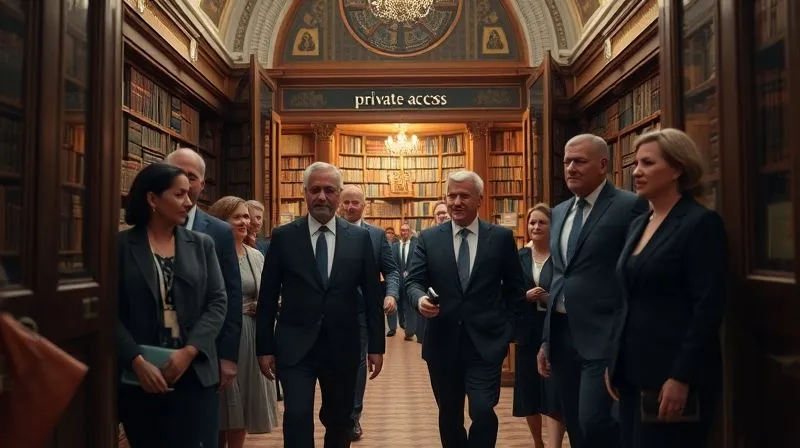
- Integrate Bespoke Elements: Can they arrange private access to venues, unique tastings, or meet-and-greets with local experts?
- Accommodate Special Requests: Dietary restrictions, accessibility needs, or specific timing requirements must be handled seamlessly.
Ask for examples of past custom tours they've designed for similar clients. A generic response is a red flag.
2.4. Reviewing Operational Excellence and Safety Protocols
This covers the unglamorous but vital aspects:
- Logistics Management: How do they handle transportation to/from the starting point, breaks, and pacing?
- Insurance and Licensing: Verify that they are fully insured and licensed to operate in the region. This is non-negotiable.
- Emergency Procedures: What are their protocols for medical emergencies, lost guests, or inclement weather?
- Quality of Equipment: Are audio guides reliable? Is any necessary equipment (e.g., umbrellas, water) of high quality?
Case Study: Elevating Client Engagement for Apex Investments
Apex Investments, a global private equity firm, sought to entertain a delegation of high-net-worth Asian clients in London. Their previous attempts with standard luxury bus tours had been met with polite but unenthusiastic feedback. They turned to me with the challenge of creating an unforgettable, culturally sensitive experience.
By implementing Phase 1 and 2 of my framework, we first identified the clients' deep interest in both historical architecture and the evolution of financial markets. We then vetted three top-tier operators, ultimately selecting one known for its academic-level guides and unparalleled access.
The chosen tour was a bespoke 'Financial History of the City of London' walking tour. It wasn't just about buildings; it included: a private, pre-opening visit to the Bank of England Museum, a curated discussion with a retired City broker over artisan coffee, and a walk through hidden courtyards illustrating centuries of trade. The guide was a former economic historian with impeccable English and Mandarin fluency, hand-picked for his gravitas and engaging storytelling.
The result? The clients were genuinely captivated. Feedback lauded the 'unparalleled insight' and 'effortless sophistication' of the experience. Apex Investments reported a significant strengthening of relationships and several follow-up meetings, directly attributing the positive atmosphere to the unique and meticulously planned tour. This demonstrated a clear ROI, transforming a routine client visit into a genuine relationship-building success.
Phase 3: Crafting the Bespoke Narrative and Experience Flow
Once you've identified potential operators, it's time to collaborate on the actual tour design. This is where the 'unique' truly takes shape, moving from concept to a tangible, compelling narrative.
3.1. Developing a Unique Theme and Narrative Arc
Think beyond generic themes. Can you weave a story that connects the city's history, culture, or innovation with your client's industry or interests? For instance, a pharmaceutical client might appreciate a tour focusing on the history of medicine or botanical discoveries in a city, rather than just general landmarks. The narrative should have a natural flow, building interest and discovery.
3.2. Incorporating Exclusive Access and 'Wow' Moments
High-stakes clients expect more than what the average tourist gets. Prioritize elements that offer a sense of privilege:
- Private Viewings: After-hours access to a museum wing, a gallery opening, or a historic private residence.
- Expert Encounters: A brief Q&A with a local artisan, historian, or chef during the tour.
- Sensory Experiences: Exclusive tastings (wine, local delicacies), a private musical performance in a historic setting, or a hands-on workshop.
These are the moments that truly differentiate an experience and create lasting memories. As luxury travel expert Peter Greenberg often emphasizes, it's about providing access to the inaccessible.
3.3. Pacing, Breaks, and Comfort Considerations
Even the most fascinating tour can become tiresome if poorly paced. Consider:
- Duration: For walking tours, 2-3 hours is often ideal, especially for high-stakes clients who may have other commitments or limited stamina for extensive walking.
- Breaks: Integrate comfortable, high-quality breaks. This could be a coffee at an elegant patisserie, a drink at a historic pub, or a seated pause in a beautiful park.
- Comfort: Ensure the walking surfaces are manageable, and consider weather contingencies (e.g., umbrellas, water, light refreshments).
| Aspect | High-Stakes Expectation | Common Pitfall |
|---|---|---|
| Guide Expertise | Niche specialist, fluent in multiple languages, impeccable discretion, engaging storyteller | Generalist guide, rote memorization, lack of adaptability |
| Exclusivity | Private access, bespoke interactions, unique 'money-can't-buy' moments | Public tour disguised as private, standard itinerary, no special access |
| Logistics & Comfort | Seamless transitions, luxury transport options, tailored pace, contingency plans | Disorganized schedule, uncomfortable breaks, inadequate weather prep |
| Post-Tour Follow-up | Subtle feedback channels, personalized thank-yous, discreet data capture | No follow-up, generic thank-you, missed opportunity for insights |
Phase 4: Logistics, Contingencies, and Discretion – The Unseen Essentials
The success of a high-stakes client event often hinges on what goes unseen – the meticulous planning that ensures everything runs flawlessly, even when the unexpected occurs. Discretion is paramount here.
4.1. Seamless Transportation and Rendezvous Points
Clients should never have to worry about how to get to the tour's starting point or back to their next engagement. Arrange for:
- Luxury Transportation: Private cars or executive vans for transfers to and from the tour.
- Clear Instructions: Provide precise meeting points and times, ideally with a dedicated contact person.
- On-Site Coordination: Have a point person (either from your team or a trusted operator) at the meeting point to greet clients and manage any last-minute issues.
4.2. Robust Contingency Planning
What happens if it rains unexpectedly? Or if a client needs to leave early? Or if a key location is suddenly closed? Having pre-planned alternatives is a mark of true professionalism.
- Weather Alternatives: Indoor options, sheltered routes, high-quality umbrellas readily available.
- Route Flexibility: Guides should know alternative paths or points of interest if a specific area is unexpectedly crowded or closed.
- Medical Preparedness: Guides should be first-aid trained, and emergency contact information for all guests should be easily accessible.
- Client Departure Protocols: Clear procedures if a client needs to cut their tour short, ensuring they are safely and discreetly transported.
4.3. Mastering Discretion and Privacy
For high-stakes clients, privacy is often as valuable as exclusivity. This means:
- Avoiding Crowds: Whenever possible, schedule tours during off-peak hours or utilize private access.
- Subtle Branding: While your brand should be present, avoid overt corporate branding on materials or vehicles. Elegance and subtlety are key.
- Confidentiality: Ensure all tour staff understand the importance of client confidentiality and professional conduct.
- No Surprises: Inform clients beforehand if there will be any photo opportunities (and obtain consent) or if sensitive topics might be discussed.
Phase 5: The Post-Tour Debrief – Measuring Success and Refining Strategy
The experience doesn't end when the tour concludes. The post-tour phase is critical for capturing insights, measuring success, and informing future client engagement strategies. This is an often-overlooked step that separates good from truly exceptional client relationship management.
5.1. Discreet Feedback Collection
Directly asking 'Did you enjoy it?' can be awkward. Instead, employ more subtle methods:
- Account Manager Insights: Debrief with the client's account manager for their observations and any direct feedback they received.
- Follow-up Communication: A personalized thank-you note or email can subtly invite comments. "We hope you enjoyed the unique insights into [city aspect]. Is there anything that particularly stood out to you?"
- Guide's Observations: A good guide will be attuned to client reactions and can provide valuable, discreet feedback on engagement levels.
5.2. Internal Review and KPI Measurement
Internally, conduct a thorough review:
- Compare Against Objectives: Did the tour meet the business objectives set in Phase 1? (e.g., improved relationship scores, new business discussions initiated).
- Evaluate Operator Performance: Assess the tour operator and guide against all vetting criteria. Document strengths and areas for improvement.
- Budget vs. Value: Analyze the cost-effectiveness. Was the investment justified by the client impact?
- Data for Future Planning: Create a database of successful tours, client preferences, and preferred operators for future reference.
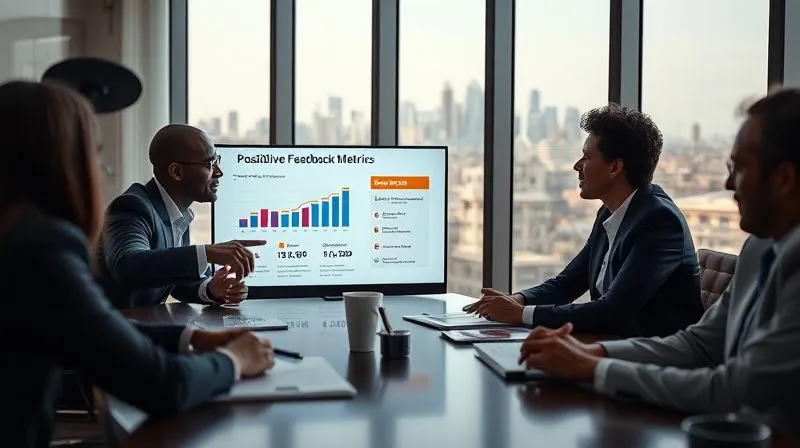
According to a Forbes article on client experience, every interaction contributes to your brand's narrative. The post-tour debrief ensures that you're not just reacting, but proactively shaping that narrative.
| Metric | Pre-Tour Baseline | Post-Tour Measured Value | Impact |
|---|---|---|---|
| Client Engagement Score | N/A | 8.5/10 (based on qualitative feedback) | Significantly improved client interaction quality |
| Follow-up Meeting Conversion | 70% | 95% | Directly correlated with positive tour experience |
| Client Referrals (Soft Metric) | Low | Increased inquiries, positive word-of-mouth | Enhanced brand reputation and network reach |
Frequently Asked Questions (FAQ)
What if my clients have very diverse interests? How do I choose a single tour? This is a common challenge. My advice is to focus on a theme that offers broad appeal within a sophisticated context. For example, a culinary history tour can appeal to foodies and history buffs alike, offering both cultural immersion and gastronomic delights. Alternatively, consider a 'choose-your-own-adventure' segment where clients can opt for one of two parallel, shorter experiences during a planned break, before reconvening. Always prioritize a theme that subtly aligns with your brand values and business objectives, ensuring it's not overtly niche to alienate anyone.
How do I ensure discretion for high-profile clients during the tour? Discretion starts with the operator. Insist on a private tour, never a public one. Brief the guide extensively on client profiles and confidentiality requirements. Choose less crowded times or routes where possible. Use unmarked luxury transportation. Most importantly, communicate clearly with the clients themselves about the private nature of the tour and any expectations regarding photography or public interaction. A good guide will act as a buffer, subtly managing any unwanted attention.
Is it always necessary to do a site visit or a 'dry run' of the tour? For truly high-stakes clients or if you're using a new operator, a dry run is highly recommended, if not essential. This allows you to experience the pace, assess the guide's style, confirm logistics, and identify any potential pain points or 'un-unique' elements firsthand. If a full dry run isn't feasible, at minimum, walk the route yourself, and have a detailed video call with the guide to discuss every segment. It's an investment that pays dividends in confidence and flawless execution.
How can I incorporate my company's brand without being overtly corporate or intrusive? The key is subtlety and integration. Instead of branded swag, consider personalized, high-quality gifts related to the tour's theme (e.g., a beautiful local history book, gourmet local snacks). The tour itself should reflect your brand's values (e.g., innovation, heritage, sustainability). Your company's presence should be felt through the quality of the experience, the seamless organization, and the thoughtful touches, rather than through overt logos or sales pitches. The experience *is* the brand statement.
What's the ideal group size for a high-stakes walking tour? In my experience, smaller is always better for high-stakes client entertainment. An ideal group size is typically between 4-10 participants. This allows for intimate interaction with the guide, fosters natural conversation among clients, and ensures everyone can hear and engage comfortably. Larger groups inherently dilute the sense of exclusivity and make personalization much more challenging. For very large delegations, consider splitting them into smaller, parallel groups with different, but equally curated, experiences.
Key Takeaways and Final Thoughts
Vetting unique city walking tours for high-stakes client entertainment is far more than a logistical exercise; it's a strategic imperative that directly impacts your brand's perception and client relationships. By adopting a meticulous, expert-driven approach, you transform a simple activity into a powerful tool for connection and influence.
- Know Your Client & Objectives: Personalization is paramount. Understand who they are and what you aim to achieve.
- Vet Rigorously: Go beyond marketing. Scrutinize reputation, guide expertise, and customization capabilities.
- Craft the Narrative: Design an experience with a compelling theme, exclusive access, and thoughtful pacing.
- Master the Logistics: Plan for seamless transportation, robust contingencies, and unwavering discretion.
- Debrief Strategically: Capture feedback and conduct internal reviews to refine future engagements.
I genuinely believe that by following this framework, you'll not only avoid common pitfalls but also elevate your client entertainment strategy to an art form. These aren't just tours; they are carefully crafted opportunities to deepen bonds, foster trust, and leave an indelible mark of excellence. Invest the time and effort, and you'll reap significant rewards in client loyalty and business growth. Your clients deserve nothing less than an extraordinary experience, and with this guide, you are now equipped to deliver it.
Recommended Reading
- Your Ultimate Guide: How to Navigate City Public Transport Easily
- Top 5 Luxury Cruise Lines for Corporate Retreats with Stellar Wi-Fi?
- How to Accurately Measure Food Festival Economic Impact: A 7-Step Guide
- 5 Adventure Spiritual Journeys: Combat Professional Burnout Effectively?
- 7 Proven Steps to Conquer Fear in High-Stakes Business Leaps of Faith




Your email address will not be published. Required fields are marked *