

How to Volunteer for Sea Turtle Conservation: A Comprehensive Guide
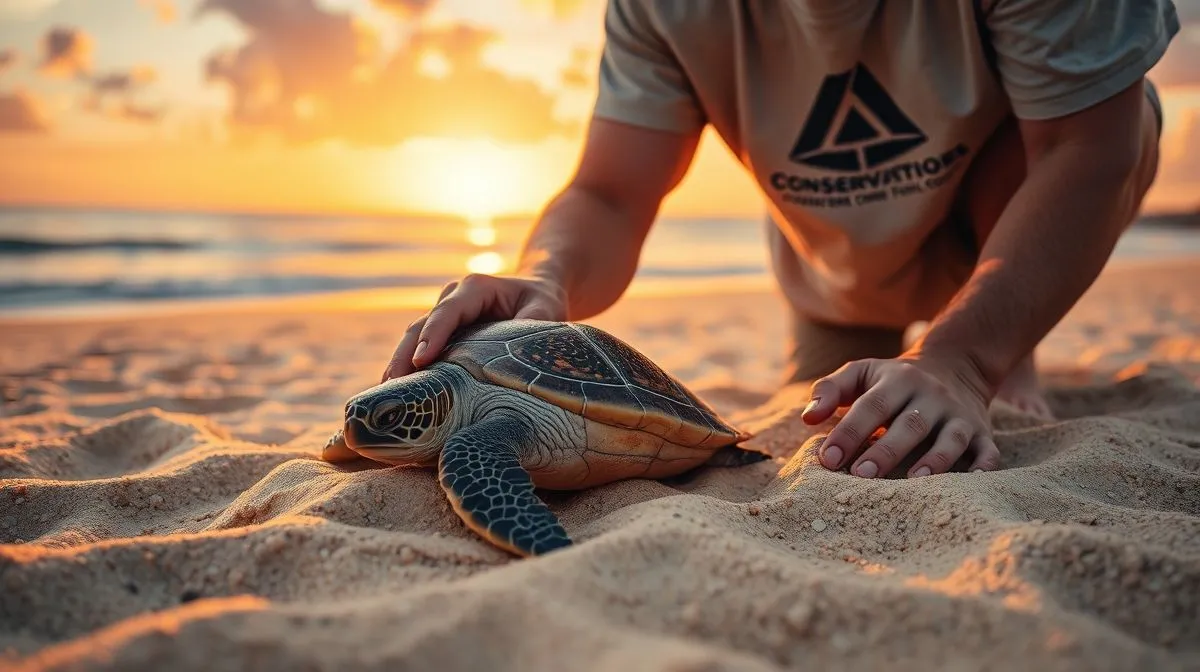
Imagine witnessing a tiny sea turtle hatchling emerge from its sandy nest, instinctively crawling towards the vast ocean. It's a powerful moment, one that underscores the fragility and beauty of marine life. But these incredible creatures face numerous threats, from habitat destruction to plastic pollution, making conservation efforts more critical than ever.
Are you passionate about marine life and eager to make a tangible difference? Volunteering for sea turtle conservation offers a unique opportunity to contribute to the survival of these ancient mariners. But with so many programs available, how do you find the right one and ensure your efforts are truly impactful?
This comprehensive guide will walk you through everything you need to know about volunteering for sea turtle conservation. From understanding the challenges these creatures face to finding reputable organizations and preparing for your volunteer experience, you'll gain the knowledge and tools to become a valuable asset in the fight to protect sea turtles.
Understanding the Plight of Sea Turtles
Sea turtles have roamed the oceans for over 100 million years, but today, they face unprecedented threats that have pushed many species to the brink of extinction. Understanding these challenges is crucial for effective conservation efforts.
Key Threats to Sea Turtle Survival
- Habitat Destruction: Coastal development, pollution, and rising sea levels destroy nesting beaches and foraging grounds.
- Plastic Pollution: Sea turtles often mistake plastic debris for food, leading to starvation and entanglement. According to the National Oceanic and Atmospheric Administration (NOAA), plastic pollution is a significant threat to marine life [1].
- Fishing Gear Entanglement: Turtles can become entangled in fishing nets and lines, leading to drowning or injury.
- Climate Change: Rising temperatures can alter nesting habitats and affect the sex ratios of hatchlings (temperature-dependent sex determination).
- Poaching and Illegal Trade: In some regions, sea turtles and their eggs are harvested for food or traditional medicine.
Why Volunteer for Sea Turtle Conservation?
Volunteering for sea turtle conservation is not just about helping these amazing animals; it's about contributing to the health of the entire marine ecosystem. Sea turtles play a vital role in maintaining healthy seagrass beds and coral reefs, which support a wide range of marine life.
The Impact of Your Contribution
- Directly Protect Sea Turtles: You'll be involved in hands-on conservation activities, such as nest monitoring, hatchling rescue, and beach cleanup.
- Support Research Efforts: Many volunteer programs contribute to valuable research projects that help scientists understand sea turtle behavior, population dynamics, and threats.
- Raise Awareness: By volunteering, you'll help educate local communities and tourists about the importance of sea turtle conservation.
- Make a Positive Impact on the Environment: Your efforts will contribute to a healthier marine environment for all.
Finding the Right Volunteer Program
Choosing the right volunteer program is essential to ensure your efforts are effective and ethical. Not all programs are created equal, so it's important to do your research and select an organization that aligns with your values and goals.
Factors to Consider
- Reputation and Accreditation: Look for organizations with a proven track record and positive reviews. Check if they are accredited by reputable conservation organizations.
- Conservation Focus: Ensure the program's primary focus is on sea turtle conservation and that their activities are aligned with scientific best practices.
- Ethical Practices: Avoid programs that exploit sea turtles for tourism or entertainment purposes. Look for organizations that prioritize the well-being of the animals.
- Location and Duration: Consider the location of the program and the length of your commitment. Choose a program that fits your interests and availability.
- Costs and Accommodation: Be aware of the program fees and what they cover. Inquire about accommodation options and living conditions.
Examples of Reputable Organizations
- Sea Turtle Conservancy: A leading organization dedicated to sea turtle research, conservation, and education [2].
- World Wildlife Fund (WWF): WWF supports sea turtle conservation projects around the world.
- Global Vision International (GVI): GVI offers a range of volunteer programs focused on sea turtle conservation in various locations.
What to Expect During Your Volunteer Experience
Volunteering for sea turtle conservation can be a rewarding but also challenging experience. Be prepared for long hours, demanding physical work, and exposure to the elements.
Typical Volunteer Activities
- Beach Patrol: Monitoring nesting beaches for sea turtle activity, identifying nests, and protecting them from predators and human disturbance.
- Nest Relocation: Moving nests to safer locations if they are threatened by erosion, flooding, or other hazards.
- Hatchling Rescue: Assisting hatchlings in reaching the ocean safely and protecting them from predators.
- Data Collection: Recording data on sea turtle nesting activity, hatchling emergence, and other relevant information.
- Beach Cleanup: Removing plastic debris and other pollutants from nesting beaches.
- Education and Outreach: Educating local communities and tourists about sea turtle conservation.
Preparing for Your Volunteer Trip
Proper preparation is essential for a successful and enjoyable volunteer experience. Make sure you have all the necessary documents, vaccinations, and gear before you travel.
Essential Preparations
- Visa and Passport: Ensure your passport is valid and that you have the necessary visa for the country you will be volunteering in.
- Vaccinations and Health Precautions: Consult your doctor about recommended vaccinations and health precautions for the region you will be visiting.
- Travel Insurance: Purchase comprehensive travel insurance that covers medical emergencies, trip cancellations, and other unforeseen events.
- Packing Essentials: Pack lightweight, comfortable clothing, sunscreen, insect repellent, a hat, and sturdy shoes.
- Learn About the Local Culture: Familiarize yourself with the local customs and traditions to show respect and avoid misunderstandings.
Making a Lasting Impact
Your volunteer experience doesn't have to end when your trip is over. There are many ways to continue supporting sea turtle conservation efforts from home.
Continuing Your Support
- Donate to Conservation Organizations: Support the work of reputable sea turtle conservation organizations.
- Reduce Your Plastic Consumption: Reduce your use of single-use plastics to help prevent plastic pollution in the oceans.
- Educate Others: Share your knowledge and passion for sea turtle conservation with your friends, family, and community.
- Support Sustainable Seafood Choices: Choose seafood that is harvested sustainably to reduce the impact on marine ecosystems.
- Advocate for Conservation Policies: Support policies that protect sea turtles and their habitats.
Frequently Asked Questions (FAQ)
What skills are needed to volunteer for sea turtle conservation? No specific skills are required, but a passion for marine life, a willingness to work hard, and a positive attitude are essential.
What is the best time of year to volunteer? The best time to volunteer depends on the location and the nesting season of the sea turtle species you want to work with. Research the nesting season in your chosen location.
Are there any age restrictions for volunteering? Age restrictions vary depending on the organization. Some programs are open to all ages, while others require volunteers to be at least 18 years old.
What are the physical requirements for volunteering? Volunteering can be physically demanding, requiring long hours of walking, standing, and working in the sun. You should be in good physical condition.
Do I need to speak the local language? While not always required, knowing some basic phrases in the local language can be helpful and enhance your experience.
Recommended Reading
- Food Photography for Travel Bloggers: Top Tips & Tricks Revealed
- Amalfi Coast's Best Michelin Restaurants: Your Exclusive Culinary Guide
- Best Age for Disney World with Toddlers: Maximize the Magic!
- Global Events & Festivals: Your Ultimate Travel Planning Checklist
Conclusion
Volunteering for sea turtle conservation is an incredibly rewarding experience that allows you to make a tangible difference in the lives of these magnificent creatures. By understanding the challenges they face, choosing a reputable organization, and preparing for your volunteer trip, you can contribute to the long-term survival of sea turtles and the health of our oceans. The keyword 'how to volunteer sea turtle conservation?' is now something you should be equipped to answer. So, take the plunge and embark on this unforgettable journey to protect these ancient mariners for generations to come. You can also contribute to organizations such as the Sea Turtle Conservancy [3].




Your email address will not be published. Required fields are marked *