

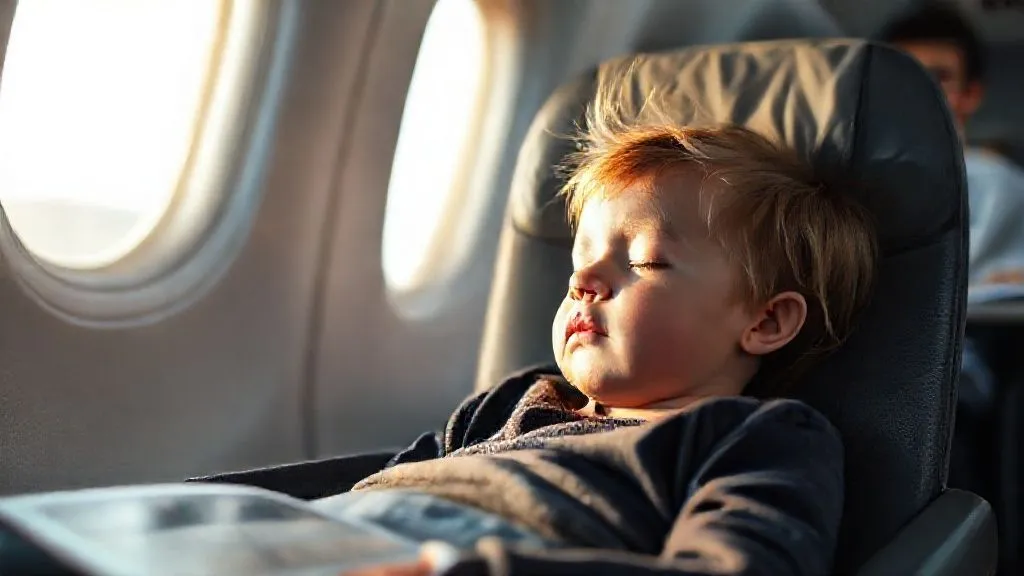
Managing Toddler Sleep Disruptions on Professional Overseas Travel?
For over 15 years in the specialized world of family travel, particularly with young children, I've navigated countless red-eye flights, time zone shifts, and the unique challenges that arise when blending demanding professional commitments with the unpredictable rhythms of toddlerhood. I've witnessed firsthand the sheer exhaustion and anxiety that parents face when their little one's sleep schedule inevitably unravels thousands of miles from home, just as a critical business meeting looms.
The problem is profound: professional overseas travel demands peak performance, sharp focus, and unwavering energy. Yet, when you're a parent, this ambition collides head-on with the biological reality of your toddler's developing circadian rhythm. Jet lag, unfamiliar environments, and the disruption of routine can transform a usually cheerful child into an overtired, irritable whirlwind, impacting not only their well-being but also your ability to perform at work.
This isn't just about surviving; it's about thriving. In this definitive guide, I'll share a comprehensive, actionable framework, born from years of experience and expert insights, designed to empower you to confidently tackle toddler sleep disruptions on professional overseas travel. We'll explore everything from pre-trip preparations to on-the-ground strategies and post-trip recovery, ensuring both you and your little traveler can adjust with greater ease and maintain your professional edge.
The Pre-Flight Blueprint: Setting the Stage for Success
The success of managing toddler sleep disruptions on professional overseas travel often hinges on the groundwork laid before you even leave home. This initial phase is about proactive adjustment and thoughtful preparation, not last-minute panic.
Gradual Routine Adjustment: Shifting the Clock Early
One of the most effective strategies I've found is to begin gently shifting your toddler's sleep schedule a few days, or even a week, before departure. This isn't about drastic changes but subtle nudges.
- Identify the Target Time Zone: Calculate the time difference and determine your destination's local bedtime and wake-up times.
- Adjust Bedtime & Wake-up: For every hour of time difference, try to shift your toddler's sleep and wake times by 15-20 minutes per day. If traveling east, gradually move bedtime and wake-up earlier. If traveling west, shift them later.
- Manipulate Light Exposure: Start exposing your toddler to natural light earlier in the morning (for eastward travel) or later in the afternoon (for westward travel) to help reset their internal clock.
- Tweak Meal Times: Align meals and snacks with the new schedule as much as possible, as food intake also plays a role in circadian rhythm regulation.
- Observe & Adapt: Pay close attention to your toddler's cues. Some children adapt faster than others, so be prepared to adjust your pace.
The Power of the Pack List: Sleep Essentials for the Road
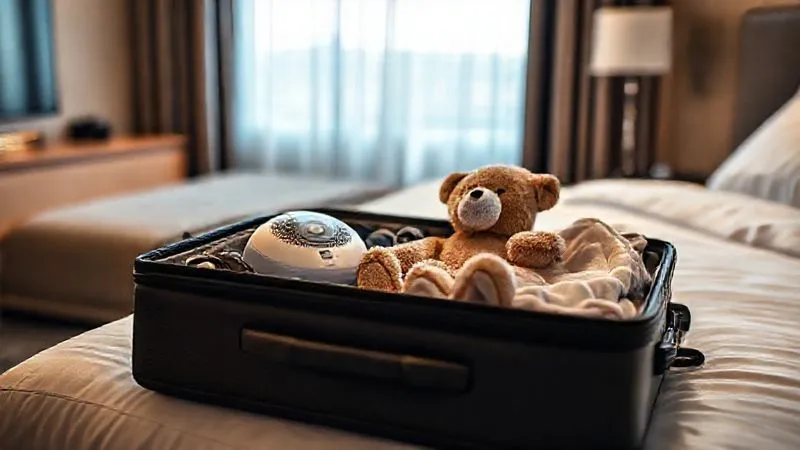
Your packing strategy for managing toddler sleep disruptions on professional overseas travel is crucial. Familiarity and comfort are powerful allies against the unfamiliarity of travel. Think of your child's sleep environment at home and try to replicate key elements.
- Portable Blackout Blinds: Hotel rooms rarely offer true darkness. Compact, suction-cup blackout blinds are a game-changer.
- White Noise Machine: A travel-sized white noise machine can mask unfamiliar sounds and provide a consistent sleep cue. Many can be charged via USB.
- Familiar Comfort Items: Bring your toddler's favorite blanket, stuffed animal, or a worn-out lovey. The scent and texture provide immense comfort.
- PJs & Sleep Sacks: Pack their usual sleep attire. Consistency in temperature and feel contributes to better sleep.
- Portable Night Light: A dim, red-light night light can provide comfort without disrupting melatonin production.
In-Flight Strategies: Taming the Skies
The airplane itself can be a significant hurdle for toddler sleep. However, with the right tactics, you can minimize disruptions and even secure some valuable rest for your little one, which is vital for managing toddler sleep disruptions on professional overseas travel.
Cabin Environment Control: Creating a Sleep Niche
Airplanes are bright, noisy, and often uncomfortable. Your goal is to create a mini sleep sanctuary within this challenging environment.
- Window Seat Advantage: If possible, secure a window seat. You have more control over the window shade and fewer disturbances from aisle traffic.
- Layered Clothing: Airplane cabin temperatures fluctuate wildly. Dress your toddler in layers that can be easily added or removed to maintain comfort.
- Noise-Canceling Headphones: These are invaluable for muffling engine noise and cabin chatter. Opt for child-friendly, comfortable designs.
- Travel Pillow/Neck Rest: Even if they don't use one at home, a supportive travel pillow can make sleeping in an upright position more comfortable.
Strategic Napping & Play: Balancing Stimulation and Rest
The flight isn't just about sleep; it's about managing energy levels. Avoid letting your toddler become overly tired or overstimulated.
Plan for periods of active play and engagement when they are awake. Bring novel, small toys, stickers, and books. Then, when it's time to encourage sleep, transition smoothly. Use your familiar bedtime routine as much as possible: dim the screen, put on PJs, read a book, and then encourage sleep.
According to a study published in the journal 'Sleep Medicine Reviews,' maintaining elements of a consistent sleep routine, even in unusual environments like an airplane, significantly aids sleep onset and quality in children. This consistency is your secret weapon.
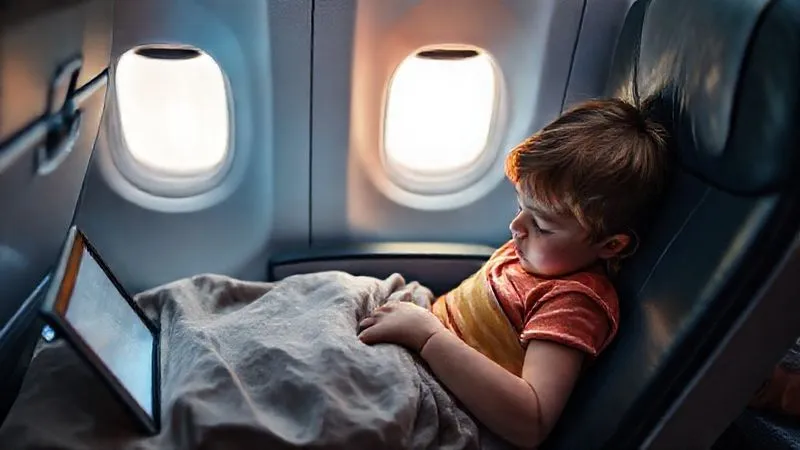
Arrival & On-Ground Adaptation: Mastering the New Time Zone
Upon arrival, the real work of managing toddler sleep disruptions on professional overseas travel begins. The key is immediate and decisive action to align with the local time zone.
Immediate Immersion: Light, Food, & Play
Resist the urge to let your toddler sleep simply because they are tired from the journey. Your primary goal is to immediately adjust to the destination's schedule.
- Seek Natural Light: As soon as you land, expose your toddler to natural daylight, especially morning light if you've traveled east. This is the strongest cue for resetting the circadian rhythm. Go for a walk outside.
- Align Meal Times: Serve meals and snacks at the local times. Even if your toddler isn't hungry initially, offer small, healthy options.
- Engage in Active Play: Encourage physical activity during waking hours to help expend energy and promote deeper sleep later. Park visits are excellent for this.
- Delay Hotel Room Entry: If you arrive in the morning or early afternoon, try to stay out of the hotel room as long as possible to avoid the temptation of a long, early nap.
The "No-Hero" Nap Strategy: Short & Sweet
While you want to avoid long, mistimed naps, completely skipping naps can lead to an overtired toddler, which makes nighttime sleep even harder. The strategy here is short, strategic naps.
- Early Afternoon Nap: Aim for one short nap (30-60 minutes) in the early afternoon, roughly aligning with the local nap time.
- Wake Them Up: Crucially, wake your toddler up after the planned duration, even if they're still sleeping soundly. This prevents them from slipping into a deep sleep cycle that further disrupts nighttime sleep.
- Avoid Late Naps: Do not allow naps past late afternoon, as this will inevitably push back bedtime.
“Consistency isn't just a virtue; it's the bedrock of successful sleep adaptation for toddlers during international travel. Every small effort to maintain routine, even amidst chaos, pays dividends.”
| Jet Lag Strategy | Pros | Cons |
|---|---|---|
| Gradual Adjustment (Pre-trip) | Gentle, less shock to system, better initial adjustment | Requires foresight, not always feasible, can be slow |
| Cold Turkey (Post-arrival) | Immediate immersion, faster overall adjustment for some | Intense first 24-48 hours, high risk of overtiredness |
| Hybrid (Recommended) | Balances preparation with immediate action, flexible | Requires careful planning and observation, not one-size-fits-all |
Crafting the Temporary Sleep Sanctuary
Once you're on the ground, your hotel room becomes your home away from home. Transforming it into a consistent, sleep-friendly environment is paramount for managing toddler sleep disruptions on professional overseas travel.
Blackout & White Noise Magic: Blocking Out the World
These two elements are non-negotiable for creating a dark, quiet space conducive to sleep, regardless of time zone or hotel location.
- Total Darkness: Even a sliver of light can signal 'daytime' to a toddler's brain. Use your portable blackout blinds, or get creative with painter's tape and heavy-duty trash bags if absolutely necessary.
- Consistent White Noise: Your white noise machine should run continuously throughout the night and during naps. The consistent hum blocks out unfamiliar street noises, hotel hallway sounds, and even your own movements if you're sharing a room.
- Temperature Control: Aim for a cool, comfortable room temperature, typically between 68-72°F (20-22°C), which is optimal for sleep.
Comfort & Familiarity: Bring Home Abroad
Surrounding your toddler with familiar sights, sounds, and smells provides psychological comfort, easing anxiety in an unfamiliar space.
- Favorite Blanket/Lovey: As mentioned, this is critical. The scent of home is incredibly reassuring.
- PJs & Sleep Sacks: Replicating the exact sleepwear routine from home reinforces the idea that it's time for sleep.
- Portable Storybooks: Reading a familiar story before bed is a powerful sleep cue.
Case Study: How the Miller Family Conquered Rome
The Miller family, with their 2-year-old daughter Lily, faced a critical professional trip to Rome from New York. Knowing Lily was sensitive to routine changes, they implemented a hybrid strategy for managing toddler sleep disruptions on professional overseas travel. They began shifting Lily's schedule by 15 minutes daily for five days before departure. Upon arrival in Rome, they immediately took Lily to a park, exposing her to strong morning light. In their hotel, they used portable blackout blinds and a travel white noise machine. They limited her nap to 45 minutes in the early afternoon and stuck to her bedtime routine rigidly. By day three, Lily was sleeping through the night on Rome time, allowing Mrs. Miller to attend her conference well-rested and focused. This resulted in a successful business outcome and a surprisingly enjoyable family experience.
Navigating Work Demands & Toddler Needs: The Art of Balance
This is arguably the most challenging aspect of managing toddler sleep disruptions on professional overseas travel. You're balancing two full-time jobs: demanding professional responsibilities and attentive parenting. It requires strategic planning and self-awareness.
Strategic Scheduling & Support Systems
You cannot do it all alone, nor should you try. Leverage every available resource.
- Childcare Options: Explore reputable hotel childcare services, local nannies, or even traveling with a trusted family member or dedicated nanny. Having dedicated childcare during your work hours is not a luxury; it's a necessity for your professional performance and your toddler's well-being.
- Flexible Work Schedule: If possible, negotiate flexible work hours with your employer. Can you start later, work a split shift, or take longer breaks to manage naps and bedtimes?
- Tag-Team Parenting: If traveling with a partner, divide and conquer. One parent handles mornings and bedtime, the other takes over during the day or for specific work events.
- Pre-Schedule Downtime: Build in small pockets of 'uninterrupted' time for yourself. Even 15 minutes of quiet can help you recharge.
Prioritizing Your Own Well-being
An exhausted, stressed parent cannot effectively manage a jet-lagged toddler or perform optimally at work. Your well-being is not secondary; it's foundational.
- Hydration & Nutrition: Maintain good hydration and try to eat balanced meals. It's easy to grab convenience food, but proper nutrition fuels your resilience.
- Micro-Naps: If your toddler finally naps, resist the urge to 'catch up on emails.' Prioritize a short nap for yourself if possible.
- Accept Imperfection: This is not the time for perfection. Some days will be harder than others. Give yourself grace and acknowledge the immense effort you're putting in.

Post-Trip Recovery: Easing Back into Home Life
The journey isn't over when you land back home. Just as crucial as the outward journey is the re-entry process, especially when managing toddler sleep disruptions on professional overseas travel.
Gentle Re-entry: Back to the Familiar
Your goal is to gently guide your toddler back to their original home schedule without creating further sleep debt or stress.
- Immediate Home Schedule: As soon as you arrive home, revert to your toddler's normal bedtime and wake-up schedule. This might mean an early bedtime on arrival night.
- Prioritize Sleep: For the first few days, prioritize sleep above all else. Limit activities and social engagements.
- Outdoor Time: Maximize natural light exposure during waking hours to help reinforce the home time zone.
- Consistent Routines: Stick rigidly to all pre-sleep routines (bath, story, quiet play) to signal to your toddler's body that it's time for home sleep.
Reflect & Refine: Learning from Each Journey
Every trip, especially with a toddler, is a learning experience. Take a moment to reflect on what worked well and what could be improved for future journeys.
- Journal Observations: Make notes on what strategies were most effective for your child. Did they respond better to gradual adjustment or cold turkey?
- Adjustments: Consider if any travel gear was particularly useful or if you missed something essential.
- Mental Preparation: Use these insights to better prepare mentally for the next professional overseas travel with your toddler.
| Phase | Action Item | Impact |
|---|---|---|
| Pre-Trip | Gradual sleep shift (15-20 min/day) | Minimizes initial jet lag severity |
| Pre-Trip | Pack blackout blinds & white noise | Creates consistent sleep environment |
| In-Flight | Strategic napping & play | Prevents overtiredness/overstimulation |
| On-Ground | Immediate light exposure & local meal times | Resets circadian rhythm quickly |
| On-Ground | Short, early afternoon naps (30-60 min) | Supports nighttime sleep without disruption |
| Post-Trip | Immediate return to home schedule | Fastest re-adjustment to home life |
Common Pitfalls & Expert Avoidance Tactics
Even with the best intentions, it's easy to fall into common traps when managing toddler sleep disruptions on professional overseas travel. Being aware of these pitfalls is the first step to avoiding them.
Over-scheduling & Underestimating Fatigue
A common mistake is trying to cram too much into the itinerary – both work and leisure. Remember, your toddler's energy reserves are limited, and so are yours.
- Avoid Back-to-Back Meetings: Where possible, build in buffers between professional commitments.
- Prioritize Activities: Don't try to see every tourist attraction. Focus on one or two child-friendly activities a day, leaving ample time for rest and routine.
- Recognize Overtiredness: A toddler who is overly tired is less likely to sleep well. Look for early signs of fatigue (rubbing eyes, increased clinginess) and initiate wind-down routines promptly.
Deviating from Routine Too Much
While travel inherently disrupts routine, completely abandoning all structure will exacerbate sleep problems. As Dr. Jodi Mindell, a leading expert in pediatric sleep, often emphasizes, 'Consistency is key for children's sleep.' Even minor elements of your home routine can provide comfort and predictability.
- Flexible but Firm: Be flexible with timings (e.g., a bath might be quicker), but firm with the sequence of events (e.g., bath, book, bed).
- Portable Routine Cues: Use familiar songs, a specific phrase, or a consistent goodnight ritual to signal sleep time, no matter the location.
According to a survey by the Global Business Travel Association, balancing family needs is a top concern for professional parents, underscoring the need for these practical strategies.
The Psychological Toll: Supporting Toddlers and Parents
Beyond the logistical challenges of managing toddler sleep disruptions on professional overseas travel, there's a significant emotional and psychological component. Acknowledging and addressing this is crucial for the well-being of both parent and child.
Acknowledging Toddler Emotions: Empathy and Reassurance
For a toddler, international travel is a monumental shift. They don't understand time zones or business meetings; they only know their world feels different and less predictable. They might express this through increased tantrums, clinginess, or resistance to sleep.
- Validate Feelings: Acknowledge their frustration or confusion. 'I know it's confusing that the sun is up, but it's bedtime here.'
- Extra Cuddles: Offer more physical comfort and reassurance. Your calm presence is their anchor in a new environment.
- Play & Distraction: Engage them in comforting play during waking hours to help them process new experiences.
Parent Self-Compassion: You're Doing Great
The pressure to perform professionally while managing a toddler's sleep overseas is immense. It's easy to feel guilty, frustrated, or like you're failing.
- Lower Expectations: Accept that some sleep disruptions are inevitable. Focus on progress, not perfection.
- Celebrate Small Wins: Did your toddler nap for 30 minutes? Did they sleep for a four-hour stretch? Celebrate these victories.
- Seek Support: Lean on your partner, travel companions, or a trusted friend back home. A quick call or text can make a huge difference.

Frequently Asked Questions (FAQ)
How long does jet lag typically last for toddlers? Toddler jet lag usually lasts one day for every hour of time difference, but some children adjust faster or slower. With proactive strategies, many toddlers can largely adapt within 3-5 days for significant time zone changes. Consistency in routine and light exposure are key to speeding up this process.
Is it better to adjust a toddler's sleep schedule before or after the flight? A hybrid approach is generally most effective. Gradually shifting the schedule by 15-20 minutes daily for 3-5 days before the flight can soften the initial impact. Upon arrival, immediately immerse your toddler in the new time zone by aligning meals, light exposure, and activity with local times.
What if my toddler refuses to sleep on the plane? Focus on comfort, quiet activities, and managing expectations. Create a dark, quiet space with headphones and a blanket. Offer familiar comfort items. If sleep isn't happening, prioritize quiet rest and engaging, low-key play rather than forcing sleep, which can lead to frustration for both of you. Remember, even quiet rest is beneficial.
Should I wake my toddler for meals in the new time zone? Yes, for the first few days, it's beneficial to wake your toddler for meals and snacks at the local meal times. Food intake is a strong cue for the body's internal clock. This helps reinforce the new schedule and prevents them from being too hungry or full at inappropriate times.
What are the best travel gadgets for toddler sleep? Essential gadgets include portable blackout blinds (e.g., Sleepypod, Gro Anywhere Blind), a travel white noise machine (e.g., Hatch Rest Mini, Yogasleep Hushh), child-friendly noise-canceling headphones, and a compact, dim night light (preferably red light). These tools help replicate a familiar sleep environment anywhere.
Key Takeaways and Final Thoughts
- Preparation is Paramount: Begin adjusting your toddler's sleep schedule days before departure and pack essential sleep aids.
- In-Flight Strategy Matters: Create a sleep-friendly cabin environment and manage energy levels with strategic play and rest.
- Aggressive On-Ground Adaptation: Immediately immerse your toddler in the new time zone with light, local meals, and short, early afternoon naps.
- Sanctuary is Key: Transform your hotel room into a dark, quiet, and familiar sleep space.
- Seek Support & Prioritize Self-Care: Leverage childcare options, communicate with your partner, and remember that your own well-being is critical.
- Gentle Re-entry: Revert to your home schedule immediately upon return to ease post-trip recovery.
- Be Flexible and Forgiving: Toddler travel is unpredictable. Focus on progress, not perfection, and extend grace to yourself and your child.
Managing toddler sleep disruptions on professional overseas travel is undoubtedly one of the most demanding aspects of being a working parent. However, with this comprehensive framework, you're not just reacting to problems; you're proactively building a system for success. Embrace the challenge, arm yourself with these strategies, and remember that every trip is an opportunity to learn and grow, making future professional journeys with your little one smoother and more rewarding. You've got this.
Recommended Reading
- 7 Proven Ways to Make Your Family Travel Blog Shine in a Crowded Niche
- The Ultimate Guide: How to Rent Accessible Vans for Disabled Travel
- Emergency Rerouting Historical Railway Tours: A 7-Step Expert Guide
- Fixing Corporate Eurail Pass Validation Errors: An Expert's 7-Step Guide
- Glamping Outdoor Kitchen Setup Ideas: Create Your Dream Campsite!





Your email address will not be published. Required fields are marked *