

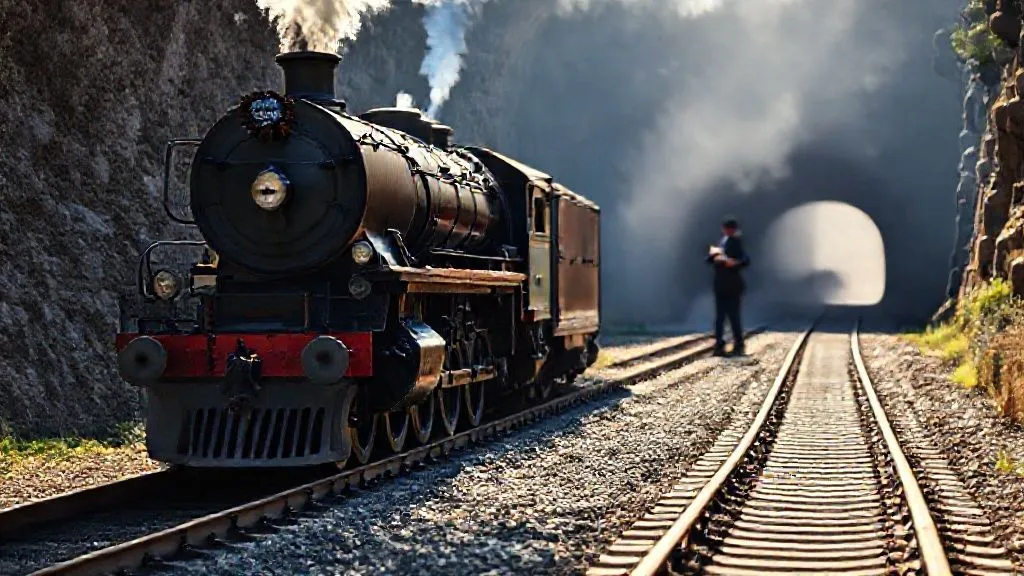
How to Manage Emergency Rerouting Historical Railway Tours?
For over two decades in the enchanting world of train travel, particularly with historical railway tours, I've witnessed firsthand the delicate balance between meticulously planned itineraries and the unpredictable realities of rail infrastructure. There's a certain romance in the old iron horses, but that romance often comes with the inherent vulnerability of aging tracks, changing weather patterns, or unforeseen operational hurdles.
The problem is stark: an unexpected reroute on a historical railway tour isn't just a minor inconvenience; it's a potential disaster for passenger experience, safety, and your brand's reputation. Unlike modern commuter lines, these tours often operate on unique, sometimes less-trafficked routes, making alternative solutions complex and time-sensitive. The expectation of a nostalgic, seamless journey clashes sharply with the sudden reality of disruption.
But it doesn't have to be a catastrophe. In this definitive guide, I'll share the frameworks, strategies, and hard-won insights I've gathered to help you master the art of emergency rerouting for historical railway tours. You'll learn how to anticipate, react, and recover with grace and efficiency, transforming potential crises into demonstrations of operational excellence.
Understanding the Unique Vulnerabilities of Historical Railways
Before we delve into solutions, it's crucial to acknowledge why historical railway tours present a distinct challenge when it comes to rerouting. They operate within a unique ecosystem that amplifies the impact of any disruption.
Aging Infrastructure & Unpredictable Conditions
Many historical routes traverse landscapes that were engineered over a century ago. This means older bridges, tunnels, and track sections that, while maintained, can be more susceptible to extreme weather, geological shifts, or even simple wear and tear. A sudden landslide, an unexpected track fault, or even a fallen tree can render a segment impassable, often with little to no warning. Unlike modern high-speed lines, redundancy in historical routes is often limited, meaning fewer alternative tracks are readily available.
The Human Element: Passenger Expectations & Historical Context
Passengers on historical railway tours aren't just looking for transport; they're seeking an immersive experience, a journey back in time. They've often invested significant time and money, with expectations of specific scenic views, heritage stations, and a narrative flow. An emergency reroute shatters this illusion, potentially leading to deep disappointment and frustration. Managing these heightened emotional responses requires not just logistical prowess but also profound empathy and clear communication.
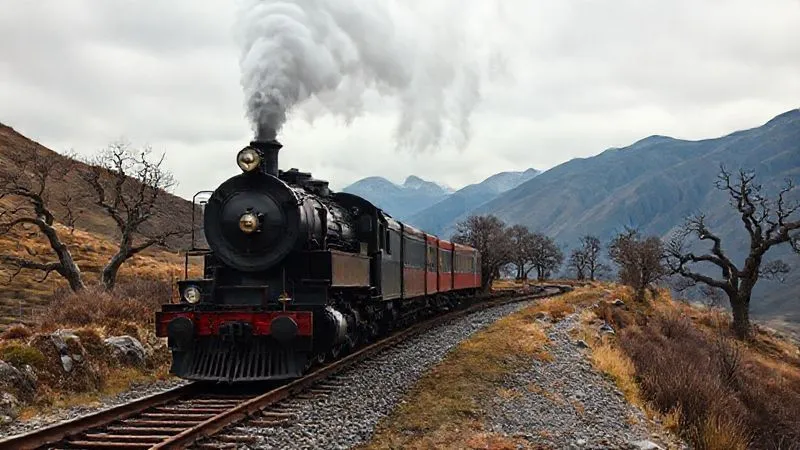
Proactive Planning: Your First Line of Defense
The best way to manage an emergency reroute is to prevent it from becoming a full-blown crisis. Proactive planning is not merely a suggestion; it's an absolute necessity. It's about building a resilient operational framework.
Developing Robust Contingency Plans
This is where the real work begins. I advocate for a multi-layered contingency plan that addresses various scenarios. Don't just think about 'what if the track is blocked?'; think about 'what if the track is blocked for 2 hours, 6 hours, or indefinitely?'
- Route Mapping & Alternative Analysis: For every segment of your historical tour, identify at least two viable alternative routes. These might involve partial rail, bus transfers, or even temporary boat transfers if geographically appropriate. Document the pros and cons of each, including estimated travel times, costs, and passenger impact.
- Supplier Agreements: Establish pre-existing relationships and service level agreements (SLAs) with alternative transport providers (coach companies, local taxi services), accommodation providers, and catering services along your routes. Negotiate emergency rates and clearly define response times.
- Resource Allocation: Designate specific team members for emergency response. Who is responsible for communication? Who handles logistics? Who manages passenger welfare? Cross-train your staff so multiple individuals can step into critical roles.
- Emergency Kits: Equip each tour with an emergency kit containing essential communication devices (satellite phones, extra chargers), first-aid supplies, basic refreshments, and clear, printed contingency plans and contact lists.
Establishing Clear Communication Protocols
During an emergency, information is your most valuable currency. A structured communication plan ensures that everyone – from your operational team to your passengers – receives timely, accurate, and consistent updates.
| Stakeholder | Communication Channel | Frequency | Key Information |
|---|---|---|---|
| Onboard Staff | Two-way radio, Satellite phone | Immediate, then hourly updates | Situation assessment, next steps, passenger mood |
| Head Office/Operations | Dedicated emergency line, Group chat | Immediate, then every 15-30 mins | Situation, resources needed, decisions made |
| Passengers | Public address system, Direct staff interaction, SMS updates | As soon as clear information is available, then regular intervals | Nature of disruption, estimated delay, planned actions, apologies |
| Rail Operators/Authorities | Official emergency lines | Immediate, then as required | Incident details, rerouting requests, safety protocols |
| Media/Public (if applicable) | Designated spokesperson, Official press release | Only when necessary and approved | Factual, empathetic statement |
This table outlines a simplified communication matrix. Remember, transparency and empathy are paramount. Passengers might be frustrated, but they will appreciate honesty and a clear plan of action.
Real-time Decision Making: When the Rails Shift
Despite the best planning, emergencies are, by definition, unexpected. When the call comes in that your historical train cannot proceed, your ability to make swift, informed decisions is tested.
Assessing the Situation: Speed and Accuracy
The first 30-60 minutes are critical. Your onboard team must quickly gather precise information: What is the exact nature of the disruption? Where precisely is the train? How many passengers are onboard? Are there any immediate safety concerns? What is the estimated duration of the blockage from the rail operator?
This initial assessment dictates the activation of your contingency plan. Don't waste precious time waiting for perfect information; use the best available data to make preliminary decisions and communicate them internally.
Evaluating Rerouting Options
With the situation assessed, consult your pre-planned contingency matrix. Consider:
- Feasibility: Are the alternative routes genuinely open and safe?
- Time Impact: How much additional time will each option add to the journey?
- Cost Implications: What are the financial costs of each alternative?
- Passenger Experience: Which option minimizes discomfort and preserves as much of the original tour experience as possible?
- Safety First: Always prioritize passenger and staff safety above all else.
Expert Insight: "In my experience, the temptation to choose the quickest or cheapest reroute can be strong. However, for historical tours, prioritizing the preservation of the 'experience' and passenger comfort, even if it adds a little time or cost, often pays dividends in terms of reputation and goodwill. A slightly longer, comfortable reroute is always better than a rushed, chaotic one."
Mastering Communication During Disruption
Effective communication is the bedrock of crisis management. It can turn a potentially disastrous situation into a mere inconvenience, or even a memorable anecdote for your passengers.
Informing Passengers with Empathy and Clarity
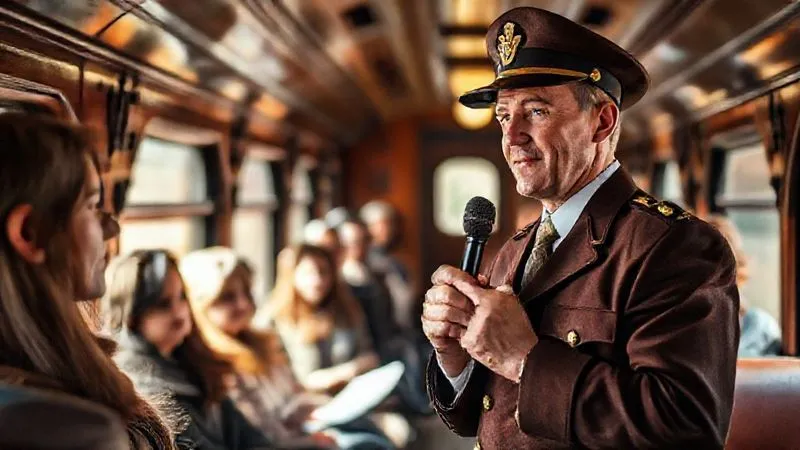
Once you have a clear understanding of the situation and a preliminary plan, communicate it to your passengers. This should be done by the tour manager or a designated senior staff member, ideally face-to-face or via a clear public address system.
- Be Honest: State the problem clearly and concisely. Avoid jargon.
- Be Empathetic: Acknowledge their disappointment and frustration.
- State the Plan: Outline what actions are being taken. Even if the plan is 'we are currently assessing options,' communicate that.
- Provide Next Steps: Tell them what they can expect and when the next update will be.
- Offer Support: Reassure them that their safety and comfort are your top priorities.
Liaising with Stakeholders: Railway Operators & Local Authorities
Your relationship with railway operators and local authorities is paramount. They hold the keys to information, alternative track access, and local resources. Maintain open, professional lines of communication throughout the incident.
Ensure you have dedicated points of contact for emergency situations. Share your contingency plans with them in advance where appropriate, fostering a collaborative environment. This proactive networking can drastically speed up response times when an emergency strikes.
For further insights on effective crisis communication, I often refer to frameworks discussed by experts in the field, such as those found on Harvard Business Review, which emphasize transparency and empathy in times of difficulty.
Logistics on the Fly: Alternative Transport & Accommodation
Once the decision to reroute or use alternative transport is made, the operational challenge shifts to seamless execution. This is where your pre-negotiated agreements prove their worth.
Seamless Transition to Alternative Modes
If you're moving from rail to road, or even another rail line, the transition needs to be as smooth as possible. This involves:
- Clear Signage & Guidance: Direct passengers to waiting coaches or alternative platforms with clear instructions.
- Baggage Management: Ensure all luggage is transferred efficiently and securely. Assign staff specifically for this task.
- Accessibility: Pay special attention to passengers with reduced mobility or specific needs, ensuring accessible alternatives are available.
- Headcount: Conduct thorough headcounts at each transfer point to ensure no passenger is left behind.
Managing Accommodation and Refreshments
For longer delays or overnight reroutes, providing accommodation, meals, and refreshments becomes critical. Your pre-arranged hotel contracts and catering agreements will be invaluable here. Ensure the chosen facilities are of a standard your passengers expect and can easily access.
Keep passengers informed about meal timings, accommodation details, and any allowances they might receive. Small gestures, like providing complimentary snacks or a hot drink, can go a long way in mitigating frustration.
Case Study: Navigating the 'Highlander's Unexpected Detour'
How a Premier Historical Tour Handled a Major Reroute
Let me share a fictional, yet highly realistic, scenario from my experience. The 'Highlander Express,' a luxury historical railway tour, was midway through its iconic journey through the Scottish Highlands when a sudden, unexpected rockfall blocked the tracks ahead. The incident occurred in a remote area, making immediate rail alternatives impossible.
The tour operator, having anticipated such an event, immediately activated their emergency protocol. The onboard tour manager, having undergone extensive training, calmly informed passengers of the situation, explaining the rockfall and the estimated delay. Simultaneously, the head office was alerted, and the pre-arranged local coach company was dispatched to a designated accessible point further down the line.
Within two hours, luxury coaches arrived. Passengers were safely transferred, their luggage carefully managed by dedicated staff. Instead of simply driving them to the next major city, the operator had planned a scenic alternative route by coach, incorporating an unscheduled visit to a charming Highland village for lunch, turning a disruption into an unexpected cultural experience. They also arranged for a local historian to join the coach, providing commentary that linked to the original tour theme.
While the tour arrived several hours late, the proactive communication, seamless logistics, and creative problem-solving transformed a potential crisis into a testament to their resilience and commitment to passenger experience. Many passengers, initially frustrated, later praised the team's professionalism and the unique detour. This demonstrated the power of robust contingency planning and empathetic execution, turning a setback into a story of excellent service. For more on building such resilience, resources like those from McKinsey & Company offer valuable frameworks for operational agility.
Post-Reroute Recovery and Reputation Management
The incident doesn't end when the train reaches its destination. The aftermath is just as critical for long-term reputation and learning.
Debriefing and Learning from Every Incident
Every emergency reroute, regardless of its outcome, is a learning opportunity. Conduct a thorough debrief with all involved staff – from onboard crew to head office operations. Ask critical questions:
- What went well?
- What could have been done better?
- Were our contingency plans adequate?
- Were communication channels effective?
- Did our suppliers meet their SLAs?
Document these findings and update your emergency protocols accordingly. This continuous improvement cycle is vital for enhancing future preparedness.
Rebuilding Trust and Enhancing Future Tours
Post-incident communication with passengers is crucial. A sincere apology, a detailed explanation, and perhaps a goodwill gesture (e.g., a discount on a future tour, a small refund) can go a long way in rebuilding trust. Encourage feedback and address any complaints promptly and respectfully. This proactive approach to customer service can transform a negative experience into a positive brand interaction.
| Action Item | Responsible Party | Timeline | Status |
|---|---|---|---|
| Conduct internal debrief meeting | Operations Manager | Within 24 hours of incident resolution | Complete |
| Update contingency plans based on lessons learned | Risk Management Lead | Within 1 week | In Progress |
| Follow-up communication to affected passengers | Customer Relations | Within 48 hours | Complete |
| Evaluate supplier performance | Procurement | Within 3 days | Complete |
| Staff retraining on new protocols | HR/Training Manager | Monthly, ongoing | Scheduled |
Building long-term customer loyalty after a service disruption is a complex but achievable goal. Insights from reputable sources like Forbes often highlight the importance of transparent communication and swift resolution in maintaining customer trust.
Leveraging Technology for Enhanced Preparedness
In today's interconnected world, technology offers powerful tools to augment your emergency rerouting capabilities.
Digital Tools for Real-time Monitoring and Communication
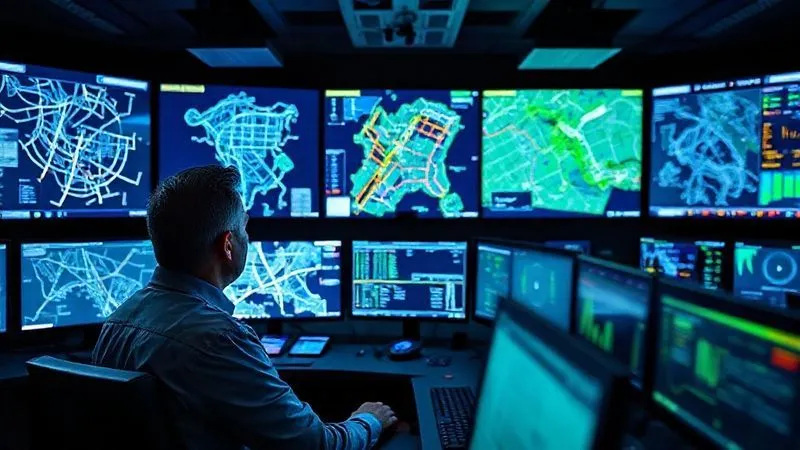
Modern GPS tracking systems for your trains, coupled with real-time weather and rail network status updates, can provide invaluable early warnings. Imagine knowing about a developing storm or a track closure hours before it impacts your tour. Communication apps that allow instant group messaging with all staff, and even SMS updates for passengers, can streamline information flow dramatically.
Predictive Analytics and Route Optimization
While still evolving for niche historical railways, predictive analytics can analyze historical data on track closures, weather patterns, and operational issues to identify high-risk segments or times. Advanced route optimization software, fed with real-time data, can suggest the most efficient and least disruptive rerouting options, factoring in variables like passenger comfort, travel time, and operational costs.
Frequently Asked Questions (FAQ)
What's the most common reason for emergency rerouting on historical railway tours? In my experience, the most frequent culprits are extreme weather events (heavy snow, floods, landslides) impacting older infrastructure, followed by unexpected track maintenance issues or operational incidents involving other rail traffic. While rare, geopolitical or local events can also necessitate rerouting.
How do I manage passenger expectations when the historical route is a key part of the appeal? This is truly challenging. The key is empathy and transparency. Acknowledge their disappointment directly. Explain that while the specific route is temporarily unavailable, your team is committed to providing the safest and most enjoyable alternative experience possible. Highlight any unique experiences the reroute might offer (e.g., a different scenic view, an unexpected stop). A small gesture of goodwill can also help.
Should I offer refunds or compensation for a rerouted historical railway tour? This depends on the severity and duration of the reroute, and your company's policy. For minor, short delays, excellent service and communication might suffice. For significant reroutes impacting major attractions or adding considerable time, a partial refund, a voucher for a future tour, or a complimentary amenity might be appropriate. Always be clear about your terms and conditions at booking.
How can small historical railway tour operators implement these complex strategies? While larger operators have more resources, the principles remain the same. For smaller operators, focus on building strong local partnerships with alternative transport providers and accommodation. Leverage community support. Develop simplified, clear contingency plans that are easy for a small team to execute. Prioritize basic communication protocols and regular staff training. Start small, but start.
What is the role of insurance in emergency rerouting scenarios? Insurance is a critical safety net. Ensure your tour operator's liability insurance covers disruptions, alternative transport costs, and potential passenger claims due to rerouting. Travel insurance for passengers is also vital; encourage them to purchase comprehensive policies that cover trip delays, cancellations, and medical emergencies. Understand your policy's specifics for 'force majeure' events.
Key Takeaways and Final Thoughts
- Proactive Planning is Paramount: Develop multi-layered contingency plans for various scenarios, including pre-negotiated supplier agreements.
- Communication is King: Establish clear, empathetic, and timely communication protocols for both passengers and stakeholders.
- Prioritize Safety & Experience: Always put passenger safety first, but strive to preserve the unique historical tour experience even during disruptions.
- Learn from Every Incident: Conduct thorough debriefs and continuously refine your emergency response protocols.
- Embrace Technology: Utilize real-time monitoring and communication tools to enhance preparedness and response.
Managing emergency rerouting for historical railway tours is undeniably complex, but it is not an insurmountable challenge. By adopting a proactive, empathetic, and technologically informed approach, you can transform potential crises into opportunities to demonstrate your operational excellence and unwavering commitment to your passengers. The romance of the rails is in its journey, and with these strategies, you can ensure that journey, even with an unexpected detour, remains a memorable and positive one.
Recommended Reading
- Beat Burnout: 5 Mindful Street Art Tours for Business Travelers?
- Go/No-Go: 5 Critical Avalanche Decision Rules for Dynamic Terrain
- Mastering Authentic Deep Nature Glamping: 7 Steps to Immersion Design
- 5 Expert Strategies: Mitigating Luxury Overnight Train Disruptions
- Client Bliss: 7 Steps to Guarantee Consistently Clear Water Beaches

Your email address will not be published. Required fields are marked *