


Minimizing Jet Lag Impact on Competitive Snowboarding Performance?
For over two decades, I've lived and breathed the competitive snowboarding circuit. From the frosty peaks of the Alps to the challenging terrain parks of North America and Asia, I’ve witnessed firsthand the incredible dedication and raw talent required to excel. But I've also seen a silent, insidious force undermine even the most prepared athletes: jet lag. It’s a challenge that can turn a meticulously planned training block into a struggle for basic function, and a medal contender into an also-ran.
That razor-thin margin between first and fifth often comes down to factors beyond raw skill or flawless execution. It's about mental sharpness, physical resilience, and the ability to adapt. When your internal clock is fundamentally misaligned with your external environment, every jump feels heavier, every trick takes more conscious effort, and reaction times, crucial for competitive snowboarding, inevitably suffer. It's not just about feeling tired; it's about compromised neuromuscular control, impaired decision-making, and a significant dip in overall performance capacity.
This guide isn't just theory; it's a distillation of hard-won lessons, scientific insights, and practical strategies I've developed and refined over years of working with elite athletes. We’ll delve into actionable frameworks, a mini case study, and expert insights designed to arm you with the tools necessary for minimizing jet lag impact on competitive snowboarding performance, ensuring you arrive not just present, but primed to dominate.
Understanding the Enemy: What Jet Lag Really Does to Athletes
Before we can conquer jet lag, we must understand its mechanisms. Jet lag, or desynchronosis, is a temporary sleep disorder that occurs when your body's internal 'circadian clock' is out of sync with the external time of your new location. This clock, primarily governed by the suprachiasmatic nucleus in your brain, regulates nearly every physiological process, from sleep-wake cycles and hormone release to digestion and body temperature.
The Science of Circadian Disruption
When you rapidly cross multiple time zones, your body's internal rhythms remain on your home time. Your brain expects darkness when it's bright, and light when it should be dark. This conflict triggers a cascade of issues. For competitive snowboarders, this manifests as:
- Impaired Cognitive Function: Slower reaction times, reduced decision-making speed, and decreased focus. This is critical when navigating complex terrain or executing technical tricks.
- Reduced Physical Performance: Decreased muscle strength, power, and endurance. Fatigue sets in faster, and the ability to push through limits is compromised.
- Disrupted Sleep Patterns: Insomnia at night, excessive daytime sleepiness, and fragmented sleep, preventing the deep restorative sleep essential for muscle repair and mental recovery.
- Gastrointestinal Distress: Nausea, constipation, or diarrhea due to irregular eating patterns and a disrupted digestive clock.
- Increased Risk of Injury: Poor coordination, slower reflexes, and mental fatigue can lead to mistakes that result in falls or injuries.
“Jet lag isn't just about feeling tired; it's a systemic disruption that can erode an athlete's physical and mental edge, making peak performance an uphill battle.”
According to research published in the Journal of Clinical Sleep Medicine, even a few hours of circadian misalignment can significantly impair athletic performance. For competitive snowboarding, where split-second decisions and precise movements are paramount, ignoring jet lag is simply not an option.

Pre-Flight Protocols: Setting the Stage for Seamless Transition
The battle against jet lag begins long before you step onto the plane. Proactive preparation is your most potent weapon, allowing your body to start acclimatizing even before you depart.
Gradual Time Zone Adjustment (Pre-Syncing)
For eastward travel (e.g., North America to Europe), which is generally harder to adjust to, begin shifting your sleep schedule earlier by 15-30 minutes each day, starting 3-4 days before departure. For westward travel, shift it later. This gentle nudge helps your internal clock anticipate the change.
- Eastward Travel: Go to bed and wake up 15-30 minutes earlier each day for 3-4 days prior.
- Westward Travel: Go to bed and wake up 15-30 minutes later each day for 3-4 days prior.
- Meal Timing: Start shifting your meal times to align with the new time zone as well. Eating at the 'new' breakfast and dinner times can send powerful cues to your body's clock.
- Light Exposure: Manipulate light exposure strategically. For eastward travel, seek bright light in the morning and avoid it in the evening. For westward travel, seek light in the evening and avoid it in the morning.
Strategic Sleep Optimization Before Travel
Arriving at the airport already sleep-deprived is a recipe for disaster. Prioritize consistent, high-quality sleep in the week leading up to your trip. This builds a 'sleep reserve' that can buffer some of the inevitable disruption.
Maintain your regular training intensity but ensure adequate recovery. Avoid last-minute, high-stress training sessions that could compromise sleep quality. Think of your body as a finely tuned instrument; you wouldn't play a concert with it out of tune. Similarly, don't demand peak performance from a body already struggling with a sleep deficit.
| Pre-Travel Action | Days Before Departure | Daily Adjustment |
|---|---|---|
| Shift Sleep Schedule (Eastward) | 3-4 | 15-30 min earlier |
| Shift Sleep Schedule (Westward) | 3-4 | 15-30 min later |
| Optimize Sleep Quality | 7 | Consistency & Recovery |
| Adjust Meal Times | 2-3 | Align with destination |
In-Flight & Arrival Tactics: Mastering the Journey
The journey itself is an active phase of acclimatization. Your actions on the plane and immediately upon arrival can significantly mitigate the severity of jet lag.
Hydration and Nutrition: Your Secret Weapons
Airplane cabins are notoriously dehydrating environments. Dehydration exacerbates jet lag symptoms like fatigue and headaches. Drink plenty of water throughout your flight, avoiding excessive caffeine and alcohol, which can further disrupt sleep and hydration levels.
For nutrition, opt for light, easily digestible meals. Avoid heavy, processed foods. Some athletes find success with 'fasting' during the flight, only eating when they land at the destination's mealtime. This can help reset the metabolic clock. According to Dr. Charles Czeisler of Harvard Medical School, strategic fasting can be a powerful tool for accelerating circadian rhythm adjustment.
Light Exposure Management
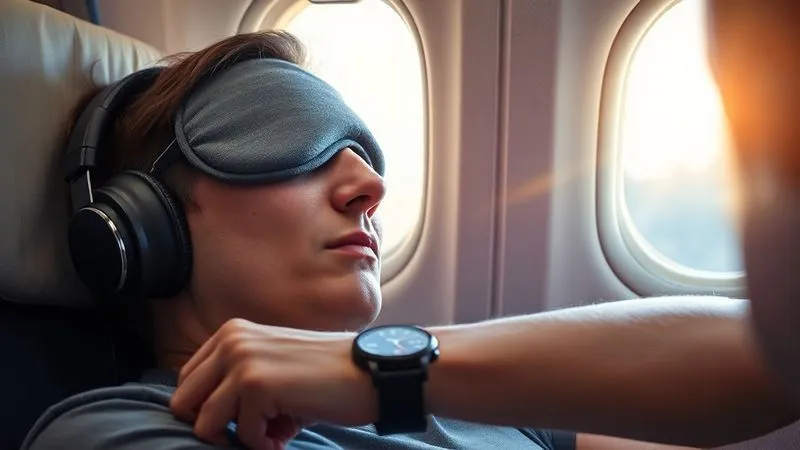
This is arguably the most critical in-flight strategy. Upon boarding, immediately set your watch to your destination's time. Then, act as if you are already in that time zone. If it's daytime at your destination, keep your window shade open and expose yourself to light (even artificial cabin light). If it's nighttime, wear an eye mask and try to sleep. This signals to your brain that a new schedule has begun.
Upon arrival, immediately seek out natural daylight if it's daytime. Sunlight is the most potent zeitgeber (time-giver) for your circadian clock. Spend time outdoors, even if it's just a walk around the airport or hotel grounds. This helps suppress melatonin production during the day and promotes its release at night.
Post-Arrival Acclimatization: Accelerating On-Snow Readiness
The first 24-48 hours after arrival are pivotal. Your focus should be on rapidly aligning your internal clock with the new environment while gently introducing yourself to the demands of the slopes.
The Power of Early Morning Light Exposure
As mentioned, natural light is key. On your first morning, get outside within an hour of waking. Even if you feel groggy, resist the urge to stay indoors. Aim for 30-60 minutes of outdoor exposure. This helps suppress melatonin and signals to your body that the day has begun. For competitive snowboarders, this might mean a gentle walk or some light stretching outdoors, not immediately hitting the park at full speed.
Optimized Training Schedules & Rest Days
Don't jump straight into high-intensity training. Your body needs time to adapt. I always advise my athletes to schedule lighter, lower-impact sessions for the first day or two. Focus on getting comfortable with the snow conditions, doing some warm-up runs, and light drills. Gradually increase intensity over the next few days. A common mistake is pushing too hard too soon, which can lead to fatigue, poor performance, and increased injury risk.
Case Study: Chloe's Comeback from Jet Lag
Chloe, a promising young slopestyle snowboarder, consistently struggled with international competitions. After flying from California to Switzerland, her first few training days were always marred by sluggishness, poor balance, and frustration. Her coach observed a significant drop in trick consistency and confidence. By implementing a structured jet lag protocol, focusing on pre-syncing her sleep by 30 minutes daily for 4 days, strategic in-flight light exposure, and immediate morning light upon arrival, Chloe saw a dramatic improvement.
Her first post-protocol trip to Japan showed remarkable results. She felt less groggy, was able to perform 70% of her usual training intensity on day one (compared to 30% previously), and reported significantly better sleep from the first night. This resulted in a top-5 finish, her best international result to date, directly attributed by her and her coach to minimizing jet lag impact on competitive snowboarding performance through proactive management.
“The first 48 hours are not about pushing your limits, but about gently coaxing your body into its new rhythm. Patience and consistency are your allies.”
Nutritional Nuances: Fueling Your Circadian Rhythm
Beyond general healthy eating, specific nutritional strategies can aid jet lag recovery by influencing your circadian clock and supporting overall recovery.
Targeted Micronutrients & Supplements
While no 'magic pill' exists, certain nutrients and supplements can be helpful. Magnesium, for instance, is known to aid relaxation and sleep. B vitamins play a role in energy metabolism and can help combat fatigue. Some athletes also use small, time-release doses of melatonin, particularly for eastward travel, to help induce sleep at the appropriate local bedtime. However, always consult with a sports nutritionist or physician before incorporating new supplements, especially in competitive sports where anti-doping regulations apply.
- Magnesium: Aids muscle relaxation and sleep quality.
- B Vitamins: Support energy metabolism and reduce fatigue.
- Omega-3 Fatty Acids: Anti-inflammatory properties, beneficial for overall recovery.
- Probiotics: Support gut health, which can be disrupted by travel and time zone changes.
- Melatonin: Use cautiously and strategically, primarily for sleep induction at destination bedtime.
Focus on nutrient-dense foods: lean proteins for muscle repair, complex carbohydrates for sustained energy, and plenty of fruits and vegetables for antioxidants and essential vitamins. Avoid heavy, fatty, or sugary foods, especially close to bedtime, as they can disrupt digestion and sleep.
| Supplement | Benefit for Jet Lag | Timing |
|---|---|---|
| Magnesium | Muscle relaxation, sleep quality | Evening |
| B Vitamins (Complex) | Energy metabolism, fatigue reduction | Morning |
| Omega-3s | Anti-inflammatory, overall recovery | Daily with meals |
| Melatonin (low dose) | Sleep induction | 30-60 min before new bedtime (eastward travel) |
Sleep Architecture: Rebuilding for Peak Performance
Sleep is the cornerstone of recovery and performance. Re-establishing healthy sleep patterns is paramount for minimizing jet lag impact on competitive snowboarding performance.
Creating the Ideal Sleep Environment
Your bedroom should be a sanctuary for sleep. This means making it as dark, quiet, and cool as possible. Use blackout curtains, earplugs, and an eye mask if necessary. The ideal temperature for sleep is typically between 60-67°F (15-19°C). Consistent sleep hygiene practices, such as a relaxing pre-sleep routine, are even more important when your body is trying to adjust.
Avoid screens (phones, tablets, laptops) for at least an hour before bed. The blue light emitted by these devices can suppress melatonin production, making it harder to fall asleep. Instead, read a book, listen to calming music, or practice light stretching.
Melatonin and Other Sleep Aids: When and How?
Melatonin can be a useful tool, but it's not a magic bullet. It's most effective when used strategically to signal to your body that it's time to sleep in the new time zone. For eastward travel, a small dose (0.5mg - 3mg) taken 30-60 minutes before your new bedtime can help. For westward travel, it's generally less necessary, as your body naturally wants to stay awake longer. Always prioritize natural light exposure and good sleep hygiene first.
“Don't underestimate the power of a perfectly curated sleep environment. It's a critical component in resetting your internal clock and maximizing recovery.”
Avoid over-reliance on stronger sleep medications unless prescribed by a doctor and used under strict guidance, as they can have side effects and interfere with the quality of deep sleep, which is crucial for athletes. Focus on behavioral strategies first.
Mindset and Mental Fortitude: The Unseen Edge
Jet lag isn't just physical; it's a significant mental challenge. Maintaining a strong, positive mindset is crucial for navigating the disorientation and frustration that often accompany time zone changes.
Visualization and Mindfulness Techniques
Mental preparation can significantly impact your physical experience. Before and during your trip, practice visualization. Imagine yourself waking up refreshed in the new time zone, performing flawlessly on the slopes, and feeling completely adjusted. This mental rehearsal can prime your brain for success.
Mindfulness and meditation can help manage the anxiety and irritability that jet lag can induce. Simple breathing exercises or short meditation sessions can calm your nervous system, improve focus, and promote a sense of control amidst disruption. These techniques are increasingly recognized by elite athletes for their role in overall performance and well-being, as highlighted by resources like the American Psychological Association.
Managing Performance Anxiety Post-Travel
It's natural to feel anxious about performance when you know your body isn't at 100%. Acknowledge these feelings without judgment. Remind yourself that you've prepared, and you have strategies in place. Focus on what you can control: your recovery protocols, your nutrition, and your mental game. Avoid dwelling on past struggles with jet lag; instead, focus on the present moment and the tools you have to overcome it.
Engage in light social interaction upon arrival. Connecting with teammates or local staff can help ground you in the new environment and reduce feelings of isolation that can exacerbate jet lag symptoms. A balanced approach to minimizing jet lag impact on competitive snowboarding performance includes robust mental strategies.
Monitoring & Adaptation: Listening to Your Body
No two athletes are identical, and no two trips are exactly the same. The final crucial step in managing jet lag is to listen to your body and adapt your strategies accordingly.
Wearables and Data Tracking
Modern wearable technology (smartwatches, rings, chest straps) can provide valuable insights into your sleep patterns, heart rate variability (HRV), and recovery metrics. Tracking these data points before, during, and after travel can help you understand how your body is responding to time zone changes. For example, a consistently low HRV might indicate increased stress or insufficient recovery, signaling that you need to adjust your training intensity or prioritize rest.
Use this data not as rigid rules, but as guidance. If your sleep tracking shows fragmented sleep despite your best efforts, you might need an extra rest day or a longer acclimatization period before high-intensity training. This data-driven approach allows for personalized adjustments, refining your strategy for minimizing jet lag impact on competitive snowboarding performance over time.
Post-Competition Recovery Protocols
The journey home also warrants attention. While the pressure of competition is off, maintaining some aspects of your jet lag strategy can ease the transition back to your home time zone. Continue to prioritize hydration, good nutrition, and consistent sleep. Consider a gradual re-adjustment if your home time zone is significantly different from your competition location, rather than an abrupt switch. This prevents a 'reverse jet lag' and helps maintain overall well-being.
Reflect on what worked and what didn't during your trip. Keep a travel journal detailing your strategies, how you felt, and your performance. This personal data is invaluable for continuously improving your approach to international travel and competitive readiness. Learning from each experience is how true veterans are made.
The World Health Organization (WHO) emphasizes the importance of a healthy diet in overall well-being, which directly impacts an athlete's ability to recover from travel.Frequently Asked Questions (FAQ)
Question: How many days should I budget for acclimatization for a 9-hour time difference? Answer: As an experienced industry specialist, I'd recommend a minimum of 1 day per time zone for full physiological adjustment, though competitive athletes often don't have this luxury. For a 9-hour difference, aim for at least 3-5 days of dedicated acclimatization before high-intensity training or competition. The first 2-3 days should be focused on light activity and rigorous jet lag protocols, gradually increasing intensity. Eastward travel generally requires more time to adjust than westward travel.
Question: Is it better to nap or push through fatigue when experiencing jet lag? Answer: This is a nuanced one. Short, strategic 'power naps' (20-30 minutes) can be beneficial to combat extreme daytime sleepiness and improve alertness without entering deep sleep that can worsen nighttime sleep. However, avoid long naps (over 60-90 minutes) during the day, especially if it's past your new local afternoon, as this can severely disrupt your ability to fall asleep at the appropriate local bedtime. Prioritize nighttime sleep, and use naps only as a temporary bridge.
Question: Can specific foods or supplements really prevent jet lag? Answer: No food or supplement can 'prevent' jet lag entirely, as it's a physiological response to time zone changes. However, certain foods and supplements can support your body's adjustment. Hydration is key. Light, nutrient-dense meals can help. Melatonin, used strategically and in small doses, can aid sleep onset. Magnesium can help with relaxation. Always focus on holistic strategies—light exposure, sleep hygiene, and meal timing—as the primary drivers, with supplements playing a supportive role. Consult a sports physician before using any supplements, especially for competitive athletes.
Question: What's the biggest mistake competitive snowboarders make regarding jet lag? Answer: In my experience, the biggest mistake is underestimating it and failing to plan proactively. Many athletes focus solely on training and equipment, neglecting the critical impact of travel on their physiology and psychology. They arrive exhausted, push too hard too soon, and then wonder why their performance is subpar. The lack of a structured pre-flight and post-arrival protocol is a consistent performance limiter. Treating jet lag as an integral part of your competition strategy, not an afterthought, is vital.
Question: How does jet lag affect mental focus and decision-making on the slopes? Answer: Jet lag significantly impairs cognitive function. It can slow down reaction times, reduce your ability to process complex information quickly, and decrease overall concentration. For a competitive snowboarder, this means slower responses to changing snow conditions, impaired judgment when selecting lines or executing tricks, and a reduced capacity for split-second decision-making during a run. This mental dullness can directly translate to poorer performance, increased risk of error, and even injury. Maintaining peak mental acuity is as important as physical readiness.
Key Takeaways and Final Thoughts
Minimizing jet lag impact on competitive snowboarding performance is not a luxury; it's a strategic imperative for any athlete with international aspirations. It’s a complex challenge, but one that can be managed effectively with a proactive, multi-faceted approach.
- Proactive Planning is Paramount: Start adjusting your sleep and meal schedules days before departure.
- Hydration and Light Exposure are Your Core Tools: Drink water, manage light exposure actively in-flight and upon arrival.
- Gentle Acclimatization, Not Immediate Intensity: Ease into training; prioritize rest and recovery in the first few days.
- Nutritional Support and Sleep Hygiene: Fuel your body wisely and create an optimal sleep environment.
- Embrace Mental Strategies: Use visualization and mindfulness to maintain focus and manage anxiety.
- Listen to Your Body and Adapt: Use data and self-awareness to refine your personal jet lag strategy.
The path to elite performance in competitive snowboarding is paved with meticulous preparation, and that includes mastering the art of travel. By integrating these expert strategies into your routine, you’re not just fighting jet lag; you’re building resilience, optimizing recovery, and ultimately, ensuring you bring your absolute best to every mountain, every competition, no matter where in the world it takes you. Ride hard, ride smart, and never let time zones dictate your potential.
Recommended Reading
- Busy Execs: 5 Smart Ways to Maximize Short, Affordable Excursions
- 5 Steps: What to Do When Hotel Construction Blocks Your Ocean View
- 7 Steps: How to Exploit Airline Pricing Errors for Cheap International Travel
- 7 Proven Strategies: Mitigating Extreme Risks in Remote Wilderness Tours
- Eco-Tourism's Carbon Footprint: 7 Steps to Accurate Measurement & Reporting




Your email address will not be published. Required fields are marked *