

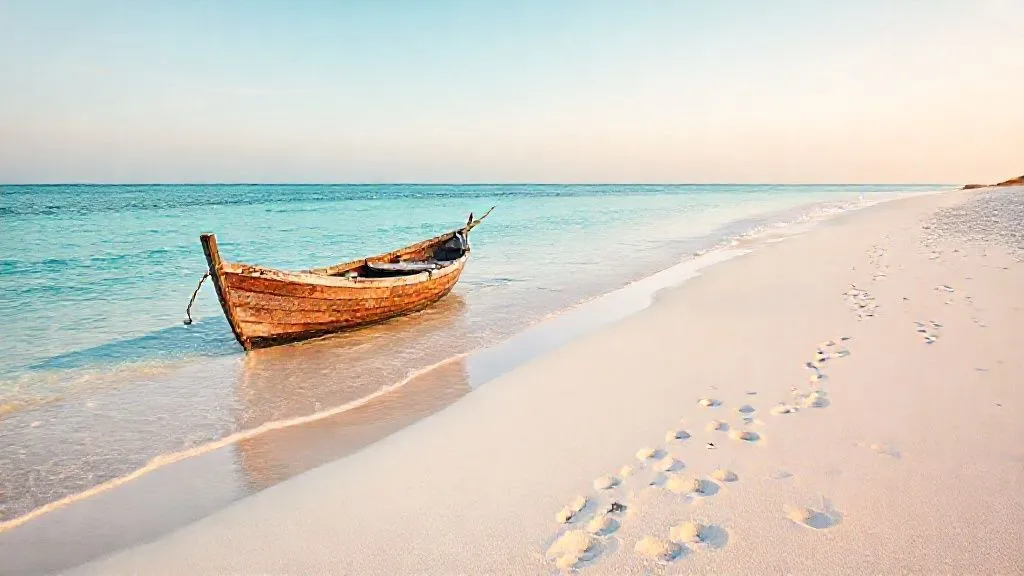
How to Recommend Untouched White Sand Beaches Avoiding Tourist Crowds
For over two decades in the travel industry, I've witnessed a disheartening trend: the dream of a pristine, untouched white sand beach often ends in disappointment, replaced by throngs of tourists, umbrella vendors, and selfie sticks. What starts as a quest for tranquility and natural beauty frequently devolves into just another crowded hotspot. This isn't just a missed opportunity for a truly rejuvenating experience; it's a testament to the challenge of finding genuine seclusion in an increasingly connected world.
The core problem lies in the conventional wisdom of travel recommendations. Guidebooks and popular blogs, by their very nature, highlight destinations that are already well-established, inadvertently contributing to their over-tourism. Travelers yearn for that postcard-perfect stretch of sand, but without the crowds, and they rely on us, the experts, to guide them. Yet, the tools and methods traditionally used often fail to unearth the truly hidden gems, leaving both the recommender and the traveler frustrated.
In this definitive guide, I'll share a battle-tested framework, honed over years of exploratory travel and deep industry insight, on how to recommend untouched white sand beaches avoiding tourist crowds. We'll delve into actionable strategies, from leveraging advanced mapping techniques to cultivating invaluable local networks, ensuring your recommendations lead to genuine discovery and sustainable enjoyment of the world's most beautiful coastlines. This isn't just about finding a beach; it's about preserving an experience.
Beyond the Brochure: The Art of Deep Dive Destination Research
The first step in genuinely recommending untouched white sand beaches avoiding tourist crowds is to move far beyond the glossy brochures and top-10 lists. True discovery requires meticulous, almost investigative, research. This is where your expertise truly shines, transforming a simple search into a geographical and cultural expedition.
Leveraging Satellite Imagery and Topographical Maps
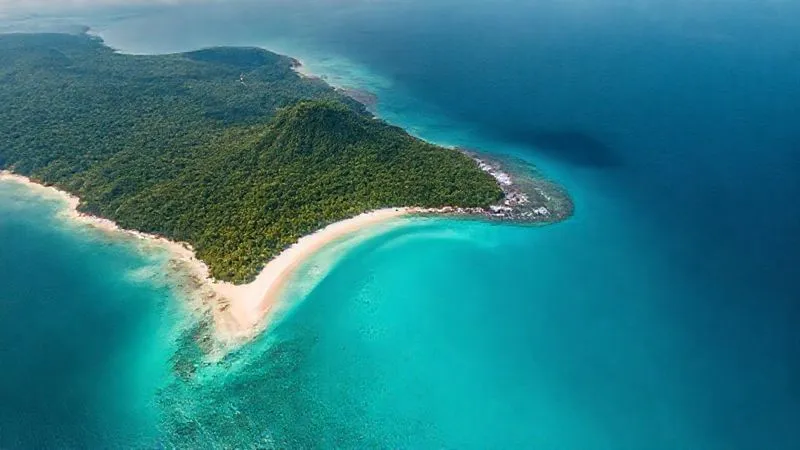
Before ever stepping foot on a potential beach, I spend hours with satellite imagery and topographical maps. Tools like Google Earth Pro, ESRI, or even specialized marine charting applications are invaluable. What am I looking for? I'm examining the surrounding land for signs of development: roads, hotels, marinas, or even cleared land for future construction. A truly untouched beach often has limited or no road access, is backed by dense vegetation, or is only reachable by boat through challenging waters.
Topographical maps reveal elevation changes. Steep cliffs or dense jungle acting as natural barriers often indicate difficult access, which is a strong predictor of seclusion. I also look for river mouths, as sediment can impact sand color and water clarity. Pay attention to the marine environment too; healthy coral reefs offshore often mean pristine waters and vibrant ecosystems, which contribute to the 'white sand' ideal.
"When assessing a potential 'untouched' beach, always look for what isn't there. The absence of infrastructure, a lack of obvious access points, and undisturbed natural surroundings are your strongest indicators of true seclusion."
Decoding Local Forums and Niche Travel Blogs
While mainstream travel sites will lead you to crowds, niche forums and hyper-local blogs are goldmines. These are often frequented by intrepid travelers, expatriates, or even local residents who share insights not found elsewhere. The language barrier can be a challenge, but translation tools have made this much easier. Look for discussions about local fishing spots, obscure hiking trails, or even warnings about difficult-to-reach areas. These often inadvertently point to secluded beaches.
- Identify Local Communities: Search for Facebook groups, Reddit subreddits, or dedicated forums focused on specific regions or islands (e.g., 'Palawan Backpackers Forum' or 'Koh Lanta Expats').
- Use Specific Keywords: Beyond 'best beaches,' try terms like 'secluded coves,' 'hidden beaches,' 'quiet spots,' 'local secrets,' or 'off-the-beaten-path.'
- Cross-Reference Information: If a beach is mentioned multiple times across different niche sources but never on major travel sites, it's a strong contender.
- Observe the Tone: Locals often speak with a protective tone about their favorite spots, hinting at their pristine nature without explicitly giving away directions.
Leveraging these non-commercial sources is crucial. They offer an unfiltered glimpse into what's truly 'untouched,' providing a level of detail and authenticity that commercial platforms simply cannot match. Lonely Planet's Thorn Tree forum, for instance, can sometimes reveal these gems if you dig deep enough.
The 'Access Challenge' Filter: Screening for Seclusion
My second critical filter for how to recommend untouched white sand beaches avoiding tourist crowds is what I call the 'Access Challenge.' The harder a beach is to reach, the fewer people will make the effort. This isn't about making travel difficult for your clients, but about identifying inherent natural barriers that safeguard a beach's tranquility.
Remote Access vs. Over-Tourism Predictors
Consider the journey itself. Does it require multiple flights, a long ferry ride, a bumpy jeep track, or even a hike through dense jungle? These are all positive indicators. Beaches accessible by direct, frequent flights and paved roads are almost guaranteed to be popular. Look for destinations that require a certain level of commitment or a willingness to forgo typical conveniences.
Think about the typical tourist profile: families with young children, elderly travelers, or those seeking all-inclusive resorts. These groups generally prefer easy, comfortable access. By identifying beaches that fall outside this comfort zone, you're already filtering out a significant portion of the mass tourism market. This strategy isn't about exclusivity; it's about identifying natural gatekeepers.
The Eco-Tourism Index: A Vetting Framework
I've developed a simple conceptual 'Eco-Tourism Index' to help vet potential untouched beaches. It's a qualitative assessment based on several factors, with higher scores indicating better preservation and lower crowds:
- Local Conservation Efforts: Is there a marine protected area? Are local communities actively involved in preservation?
- Minimal Infrastructure: Are there only a few small, locally-owned guesthouses rather than large resorts? Is electricity intermittent?
- Limited Accommodations: The fewer beds available, the fewer potential tourists.
- Waste Management: Is there visible evidence of a sustainable waste system, or is trash a problem?
- Cultural Sensitivity: Is the local culture preserved and respected, or has it been commoditized?
Beaches scoring high on this index are often those that remain genuinely untouched because their communities prioritize preservation over mass tourism development. This aligns perfectly with the goal of how to recommend untouched white sand beaches avoiding tourist crowds.
Case Study: The Secret of Palawan's Calamian Islands
Consider the Calamian Islands in Palawan, Philippines, beyond the popular El Nido and Coron. Years ago, I recommended a specific, unnamed cove to a client. The journey involved flying to Coron, then a four-hour slow boat, followed by a 30-minute paddle in a local outrigger canoe. There were no resorts, just a single, rustic homestay. This 'Access Challenge' meant only the most determined travelers reached it. The client reported back with awe-inspiring photos of a truly deserted white sand beach, vibrant coral, and an experience of profound peace. This success wasn't accidental; it was the direct result of applying the 'Access Challenge' and Eco-Tourism Index filters, proving that difficult access is often the best guardian of untouched beauty.
| Beach Type | Access Difficulty | Infrastructure Level | Crowd Level | Eco-Tourism Index |
|---|---|---|---|---|
| Mass Tourism Hub | Easy (direct flights, paved roads) | High (resorts, amenities) | High | Low |
| Emerging Destination | Moderate (some transfers, unpaved roads) | Medium (boutique hotels, growing) | Moderate | Medium |
| Untouched Gem | High (multiple transfers, boat/hike, rustic) | Low (local guesthouses, basic) | Very Low | High |
Unmasking the 'Undiscovered' Through Local Networks
In my experience, no amount of online research can replace the insights gained from genuine local connections. This is where the true art of how to recommend untouched white sand beaches avoiding tourist crowds comes into its own. Locals are the custodians of their environment and the keepers of secrets.
Cultivating Relationships with Local Guides and Fishermen
When I travel to a potential destination, my first priority is to connect with locals who have an intimate, generational knowledge of the area. This means speaking with fishermen, local guides (especially those specializing in birdwatching or hiking, not just general tours), and even small business owners in non-touristy parts of town. They know the hidden coves, the best times to visit, and the local customs that preserve these spots.
Building trust is key. It's not about extracting information; it's about genuine interest and respect. Offer to buy them a meal, spend time listening to their stories, and show that you appreciate their heritage. Often, the most valuable information comes not from direct questions about 'secret beaches,' but from casual conversations about local life, fishing routes, or places they go to escape their own daily grind.
- Stay in Local Accommodations: Opt for homestays or small, family-run guesthouses rather than international chains.
- Learn Basic Phrases: A few words in the local language go a long way in showing respect and breaking down barriers.
- Eat Local: Frequent local eateries and markets. This is where you encounter genuine community life and make connections.
- Hire Local Guides for Non-Beach Activities: A hiking guide might inadvertently lead you past a stunning, inaccessible beach.
The Power of Off-Season and Shoulder Season Exploration
Even a moderately popular beach can feel untouched during the right time of year. This isn't just about avoiding school holidays; it's about understanding seasonal weather patterns, local festivals, and migration periods. The 'off-season' often means fewer crowds, lower prices, and a more authentic cultural experience, though it might come with a trade-off like increased rainfall or stronger winds.
Shoulder seasons (the periods just before and after peak season) are particularly valuable. You often get decent weather, fewer tourists than peak, and many establishments are still open. For example, recommending a Caribbean beach in early December or late April can provide a vastly different experience than visiting in mid-February. Always research local weather patterns meticulously to balance crowd avoidance with a pleasant visit. Travel + Leisure often publishes guides on optimal travel times that can be a good starting point.
Sustainable Recommendation: Protecting Paradise While Promoting It
As experts in travel, we bear a significant responsibility. Recommending untouched white sand beaches avoiding tourist crowds isn't just about finding them; it's about ensuring their preservation. The very act of sharing a 'secret' carries the risk of destroying it. This ethical dimension is paramount in my approach.
Educating Travelers on Low-Impact Practices
When you recommend an untouched beach, it's vital to pair that recommendation with clear guidelines for sustainable and low-impact travel. This includes:
- Leave No Trace: Emphasize packing out everything brought in, including all trash.
- Respect Wildlife: Maintain distance, do not feed animals, and avoid disturbing nesting sites.
- Use Reef-Safe Sunscreen: Crucial for protecting delicate marine ecosystems.
- Support Local Economies Directly: Encourage buying from local vendors, eating at small family-run restaurants, and hiring local guides. Avoid large, foreign-owned establishments that contribute less to the local community.
- Conserve Resources: Be mindful of water and electricity usage, especially in remote areas where resources are often scarce.
By framing the recommendation with these principles, you empower your clients to be part of the solution, not the problem. This isn't just about enjoying a pristine beach; it's about preserving it for future generations. Responsible Travel offers excellent resources on low-impact tourism.
The Ethical Dilemma: When Not to Share
This is perhaps the most challenging aspect of how to recommend untouched white sand beaches avoiding tourist crowds. There are times when the best recommendation is no recommendation at all. Some places are so fragile, so truly pristine, that even a handful of new visitors could irrevocably alter them. This requires a deep understanding of the local ecosystem's carrying capacity and the community's willingness to welcome outsiders.
"True expertise in recommending untouched destinations lies not just in finding them, but in understanding when to exercise discretion. The most responsible recommendation is sometimes silence, protecting a fragile paradise from unintended consequences."
I've personally chosen not to share certain discoveries, even with trusted clients, because the potential for negative impact outweighed the benefit of the experience. This isn't about hoarding secrets; it's about responsible stewardship. Always consider the long-term impact of your recommendations.
Vetting the 'White Sand' Purity: Beyond the Photoshopped Image
The term 'white sand beach' is often used loosely. To truly recommend untouched white sand beaches avoiding tourist crowds, you need to understand what constitutes genuine white sand and how to verify its purity, especially when relying on images that might be enhanced.
Understanding Sand Composition and Marine Health Indicators
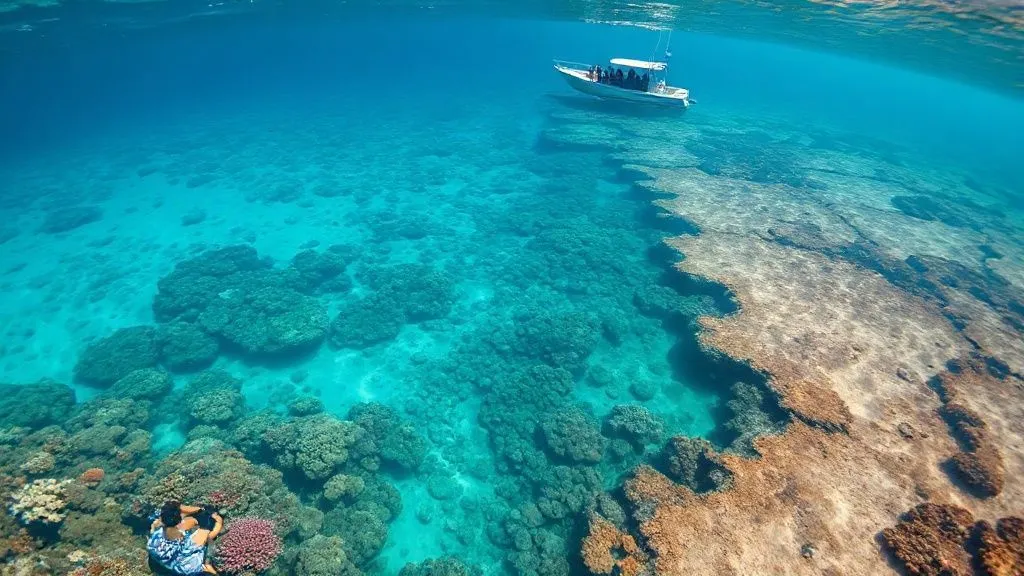
Truly white sand beaches are typically formed from finely ground coral, shells, and other marine organisms, not quartz. This composition often indicates a healthy marine ecosystem offshore, as coral reefs are the primary source of this type of sand. I look for visual cues beyond just the color: the texture of the sand (fine and powdery), the clarity of the water (crystal-clear, allowing visibility of the seafloor), and the presence of healthy coral or seagrass beds just offshore.
Conversely, sand composed primarily of volcanic rock or river sediment will be darker. While beautiful, it's not the 'white sand' ideal. Understanding these geological and biological factors helps you differentiate between a genuinely pristine white sand beach and one that merely appears light-colored in photos.
Red Flags: Spotting Signs of Environmental Degradation
During your research, be vigilant for red flags that indicate a beach is either not truly untouched or is undergoing degradation. These include:
- Visible Plastic Pollution: Even small amounts indicate a lack of proper waste management or heavy visitor traffic.
- Algal Blooms or Murky Water: Can be a sign of agricultural runoff, sewage, or other pollutants.
- Extensive Construction: New hotels, resorts, or infrastructure projects are a sure sign that the beach's 'untouched' status is fleeting.
- Erosion or Damaged Vegetation: Can be caused by unsustainable development or heavy foot traffic.
- Absence of Marine Life: If the water looks clear but there's no visible fish or coral, it's a warning sign.
Always cross-reference recent satellite imagery with the latest user-generated photos (if available from niche sources) to get the most current picture. Organizations like Oceana provide valuable reports on marine health that can inform your vetting process.
Crafting the Perfect Recommendation: Detail, Nuance, and Expectations
Once you've identified and vetted a truly untouched white sand beach, the way you present the recommendation is crucial. It's not just about naming a place; it's about setting accurate expectations and providing the context necessary for a fulfilling, responsible experience.
Setting Realistic Expectations for 'Untouched'
'Untouched' rarely means 'luxurious.' It often implies rustic charm, limited amenities, and a need for self-sufficiency. Be upfront with your clients about what they can expect:
- Basic Accommodations: Perhaps a simple hut, a tent, or a very modest guesthouse.
- Limited Services: No Wi-Fi, no fancy restaurants, potentially no electricity for extended periods.
- Natural Challenges: Mosquitoes, unpredictable weather, rougher seas for access.
- Self-Reliance: The need to bring personal supplies, snacks, and medications.
By setting these realistic expectations, you prevent disappointment and ensure that clients who seek genuine seclusion are prepared for the realities of such an adventure. The goal is to provide a truly authentic experience, not a sanitized version of paradise.
The 'Why' Behind Your Recommendation
Don't just recommend a beach; explain *why* it's special and *why* it fits their desire for an untouched experience. Focus on the unique qualities:
- Ecological Significance: Highlight the pristine marine life, the untouched jungle backdrop.
- Cultural Immersion: Emphasize interactions with local communities, traditional fishing methods.
- Sense of Discovery: Frame it as an adventure, a personal triumph to reach such a secluded spot.
- Peace and Serenity: Stress the absence of noise, crowds, and commercialism.
This narrative transforms a mere location into a compelling experience, reinforcing the value of your expert recommendation on how to recommend untouched white sand beaches avoiding tourist crowds.
| Feature | Popular Beach | Untouched Beach |
|---|---|---|
| Accessibility | Easy, direct | Challenging, multi-modal |
| Amenities | Full-service resorts, restaurants | Basic, local guesthouses, self-catering |
| Crowd Level | High | Very Low |
| Natural State | Developed, manicured | Wild, preserved |
| Experience Focus | Convenience, entertainment | Tranquility, nature, local culture |

Leveraging Technology Responsibly for Discovery and Discretion
While I advocate for old-school research and local connections, modern technology plays a crucial role in vetting and confirming 'untouched' status, provided it's used discerningly. It's about using tools for discovery without contributing to over-exposure.
Advanced Mapping Tools and Hyper-Local Weather Analytics
Beyond basic satellite imagery, explore specialized mapping tools. Apps like Windy.com offer hyper-local wind, wave, and weather forecasts, crucial for assessing sea conditions for boat access or identifying potential erosion risks. Tide charts and marine navigation apps can help predict optimal times for visiting tidal islands or coves. These tools allow for a deeper understanding of the natural dynamics of a beach, which directly impacts its 'untouched' quality and accessibility.
Furthermore, using GIS (Geographic Information System) data, often available from government environmental agencies, can reveal protected areas, ecological zones, and even historical land use, all of which contribute to a comprehensive assessment of a beach's long-term untouched potential.
Balancing Social Media's Influence
Social media is a double-edged sword. While it can quickly over-expose a hidden gem, it can also be a tool for discovery if used strategically. I often use specific, hyper-local hashtags (e.g., #[IslandName]locals, #[LocalVillage]fishing) on platforms like Instagram to find recent, uncurated photos from locals. These can offer real-time insights into crowd levels, cleanliness, and local activities, without contributing to the wider 'viral' spread.
The key is discretion. Never encourage clients to geotag or widely share their untouched discoveries on public platforms. Educate them on the 'leave no trace' principle extends to digital footprints too. The goal is to provide a unique experience, not to create the next viral sensation that destroys the very thing you sought to preserve.
Building Your Personal 'Untouched Beach' Portfolio
Over time, as you refine your methods for how to recommend untouched white sand beaches avoiding tourist crowds, you'll accumulate a valuable portfolio of vetted destinations. This isn't just a list; it's a dynamic, living database of your expertise.
Documenting Your Discoveries Systematically
Create a systematic way to document each potential beach. For each entry, include:
- Location Coordinates: Precise GPS data.
- Access Notes: Detailed instructions on how to get there, including transport options, estimated times, and potential challenges.
- Vetting Score: Your personal 'Eco-Tourism Index' or similar qualitative assessment.
- Local Contacts: Names, numbers, or organizations of trusted locals.
- Environmental Notes: Observations on marine health, flora, fauna, and any red flags.
- Best Time to Visit: Based on weather, tides, and local events.
- Recommended Client Profile: Who would this beach be perfect for?
- Photos/Videos: Your own unedited media to provide an accurate visual.
This meticulous documentation allows you to quickly and confidently match clients with the perfect untouched experience, reinforcing your authority and trustworthiness.
Continuous Learning and Re-Evaluation
The world's untouched beaches are not static. Climate change, local development, and shifting tourism patterns mean that a beach that was pristine five years ago might be crowded today. Continuous learning and re-evaluation are essential. Make it a practice to:
- Revisit Destinations: Periodically re-evaluate your top recommendations.
- Stay Informed: Follow environmental news, local development projects, and tourism trends for your target regions.
- Seek Feedback: Ask clients for detailed feedback on their experience, not just about the beach itself, but also about the journey and any changes they observed.
Your portfolio of untouched beaches is a testament to your ongoing commitment to genuine, sustainable travel. It's a living document that requires constant care and updating to maintain its value.
Frequently Asked Questions (FAQ)
Question: How do I know if a beach is truly 'untouched' or just poorly marketed? The distinction often lies in the depth of research and the type of sources. Poorly marketed beaches might still have some infrastructure or be known locally but lack widespread commercial promotion. Truly untouched beaches, as discussed, usually have significant access barriers, minimal to zero infrastructure, and their 'discovery' often comes from hyper-local sources or personal exploration, not conventional marketing. Look for the absence of amenities and visible development, coupled with difficult access, as strong indicators.
Question: What are the biggest risks of recommending an 'untouched' beach? The primary risks are over-exposure, leading to the beach losing its untouched status; client dissatisfaction due to unexpected rustic conditions or lack of amenities; and potential safety concerns if access is genuinely challenging and not properly managed. There's also the ethical dilemma of potentially disrupting fragile ecosystems or local cultures. Mitigation involves thorough vetting, setting clear expectations, and providing detailed safety guidance.
Question: Is it ethical to share these 'secrets' if it leads to more visitors? This is a core ethical challenge. My approach is to share with extreme discretion, emphasizing sustainable practices, and sometimes choosing not to share at all if a location is too fragile. The goal is to facilitate responsible travel for a discerning clientele, not mass tourism. It's about educating travelers to be stewards, not just visitors, and often focusing on the experience of discovery rather than just the destination.
Question: What's the role of local government/communities in preserving these spots? Local governments and communities are the ultimate custodians. Their policies on land use, waste management, marine protection, and tourism development directly impact a beach's untouched status. Engaging with local conservation groups and supporting community-led initiatives is crucial. Often, the best untouched beaches are those where the community actively chooses preservation over commercial exploitation, sometimes by limiting access or development.
Question: How can I prepare clients for a truly 'rustic' untouched beach experience? Preparation is paramount. Provide a detailed packing list that includes essentials like a first-aid kit, insect repellent, reef-safe sunscreen, reusable water bottles, and even a power bank. Clearly communicate about limited or no Wi-Fi/cell service, basic bathroom facilities, and the potential for insects or other wildlife. Emphasize the unique reward of disconnecting and experiencing raw nature, framing any 'hardships' as part of the authentic adventure.
Key Takeaways and Final Thoughts
Mastering how to recommend untouched white sand beaches avoiding tourist crowds is a nuanced skill, blending meticulous research with ethical consideration and deep industry experience. It's a journey that goes far beyond surface-level recommendations, delving into the heart of what makes a destination truly special and sustainable.
- Deep Dive Research: Utilize satellite imagery, topographical maps, and niche local forums to identify truly secluded spots.
- Access as a Filter: Embrace challenging access as a key indicator of genuine seclusion, filtering out mass tourism.
- Cultivate Local Networks: Build trust with local guides and communities for invaluable, authentic insights.
- Prioritize Sustainability: Educate clients on low-impact travel and know when to exercise discretion in sharing.
- Vet for Purity: Understand sand composition and marine health, and spot red flags of degradation.
- Set Clear Expectations: Accurately portray the rustic realities of untouched destinations.
- Leverage Tech Responsibly: Use advanced tools for discovery, but avoid contributing to over-exposure.
- Build a Living Portfolio: Systematically document and continuously re-evaluate your discoveries.
The reward for this diligent effort is immense: the ability to provide your clients with truly transformative experiences, connecting them with the raw beauty of our planet in a way that respects both nature and local communities. As an expert, your role is not just to point to a destination, but to guide a journey of responsible discovery. Embrace this challenge, and you'll unlock unparalleled value for your clients and contribute meaningfully to the preservation of these precious paradises.
Recommended Reading
- 5 Ethical Steps: How to Prevent Cultural Appropriation in Indigenous Tradition Tours?
- 7 Steps: Measure True Environmental Impact of Eco-Travel Itineraries?
- Shore Excursion Canceled? 7 Expert Steps to Salvage Your Cruise Day
- Resolving Severe Cultural Conflicts: A Volunteer's Guide to Host Harmony
- International Train Changes? 7 Urgent Fixes for Last-Minute Itineraries



Your email address will not be published. Required fields are marked *