

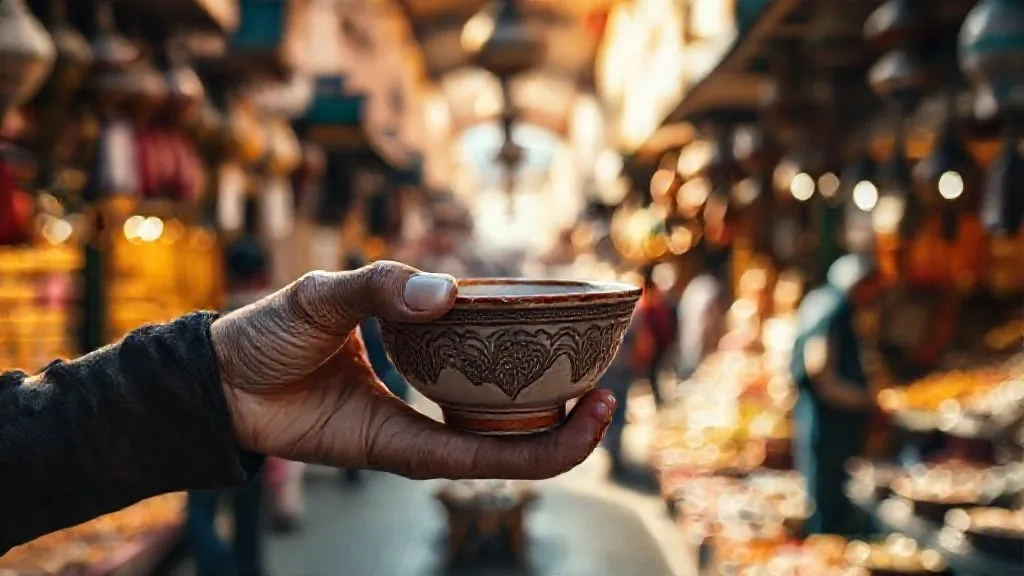
How to verify authentic artisan quality in chaotic city markets?
For over two decades, I've navigated the labyrinthine lanes of markets from Marrakech to Mexico City, each visit a vibrant symphony of sights, sounds, and, regrettably, sometimes a cacophony of confusion. My passion for travel has always been intertwined with a deep appreciation for local craftsmanship, the stories woven into every thread, carved into every piece of wood, or painted onto every canvas. I’ve seen firsthand the sheer joy of discovering a truly unique, authentic artisan piece, and conversely, the disappointment of realizing a treasured souvenir was merely a mass-produced imitation.
The allure of a bustling city market is undeniable—the vibrant chaos, the exotic aromas, the energetic bartering. Yet, beneath this captivating surface lies a significant challenge for the discerning traveler: how to distinguish genuine artisan quality from clever fakes or generic tourist merchandise. This isn't just about avoiding a bad purchase; it's about respecting cultural heritage, supporting local economies, and bringing home a piece that truly tells a story, not just a price tag.
This guide isn't just a list of tips; it's a framework built from years of experience, designed to empower you with the knowledge and confidence to navigate even the most chaotic city markets. We'll delve into actionable strategies, expert insights, and real-world scenarios that will transform your market visits from a gamble into a gratifying quest for authentic artisan quality. By the end, you'll possess the tools to not only verify the authenticity of a craft but also to connect with the heart and soul behind each unique creation.
The Artisan's DNA: Understanding Craftsmanship Fundamentals
Before you even step foot into a market, understanding what truly defines "artisan quality" is paramount. It’s more than just being handmade; it's about the intention, the skill, the materials, and the story embedded within the object itself. I've often told fellow travelers that a true artisan piece carries the fingerprint of its creator, not just physically, but spiritually.
What Defines "Artisan Quality"?
Authentic artisan quality is characterized by several key elements:
- Uniqueness: No two handcrafted items are ever perfectly identical. Subtle variations are the hallmarks of human touch, not machine precision.
- Skill & Technique: The item demonstrates a mastery of traditional or innovative techniques, often passed down through generations. Look for intricate details, consistent patterns (where intended), and a high level of finish.
- Material Integrity: Artisans typically use high-quality, often locally sourced, and appropriate materials. They understand the properties of these materials and how to best utilize them.
- Story & Provenance: A genuine artisan piece often comes with a narrative—about the maker, the cultural significance, or the process of creation. This story adds immense value beyond the physical object.
The Pitfalls: Mass-Produced vs. Handcrafted
The line between handmade and mass-produced can be blurry in a bustling market. Many vendors might claim an item is "handmade" when it's merely assembled by hand from machine-made components, or worse, entirely factory-produced in a developing country and imported. True handcrafted items show irregularities, character, and a connection to the maker's hand and local culture. Mass-produced items often have a sterile uniformity, perfect symmetry, and a lack of soul.
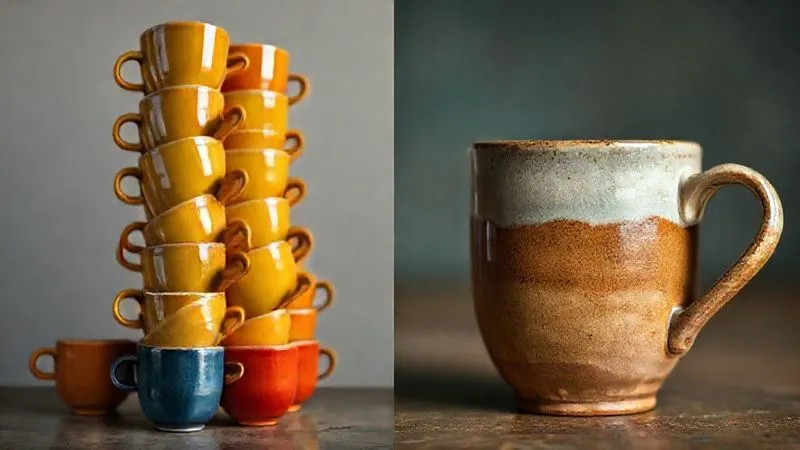
The Sensory Audit: Engaging All Your Senses
My most reliable tool for discerning quality in chaotic city markets has always been my senses. Beyond simply looking, I teach a process of truly engaging with an item, allowing its inherent qualities to speak to you. This sensory audit is crucial for how to verify authentic artisan quality in chaotic city markets.
Sight: Look for Imperfections and Detail
Your eyes are your first line of defense. Don't just glance; scrutinize. Look for signs of human touch, not machine perfection.
- Subtle Irregularities: Perfect symmetry can be a red flag. Hand-stitched seams might have slight variations, hand-carved wood might show tool marks, and hand-painted designs will have unique brushstrokes.
- Finishing Touches: Examine edges, seams, and joins. Are they neatly finished or hastily assembled? High-quality artisan work pays attention to these small details.
- Color and Pigmentation: Are colors vibrant and deep, suggesting quality dyes, or do they look faded and cheap? For textiles, check if the color penetrates the fabric or if it's merely printed on the surface.
- Design Originality: Is the design unique, or does it look like something you've seen in every tourist shop globally? Authentic artisans often draw inspiration from local culture and traditions.
Touch: Feel the Materials and Construction
Don't be afraid to pick things up, feel their weight, and run your fingers over their surfaces. This tactile feedback is incredibly informative.
- Texture: Is the fabric soft, coarse, smooth, or rough in a way that aligns with its natural fibers? Does wood feel solid and warm, or light and flimsy?
- Weight: Handcrafted items, especially pottery, metalwork, or carved wood, often have a substantial weight that speaks to the density and quality of the materials used.
- Construction: For items like bags or shoes, feel the stitching. Is it tight and even? Are components securely fastened? A well-made item feels robust and durable.
- Temperature: Natural materials like stone, metal, or genuine leather often feel cool to the touch and slowly warm with your body heat, unlike plastics or synthetics.
Sound & Smell: Subtle Indicators
Often overlooked, these senses can offer crucial clues, especially with natural products.
- Sound: For pottery or glass, a gentle tap can reveal density and quality. A dull thud might indicate poorer craftsmanship or material. For wooden items, a solid knock should resonate, not sound hollow.
- Smell: Natural materials have distinct smells—the earthy scent of genuine leather, the fresh aroma of natural dyes, the subtle fragrance of certain woods. A strong chemical odor, plastic smell, or lack of any natural scent can indicate synthetic materials or mass production.
| Sensory Cue | Authentic Trait | Red Flag |
|---|---|---|
| Sight: Irregularities | Subtle variations, unique brushstrokes, hand-tool marks | Perfect symmetry, identical patterns, machine-stamped look |
| Touch: Texture | Natural fiber feel, solid wood grain, supple leather | Plastic-like smoothness, synthetic feel, flimsy construction |
| Touch: Weight | Substantial, dense feel for material type | Unusually light or hollow for its size and material |
| Smell: Aroma | Earthy leather, natural dyes, wood scent | Strong chemical odor, plastic smell, lack of natural scent |
The Maker's Mark: Seeking Evidence of the Creator
One of the most powerful ways to verify authentic artisan quality in chaotic city markets is to look for direct evidence of the maker. This goes beyond the item itself and delves into the human connection.
Signatures, Stamps, and Labels
Many genuine artisans proudly sign, stamp, or label their work. This is a mark of pride and ownership. While not all traditional crafts will have a modern signature, look for traditional maker's marks or specific regional identifiers. These can be subtle, woven into a textile, etched into metal, or carved into wood. Don't be shy to ask the vendor if there's a specific mark or signature.
The Story Behind the Piece: Engaging the Artisan
If possible, seek out stalls where the artisan themselves is present, or where the vendor is knowledgeable about the maker and process. Engaging in a conversation, even a brief one, can reveal a wealth of information. Ask about:
- The materials used and where they're sourced.
- The techniques involved in its creation.
- How long it took to make.
- Any cultural significance or story behind the design.
"Every authentic artisan piece is a narrative waiting to be told. The story of its creation, its purpose, and its maker imbues it with a value that transcends mere material worth. By seeking these stories, you're not just buying an object; you're preserving a culture."
This direct interaction is invaluable. An authentic artisan will often speak passionately and knowledgeably about their craft. A vendor selling mass-produced items will likely be vague or evasive. This aligns with the principles of true craftsmanship, as discussed in publications like Harvard Business Review, emphasizing the human element.
Beyond the Product: Observing the Vendor and Environment
Sometimes, the clues aren't in the product itself, but in its surroundings and the person selling it. I've learned that the environment of the sale can be as telling as the object itself when you're trying to figure out how to verify authentic artisan quality in chaotic city markets.
The Artisan's Presence: Are they the maker?
The ideal scenario is buying directly from the artisan. Look for stalls where the vendor seems to be actively working on similar items, or where there's a clear connection to the production process. If the person selling can genuinely explain the intricacies of the craft, they are likely either the artisan or someone intimately involved with the workshop.
Workshop Clues: Tools, Materials, Works-in-Progress
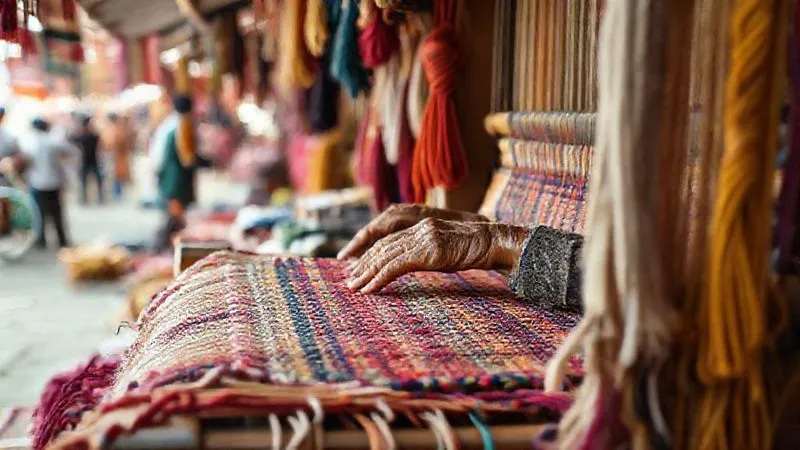
A dead giveaway for authenticity is the presence of tools, raw materials, or partially finished pieces. If you see a potter's wheel, various clays, or half-glazed bowls, you're likely in the right place. Similarly, a textile stall with looms or skeins of yarn, or a jeweler with a workbench and raw silver, indicates genuine production. These are tangible signs of a working craft space, not just a retail outlet.
Pricing Transparency: Fair Value vs. Haggling
While haggling is a cultural norm in many markets, especially in places like Morocco or Turkey, the pricing structure can offer clues. Mass-produced items often have highly flexible pricing because their cost is incredibly low. True artisan pieces, however, have a floor price based on the cost of materials, labor, and skill. While some negotiation might be expected, an artisan won't drastically slash prices, as that would devalue their painstaking work. Be respectful of their craft; a fair price supports their livelihood and ensures the continuation of their art.
The Research Edge: Pre-Market Preparation
As an industry specialist, I always emphasize that preparation is half the battle. Knowing what to look for before you even arrive at the market significantly enhances your ability to verify authentic artisan quality in chaotic city markets.
Local Craft Traditions: What to Expect
Before your trip, take some time to research the specific craft traditions of the region you're visiting. What are they known for? What materials do they traditionally use? What are the common motifs or techniques? For example, in Mexico, Talavera pottery has specific certification requirements, while in certain parts of India, block printing has distinct patterns and natural dyes. Understanding these specifics will make you a much more informed buyer.
Knowing the local context can help you appreciate the artistry and spot discrepancies. For instance, if a market in the Andes is selling "authentic" wooden clogs, but the local tradition is textiles and pottery, it might be a red flag. Online resources and travel guides are excellent for this preliminary research. A quick search for "traditional crafts of [destination]" can yield valuable insights.
Online Due Diligence: Reputable Markets & Artisans
Many cities have specific markets or cooperatives known for genuine artisan goods. A little online research can direct you to these reputable sources, often recommended by other travelers, local tourism boards, or ethical travel bloggers. Some artisans even have online presences where you can preview their work or learn about their process. This pre-screening helps you target your efforts and avoid purely tourist-trap markets.
The Red Flags: What to Avoid
While we've focused on what to look for, it's equally important to recognize the warning signs of inauthenticity. These red flags often appear when you're trying to verify authentic artisan quality in chaotic city markets.
Generic Souvenirs: The "Made in China" Trap
This is the most obvious red flag. If an item looks like something you could buy in any airport gift shop worldwide—mass-produced keychains, generic magnets, plastic trinkets—it's almost certainly not an authentic artisan piece. These items often lack any local character, story, or genuine craftsmanship. Turn them over; often the "Made in China" or similar label will be subtly visible.
Overly Aggressive Sales Tactics
While market vendors are often enthusiastic, overly aggressive or pushy sales tactics can sometimes indicate a seller who is more interested in a quick sale than in the quality or story of their goods. Authentic artisans are usually proud of their work and are happy to discuss it without intense pressure. They understand that their craft speaks for itself.
Unrealistic Prices (Too Low or Too High Without Reason)
An item priced suspiciously low for what it claims to be (e.g., "genuine leather" bag for $5) is almost certainly fake or of very poor quality. Conversely, an item priced exorbitantly high without a clear explanation of its rarity, materials, or the artisan's renown, should also raise an eyebrow. As mentioned, true artisan work has a value based on skill, time, and materials, which sets a reasonable price range.
| Red Flag Indicator | Warning Sign | Authenticity Contrast |
|---|---|---|
| Uniformity | All items look perfectly identical, no variations | Subtle differences in each piece, human touch evident |
| Material Quality | Feels cheap, plastic-like, strong chemical smell | Natural textures, appropriate weight, natural aromas |
| Price | Suspiciously low for claimed quality, or excessively high without justification | Price reflects material cost, labor, and skill; reasonable negotiation expected |
| Vendor Knowledge | Vague answers about origin, materials, or process | Artisan/vendor speaks passionately and knowledgeably about the craft |
| Origin Label | Explicit 'Made in China' or generic foreign origin on a local item | Local maker's mark, regional style, or no conflicting label |
Case Study: Unearthing a Gem in Marrakech's Souks
I recall a trip to Marrakech years ago, a city whose souks are a vibrant, overwhelming tapestry of sights, sounds, and relentless sales pitches. My mission was to find an authentic, hand-beaten copper lantern, a craft for which the city is famed. The initial stalls were a blur of shiny, mass-produced items, all claiming to be "genuine." I applied my sensory audit: the metal felt too light, the patterns too perfect, the 'aging' too uniform.
Using my "Maker's Mark" strategy, I ventured deeper, away from the main tourist thoroughfares, seeking a quieter alley where I heard the rhythmic clang of hammers. There, amidst a cluttered workshop, sat an elderly artisan, surrounded by tools and copper sheets. His hands, gnarled with decades of work, were meticulously shaping a new lantern. He didn't aggressively call out to me; he was simply absorbed in his craft.
I picked up a finished lantern. The weight was substantial, the copper felt cool and dense. The patterns, while intricate, showed the slight, beautiful imperfections of hand-beating. When I asked about his process (through a translator), his eyes lit up as he explained the specific alloys, the traditional tools, and the hours of work. He even showed me a similar piece he was still working on, demonstrating his expertise and presence. The price was firm, reflecting the labor and materials, but fair. This wasn't just a purchase; it was a connection to a centuries-old tradition, verified through careful observation and respectful engagement. This experience is a perfect illustration of how to verify authentic artisan quality in chaotic city markets, even in the most challenging environments. For more on the rich craft traditions there, consider guides like those from Lonely Planet on Marrakech shopping.
Empowering Your Purchase: Supporting True Artisans
Your decision to verify authentic artisan quality in chaotic city markets extends far beyond personal satisfaction. It's an act of empowerment, a conscious choice to support cultural preservation and sustainable livelihoods.
The Ripple Effect of Your Choice
When you choose a genuine artisan piece, you're directly supporting the individual maker, their family, and their community. You're helping to keep traditional skills alive, encouraging the next generation to learn these crafts, and contributing to the local economy in a meaningful way. This is a far cry from contributing to the often exploitative practices of mass production.
Ethical Considerations: Fair Trade and Sustainability
Authentic artisan markets often align with fair trade principles, ensuring that makers are paid fairly for their work and that sustainable practices are employed in sourcing materials. By being a discerning buyer, you're inadvertently advocating for these ethical standards. It’s a small but significant way to travel more responsibly and make a positive impact.
Frequently Asked Questions (FAQ)
Q: Is haggling always a sign of a fake, or should I avoid it entirely for authentic items? A: Haggling is a cultural norm in many markets, especially in places like North Africa and the Middle East, and isn't necessarily a sign of a fake. For authentic artisan items, respectful negotiation is often expected, but there's usually a floor price below which the artisan cannot sell due to material and labor costs. Avoid aggressive haggling that devalues their work. If a price drops by 70-80% instantly, it's a red flag.
Q: What if the artisan doesn't speak my language? How can I still learn about their craft? A: Language barriers can be challenging but not insurmountable. Use simple phrases, hand gestures, or even a translation app on your phone. Often, just observing their work, their tools, and their passion can tell you a lot. Look for visual cues like partially finished items or raw materials. A genuine artisan will often demonstrate their process with pride, even without words.
Q: How much should I expect to pay for authentic items compared to mass-produced souvenirs? A: Authentic artisan items will almost always be more expensive than their mass-produced counterparts. This is because you're paying for quality materials, skilled labor, unique design, and the story of the maker. Expect prices to reflect the time, effort, and artistry involved. If an item seems too cheap to be true, it likely is.
Q: Can online reviews be trusted for market vendors or specific stalls? A: Online reviews can be a useful starting point for identifying reputable markets or even specific vendors, especially if many reviews highlight authenticity and fair practices. However, always cross-reference with your own in-person assessment using the strategies outlined in this guide. Some reviews might be outdated or not specific enough.
Q: What's the best way to transport fragile artisan items purchased in chaotic markets? A: Always ask the vendor for packaging advice. Many experienced artisans will have suitable materials like newspaper, bubble wrap, or sturdy boxes. If not, consider carrying a lightweight, reusable shopping bag with some soft clothing or scarves to provide extra padding. For very delicate items, hand-carrying them onto your flight might be the safest option.
Key Takeaways and Final Thoughts
Navigating the vibrant, often overwhelming world of city markets is one of travel's great pleasures. But to truly enrich that experience, it's crucial to equip yourself with the knowledge of how to verify authentic artisan quality in chaotic city markets. Remember, your purchase is more than just a transaction; it's an investment in culture, skill, and human connection.
- Engage Your Senses: Trust your sight, touch, smell, and even sound to detect genuine craftsmanship.
- Seek the Maker's Story: Look for signatures, ask about the process, and connect with the artisan.
- Observe the Environment: Clues from the stall, tools, and vendor behavior are invaluable.
- Do Your Homework: Research local crafts and reputable markets before you go.
- Beware of Red Flags: Recognize generic souvenirs, aggressive sales, and unrealistic pricing.
Armed with these insights, you're not just a tourist; you're a discerning patron of the arts, a supporter of local heritage, and an explorer with an eye for true beauty. Go forth, explore, and let the authentic stories of the world's artisans enrich your travels and your home. Happy hunting!
Recommended Reading
- 7 Proven Strategies to Land High-Paying Adventure Photo Commissions
- Elevate Executive Retreats: 7 Steps for Productive Meetings on Luxury Trains
- 7 Pro Strategies: Secure Exclusive Gourmet Reservations on Tight Schedules
- Unlock Cozy Nights: The Ultimate Guide to Ensuring Comfort in Cold Weather Glamping Tents
- Are Sleeper Trains Safe for Solo Female Travelers? Your Ultimate Guide




Your email address will not be published. Required fields are marked *