

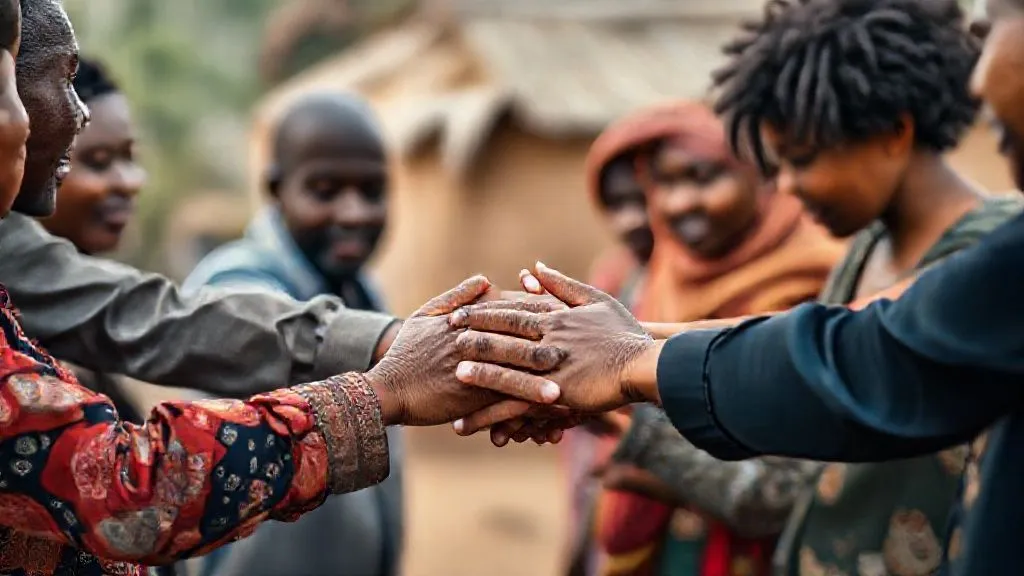
Preventing 'White Savior' Pitfalls in Short-Term Humanitarian Aid?
For over two decades in the dynamic world of volunteer travel and humanitarian aid, I've witnessed countless individuals and groups embark on short-term missions with the purest intentions. The desire to help, to make a tangible difference, is a powerful and commendable???. Yet, I've also seen, with a heavy heart, how these well-meaning efforts can sometimes inadvertently do more harm than good, creating dependency, eroding local agency, or perpetuating problematic power dynamics.
The issue at hand is the 'white savior' complex – a phenomenon where individuals, often from more privileged backgrounds, engage in aid work primarily for their own emotional gratification or to fulfill a narrative of heroism, often overlooking the complex realities and existing strengths of the communities they aim to 'save.' This isn't about shaming good intentions; it's about recognizing a systemic problem that can undermine the very essence of genuine, respectful, and sustainable aid. It's about understanding how even the most compassionate acts, if not critically examined and strategically executed, can reinforce colonial legacies and disempower local populations.
This guide isn't just a critique; it's a blueprint. Drawing from my extensive experience in the field, I'll share actionable frameworks, real-world insights, and practical strategies designed to help you navigate the complexities of short-term humanitarian aid. You'll learn how to shift from a 'savior' mentality to one of partnership, ensuring your contributions are genuinely impactful, culturally sensitive, and truly empowering for the communities you serve. This is about fostering dignity, building capacity, and creating lasting positive change, together.
Understanding the Roots of the 'White Savior' Complex
Before we can effectively prevent 'white savior' pitfalls, it's crucial to understand where this complex originates and how it manifests. It's not always overt; often, it's a subtle, ingrained way of thinking that stems from various historical, social, and psychological factors. Recognizing these roots is the first step towards conscious, ethical engagement.
Historical Context and Colonial Echoes
The 'white savior' narrative isn't new; it has deep roots in colonial history, where European powers justified their presence and exploitation in other lands under the guise of 'civilizing' or 'developing' indigenous populations. This historical backdrop created a perception of inherent superiority and a 'burden' to uplift those deemed less advanced. Even today, echoes of this past can be seen in aid models that prioritize external solutions over local wisdom, or that inadvertently portray developing nations as perpetually helpless.
As I've observed firsthand, this historical lens can unconsciously shape expectations and interactions. Volunteers might arrive with preconceived notions of what a community needs, rather than taking the time to listen and learn from those living there. This often leads to projects that are misaligned with local priorities or unsustainable once the external aid departs.
The Psychology of Helping: Intention vs. Impact
At its core, the desire to help is noble. However, the psychology behind why we help can sometimes be problematic. For some, short-term aid offers a powerful, almost addictive, sense of purpose and validation. The immediate gratification of 'making a difference,' often amplified by social media, can overshadow the critical need for long-term, sustainable impact. This isn't to say all volunteers are self-serving; rather, it highlights the importance of self-awareness.
"Good intentions, without critical self-reflection and a deep understanding of power dynamics, can pave the road to unintended harm in humanitarian aid."
I've personally coached many volunteers who, upon reflection, realized their initial motivations were as much about their own growth and experience as they were about the community. There's nothing inherently wrong with personal growth, but when it becomes the primary driver, the focus can shift away from genuine community needs. Preventing 'white savior' pitfalls in short-term humanitarian aid requires a constant interrogation of our own motivations and a commitment to prioritizing the community's well-being above all else.
Prioritizing Local Expertise and Ownership
One of the most critical shifts required in ethical short-term aid is moving from an external 'solution provider' mindset to one that deeply values and empowers local expertise. Communities are not blank slates; they possess immense knowledge, resilience, and existing structures for problem-solving. Our role is to support and amplify these, not to supplant them.
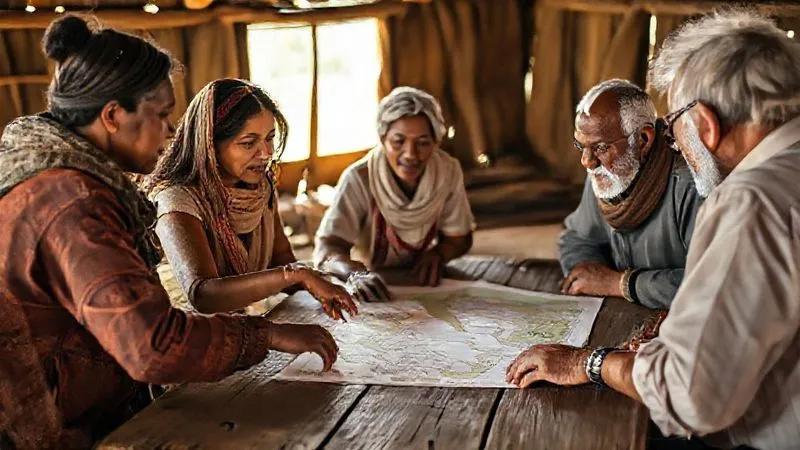
In my years in the field, I’ve seen projects flourish when local voices are genuinely at the helm, and falter when external forces dictate the terms. It’s about recognizing that sustainable change comes from within, not from without. This approach is fundamental to preventing 'white savior' pitfalls in short-term humanitarian aid.
- Engage from the Outset: Before planning any project, ensure local community leaders, elders, and relevant stakeholders are involved in the needs assessment and project design phase. Their insights are invaluable.
- Listen Actively: Dedicate significant time to listening sessions, focus groups, and informal conversations. Understand their historical context, cultural norms, and existing challenges and solutions from their perspective.
- Identify Local Assets: Work with the community to identify their strengths, resources, and existing initiatives. How can your efforts complement, rather than duplicate or undermine, what's already in place?
- Support Local Leaders: Empower local leaders and organizations by providing resources, training, and mentorship rather than taking over their roles. Their long-term presence ensures sustainability.
- Respect Indigenous Knowledge: Value traditional knowledge and practices. Often, local solutions are better adapted to the environment and culture than imported ones.
According to a report by Oxfam, initiatives that are genuinely community-led and locally owned are far more likely to achieve sustainable outcomes and avoid dependency. This principle of local leadership is not just ethical; it's pragmatically effective.
Conducting Thorough Pre-Trip Preparation and Education
The journey towards ethical engagement begins long before you step foot in the host country. A lack of adequate preparation is a common gateway to unintentional harm and can often fuel the 'white savior' mindset. True respect is demonstrated through diligent learning and an open mind.
I always emphasize to volunteers that their most valuable contribution before arrival is their education. This isn't just about reading a travel guide; it's about deep dives into history, politics, social structures, and cultural nuances. Without this foundational understanding, even the best intentions can lead to missteps, misunderstandings, and a reinforcement of external dependency.
- Historical Context: Understand the colonial history, political landscape, and major socio-economic events that have shaped the community.
- Cultural Sensitivity: Learn about local customs, etiquette, communication styles, religious practices, and social hierarchies. What are appropriate greetings? What clothing is respectful?
- Language Basics: Even a few phrases in the local language can demonstrate respect and open doors to genuine connection.
- Socio-economic Factors: Research the local economy, common livelihoods, challenges like poverty or health crises, and existing efforts to address them.
- Aid Dynamics: Familiarize yourself with the history of aid in the region. Has it been beneficial or problematic? What are the community's past experiences with foreign volunteers?
Case Study: The Harmony Project's Cultural Immersion
The Harmony Project, an organization I consulted for, faced initial challenges with volunteers inadvertently causing offense due to cultural ignorance. Their solution was to mandate an intensive, two-week pre-departure training program. This included virtual workshops with local community leaders, language lessons, and in-depth modules on local history and social etiquette. One volunteer, Sarah, initially planned to introduce a new farming technique she'd learned in her home country. After the training, she realized the community had advanced traditional methods perfectly suited to their climate, and her role shifted to supporting their existing knowledge with some minor resource provision, rather than imposing new techniques. This shift, driven by education, prevented a classic pitfall and led to a truly collaborative project, demonstrating how crucial preventing 'white savior' pitfalls in short-term humanitarian aid is through preparation.
Shifting Focus from 'Doing For' to 'Working With'
This is arguably the most significant paradigm shift required for ethical short-term aid. The 'doing for' mentality positions the volunteer as the active agent and the community as passive recipients. The 'working with' approach, however, recognizes the community as an active partner, with volunteers offering support, resources, and skills where genuinely needed and requested.
| Aspect | 'Doing For' Approach | 'Working With' Approach |
|---|---|---|
| Mindset | I am here to fix problems for them. | I am here to support their efforts and learn. |
| Role of Volunteer | Initiator, implementer, decision-maker. | Facilitator, resource provider, learner, collaborator. |
| Impact on Community | Dependency, disempowerment, short-term fixes. | Capacity building, empowerment, sustainable solutions. |
| Skill Utilization | Volunteers use their skills regardless of local need. | Skills are offered only when requested and appropriate. |
| Decision Making | External decisions imposed. | Joint decision-making, local leadership paramount. |
I've observed countless times that when volunteers arrive with a pre-set agenda of what they will 'do,' they often miss opportunities for genuine partnership. True collaboration means understanding the community's priorities, identifying where your skills intersect with their needs, and then working alongside them to achieve mutually defined goals. This is foundational for preventing 'white savior' pitfalls in short-term humanitarian aid.
- Co-creation of Projects: Instead of arriving with a fully formed project idea, engage with local partners to co-create initiatives that address their identified needs.
- Skill Exchange, Not Imposition: Offer your skills as a resource, but be open to learning from local techniques. Sometimes, the most valuable contribution is sharing knowledge in a way that builds local capacity, rather than performing tasks.
- Follow Local Lead: When working on a task, defer to local methods and pace unless there's a clear, agreed-upon reason for an alternative approach.
- Focus on Training and Mentorship: If you have specialized skills (e.g., medical, engineering), prioritize training local counterparts so they can continue the work long after you leave.
- Participate in Daily Life: Engage in cultural activities, share meals, and participate in daily routines. This builds trust and understanding, moving beyond a purely transactional relationship.
As the United Nations Development Programme (UNDP) often highlights, development initiatives are most successful when they foster national ownership and capacity building, ensuring that local institutions and individuals are equipped to drive their own progress. Their approach emphasizes the importance of empowering local actors as central to sustainable development.
Defining Realistic Goals and Measuring True Impact
One of the most common mistakes in short-term humanitarian aid is setting unrealistic expectations. Volunteers, eager to make a significant difference, often arrive with grand visions that are simply not achievable in a few weeks or months. This can lead to frustration, superficial interventions, and a failure to address underlying issues. Preventing 'white savior' pitfalls in short-term humanitarian aid demands a sober assessment of what can truly be accomplished.
The Illusion of Quick Fixes
I've seen projects that aimed to 'solve' an entire village's water crisis in two weeks. While a new well might be dug, if it's not integrated into a sustainable maintenance plan, doesn't consider local water management traditions, or if the community wasn't fully involved in its placement and design, it might fail within months. Such 'quick fixes' often create an illusion of impact without addressing systemic challenges. They prioritize visible outcomes over genuine, lasting change.
True impact in short-term missions often lies in smaller, targeted contributions that support ongoing local efforts. This might mean:
- Capacity Building: Providing specific training that empowers local individuals to perform tasks independently.
- Resource Mobilization: Helping local organizations access funding or materials they lack.
- Skill Augmentation: Filling a temporary skill gap that local staff cannot immediately cover, with a clear handover plan.
- Advocacy: Using your voice and networks back home to support the community's long-term goals.
Measuring true impact goes beyond counting the number of houses built or children taught. It involves understanding the qualitative changes in community agency, resilience, and local capacity. Are locals more empowered? Have their voices been amplified? Is the solution sustainable without external intervention? These are the questions that truly matter.
Fostering Sustainable Relationships and Long-Term Commitment
Short-term aid, by its very nature, is limited in duration. However, the impact of these short stints can be amplified and made more ethical if they are viewed as part of a longer-term relationship, rather than isolated events. True partnership extends beyond the physical presence of volunteers.

I often advise volunteers to consider their short-term trip as the beginning of a conversation, not the end. The goal isn't just to complete a project; it's to build trust, understand needs deeply, and lay groundwork for ongoing support that respects community autonomy. This is a crucial element in preventing 'white savior' pitfalls in short-term humanitarian aid.
"Sustainable aid isn't about what you do in a week or a month; it's about the relationships you build and the support systems you help local communities establish to thrive independently for years to come."
Long-term commitment doesn't necessarily mean continuous travel. It can manifest in various forms:
- Ongoing Communication: Maintaining contact with local partners, offering advice or connections when needed.
- Fundraising and Resource Support: Continuing to raise funds or gather resources for the community's self-identified projects from your home country.
- Advocacy: Educating your networks about the community's needs and strengths, challenging stereotypes, and promoting ethical engagement.
- Return Visits (Ethically): If appropriate, planning return visits to continue projects, assess progress, and reinforce relationships, always in consultation with local partners.
The aim is to become a true ally, not just a temporary helper. This requires humility, patience, and a genuine belief in the capacity of the local community to drive its own development. It's about investing in people and processes, not just projects.
Navigating Power Dynamics and Privilege Consciously
Every volunteer, especially those from more resourced nations, brings a certain level of privilege into any humanitarian aid context. This privilege can be based on wealth, nationality, race, education, or even access to resources. Ignoring these inherent power dynamics is a significant oversight and a direct path to the 'white savior' pitfall.
In my experience, acknowledging and actively navigating these power imbalances is one of the most challenging, yet essential, aspects of ethical engagement. It requires constant self-reflection and a willingness to feel uncomfortable as you confront your own positionality. It’s about understanding that your presence alone can shift dynamics, and therefore, you must act with extreme intentionality and humility to avoid inadvertently disempowering others. This is non-negotiable for preventing 'white savior' pitfalls in short-term humanitarian aid.
- Self-Awareness: Reflect on your own background, privileges, and biases. How might these influence your perceptions and interactions?
- Humility: Approach the community with a learner's mindset. You are a guest, and they are the experts on their own lives and culture.
- Active Listening: Prioritize listening over speaking. Give space for local voices to be heard and valued.
- Resource Sensitivity: Be mindful of displaying wealth (e.g., expensive gadgets, clothing). This can create a stark contrast and foster resentment or unrealistic expectations.
- Question Assumptions: Challenge any assumptions you hold about poverty, development, or the capabilities of the local community.
- Defer to Local Authority: In decision-making, always defer to the wisdom and authority of local leaders and community members.
As researcher and author Teju Cole powerfully articulated in his essay "The White-Savior Industrial Complex," the act of 'saving' often becomes more about the savior's own emotional journey than the actual needs of the saved. His critique serves as a vital reminder for all engaged in aid work.
Ethical Storytelling and Representation
Once your short-term mission is complete, the way you share your experiences back home can either reinforce harmful stereotypes or promote respectful, empowering narratives. Ethical storytelling is a powerful tool for advocacy, but it must be wielded with extreme care to avoid perpetuating the 'white savior' complex.
I've seen countless social media posts and presentations that, despite good intentions, inadvertently dehumanize individuals, sensationalize poverty, or cast the volunteer as the sole hero. This not only misrepresents the reality of the community but also undermines their agency and dignity. The goal is to share in a way that educates, inspires, and advocates for respectful partnership, not self-aggrandizement. This is a crucial final step in preventing 'white savior' pitfalls in short-term humanitarian aid.
- Seek Consent: Always obtain explicit, informed consent before taking photos or sharing stories, especially of children. Explain how the images/stories will be used.
- Focus on Strengths: Highlight the resilience, ingenuity, and strengths of the community, rather than solely focusing on their suffering or needs.
- Protect Privacy: Avoid sharing identifying details or situations that could compromise an individual's privacy or safety.
- Challenge Stereotypes: Use your platform to dismantle common stereotypes about developing nations. Emphasize complexity and nuance.
- Credit Local Partners: Always credit the local organizations, leaders, and community members who are truly driving the change.
- Reflect, Don't Project: Share your own learning and growth, but avoid making yourself the hero of the narrative. Frame your experience as part of a larger, locally-led effort.
Post-Trip Engagement and Continued Learning
The conclusion of your short-term trip is not the end of your ethical journey; it's a pivotal moment for reflection, continued learning, and sustained engagement. The insights gained and relationships forged during your time in the field should serve as a catalyst for ongoing advocacy and support from home.
I always encourage volunteers to view their experience as a seed planted, one that needs continued nurturing. The most profound impact often happens not during the trip itself, but in the sustained commitment to the community's well-being that follows. This ongoing dedication is essential for preventing 'white savior' pitfalls in short-term humanitarian aid and transforming temporary presence into lasting solidarity.
- Process Your Experience: Take time to debrief and reflect on your experiences, emotions, and lessons learned. Journaling or discussing with trusted mentors can be very helpful.
- Educate Your Networks: Share your insights with friends, family, and colleagues, focusing on responsible narratives that challenge stereotypes and promote ethical aid.
- Support Local Initiatives: Continue to support the local organizations you worked with, whether through fundraising, skill-sharing remotely, or simply staying in touch.
- Advocate for Policy Change: Use your voice to advocate for systemic changes that address the root causes of poverty and inequality, rather than just treating symptoms.
- Stay Informed: Continue to read and learn about international development, ethical volunteering, and the specific region you visited. The landscape of aid is constantly evolving.
- Challenge the Status Quo: Be an internal advocate within your own networks or organizations, questioning practices that might inadvertently foster dependency or perpetuate harmful narratives.
Your journey as an ethical volunteer doesn't end when you return home; it simply shifts its focus. By remaining engaged, reflective, and committed to continuous learning, you transform a short-term experience into a lifelong commitment to responsible global citizenship. This sustained effort truly embodies the spirit of genuine partnership.
Frequently Asked Questions (FAQ)
Question: Is short-term aid ever truly beneficial, or should I avoid it entirely to prevent 'white savior' pitfalls? Detailed answer: Short-term aid can be beneficial, but its effectiveness hinges entirely on its design and execution. The key is to ensure it's integrated into a long-term, locally-led strategy. If it fills a specific, pre-identified skill gap, provides resources that local partners explicitly request, or facilitates crucial capacity building, it can be very valuable. However, if it's primarily about volunteers 'doing' tasks that locals could do, or if it creates dependency, then its potential for harm outweighs its benefit. The focus must always be on supporting local agency and sustainability, not replacing it.
Question: How can I identify a truly ethical volunteer organization before I commit to a trip? Detailed answer: Look for organizations that prioritize local leadership and ownership. They should have clear partnerships with local NGOs or community groups, and their projects should be designed in collaboration with these partners. Inquire about their pre-departure training, their approach to community engagement, and how they measure impact (beyond just numbers). Transparency, a focus on capacity building, and a commitment to long-term community relationships are strong indicators of ethical practice. Avoid those that promise quick, dramatic fixes or heavily market the 'hero' narrative. Look for organizations that explicitly address preventing 'white savior' pitfalls in short-term humanitarian aid in their mission.
Question: What if, despite my best efforts, I accidentally make a cultural misstep or say something insensitive? Detailed answer: It's almost inevitable that you'll make a mistake at some point; no one is perfect. The most important thing is how you respond. Immediately apologize sincerely, acknowledge your error, and ask for clarification or guidance on how to do better next time. Show genuine humility and a willingness to learn. Don't become defensive or withdraw. These moments, handled gracefully, can actually deepen trust and demonstrate your commitment to respectful engagement. It's an opportunity for growth, both for you and in your relationship with the community.
Question: Is it okay to take photos during my volunteer trip, and if so, how can I do it ethically? Detailed answer: Yes, you can take photos, but always with extreme care and respect. Prioritize obtaining explicit, informed consent from individuals before photographing them, especially children. Explain why you're taking the photo and how it will be used. Focus on capturing dignity, resilience, and collaborative moments, rather than images that sensationalize poverty or portray people as helpless victims. Avoid 'poverty porn.' When sharing, highlight the community's strengths and agency, and always credit local partners. Ask yourself: Does this photo empower or exploit? Does it reinforce stereotypes or challenge them?
Question: What's the best way to support the community after I return home, beyond just fundraising? Detailed answer: Beyond fundraising, consider becoming an advocate and educator. Share your experiences thoughtfully, challenging misconceptions about the region and promoting ethical engagement. You can continue to offer remote skill support if your local partners have a need for it (e.g., graphic design, grant writing, social media management). Stay connected with the local organization, offering moral support and maintaining the relationship. Look for opportunities to support policy changes that address systemic issues affecting the community you visited. The key is to leverage your networks and platform to amplify local voices and support their self-determined goals.
Key Takeaways and Final Thoughts
- Prioritize Local Ownership: Always defer to and empower local expertise, ensuring projects are community-led and sustainable.
- Educate Yourself Thoroughly: Invest significant time in pre-trip learning about history, culture, and aid dynamics to avoid unintentional harm.
- Shift from 'Doing For' to 'Working With': Engage as a partner, offering skills and resources in support of existing local efforts, rather than imposing external solutions.
- Set Realistic Goals: Understand the limitations of short-term aid and focus on targeted contributions that build capacity and foster long-term resilience.
- Navigate Privilege Consciously: Be aware of your own power and privilege, approaching every interaction with humility and a commitment to active listening.
- Practice Ethical Storytelling: Share your experiences responsibly, focusing on dignity, strengths, and empowering narratives that credit local agency.
- Commit to Long-Term Engagement: View your trip as the beginning of a relationship, continuing to support and advocate for the community from home.
The journey of ethical short-term humanitarian aid is one of continuous learning, self-reflection, and profound humility. It's about dismantling preconceived notions and actively working to build bridges of genuine partnership and respect. By consciously applying these principles, you can move beyond the 'white savior' narrative and become a true ally, contributing to a world where aid is synonymous with empowerment, dignity, and sustainable, community-driven change. Your desire to help is powerful; channel it wisely, and the impact you make will be truly transformative – for both yourself and the communities you serve.
Recommended Reading
- Unlock Hotel Accessibility: Best Ways to Confirm Features Before You Go
- Travel Dialysis for Seniors: Top Tips for Safe & Worry-Free Trips
- Best Age for Disney World with Toddlers: Maximize the Magic!
- 7 Critical Steps: How to Assess Ice Thickness for Safe Winter Sports Events
- 7 Secrets to Find Private Luxury Sunbathing Beaches for Elite Clients




Your email address will not be published. Required fields are marked *