

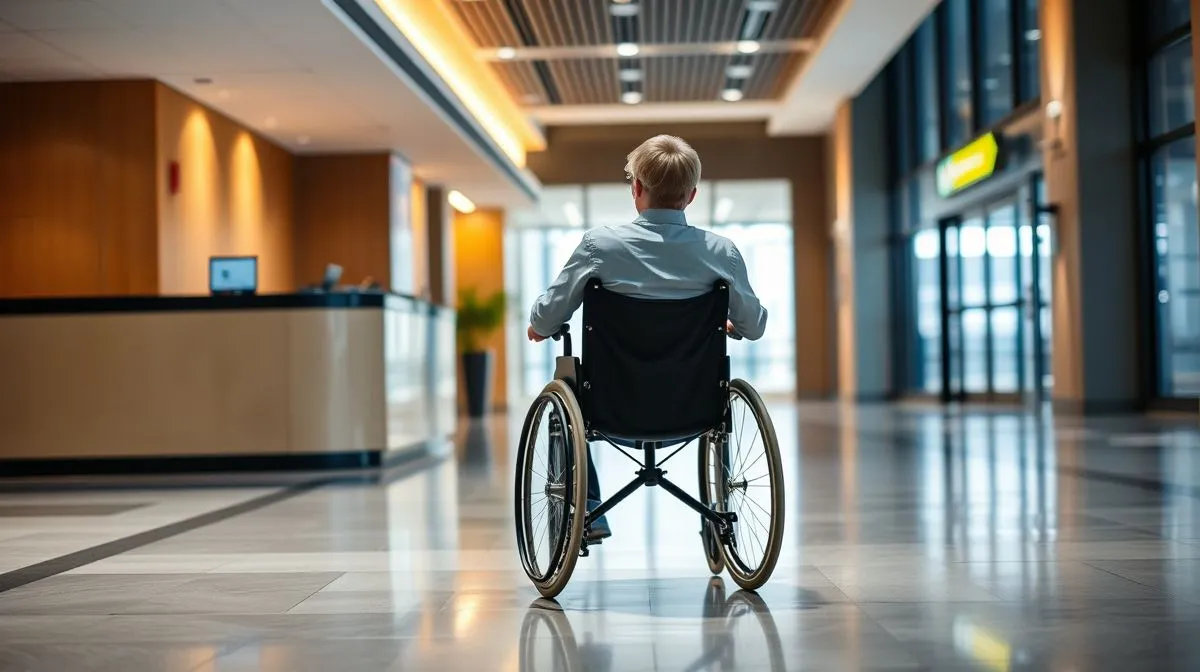
Your Definitive Guide to Confirming Hotel Accessibility Features
Imagine arriving at your dream destination, weary from travel, only to discover that the 'accessible' hotel room you painstakingly booked doesn't quite meet your needs. Perhaps the bathroom door is too narrow for a wheelchair, or the shower lacks essential grab bars. This scenario, unfortunately, is a common frustration for travelers with disabilities, turning what should be a relaxing getaway into a stressful ordeal.
The challenge often lies in knowing the best ways to confirm hotel accessibility features that go beyond a simple checkmark on a booking website. Many hotels claim to be accessible, but the definition can vary wildly, leading to significant discrepancies between expectation and reality. For individuals relying on specific accommodations, this ambiguity is not just an inconvenience; it's a barrier to independent and enjoyable travel.
This comprehensive guide will equip you with the knowledge and practical strategies to proactively verify hotel accessibility, ensuring your comfort and peace of mind. By the end of this reading, you will understand how to navigate the complexities of accessible travel planning, ask the right questions, and leverage resources to guarantee a truly inclusive stay.
The Imperative of Pre-Booking Accessibility Checks
In an ideal world, all hotel accessibility claims would be uniform and accurate. However, the reality is far more nuanced. Relying solely on online descriptions can be a gamble, often leading to disappointment and last-minute scrambling.
Beyond the Website: Why Online Information Isn't Enough
Hotel websites, while helpful for initial searches, often provide generic or incomplete information regarding accessibility. A simple 'accessible room' label doesn't convey the specifics of a roll-in shower, door width, or the height of a bed. Furthermore, third-party booking sites may not have the granular detail necessary for specific accessibility requirements, relying on broad categories that can be misleading.
The term 'accessible' itself can be subjective. What one hotel considers accessible might not meet the functional needs of another traveler. This disparity necessitates a more proactive and detailed approach to verification, moving beyond superficial online listings.
The Peace of Mind Factor: Reducing Travel Stress
Travel should be an experience of joy and discovery, not a source of anxiety. For travelers with disabilities, the uncertainty surrounding hotel accessibility can be a significant stressor, overshadowing the excitement of a trip. Confirming specific features beforehand alleviates this burden, allowing you to focus on enjoying your destination.
Knowing that your accommodation genuinely meets your needs provides unparalleled peace of mind. It means you won't waste precious vacation time resolving issues, searching for alternatives, or adapting to inadequate facilities. It empowers you to travel with confidence and independence.
Potential Issues if Not Checked Thoroughly:
- Narrow doorways: Preventing wheelchair or mobility scooter access to rooms or bathrooms.
- Inaccessible bathrooms: Lack of grab bars, non-roll-in showers, high toilets, or sinks that are too high.
- Limited space: Insufficient turning radius for mobility devices within the room.
- High beds: Difficulty transferring from a wheelchair to the bed.
- Unavailable amenities: Accessible routes to pools, restaurants, or fitness centers not actually present.
- Emergency preparedness: Lack of visual alarms for hearing-impaired guests or accessible evacuation routes.
Decoding Accessibility Standards: What to Look For
Understanding the terminology and key features of accessible accommodations is crucial for effective communication with hotels and for evaluating their suitability. Different regions may have varying legal standards, but core principles remain consistent.
ADA Compliance and International Equivalents
In the United States, the Americans with Disabilities Act (ADA) sets comprehensive standards for accessibility in public accommodations, including hotels. These standards cover everything from parking and entrances to guest rooms and common areas. While ADA compliance is a strong indicator of accessibility, it's essential to remember that even ADA-compliant facilities might not perfectly suit every individual's unique needs.
Internationally, other countries have their own accessibility laws, such as the Equality Act in the UK or similar legislation in Canada, Australia, and the EU. While the specifics may differ, the underlying goal is to ensure equal access. When traveling abroad, it's wise to research the local accessibility laws and standards, though direct communication with the hotel remains paramount.
Key Accessible Room Features: A Checklist
When discussing accessible rooms, be specific about the features you require. Here's a checklist of common and critical elements:
- Roll-in shower with a bench: Essential for many wheelchair users, allowing direct access without a curb.
- Grab bars: In the shower, around the toilet, and near the tub if present.
- Lowered sink and counter space: Accessible for seated individuals.
- Toilet with grab bars and sufficient clear floor space: For easy transfer.
- Door widths: At least 32 inches (81 cm) clear width for room and bathroom doors.
- Room for mobility devices: Sufficient turning radius (e.g., 60 inches or 152 cm) within the room.
- Lowered light switches and thermostats: Within reach from a seated position.
- Accessible electrical outlets: Located at a usable height.
- Visual and auditory alarms: For guests with hearing or visual impairments.
- Accessible peephole: On the door for security.
Common Area Accessibility: Beyond Your Room
An accessible room is only part of the equation. Ensure the hotel's common areas are also accessible:
- Entrances and Exits: Ramps, automatic doors, and level thresholds.
- Lobby and Public Spaces: Clear pathways, accessible check-in counters, and seating areas.
- Elevators: Wide enough for mobility devices, with accessible controls (braille, lowered buttons).
- Restaurants and Bars: Accessible seating and pathways.
- Pools and Fitness Centers: Lifts for pools, accessible equipment if available.
- Parking: Designated accessible parking spaces with ample maneuvering room.
- Pathways: Smooth, level, and well-maintained routes throughout the property.
Direct Communication: The Most Reliable Method
While online resources provide a starting point, direct communication with the hotel staff is, without a doubt, the single most reliable way to confirm specific accessibility features. This personal interaction allows for nuanced questions and detailed answers that no website can fully provide.
Crafting Effective Questions for Hotel Staff
Don't just ask, "Is your hotel accessible?" Instead, be highly specific. Prepare a list of your non-negotiable requirements before you call. Here are examples of effective questions:
- "Can you confirm the exact clear width of the bathroom door in your accessible rooms?"
- "Do you have rooms with a true roll-in shower, meaning no lip or curb at all, and does it include a mounted or portable shower bench?"
- "What is the height of the bed from the floor to the top of the mattress in an accessible room?"
- "Are grab bars installed around the toilet and in the shower/tub, and where exactly are they located?"
- "Is the hotel entrance step-free, or is there a ramp? Are the entrance doors automatic?"
- "Are all common areas, including the restaurant, pool, and business center, accessible via ramps or elevators?"
- "Do you have an accessible shuttle service or accessible transportation options to/from the airport or local attractions?"
- "What is your policy regarding service animals?"
It's often beneficial to speak with a manager or a dedicated accessibility coordinator, as front-desk staff may not always have the detailed information you need.
The Power of Video Calls and Photos
In an increasingly digital world, don't hesitate to ask if the hotel can provide photos or even a live video call tour of the specific accessible room you are considering. Many hotels are willing to accommodate this request, as it demonstrates their commitment to guest satisfaction and transparency. A visual confirmation can often clarify details that verbal descriptions might miss.
Seeing the room, bathroom, and common areas firsthand (even virtually) can provide invaluable peace of mind and help you identify any potential issues before you arrive. This is one of the most effective of the best ways to confirm hotel accessibility features.
Following Up: Confirming Your Needs Are Documented
After your detailed conversation, always ask for a written confirmation of the specific accessible features you've discussed and requested. This could be an email summarizing your conversation or a note added to your reservation. This documentation serves as a crucial reference point and can be invaluable if any discrepancies arise upon check-in.
Reconfirm your reservation and accessibility requests a few days before your arrival. This proactive step can prevent last-minute surprises and ensure the hotel staff is fully prepared for your stay.
Leveraging Technology and Third-Party Resources
Beyond direct communication, a variety of technological tools and community-driven platforms can significantly aid your research into hotel accessibility. These resources offer a broader perspective, often from the experiences of other travelers with similar needs.
Specialized Booking Platforms and Filters
Several online travel agencies (OTAs) and dedicated accessibility travel platforms now offer more robust filtering options for accessible features. Websites like AccessibleGO, Handiscover, or even major OTAs like Booking.com and Expedia are continually improving their accessibility search filters. While these filters are a great starting point, remember to cross-reference the information with direct hotel communication.
These platforms often allow you to search for specific amenities like roll-in showers, visual alarms, or accessible parking, streamlining your initial research process.
Guest Reviews and Community Forums
The experiences of other travelers are an invaluable resource. Websites like TripAdvisor, Google Reviews, and dedicated disability travel forums (e.g., specific Facebook groups or online communities) often feature detailed reviews from individuals who have firsthand experience with a hotel's accessibility. Look for reviews that specifically mention accessible rooms, the helpfulness of staff regarding accessibility, or challenges encountered.
Pay close attention to specific details in reviews. A general 'accessible' comment is less useful than one describing the clear space around the bed or the functionality of a shower chair. These insights can provide a realistic picture of what to expect.
Advocacy Organizations and Their Resources
Many disability advocacy organizations compile lists of accessible hotels or provide guidelines for accessible travel. For example, organizations like the Disability Rights Education & Defense Fund (DREDF) or national tourism boards may offer resources or links to verified accessible accommodations. These organizations often have a deeper understanding of genuine accessibility and can be a trusted source of information.
They might also offer checklists or guides that can help you formulate your questions and assess hotel suitability more effectively. Their expertise is often built on extensive research and community feedback.
Common Pitfalls and How to Avoid Them
Despite best intentions, travelers can sometimes fall into traps when trying to confirm accessibility. Being aware of these common pitfalls can save you time, frustration, and potential disappointment.
Assuming "Accessible" Means "Fully Accessible"
This is perhaps the most significant pitfall. A hotel might have one designated accessible room, but the rest of the property could be challenging to navigate. Or, an 'accessible' room might only meet the minimum legal requirements, which may not be enough for your specific needs (e.g., a tub with grab bars instead of a roll-in shower).
Solution: Always ask for specifics. Don't rely on broad terms. Detail your exact needs and confirm each one individually.
Overlooking Specific Needs: Beyond Wheelchair Access
Accessibility is not solely about wheelchair users. Travelers with visual impairments, hearing impairments, cognitive disabilities, or other specific needs require different accommodations. A hotel might be great for wheelchair access but lack features like braille signage, visual fire alarms, or staff trained in assisting guests with cognitive differences.
- Visual Impairments: Ask about braille signage, tactile paving, well-lit pathways, and staff training in guiding visually impaired guests.
- Hearing Impairments: Inquire about visual smoke detectors, TTY/TDD devices, vibrating alarm clocks, and staff trained in sign language or using communication aids.
- Cognitive Disabilities: Ask about quiet spaces, clear signage, and staff who are patient and understanding.
Solution: Articulate all your specific accessibility needs, not just the most common ones. A truly inclusive hotel will consider a spectrum of disabilities.
The Importance of Written Confirmation
Verbal confirmations, while helpful, can sometimes be subject to misinterpretation or forgotten details. Relying solely on a phone call without written backup can leave you vulnerable if issues arise upon arrival.
Solution: Always request an email or a notation on your reservation confirming all the specific accessible features and services you've discussed. This provides a clear record and holds the hotel accountable for their promises.
Practical Steps for a Seamless Accessible Stay
Turning knowledge into action is key. By adopting a systematic approach, you can significantly increase your chances of a successful and stress-free accessible hotel stay.
Creating Your Personal Accessibility Checklist
Before you even start looking for hotels, create a detailed checklist of your absolute essential accessibility requirements. This list should be specific to your needs, covering everything from bathroom dimensions to the type of bed and common area access. Refer to this checklist during every phone call and email correspondence.
Having a pre-prepared list ensures you don't forget any crucial questions and helps you efficiently compare different hotel options.
Documenting Your Communication
Maintain a log of all your interactions with hotels. Include dates, names of staff members you spoke with, specific questions asked, and the answers received. Attach any email confirmations or notes from phone calls. This detailed record is your best defense against misunderstandings or unfulfilled promises.
A simple spreadsheet or a dedicated folder in your email can be incredibly useful for keeping track of these important details.
What to Do Upon Arrival (and if issues arise)
Even with meticulous planning, occasional issues can arise. Upon arrival, take a moment to inspect your room and confirm that all requested accessible features are present and functional. If something is amiss, immediately inform the front desk or hotel manager.
Be polite but firm, referencing your written confirmations. Most reputable hotels will work to resolve the issue, whether by moving you to a more suitable room or providing necessary adjustments. If a resolution isn't immediately possible, document the situation with photos and notes, and consider reaching out to the hotel's corporate office or relevant accessibility advocacy groups for further assistance.
The Future of Accessible Travel: Innovations and Expectations
The landscape of accessible travel is continually evolving. As technology advances and societal awareness grows, hotels are increasingly investing in innovative solutions to enhance inclusivity for all guests.
Smart Hotel Technology for Accessibility
Future hotels are likely to incorporate more smart technology designed with accessibility in mind. This could include voice-activated room controls for lights, temperature, and entertainment, smart sensors for door opening, and personalized digital assistants that can provide information in multiple formats (audio, visual, tactile). These innovations promise to offer greater independence and convenience for guests with diverse needs.
Expect to see more integration of apps that allow guests to control their environment and communicate needs seamlessly, further enhancing the personalized accessible experience.
Industry Standards and Evolving Expectations
There's a growing global recognition that accessibility is not just a legal requirement but a fundamental aspect of good hospitality and smart business. As more travelers with disabilities seek out new experiences, the demand for genuinely accessible accommodations will drive higher industry standards. This includes not only physical modifications but also staff training, inclusive marketing, and a proactive approach to understanding and meeting diverse guest needs.
The expectation is shifting from mere compliance to truly inclusive design, where accessibility is integrated from the ground up, rather than being an afterthought. This positive trend indicates a brighter, more accessible future for all travelers.
Frequently Asked Questions (FAQ)
What does "ADA compliant" truly mean for a hotel room? ADA compliant means the hotel meets the minimum accessibility standards set by the Americans with Disabilities Act, covering features like door widths, clear floor space, and bathroom grab bars. However, it's a minimum standard and may not encompass all individual accessibility needs.
Is it better to book an accessible room directly with the hotel or through a third-party site? While third-party sites can help you find hotels, it's always better to book an accessible room directly with the hotel or call them immediately after booking through a third party. This allows for direct communication about your specific needs and ensures your requests are properly noted on your reservation.
What should I do if the accessible room booked is not as advertised upon arrival? Immediately inform the front desk manager. Reference any written confirmations or notes from your prior communication. If they cannot provide a suitable accessible room, document the discrepancies with photos and notes, and consider contacting the hotel's corporate office or a disability advocacy organization for assistance.
Are service animals always allowed in accessible hotel rooms? Under the ADA, hotels must permit service animals in all areas where guests are allowed, including accessible rooms. Hotels cannot charge extra fees for service animals. Emotional support animals typically do not have the same legal protections as service animals. Always confirm the hotel's policy regarding service animals beforehand.
How far in advance should I confirm accessibility features? It's best to confirm accessibility features as soon as you book your room, and then reconfirm again a few days before your arrival. This allows ample time for the hotel to prepare and for you to make alternative arrangements if necessary.
Recommended Reading
- The Ultimate Guide: How to Avoid Scams When Booking Beachfront Villas?
- Cross Country Skiing for Beginners? Essential Tips You Need Now!
- Uncover the Best Cooking Classes Abroad for Foodies
- Unlock Meaningful Volunteer Travel: A Global Citizen's Guide
- Uncover the Soul: Where to Experience Traditional Music on Cultural Trips?
Conclusion
Navigating the world of accessible travel requires diligence, proactive planning, and effective communication. By understanding what to look for, asking precise questions, and leveraging available resources, you empower yourself to ensure a truly accessible and enjoyable hotel experience. The journey to a seamless stay begins long before you pack your bags, with thorough research and verification.
Embrace the strategies outlined in this guide – from direct communication and visual confirmations to leveraging reviews and documenting everything. By following the best ways to confirm hotel accessibility features, you're not just ensuring your comfort; you're also contributing to a more inclusive and understanding travel industry for everyone. Travel with confidence, knowing your needs are met, and your adventure awaits.



Your email address will not be published. Required fields are marked *