

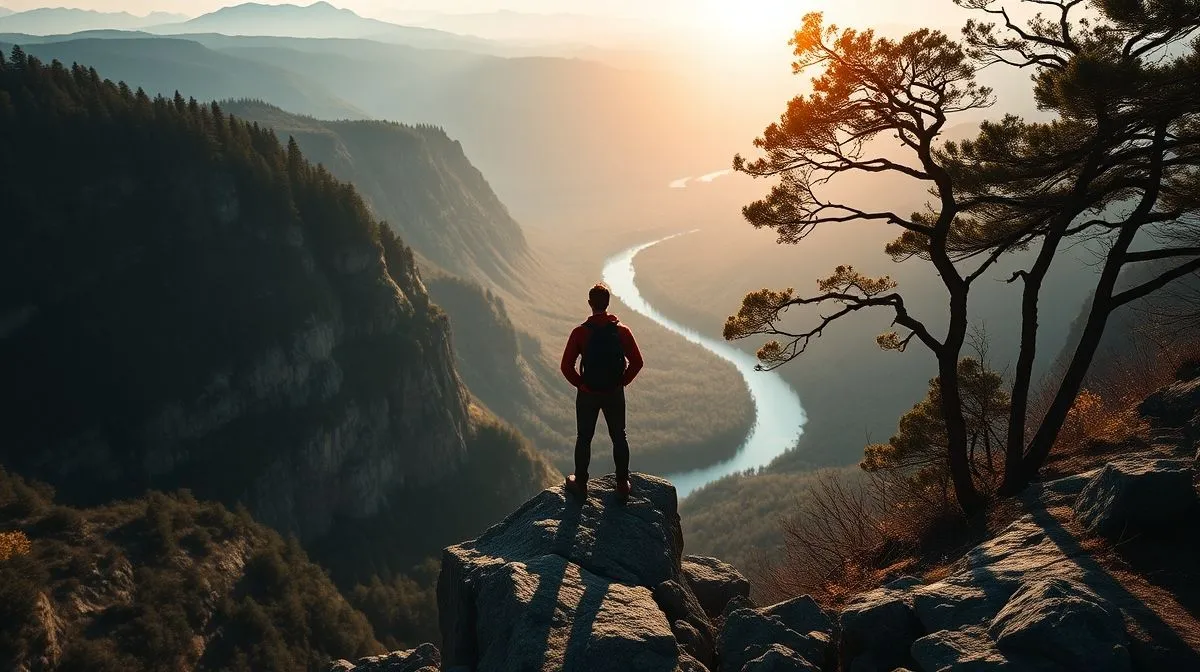
Mastering Solo Eco Wilderness Exploration: Essential Safety Tips
Have you ever felt the irresistible pull of the wild, a whisper promising profound solitude and unparalleled connection with nature? For many, the idea of venturing deep into the wilderness alone, embracing the silence and challenges it offers, is the ultimate adventure. It’s a journey of self-discovery, a chance to truly disconnect from the digital clamor and reconnect with the primal rhythms of the earth.
However, this profound allure comes with inherent risks. Solo eco wilderness exploration, while incredibly rewarding, demands a heightened level of preparedness, self-reliance, and respect for the environment. Without a companion to share the load, make decisions, or call for help, every choice, every piece of gear, and every skill becomes critically important.
This comprehensive guide will equip you with the fundamental safety tips for solo eco wilderness exploration, ensuring your journey is not only memorable and transformative but also responsible and secure. From meticulous planning and essential gear to navigation prowess and emergency protocols, you'll learn how to navigate the wilderness with confidence and leave nothing but footprints.
The Solitude's Call: Why Solo Eco-Exploration and Its Unique Demands
The decision to undertake a solo wilderness journey is deeply personal. It's often driven by a desire for introspection, a need to test one's limits, or simply the unparalleled peace that comes from being truly alone in nature.
Understanding the Appeal of Solitude
For many, solo exploration offers a unique kind of freedom. There are no compromises on routes, no discussions about pace, and no distractions from the raw beauty around you. It's an opportunity for deep meditation and a chance to listen to your inner voice without external influences.
This profound connection can lead to significant personal growth and a deeper appreciation for the natural world. It fosters self-reliance and problem-solving skills that are rarely challenged in everyday life. The quiet moments allow for observations that might be missed in company, leading to a richer, more intimate experience of the ecosystem.
Unique Risks of Going Solo
While the rewards are immense, the risks of solo wilderness travel are amplified. A twisted ankle, a sudden change in weather, or a lost trail can quickly escalate into a life-threatening situation without a partner to assist. There's no one to share navigation duties, no one to offer a second opinion on a tricky river crossing, and no one to provide immediate first aid.
Beyond physical dangers, the psychological aspect of solitude can be challenging. Loneliness, fear, and even paranoia can set in, especially during unexpected difficulties or long stretches of isolation. Maintaining a positive mental attitude is just as crucial as physical preparedness.
Pre-Trip Planning: Your Blueprint for Safe Solo Eco Wilderness Exploration
The success and safety of any solo wilderness trip hinges on meticulous planning. This isn't just about packing a bag; it's about creating a robust strategy that accounts for every foreseeable and many unforeseeable scenarios.
Thorough Research and Route Planning
Before you even consider stepping onto the trail, immerse yourself in research. Understand the terrain, elevation changes, water sources, and potential hazards of your chosen route. Utilize detailed topographical maps and reliable online resources.
- Map Study: Purchase and thoroughly study physical maps of your area. Understand contour lines, water features, and potential campsites.
- Permits and Regulations: Check if permits are required for your chosen area and obtain them well in advance. Familiarize yourself with all local regulations, including fire restrictions, waste disposal, and group size limits (even for solo travelers).
- Weather Forecasts: Monitor weather patterns closely for weeks leading up to your trip. Be prepared for sudden changes, especially in mountainous or coastal regions. Understand how different weather conditions might impact your chosen route.
- Bailout Points: Identify alternative routes or exit points in case of an emergency or if you need to cut your trip short. Know the quickest ways out.
Sharing Your Itinerary
This is arguably one of the most critical safety measures for any solo trip. Never embark on a wilderness journey without informing at least two trusted individuals of your detailed plans.
- Detailed Itinerary: Provide your emergency contact with your exact route, expected start and end dates, planned campsites, and any alternative routes.
- Check-in Times: Establish clear check-in times (e.g., daily satellite messenger messages or a call upon return). If you fail to check in, they should know when and how to initiate a search and rescue operation.
- Vehicle Information: Leave details about your vehicle (make, model, license plate) and where it will be parked.
- Emergency Contacts: Ensure your trusted person has contact information for local park rangers, search and rescue, and any other relevant authorities.
Physical and Mental Preparedness
Your body and mind are your most important tools in the wilderness. Be honest about your capabilities and train accordingly.
- Physical Conditioning: Train specifically for the demands of your trip. If you'll be carrying a heavy pack over rough terrain, practice doing so. Include cardio, strength training, and endurance exercises.
- Mental Fortitude: Practice problem-solving under pressure. Develop a positive mindset and strategies for dealing with fear, loneliness, or frustration. Self-talk and visualization can be powerful tools.
- Skills Practice: Before you go, practice essential skills like map and compass navigation, setting up your tent in the dark, lighting a fire in wet conditions, and basic first aid. Confidence in your skills reduces anxiety.
Essential Gear for the Eco-Conscious Explorer
Packing for a solo eco-wilderness trip is a delicate balance: you need everything for safety and comfort, but every ounce counts. Focus on multi-functional, durable, and environmentally responsible gear.
Navigation Tools: Beyond Your Phone
While smartphones are convenient, they are unreliable in remote areas due to battery life and signal issues. Always carry dedicated navigation tools.
- Map and Compass: A physical, waterproof map and a reliable compass are non-negotiable. Learn how to use them proficiently before your trip. These don't rely on batteries.
- GPS Device: A handheld GPS unit or a satellite communication device with GPS capabilities (e.g., Garmin inReach, SPOT) is highly recommended. Download offline maps and routes. Ensure you know how to use it for navigation, not just emergency signaling.
- Power Bank: Carry a high-capacity power bank for charging electronic devices, including your phone (for emergencies) and GPS.
Shelter, Water, and Food Essentials
These are your life support systems. Choose lightweight, efficient, and sustainable options.
- Shelter: A lightweight, durable tent or tarp suitable for the expected conditions. Practice pitching it quickly.
- Sleeping System: A sleeping bag rated for the lowest expected temperatures and a sleeping pad for insulation and comfort.
- Water Purification: Carry multiple methods: a filter/purifier, chemical tablets, and a way to boil water. Understand the water sources on your route.
- Food: Calorie-dense, non-perishable food that requires minimal preparation. Pack extra for emergencies. Consider dehydrated or freeze-dried options to reduce weight and waste.
First Aid and Emergency Communication
These items are non-negotiable for solo explorers. A small injury can become life-threatening if not managed promptly.
- Comprehensive First Aid Kit: Tailor your kit to your specific needs and trip length. Include pain relievers, blister treatment, wound care, antiseptic wipes, bandages, and any personal medications. Consider taking a wilderness first aid course.
- Personal Locator Beacon (PLB) or Satellite Messenger: This is your lifeline to the outside world. A PLB sends a distress signal to search and rescue authorities, while a satellite messenger allows two-way communication and SOS functions. Always test it before you leave.
- Whistle and Signal Mirror: Simple, effective tools for attracting attention.
Navigating the Wild: Staying Found and Aware
Once you're on the trail, continuous vigilance and sound decision-making are paramount. The wilderness is dynamic, and conditions can change rapidly.
Mastering Navigation Techniques
Even with GPS, knowing how to use a map and compass is a vital backup skill. Practice navigating off-trail in familiar areas to build confidence.
- Frequent Check-ins: Regularly cross-reference your position on the map with your surroundings. Don't wait until you're lost to check your map.
- Pacing and Time Management: Understand your average pace and factor in breaks, elevation changes, and difficult terrain. Stick to your planned itinerary as much as possible.
- Recognizing Landmarks: Identify prominent features on your map and in the landscape to confirm your location.
- Trust Your Instincts: If something feels wrong, stop, re-evaluate, and consult your map. Don't push forward blindly.
Situational Awareness and Risk Assessment
Always be aware of your surroundings: the weather, the terrain, potential hazards, and your own physical and mental state.
- Constant Observation: Pay attention to changes in weather, trail conditions, and your body's signals. Are clouds building? Is the trail becoming more slippery?
- Risk vs. Reward: Before making a decision (e.g., crossing a swollen stream, climbing a steep slope), assess the potential risks against the benefits. As a solo explorer, extreme caution is always warranted.
- Turn-Around Times: Establish a non-negotiable turn-around time for your day's hike, especially if you're aiming for a summit or specific destination. This prevents being caught out after dark.
Wildlife Encounters: Respecting Boundaries
Encountering wildlife is a privilege, but it requires caution, especially when alone. Learn about the animals in the area you're visiting.
- Make Noise: Especially in bear country, make noise while hiking to avoid surprising animals.
- Store Food Properly: Use bear canisters or hang food to prevent attracting wildlife to your campsite.
- Maintain Distance: Never approach or feed wild animals. Use binoculars if you want a closer look.
- Know What To Do: Research specific protocols for encounters with dangerous animals (bears, mountain lions, snakes) in your region.
Leave No Trace: Protecting the Wilderness You Love
Solo eco wilderness exploration means taking full responsibility for your impact on the environment. Adhering to Leave No Trace (LNT) principles is not just a suggestion; it's an ethical imperative.
The Seven Principles of LNT
These principles guide responsible outdoor recreation, ensuring that future generations can enjoy the same pristine environments. For a solo traveler, minimizing impact is often easier due to less disturbance, but vigilance is still key. The Leave No Trace Center for Outdoor Ethics provides comprehensive guidance: Learn more about the 7 Principles.
- Plan Ahead and Prepare: Minimizes the need for ad-hoc solutions that might harm the environment.
- Travel and Camp on Durable Surfaces: Stick to established trails and campsites.
- Dispose of Waste Properly: Pack it in, pack it out. This includes all trash, food scraps, and even human waste (bury 6-8 inches deep, 200 feet from water).
- Leave What You Find: Do not disturb historical sites, cultural artifacts, or natural objects.
- Minimize Campfire Impacts: Use established fire rings, keep fires small, and ensure they are completely out. Consider a stove for cooking.
- Respect Wildlife: Observe from a distance and never disturb or feed animals.
- Be Considerate of Other Visitors: Maintain quiet, respect solitude, and yield to others on the trail.
Waste Management and Minimal Impact Camping
Every item you bring into the wilderness must leave with you. This includes packaging, food scraps, and even hygiene products.
- Pack It In, Pack It Out: Carry a dedicated trash bag and ensure everything that comes in, goes out. This applies to food wrappers, tissues, and even fruit peels.
- Human Waste: Always carry a trowel and understand how to properly bury human waste at least 200 feet from water sources, trails, and campsites. In some areas, packing out human waste is required.
- Dishwashing: Wash dishes at least 200 feet from water sources, using minimal biodegradable soap. Scatter strained dishwater.
- Campsite Selection: Choose established campsites on durable surfaces. Avoid creating new sites or impacting fragile vegetation.
Emergency Protocols: When Things Go Wrong
Despite the best planning, emergencies can happen. Knowing how to react calmly and effectively is paramount for solo wilderness survival.
Dealing with Injuries and Illness
Your first aid kit and knowledge are your primary defenses. Self-care is crucial when you're alone.
- Assess and Treat: Immediately assess the injury or illness. Provide self-care using your first aid kit. For serious injuries, prioritize stopping bleeding, stabilizing fractures, and preventing shock.
- Know Your Limits: Be honest about whether you can continue or if you need to hunker down or activate your emergency communication device.
- Stay Calm: Panicking will only worsen the situation. Take deep breaths and focus on one step at a time.
- Signal for Help: If you have a PLB or satellite messenger, and the situation warrants it, activate your SOS function. The Wilderness Medical Society provides excellent resources on wilderness first aid: Visit WMS for more information.
Lost in the Wild: What to Do
Getting lost is a common fear, but with proper training and a calm mind, it can be managed.
- STOP Method: This acronym is vital: Stop, Think, Observe, Plan.
- Stop: As soon as you realize you're lost, stop moving. Conserve energy and prevent further disorientation.
- Think: Review your last known location, the direction you were heading, and any landmarks you remember.
- Observe: Look for clues around you – footprints, broken branches, or natural features that match your map. Listen for sounds like traffic or water.
- Plan: Based on your observations, formulate a plan. Is it best to stay put and wait for rescue, or to try and self-rescue?
- Shelter and Water: If you decide to stay put, prioritize building a shelter and securing a water source.
Signaling for Help
If you are injured, lost, or unable to continue, signaling for help becomes your priority. Remember the universal distress signal.
- Three of Anything: Three fires, three blasts of a whistle, three flashes of a signal mirror, or three piles of rocks are universally recognized as a distress signal. Repeat regularly.
- Bright Colors: Lay out bright clothing or a tarp in an open area to be spotted from the air.
- Fire and Smoke: If safe to do so, build a signal fire. During the day, add green vegetation to create smoke. At night, keep the flames bright.
- Mirror/Whistle: Use your signal mirror to flash aircraft or distant points. Use your whistle to alert anyone within hearing range.
Frequently Asked Questions (FAQ)
How to choose a safe solo eco-wilderness destination? Start with areas you are familiar with or that are popular but still offer solitude. Research recent trail conditions, wildlife activity, and weather patterns. Check official park or forest service websites for alerts and advisories, like those from the National Park Service. Gradually increase the remoteness and difficulty as your experience grows.
What are the most important items for solo wilderness safety? Beyond the 'Ten Essentials' (navigation, sun protection, insulation, illumination, first-aid supplies, fire, repair kit and tools, nutrition, hydration, emergency shelter), a reliable satellite communication device (PLB or satellite messenger) and a comprehensive, personally tailored first-aid kit are paramount for solo trips.
How do I manage fear or loneliness on a solo trip? Acknowledge these feelings; they are natural. Focus on the present moment, the beauty around you, and the skills you're employing. Bring a small, comforting item, or a journal to write down your thoughts. Remind yourself of your preparedness and the trusted person who knows your itinerary. Positive self-talk is a powerful tool.
Is it safe for women to explore wilderness solo? Yes, with proper preparation and precautions, solo wilderness exploration can be safe and incredibly empowering for women. The safety tips for solo eco wilderness exploration outlined in this guide apply universally. Additionally, some women choose to carry personal safety alarms or self-defense tools, and many find strength in online communities dedicated to solo female outdoor adventurers.
How can I ensure I leave no trace while solo? Even as a single individual, your impact matters. Plan meticulously to minimize waste, pack out everything you bring in, stick to durable surfaces, and properly dispose of human waste. Be extra vigilant about not disturbing wildlife or natural features. Your goal is to leave the wilderness exactly as you found it, or better.
Recommended Reading
- Wheelchair Friendly Museums Near Me? Your Ultimate Accessibility Guide
- Unlock Meaningful Volunteer Travel: A Global Citizen's Guide
- Best Short-Term Volunteer Abroad Projects: Make a Real Impact!
- Unlock True Impact: What's the Difference Between Volunteer & Social Travel?
- Unlocking the Style Secrets: What to Wear to a Fancy Rooftop Bar in a City Break?
Conclusion
Embarking on solo eco wilderness exploration is a profoundly enriching experience, offering unparalleled opportunities for self-discovery and connection with the natural world. It demands respect, preparation, and a deep understanding of both your capabilities and the environment. By meticulously planning your journey, equipping yourself with essential gear, honing your navigation and survival skills, and unwavering adherence to Leave No Trace principles, you transform a potentially risky endeavor into a safe, responsible, and incredibly rewarding adventure. These safety tips for solo eco wilderness exploration are not just guidelines; they are your roadmap to a secure and sustainable journey into the wild, allowing you to embrace the solitude with confidence and return with invaluable memories.



Your email address will not be published. Required fields are marked *