

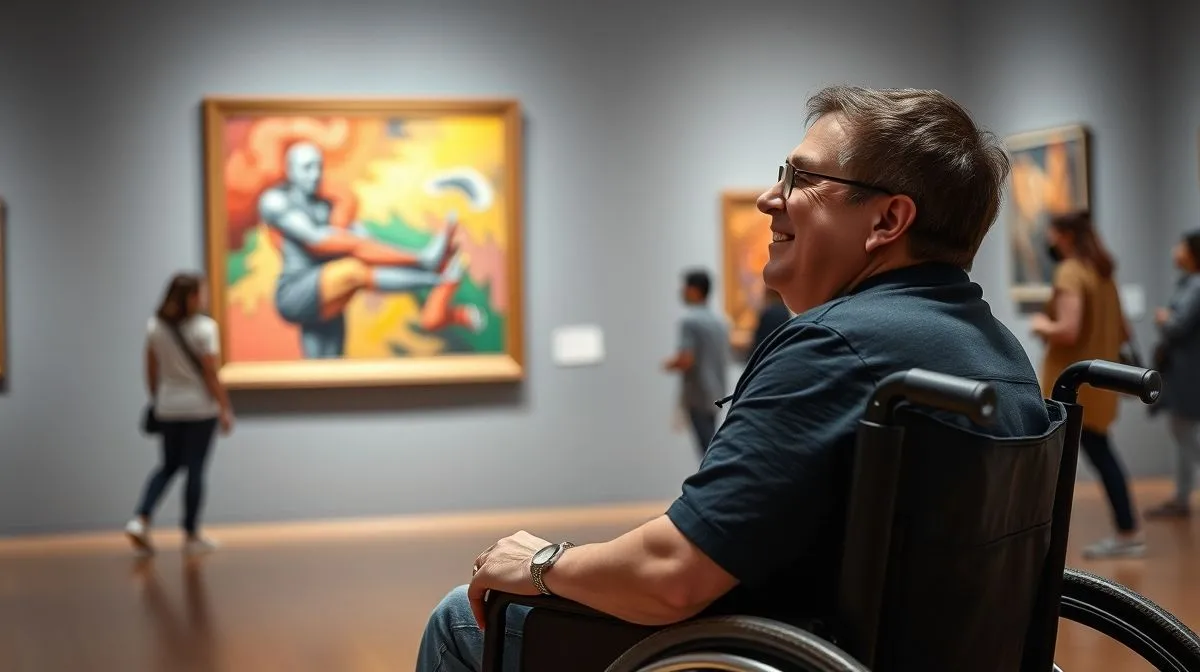
Wheelchair Friendly Museums Near Me? A Comprehensive Guide
Ever felt the frustration of planning a day out, only to discover that accessibility is an afterthought? Imagine wanting to immerse yourself in art, history, or science, but being limited by physical barriers. It's a common challenge for wheelchair users and those with mobility impairments.
Finding truly wheelchair friendly museums can feel like navigating a maze. Are there ramps? Are the exhibits reachable? Are the restrooms accessible? These are crucial questions that often go unanswered until you arrive, potentially ruining your experience.
This guide is your key to unlocking a world of accessible cultural experiences. We'll explore how to find wheelchair accessible museums near you, what to look for in terms of accessibility features, and tips for planning a smooth and enjoyable visit. By the end of this article, you'll be equipped to confidently explore the rich tapestry of museums, regardless of your mobility.
Understanding Museum Accessibility
What Makes a Museum Wheelchair Friendly?
A wheelchair friendly museum goes beyond simply having a ramp at the entrance. True accessibility involves a holistic approach, ensuring that all visitors, regardless of their mobility, can fully engage with the exhibits and facilities. This includes:
- Ramps and Elevators: Providing smooth and gradual inclines to access different levels of the museum.
- Wide Doorways and Aisles: Ensuring ample space for wheelchairs and other mobility devices to navigate comfortably.
- Accessible Restrooms: Equipped with grab bars, adequate turning space, and accessible sinks.
- Reachable Exhibits: Displaying artifacts and information at a height that is easily viewable from a seated position.
- Assistive Listening Devices: Providing audio assistance for visitors with hearing impairments.
- Tactile Exhibits: Offering hands-on experiences for visitors with visual impairments.
- Designated Parking: Providing accessible parking spaces close to the museum entrance.
According to the Americans with Disabilities Act (ADA), public accommodations, including museums, are required to provide reasonable accommodations for people with disabilities. You can find more information about the ADA on the ADA website.
Why is Museum Accessibility Important?
Museum accessibility is not just a matter of compliance; it's about creating a welcoming and inclusive environment for everyone. It ensures that individuals with disabilities have equal opportunities to learn, explore, and appreciate cultural heritage. Furthermore, accessible museums contribute to:
- Social Inclusion: Fostering a sense of belonging and participation in community life.
- Educational Opportunities: Providing access to knowledge and cultural experiences for all.
- Economic Benefits: Attracting a wider range of visitors, including those with disabilities and their families.
- Promoting Understanding: Raising awareness about disability and promoting empathy and respect.
How to Find Wheelchair Friendly Museums Near You
Online Resources and Databases
The internet is your best friend when searching for accessible museums. Several online resources and databases can help you identify museums that meet your specific needs:
- Google Maps: Search for "museums near me" and then filter the results by accessibility features. Look for the wheelchair icon.
- Accessibility-Specific Websites: Websites like Sage Traveling specialize in providing accessibility information for travelers.
- Museum Websites: Most museums have websites that detail their accessibility features. Look for an "Accessibility" or "Visitor Information" section.
- Disability Organizations: Organizations like the National Disability Rights Network may have resources and recommendations for accessible museums in your area.
Tips for Effective Online Searching
To get the most out of your online search, use specific keywords and phrases:
- "Wheelchair accessible museums near me?"
- "Accessible museums [city name]"
- "Museums with wheelchair access"
- "Disability friendly museums"
Also, read reviews and check user ratings to get a better understanding of the museum's accessibility.
Planning Your Visit: Essential Considerations
Contacting the Museum in Advance
Before visiting a museum, it's always a good idea to contact them directly to confirm their accessibility features and ask any specific questions you may have. Consider asking about:
- Availability of wheelchairs or mobility scooters.
- Accessibility of specific exhibits or galleries.
- Availability of accessible restrooms on each floor.
- Designated seating areas for resting.
- Policies regarding service animals.
This proactive approach can help you avoid any surprises and ensure a smooth and enjoyable visit.
Transportation Options
Consider your transportation options when planning your visit. Is there accessible public transportation available? Are there accessible parking spaces at the museum? If you're using a taxi or ride-sharing service, confirm that they can accommodate your wheelchair or mobility device.
Timing Your Visit
Visiting during off-peak hours can make your experience more comfortable. Weekday mornings or afternoons are often less crowded than weekends. Check the museum's website for information on special events or programs that may affect accessibility.
Examples of Wheelchair Friendly Museums
The Smithsonian National Museum of Natural History, Washington, D.C.
The Smithsonian National Museum of Natural History is renowned for its comprehensive accessibility features, including ramps, elevators, accessible restrooms, and assistive listening devices. All exhibits are designed to be accessible to visitors of all abilities. The Smithsonian also offers sensory-friendly programs and resources for visitors with autism or other sensory sensitivities. You can find out more about their accessibility features on the Smithsonian website.
The Metropolitan Museum of Art, New York City
The Metropolitan Museum of Art is committed to providing an accessible experience for all visitors. The museum offers wheelchairs for loan, accessible restrooms, and ramps throughout the building. Many of the museum's programs and tours are also designed to be accessible to visitors with disabilities. They have detailed information about accessibility on their website.
The Louvre Museum, Paris
The Louvre Museum in Paris has made significant strides in improving accessibility for visitors with disabilities. The museum offers priority access, wheelchairs for loan, and accessible routes throughout the galleries. While some areas may still present challenges, the Louvre is continuously working to enhance its accessibility features. It's always best to check their website before visiting.
Overcoming Challenges and Common Misconceptions
Addressing Potential Barriers
Even in wheelchair friendly museums, you may encounter some challenges. Be prepared for:
- Crowds: Navigating crowded galleries can be difficult. Try to visit during off-peak hours or ask museum staff for assistance.
- Uneven Surfaces: Some older museums may have uneven floors or cobblestone pathways. Be cautious and take your time.
- Limited Seating: If you need to rest, look for designated seating areas or ask museum staff for a chair.
Debunking Misconceptions About Accessibility
There are several misconceptions about museum accessibility that need to be addressed:
- Myth: Accessible museums are only for people with disabilities. Fact: Accessible museums benefit everyone, including families with strollers, seniors, and people with temporary injuries.
- Myth: Accessibility is too expensive and difficult to implement. Fact: Many accessibility improvements are relatively simple and cost-effective.
- Myth: Accessible museums are boring or less engaging. Fact: Accessible museums can be just as exciting and educational as non-accessible museums.
Frequently Asked Questions (FAQ)
Are all museums required to be wheelchair accessible? In many countries, including the United States, museums are legally required to provide reasonable accommodations for people with disabilities, including wheelchair accessibility.
How can I find out if a museum has accessible restrooms? Check the museum's website or contact them directly. Most museums will have information about accessible restrooms in their accessibility guide.
What if I encounter accessibility issues during my visit? Speak to a museum staff member immediately. They should be able to assist you and address your concerns.
Do museums offer discounts for people with disabilities? Some museums offer discounts for people with disabilities or their caregivers. Check the museum's website or ask when purchasing tickets.
Can I bring a service animal to a museum? Yes, service animals are generally allowed in museums, but it's always a good idea to check the museum's policy in advance.
Recommended Reading
- Unlock Your Wanderlust: The Ultimate Guide to Cheaper Long-Term Travel
- Best Time for Caribbean Ocean Cruises? Unveiling the Perfect Season
- Maldives Celebrity Hotspots: Where Do Stars Escape?
- Dog Sledding Gear: Conquer Sub-Zero Temps Like a Pro!
- Global Events & Festivals: Your Ultimate Travel Planning Checklist
Conclusion
Finding wheelchair friendly museums near me? doesn't have to be a daunting task. By utilizing online resources, contacting museums in advance, and planning your visit carefully, you can unlock a world of accessible cultural experiences. Remember that accessibility is not just about physical access; it's about creating a welcoming and inclusive environment for everyone. So, go ahead and explore the rich tapestry of museums, knowing that your mobility won't hold you back from discovering the wonders they have to offer. Embrace the journey and enjoy the art, history, and science that awaits!





Your email address will not be published. Required fields are marked *