

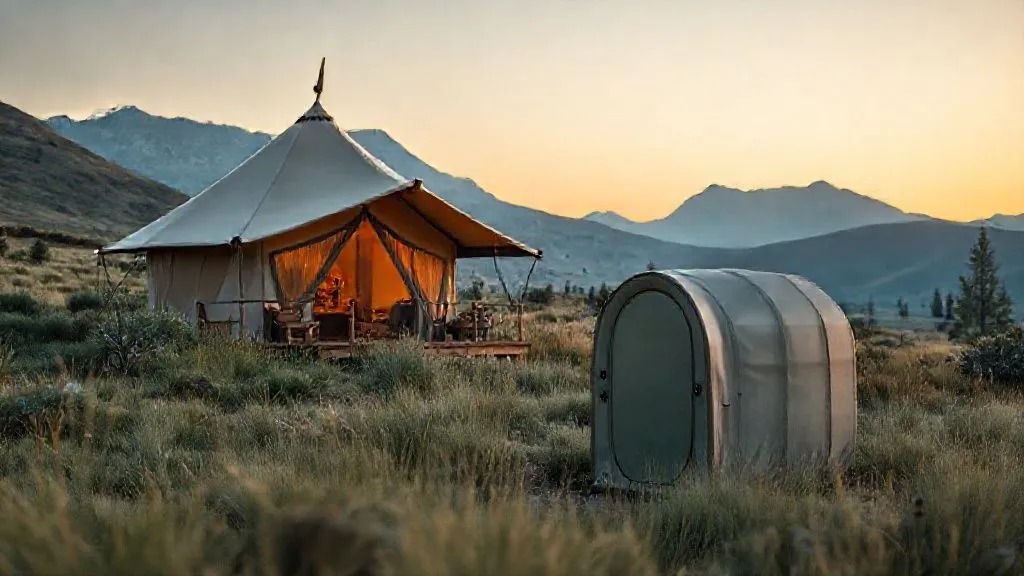
Solving Glamping Sewage and Waste Management in Remote Areas? The Expert's Blueprint
For over two decades in the glamping industry, I've witnessed the incredible evolution of luxury camping, from rudimentary setups to breathtaking, immersive experiences. Yet, amidst the allure of stargazing and untouched wilderness, one critical challenge persistently looms, often out of sight but never out of mind: **solving glamping sewage and waste management in remote areas?**
It's the silent struggle that keeps many operators awake at night – how do you offer unparalleled comfort and luxury in pristine, off-grid locations without leaving an indelible, negative mark on the very environment that draws your guests? The traditional solutions simply don't cut it when you're miles from the nearest municipal infrastructure, dealing with sensitive ecosystems and discerning guests who expect both indulgence and responsibility.
In this definitive guide, I'll draw upon my extensive experience to provide you with a comprehensive blueprint. We'll explore actionable frameworks, real-world case studies, and expert insights into sustainable blackwater, greywater, and solid waste management, ensuring your glamping venture thrives in harmony with nature and sets new standards for environmental stewardship.
The Unique Challenges of Off-Grid Glamping Sanitation
Operating a glamping site in a remote area is a dream for many, but it comes with a distinct set of operational hurdles, particularly concerning waste. Unlike urban hotels, you don't have the luxury of municipal connections. You're entirely self-sufficient, meaning every drop of water used and every piece of waste generated must be managed on-site or transported out.
The primary challenges include extreme remoteness, which complicates logistics for waste removal and equipment delivery; the inherent environmental sensitivity of pristine natural areas, demanding zero-impact solutions; and often, a lack of consistent power or water supply, which can hinder advanced treatment systems. Furthermore, navigating diverse and often complex local environmental regulations adds another layer of complexity that can trip up even seasoned operators.
"In my experience, the biggest mistake glamping operators make is underestimating the complexity and cost of sustainable waste management. It's not an afterthought; it's a foundational pillar of responsible design and operation."
These challenges aren't insurmountable, but they demand a proactive, well-thought-out strategy from the very inception of your glamping project. Ignoring them can lead to costly fines, environmental damage, and irreparable harm to your brand's reputation.
- Logistical Nightmares: Transporting waste out of remote locations is expensive and carbon-intensive.
- Environmental Fragility: Sensitive ecosystems demand non-polluting, low-impact solutions.
- Resource Scarcity: Limited power and water necessitate efficient, self-sustaining systems.
- Regulatory Maze: Local and regional environmental laws can be stringent and varied.
- Guest Expectations: Guests expect both luxury and demonstrable eco-consciousness.
Sustainable Blackwater Solutions: From Composting to Advanced Treatment
Blackwater, the wastewater from toilets, is arguably the most critical and challenging waste stream to manage sustainably in remote glamping sites. Its high pathogen content and nutrient load demand robust, reliable solutions that protect both human health and the environment.
Composting Toilets: The Low-Impact Champion
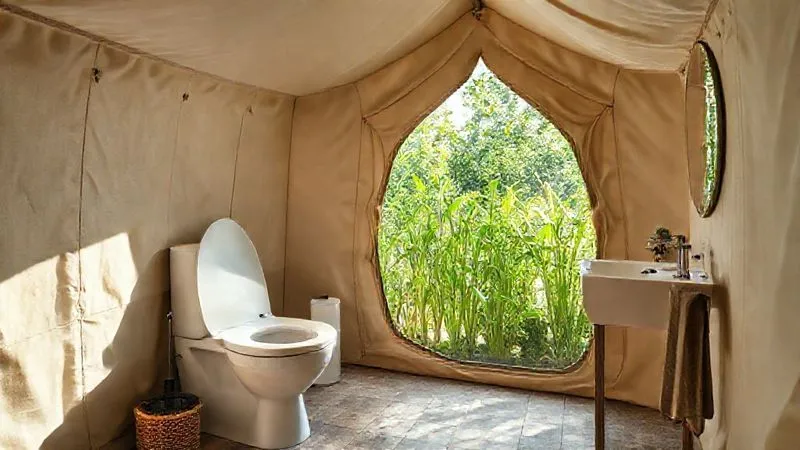
For many remote glamping operations, composting toilets are the undisputed champions of blackwater management. They operate without water, converting human waste into an inert, nutrient-rich compost material through aerobic decomposition. This eliminates the need for complex plumbing, septic tanks, and significant water consumption, making them ideal for off-grid locations.
I've seen these systems evolve dramatically, from basic dry toilets to sophisticated units with automated stirring mechanisms, ventilation fans, and heating elements that accelerate the composting process and eliminate odors. They are a game-changer for sites aiming for minimal environmental footprint.
- Assess Your Needs: Determine capacity based on guest numbers and usage frequency.
- Choose the Right Type: Self-contained units are great for individual tents; central composting systems serve multiple units.
- Ensure Proper Ventilation: Crucial for odor control and aerobic decomposition.
- Plan for Composting Material: Have a dedicated, well-managed area for curing the compost.
- Train Staff and Guests: Proper usage and maintenance are key to efficiency and hygiene.
Compact Bio-Digesters and Septic Alternatives
While composting toilets are excellent, some high-volume sites or those with specific regulatory requirements might need more advanced blackwater treatment. This is where compact bio-digesters and innovative septic alternatives come into play. Bio-digesters use anaerobic bacteria to break down organic waste, producing biogas (which can sometimes be used for energy) and a nutrient-rich effluent that can be safely discharged after further treatment or used for non-potable irrigation.
Smaller, modular septic systems, often combined with advanced secondary treatment like constructed wetlands or sand filters, can also be viable. These systems mimic natural purification processes, effectively treating wastewater before it's returned to the environment. Always consult with local environmental authorities and qualified engineers to ensure compliance and optimal performance.
For detailed guidelines on decentralized wastewater treatment, reputable sources like the U.S. Environmental Protection Agency (EPA) offer valuable insights into best practices and regulatory considerations for septic systems and their alternatives.
Mastering Greywater Management: Reuse and Responsible Discharge
Greywater, the wastewater from sinks, showers, and laundry (excluding toilets), is often overlooked but represents a significant volume of liquid waste in glamping operations. While less hazardous than blackwater, it still contains soaps, detergents, food particles, and hair, all of which can harm ecosystems if discharged improperly.
Filtration and Treatment Systems
The beauty of greywater is its potential for reuse. With proper filtration and treatment, it can be repurposed for irrigation of non-edible plants, flushing toilets, or even outdoor cleaning. Simple systems can involve a series of filters (mesh, sand, gravel) to remove solids, followed by a grease trap. For more advanced reuse, biological filtration or even UV sterilization can be incorporated.
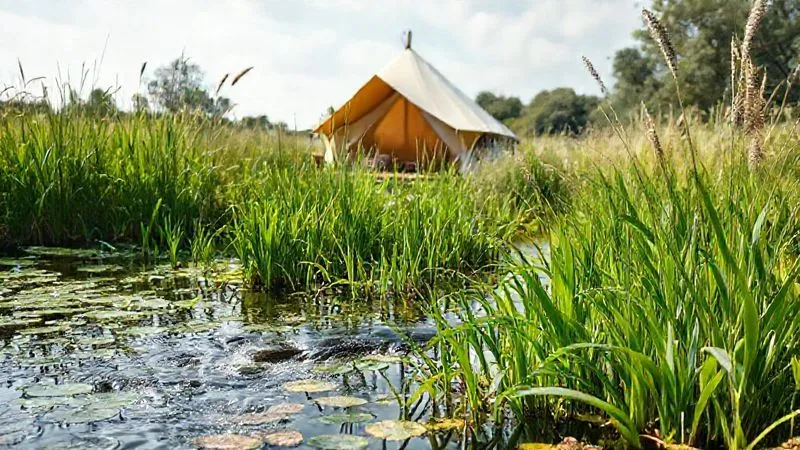
Phytoremediation, using constructed wetlands, is another elegant and effective solution. These engineered systems use plants, soil, and microbes to naturally treat greywater, producing clean water and often enhancing biodiversity. They blend beautifully into the natural landscape and can be a significant aesthetic asset to a glamping site.
- Segregate Greywater: Design plumbing to separate greywater from blackwater at the source.
- Pre-Filter Solids: Install screens or lint traps at drains to prevent clogs.
- Choose Eco-Friendly Products: Encourage guests and staff to use biodegradable soaps and detergents.
- Implement a Treatment System: Select a system appropriate for your site's scale and environmental conditions (e.g., simple filtration, constructed wetland, or biofilter).
- Monitor and Maintain: Regularly clean filters, inspect wetlands, and test water quality.
Regulatory Compliance and Best Practices
Even with advanced systems, understanding and adhering to local regulations regarding greywater discharge and reuse is paramount. Many jurisdictions have specific rules on where and how treated greywater can be used. It's not just about filtration; it's also about preventing groundwater contamination and ensuring public health.
Beyond regulations, adopting best practices like educating guests on water conservation and the impact of their product choices is vital. Providing eco-friendly toiletries can significantly reduce the chemical load on your greywater system. As environmental awareness grows, guests increasingly appreciate and expect these thoughtful touches.
For global best practices in sustainable tourism and waste management, the Global Sustainable Tourism Council (GSTC) provides valuable criteria and indicators that glamping operators can adapt to their specific contexts.
Solid Waste: Reducing, Reusing, and Recycling in the Wild
While liquid waste often takes center stage, solid waste management in remote glamping areas presents its own unique set of challenges. Everything from food scraps to packaging material, if not handled correctly, can attract wildlife, create unsightly litter, and contribute to local landfill issues or, worse, illegal dumping.
The 'Leave No Trace' Philosophy Applied
The core principle for solid waste in glamping should be the 'Leave No Trace' philosophy, which advocates for minimizing human impact on the outdoors. This starts long before guests arrive, with careful procurement strategies designed to reduce waste at the source. Opt for bulk supplies, reusable containers, and products with minimal packaging.
Educating guests about responsible waste disposal is also critical. Providing clear, well-labeled bins for different waste streams (recyclables, compostables, landfill) and explaining the 'why' behind these efforts can significantly improve compliance and reduce contamination.
- Pre-Trip Education: Inform guests about waste policies before arrival.
- Bulk Purchasing: Reduce packaging waste from the start.
- Reusable Options: Provide reusable water bottles, coffee cups, and shopping bags.
- Waste Segregation: Implement clear, labeled bins for recycling, composting, and landfill.
- Composting Food Waste: On-site composting for organic materials is highly effective.
On-Site Composting and Off-Site Disposal Logistics
Food waste is a major component of solid waste that can often be managed on-site through composting. Dedicated compost bins or even small-scale vermicomposting (worm farms) can convert food scraps into valuable soil amendments, reducing the volume of waste needing to be transported out. This also aligns perfectly with an eco-conscious brand image.
For non-compostable waste and recyclables, establishing a robust logistics plan for off-site disposal is essential. This might involve regular trips to the nearest recycling facility or transfer station. Partnering with local waste management companies that understand the nuances of remote collection can be invaluable. Always aim to reduce, reuse, and recycle *before* resorting to landfill.
| Waste Stream | Management Method | Frequency |
|---|---|---|
| Food Waste | On-site Composting / Vermicomposting | Daily / As needed |
| Plastics (PET, HDPE) | Collection & Off-site Recycling | Weekly / Bi-weekly |
| Glass | Collection & Off-site Recycling | Weekly / Bi-weekly |
| Paper/Cardboard | Collection & Off-site Recycling / On-site Shredding for Compost | Weekly |
| Non-Recyclables (Landfill) | Collection & Off-site Disposal | Weekly / Bi-weekly |
Case Study: "Eco-Haven Glamp" - A Remote Success Story
Overcoming the Wilderness Waste Hurdle
Let me share a quick, inspiring story. I recently consulted with "Eco-Haven Glamp," a stunning, ten-tent operation nestled deep within a pristine national forest, miles from any town. Their initial challenge was formidable: how to manage all waste without disturbing the delicate ecosystem or incurring exorbitant transport costs. They were genuinely struggling with **solving glamping sewage and waste management in remote areas?**
After a thorough site assessment, we implemented a multi-pronged approach. For blackwater, each tent received a high-efficiency composting toilet, with a central, managed composting facility for the finished material. Greywater from showers and sinks was directed to individual small-scale constructed wetlands, designed to blend seamlessly into the natural landscape. For solid waste, a rigorous 'pack-it-in, pack-it-out' policy was combined with on-site food waste composting and a meticulous sorting system for recyclables, which were then transported out weekly by a dedicated, local partner.
The results were impressive. Within six months, Eco-Haven Glamp reported a 90% reduction in waste transported off-site, a significant saving in operational costs. More importantly, their ecological footprint was minimal, earning them a coveted eco-certification and overwhelmingly positive guest reviews praising their commitment to sustainability. They transformed a potential liability into a core brand strength.
"Eco-Haven Glamp proved that with thoughtful design and dedicated execution, even the most remote glamping sites can achieve exemplary waste management standards, enhancing both profitability and reputation."
Integrating Technology and Innovation for Future-Proof Glamping
The field of waste management is constantly evolving, and glamping operators have a unique opportunity to embrace cutting-edge technologies to enhance efficiency and sustainability. Integrating smart solutions can not only improve environmental performance but also streamline operations and reduce labor.
Smart Monitoring and Automation
Imagine knowing the exact fill level of your composting toilet's chamber, the performance of your greywater filtration system, or the temperature of your compost piles, all from a central dashboard. Smart sensors and IoT (Internet of Things) devices can provide real-time data on waste management systems. This allows for predictive maintenance, optimizes emptying schedules, and ensures systems are operating at peak efficiency, preventing issues before they arise.
Automated irrigation systems linked to treated greywater tanks can ensure efficient water reuse, while smart waste compactors can reduce the volume of solid waste, further cutting down on transport costs. These technologies transform waste management from a reactive chore into a proactive, data-driven process.
Emerging Solutions: From Worm Farms to Decentralized Treatment
Beyond current technologies, exciting innovations are on the horizon. Decentralized wastewater treatment units, which are compact and highly efficient, are becoming more accessible. These units can treat blackwater to near-potable standards, offering unprecedented water security for remote sites. Aerobic granular sludge technology, for instance, offers high-density biomass for efficient treatment in a small footprint.
Furthermore, innovations like biodigesters that can handle mixed waste streams, or even advanced pyrolysis systems for converting non-recyclable waste into energy, are gaining traction. While some of these are still in early stages for glamping scale, keeping an eye on these developments will ensure your operation remains at the forefront of sustainable practices.
For those interested in the latest advancements in decentralized wastewater treatment, research from institutions like the International Water Association (IWA) often highlights groundbreaking technologies that could be adapted for remote applications.
Training, Guest Education, and Operational Protocols
Even the most advanced waste management systems are only as good as the people operating and interacting with them. A robust system of staff training, clear operational protocols, and comprehensive guest education is the bedrock of sustainable glamping.
Empowering Staff for Sustainable Operations
Your team is on the front lines, ensuring daily operations run smoothly. They need to understand the 'why' behind your waste management strategies, not just the 'how.' Regular, hands-on training sessions should cover:
- Proper operation and maintenance of composting toilets and greywater systems.
- Detailed waste segregation procedures for all types of solid waste.
- Emergency protocols for system malfunctions or spills.
- The importance of using eco-friendly cleaning products and supplies.
- How to effectively communicate waste policies to guests.
Empowered and knowledgeable staff are your greatest asset in maintaining a truly sustainable glamping operation. They can troubleshoot minor issues, educate guests, and ensure consistent adherence to your environmental commitments.
Educating Guests for Responsible Stays
Guests often arrive at remote glamping sites seeking an escape, but they also care deeply about the environment. Providing them with clear, concise information about your sustainable waste practices can turn them into active participants in your mission. This isn't about lecturing; it's about inviting them to be part of the solution.
Consider:
- Welcome Kits: Include a small, engaging brochure explaining your eco-initiatives, including waste management.
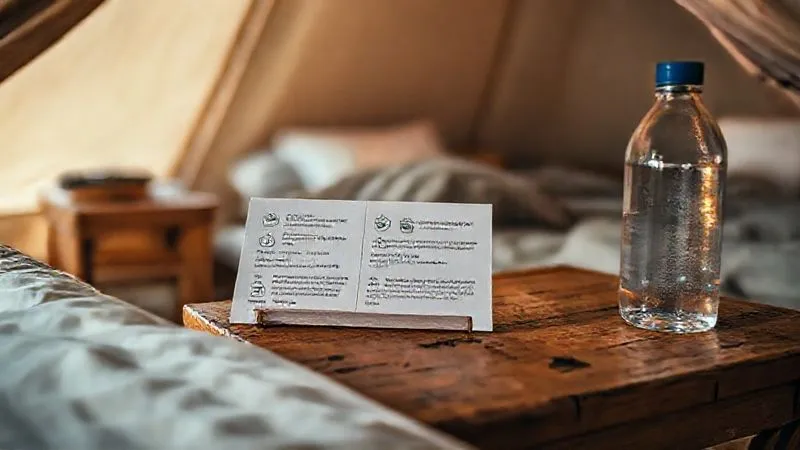
- Clear Signage: Simple, visually appealing signs near waste bins and water fixtures.
- Pre-Arrival Information: Share tips on what to pack (e.g., reusable water bottles) and what to expect regarding waste.
- Interactive Experiences: Offer optional tours of your composting facility or constructed wetland.
When guests understand the effort you put into sustainability, it enhances their experience and reinforces your brand's values. It’s a powerful differentiator in a competitive market.
Cost-Benefit Analysis: Investing in Sustainable Waste Management
Some glamping operators hesitate to invest in advanced waste management solutions due to perceived high upfront costs. However, a comprehensive cost-benefit analysis often reveals that these investments yield significant long-term savings and provide invaluable intangible benefits.
Upfront Costs vs. Long-Term Savings
While installing composting toilets, greywater treatment systems, or robust recycling infrastructure might require a larger initial capital outlay than a simple pit latrine or direct discharge (where permitted), the operational savings are substantial. You reduce or eliminate costs associated with:
- Hauling blackwater via pump trucks.
- Purchasing large volumes of fresh water for flushing.
- Frequent removal of solid waste to distant landfills.
- Potential fines for environmental non-compliance.
Furthermore, the efficiency of these systems often means less labor for daily maintenance and fewer costly repairs down the line. Over a 5-10 year operational horizon, the return on investment for sustainable waste management can be surprisingly robust.
The Priceless Value of Environmental Stewardship
Beyond direct financial returns, the value of environmental stewardship is immense. In today's market, eco-conscious travelers actively seek out businesses with demonstrable sustainability practices. By proactively **solving glamping sewage and waste management in remote areas?**, you build a powerful brand narrative.
This translates into:
- Enhanced Reputation: Positive word-of-mouth and glowing reviews from environmentally aware guests.
- Marketing Advantage: A strong unique selling proposition in a crowded market.
- Regulatory Compliance: Avoiding legal issues and securing permits more easily.
- Staff Morale: Employees who are proud to work for a responsible company.
- Future-Proofing: Adapting to evolving environmental standards and guest expectations.
Ultimately, investing in sustainable waste management isn't just an expense; it's an investment in the longevity, reputation, and profitability of your glamping business. It's about protecting the very natural beauty that makes your site unique.
| System Type | Initial Cost (Estimate) | Annual Operational Cost (Estimate) | Environmental Impact |
|---|---|---|---|
| Traditional Septic + Hauling | $15,000 - $30,000 | $5,000 - $10,000 (pumping, repairs, water) | Moderate to High (potential for leaks, resource intensive) |
| Composting Toilets + Greywater Treatment (Constructed Wetland) | $20,000 - $40,000 | $1,000 - $3,000 (maintenance, electricity for fans) | Low (resource efficient, nutrient recycling) |
Frequently Asked Questions (FAQ)
Question? How do I choose the right composting toilet for my glamping site? The best composting toilet depends on several factors: the number of guests, usage frequency, available space, and your budget. Self-contained units are great for single tents, while central systems handle higher volumes. Look for models with good ventilation, easy emptying mechanisms, and robust construction. Always check reviews and consider models approved by relevant health authorities.
Question? Is it truly safe to reuse greywater for irrigation? Yes, with proper treatment and adherence to local regulations, greywater can be safely reused for irrigating non-edible plants like trees, shrubs, and ornamental gardens. The key is to avoid direct contact with edible crops and ensure the water is adequately filtered to remove pathogens and harmful chemicals. Using biodegradable soaps and detergents is crucial for the health of your plants and soil.
Question? What are the biggest regulatory hurdles for waste management in remote areas? The biggest hurdles often involve obtaining permits for blackwater and greywater discharge, especially in environmentally sensitive zones. Regulations vary widely by region, state, and even local county. You'll need to understand rules around septic system design, composting toilet approvals, and greywater reuse. Engaging with local environmental agencies early in your planning process is vital to avoid costly delays and ensure compliance.
Question? How can I ensure guests comply with waste separation rules? Clear communication and user-friendly systems are key. Provide simple, visual instructions at each waste station. Explain the 'why' – how their efforts contribute to protecting the beautiful environment they're enjoying. Offer incentives, if appropriate, or simply make it easy and obvious. Regular staff checks and gentle reminders can also help maintain compliance.
Question? What's the maintenance commitment for these sustainable systems? While they reduce reliance on external services, sustainable systems do require routine maintenance. Composting toilets need periodic emptying and monitoring of moisture levels. Greywater systems require filter cleaning and occasional inspection of wetlands. Solid waste bins need regular emptying and cleaning. The commitment is consistent, but generally less disruptive and more environmentally friendly than managing traditional waste systems in remote settings.
Key Takeaways and Final Thoughts
- **Proactive Planning is Paramount:** Sustainable waste management must be integrated into your glamping site's design from day one, not treated as an afterthought.
- **Embrace Diverse Solutions:** No single solution fits all. Combine composting toilets, greywater treatment, and meticulous solid waste strategies tailored to your specific site.
- **Invest in Technology:** Smart monitoring, compact bio-digesters, and emerging innovations can significantly enhance efficiency and environmental performance.
- **Prioritize Education:** Empower your staff with thorough training and engage your guests as partners in your sustainability mission.
- **Recognize Long-Term Value:** While there are upfront costs, sustainable waste management offers significant operational savings, a stronger brand reputation, and invaluable environmental stewardship.
As an industry veteran, I've seen the glamping sector mature, and the imperative for true sustainability has never been clearer. **Solving glamping sewage and waste management in remote areas?** isn't just an operational challenge; it's an opportunity to differentiate your brand, protect our precious natural landscapes, and build a legacy of responsible tourism. Embrace these strategies, and you'll not only run a successful glamping business but also contribute positively to the planet for generations to come.
Recommended Reading
- Your Ultimate Guide: How to Navigate City Public Transport Easily
- 5 Steps to Seamless Solo Travel: Work-Life Balance On The Go?
- 7 Rapid Ways to Uncover Culinary Gems for Executive City Breaks?
- Unforeseen Adventures: How to Prepare for Unexpected in Remote Travel?
- Wheelchair Tours for Visually Impaired: Unforgettable Experiences Await!

Your email address will not be published. Required fields are marked *