

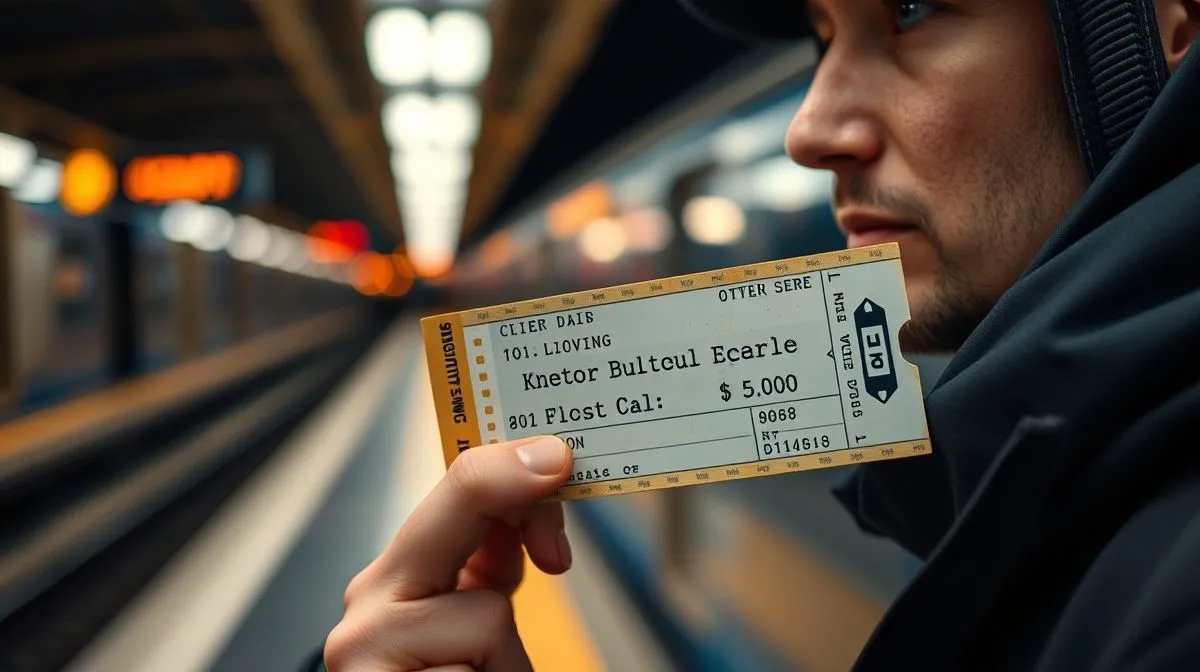
Is Public Transport Cheaper for Budget Travel? Your Definitive Guide
Imagine standing at a bustling train station in a foreign city, the rumble of an arriving train echoing through the air, carrying you not just to your next destination but also deeper into the heart of local life. For many, the thought of navigating unfamiliar public transit systems can be daunting, leading them to instinctively reach for taxis, ride-shares, or rental cars. But what if the key to unlocking significant savings on your next adventure lay hidden in plain sight, offering more than just a cheaper ride?
The perennial question for every thrifty explorer is: how do I maximize my experiences without emptying my wallet? Transportation often stands as one of the largest variable costs in any travel budget, forcing travelers to choose between convenience and cost-effectiveness. This dilemma can quickly derail even the most meticulously planned budget, leaving many wondering if there's a truly sustainable way to explore without constant financial anxiety.
This comprehensive guide will meticulously break down the economics of travel, proving conclusively whether public transport is cheaper for budget travel. We’ll delve into not just the monetary savings, but also the invaluable cultural immersion, environmental benefits, and surprising conveniences that make buses, trains, trams, and metros the savvy traveler's best friend. By the end of this article, you will be equipped with the knowledge and practical tips to confidently navigate global transit systems, making your next journey both affordable and profoundly enriching.
Understanding the True Cost of Travel Transportation
When planning a trip, many travelers focus on headline costs like flights and accommodation. However, the day-to-day expenses of getting around can quickly accumulate, often unnoticed until it's too late. Understanding the full spectrum of transportation costs is crucial for any budget-conscious traveler.
The Allure of Convenience vs. Cost
Private transport options like taxis, ride-sharing services, and rental cars offer undeniable convenience. They provide door-to-door service, privacy, and the freedom to set your own schedule. This appeal often overshadows their true cost. While seemingly straightforward, the per-ride or per-day charges can quickly add up, especially in popular tourist destinations where demand drives prices up.
Consider the ease of hailing a taxi versus deciphering a bus schedule. For many, the perceived time saving and comfort of private options justify the higher expense. Yet, this initial convenience often comes at a significant premium, eating into funds that could be better spent on experiences, food, or even extending your trip.
Hidden Costs of Private Transport
Beyond the obvious fares, private transport comes with a myriad of hidden costs. For rental cars, these include fuel, parking fees (which can be exorbitant in urban centers), tolls, insurance add-ons, and potential fines for traffic violations. Ride-sharing apps often implement surge pricing during peak hours or bad weather, dramatically increasing fares. Taxis might have hidden surcharges for luggage, late-night travel, or airport pickups.
These unforeseen expenses can quickly erode a budget, turning what seemed like a convenient choice into a financial burden. For instance, a short taxi ride in a major European city might cost €15-€20, while the same journey on a metro could be less than €3. Over a week, these small differences compound into hundreds of dollars or euros, making a strong case for public transport.
The Unrivaled Affordability of Public Transport
The primary reason public transport is a cornerstone of budget travel strategies is its inherent affordability. Designed to serve the masses, public transit systems typically offer significantly lower fares than private alternatives, making them accessible to a wider demographic, including travelers on a shoestring budget.
Fare Structures and Passes
Public transport systems worldwide offer diverse fare structures designed to cater to various user needs. Single journey tickets are always an option, but the real savings often come from multi-day passes, weekly passes, or even monthly passes. These passes provide unlimited rides within a specified period, offering incredible value for travelers planning to explore extensively. For example, a 3-day pass in many cities can cost less than two single taxi rides.
Many cities also offer specialized tourist passes that combine public transport access with discounts on attractions, further enhancing their value. Researching these options before arrival can lead to substantial savings and seamless travel experiences. Understanding zone systems and peak vs. off-peak pricing can also help optimize costs.
Comparing Modes: Buses, Trains, Trams, and Metros
Each mode of public transport offers unique advantages. Buses are often the most widespread and economical, reaching areas that trains or metros might not. They offer a ground-level view of the city, perfect for sightseeing.
Trains and metros (subways/undergrounds) are typically faster and more efficient for covering long distances, especially in dense urban environments, bypassing traffic congestion. They are ideal for quick commutes between major landmarks. Trams (streetcars) offer a charming way to see a city, often running through historic districts, combining efficiency with a scenic experience. Each mode contributes to the overall affordability and accessibility of public transit for budget travelers.
Beyond Savings: The Unexpected Benefits for Budget Travelers
While cost-effectiveness is a major draw, the advantages of using public transport extend far beyond mere financial savings. For the budget traveler, public transit offers a deeper, more authentic engagement with their destination.
Cultural Immersion and Local Insights
Stepping onto a local bus or train instantly immerses you in the daily rhythm of a city. You're no longer an observer behind a tinted car window but an active participant in local life. You'll hear local languages, observe daily routines, and perhaps even strike up conversations with residents. This authentic interaction provides insights into the culture that a private car simply cannot offer. It's a chance to see beyond the tourist traps and experience the genuine pulse of a place, making your journey richer and more memorable.
Observing how locals commute, what they carry, and how they interact provides invaluable cultural lessons. You might discover hidden gems – a local eatery near a bus stop, a vibrant market, or a charming park – that you would never have found otherwise. This organic discovery is a core part of the budget travel experience, fostering a sense of adventure and spontaneity.
Environmental Impact and Sustainable Travel
In an era of increasing environmental consciousness, choosing public transport aligns perfectly with sustainable travel principles. Public transit systems are inherently more energy-efficient per passenger mile compared to individual cars or taxis. By opting for a bus or train, you significantly reduce your carbon footprint, contributing to a greener planet.
According to various environmental studies, public transport can reduce greenhouse gas emissions by up to 80% compared to private vehicles for the same journey. This makes it a responsible choice for travelers who care about the planet. By supporting public infrastructure, you also indirectly contribute to urban planning that prioritizes eco-friendly solutions and reduces overall city congestion. For more on global sustainable transport initiatives, visit the United Nations Sustainable Development goals related to transport.
Stress Reduction and Convenience (Yes, Really!)
While it might seem counter-intuitive, public transport can often be less stressful than driving in an unfamiliar city. You avoid the anxieties of navigating complex road networks, finding parking, dealing with traffic jams, and understanding local driving laws. Instead, you can relax, read a book, plan your next activity, or simply enjoy the scenery.
In many major cities, public transport networks are incredibly efficient and well-connected, often providing faster travel times than cars during peak hours. With dedicated lanes and underground routes, trains and metros bypass surface traffic entirely. This efficiency means less time stuck in gridlock and more time enjoying your destination, which is a significant convenience for any traveler.
Strategic Planning: Maximizing Public Transport Savings
To truly leverage the cost-effectiveness of public transport, a bit of strategic planning goes a long way. Smart choices before and during your trip can unlock even greater savings and enhance your travel experience.
Researching Local Systems Before You Go
Before arriving at your destination, take some time to research its public transport system. Websites of local transport authorities, city tourism boards, and reputable travel guides like Lonely Planet often provide detailed information on routes, schedules, fare structures, and available passes. Familiarize yourself with the main lines connecting airports, train stations, and major attractions.
Look for official apps that provide real-time information, journey planners, and sometimes even mobile ticketing. Understanding the basics will save you time and confusion upon arrival, allowing you to hit the ground running with confidence.
Utilizing Travel Passes and Discount Cards
As mentioned, multi-day or weekly travel passes are often the most economical option for extensive sightseeing. Calculate your expected number of rides to determine if a pass makes financial sense over individual tickets. Many cities also offer special tourist cards that bundle public transport with museum admissions or other attractions at a reduced rate.
For longer stays or extensive travel within a country (like Japan's famous Japan Rail Pass), consider regional or national passes. These can offer incredible value, especially for high-speed rail networks, making long-distance travel surprisingly affordable. Always check validity periods and any specific usage rules.
Off-Peak Travel and Timing Your Journeys
Just like flights and hotels, public transport can have peak and off-peak pricing or crowded periods. Traveling during off-peak hours can sometimes result in slightly lower fares, but more importantly, it means a more comfortable and less stressful journey. Avoiding rush hour (typically 7-9 AM and 5-7 PM on weekdays) will allow you to secure a seat, avoid sardine-like conditions, and generally have a more pleasant experience.
Timing your journeys strategically can also help you maximize the use of a day pass. For example, if your pass activates at 9 AM, plan your first major journey after that time to get a full day's use out of it. Similarly, if you have an early flight, calculate if the first morning train is feasible or if an alternative is needed.
When Public Transport Might Not Be the Optimal Choice
While public transport is generally the champion for budget travel, there are specific scenarios where it might not be the most practical or efficient option. A savvy traveler knows when to make an exception.
Remote Destinations and Limited Connectivity
If your itinerary includes remote areas, national parks, or very small towns, public transport options might be limited or non-existent. Buses might run infrequently, or routes might not directly serve tourist attractions. In these cases, a rental car or organized tour might be the only viable way to reach your desired destination.
Always cross-reference your exact destination with available public transport routes. Don't assume a general bus service will take you right to a secluded hiking trail or a specific vineyard. Researching last-mile options is crucial for these less-connected areas.
Group Travel and Luggage Considerations
For larger groups (e.g., 3-4 or more people), the cumulative cost of individual public transport tickets might approach or even exceed the cost of a single taxi or ride-share, especially for shorter distances. In such cases, splitting the cost of a private vehicle can offer comparable affordability with added convenience.
Similarly, traveling with excessive or bulky luggage can make public transport challenging. Navigating turnstiles, crowded carriages, and stairs with multiple large suitcases can be a significant hassle. While most systems accommodate luggage, there are limits to comfort and practicality. For light packers, this is rarely an issue, but for those with heavy bags, a direct transfer might be worth the extra cost.
Time Constraints and Urgent Travel
If you're on a very tight schedule or need to reach a specific destination quickly (e.g., catching a connecting flight with a short layover), the predictability and directness of a taxi or pre-booked private transfer might be preferable. While public transport can be efficient, unforeseen delays, transfers, or the need to navigate unfamiliar stations can add valuable time.
For non-urgent travel, the slight time difference is usually negligible, but when every minute counts, paying a premium for a guaranteed direct route can be a wise investment. Always weigh the time-saving against the cost when under strict time pressure.
Real-World Examples: Success Stories from Budget Travelers
Countless travelers have successfully navigated their journeys using public transport, demonstrating its efficacy and cost-saving potential. These examples highlight how accessible and beneficial public transit can be.
Navigating London's Tube on a Shoestring
London's Underground, affectionately known as 'the Tube', is a prime example of an efficient public transport system that saves budget travelers a fortune. Instead of expensive black cabs, visitors can purchase an Oyster card or use contactless payment for seamless travel across zones. A daily cap ensures you never pay more than a certain amount, regardless of how many journeys you make. This allows travelers to visit iconic sites from the Tower of London to the British Museum, all while keeping transportation costs minimal.
Exploring Tokyo with a Japan Rail Pass
Japan, often perceived as an expensive destination, becomes remarkably affordable for long-distance travel with the Japan Rail Pass. This pass, available only to foreign tourists, provides unlimited travel on JR trains, including the legendary Shinkansen (bullet trains). For a two-week trip, the pass can save hundreds of dollars compared to individual high-speed train tickets, allowing travelers to effortlessly explore cities like Tokyo, Kyoto, and Osaka, and even venture into rural areas.
Bus Hopping Across Southeast Asia
In Southeast Asia, long-distance buses are the backbone of budget travel. Countries like Thailand, Vietnam, and Cambodia offer extensive networks of intercity buses that are incredibly cheap. While not as luxurious as trains, these buses connect major cities and tourist hubs, allowing backpackers to traverse entire countries for a fraction of the cost of flights. This method not only saves money but also offers a unique perspective on the landscapes and local life between destinations.
Common Mistakes to Avoid When Relying on Public Transport
While public transport is a boon for budget travelers, a few common pitfalls can lead to frustration or unexpected costs. Being aware of these can ensure a smoother journey.
Underestimating Travel Times
While metros are fast, surface transport like buses and trams can be subject to traffic congestion, especially during peak hours. Always factor in potential delays when planning your itinerary. Google Maps or local transit apps provide estimated travel times, but it's wise to add a buffer, particularly if you have a timed appointment or connection.
Ignoring Local Customs and Peak Hours
Every city has its own public transport etiquette. In some cultures, standing on the left on escalators is customary, while in others, quiet is expected on trains. Observing locals can provide clues. More importantly, understanding peak hours helps avoid overly crowded conditions. Trying to board a train in Tokyo during morning rush hour without knowing the etiquette can be a daunting experience!
Not Validating Tickets or Understanding Zones
Many European public transport systems require you to validate your ticket (stamp it in a machine) before or upon boarding. Failing to do so, even with a valid ticket, can result in hefty fines. Similarly, familiarize yourself with zone systems. Traveling into a higher zone than your ticket allows can also lead to penalties. Always ensure your ticket or pass covers your entire journey and is properly validated.
Frequently Asked Questions (FAQ)
Is public transport always cheaper? Generally, yes, for individual travelers and shorter distances. For larger groups or very remote destinations, private transport might occasionally be competitive or more practical. However, for most urban exploration, public transport offers significant savings.
How can I find public transport routes and schedules? Most major cities have official transport apps or websites. Google Maps is also an excellent tool that integrates public transport routes, schedules, and real-time updates worldwide. Third-party apps like Citymapper or Moovit are also highly recommended.
What are the best apps for public transport? Google Maps, Citymapper, and Moovit are top choices for comprehensive route planning, real-time tracking, and fare information across many cities globally. Always check if your specific destination has an official local transit app, as these often offer the most accurate and up-to-date information.
Is public transport safe for solo travelers? In most major cities, public transport is very safe, especially during daylight hours. Exercise common sense precautions: be aware of your surroundings, keep valuables secure, and avoid traveling alone late at night in unfamiliar areas if you feel uncomfortable. Stick to well-lit, populated stations.
Can I use public transport with a lot of luggage? While possible, it can be challenging. Most systems have designated areas for luggage, but navigating stairs, turnstiles, and crowded carriages with multiple large suitcases can be cumbersome. For heavy or excessive luggage, a taxi or private transfer might offer more comfort and convenience.
Recommended Reading
- Your Ultimate Guide: How to Select a Space Tourism Company for Your Journey
- Unlocking Serenity: How to Find the World's Whitest Sand Beaches
- Best Baking Classes While Traveling Abroad: A Delicious Journey
- The Ultimate Guide: How to Budget for Student Travel Abroad Effectively?
- Unlock Cheap Train Travel: How to Journey Without a Rail Pass!
Conclusion
The question of whether public transport is cheaper for budget travel can be definitively answered with a resounding yes. Beyond the undeniable financial savings, opting for public transit offers a gateway to authentic cultural immersion, a reduced environmental footprint, and a surprisingly stress-free way to navigate new cities. By embracing buses, trains, trams, and metros, travelers not only stretch their budgets further but also gain invaluable insights into the destinations they visit. So, on your next adventure, consider swapping the private ride for a public journey; you might just discover that the greatest treasures lie not just at your destination, but in the journey itself, shared with the pulse of the city.





Your email address will not be published. Required fields are marked *