

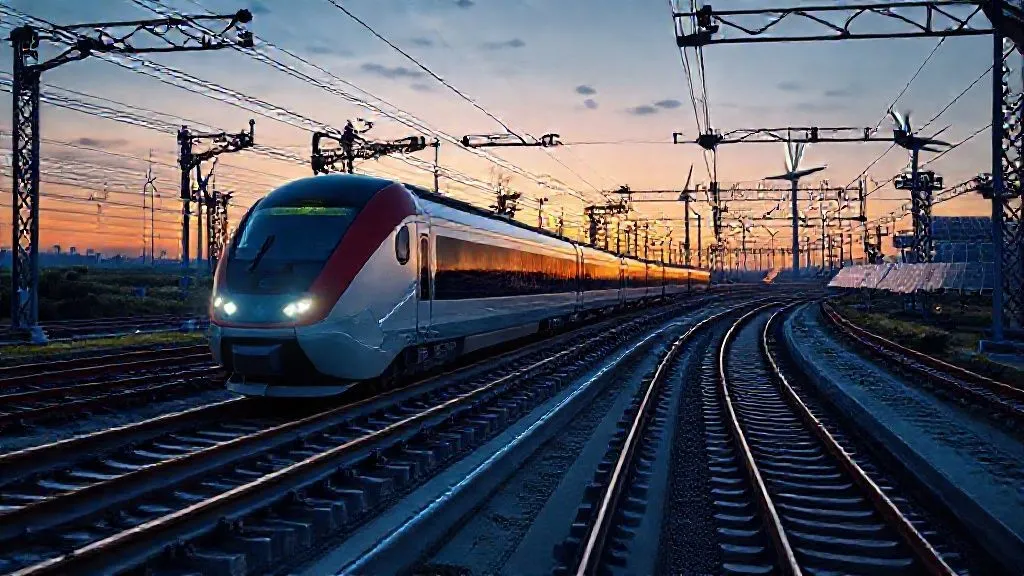
Resolving Complex Logistics for Zero-Emission Long-Haul Train Travel?
For over two decades in the rail industry, I've witnessed the evolution of train travel from a carbon-intensive workhorse to a beacon of sustainable mobility. I remember the early discussions about 'green rail' feeling almost utopian, a distant dream. Yet, here we are, facing the imperative to transform our long-haul networks into truly zero-emission arteries, a challenge far more intricate than simply swapping out diesel engines.
The sheer scale of this transition presents a dizzying array of logistical complexities. From reimagining power sources and refueling infrastructure to optimizing vast networks and integrating cutting-edge digital solutions, the path to zero-emission long-haul train travel is fraught with hurdles that can seem insurmountable. Many operators and policymakers find themselves grappling with how to even begin untangling this Gordian knot, often feeling overwhelmed by the interconnectedness of these challenges.
But despair is not an option. In this definitive guide, I will share the frameworks, actionable strategies, and expert insights I’ve gained from years on the tracks and in the boardrooms. We’ll delve into the core components required for resolving complex logistics for zero-emission long-haul train travel, providing you with a clear roadmap to navigate this monumental, yet achievable, shift towards a truly sustainable future for rail.
Understanding the Zero-Emission Mandate: Why Now?
The push for zero-emission long-haul train travel isn't merely an environmental aspiration; it's a multi-faceted mandate driven by global climate targets, evolving regulatory landscapes, and increasing public demand for sustainable transport options. The Intergovernmental Panel on Climate Change (IPCC) reports continually underscore the urgency of decarbonizing all sectors, with transport being a significant contributor to global emissions.
Governments worldwide, particularly in the European Union with its Green Deal, are setting ambitious targets for rail electrification and the adoption of alternative fuels. This isn't just about reducing a carbon footprint; it's about future-proofing an essential industry against rising carbon taxes, fuel price volatility, and the ever-present threat of climate-related disruptions. The economic incentives, though often requiring significant upfront investment, are becoming increasingly clear in the long run.
"The transition to zero-emission rail isn't a choice; it's an economic and environmental imperative. Delaying action only amplifies future costs and risks."
Moreover, public perception plays a crucial role. Passengers and freight customers are increasingly seeking out eco-friendly transportation options, creating market pressure for operators to demonstrate their commitment to sustainability. Companies that proactively embrace this transition will gain a significant competitive advantage, attracting both talent and clientele who value environmental responsibility. This shift is reshaping everything, from engineering specifications to operational planning, demanding a holistic approach to innovation.
For further insights into global climate goals and their impact on industries, I recommend exploring the reports from the International Energy Agency (IEA), which provide comprehensive data and policy recommendations.
Electrification vs. Alternative Fuels: The Infrastructure Conundrum
One of the most fundamental logistical challenges in achieving zero-emission long-haul train travel lies in selecting and deploying the appropriate power source, each with its own intricate infrastructure requirements. As I've seen firsthand, there's no one-size-fits-all solution; the choice often depends on route characteristics, existing infrastructure, and regional energy grids.
Overhead Catenary Systems: Pros, Cons, and Implementation Challenges
Traditional electrification via overhead catenary systems (OCS) is a proven technology, highly efficient for high-density routes. It allows trains to draw power directly from the grid, offering unlimited range. However, the logistical hurdles are substantial: the immense capital cost of installing and maintaining thousands of kilometers of overhead lines, the disruption during construction, and the need for significant grid upgrades to handle increased power demand. In my experience, planning for OCS requires meticulous coordination with energy providers and local authorities to minimize impact and ensure a stable power supply.
Hydrogen Fuel Cell Trains: Storage, Refueling, and Production Logistics
Hydrogen trains offer a compelling alternative for non-electrified lines, emitting only water vapor. The logistics, however, are complex. Establishing a reliable 'green hydrogen' supply chain—from production (via electrolysis using renewable energy) to storage and distribution—is paramount. Refueling stations must be strategically placed along long-haul routes, requiring new infrastructure that mirrors the scale of current diesel depots. Moreover, the safe handling and storage of hydrogen, a highly flammable gas, introduce stringent safety protocols and training requirements.
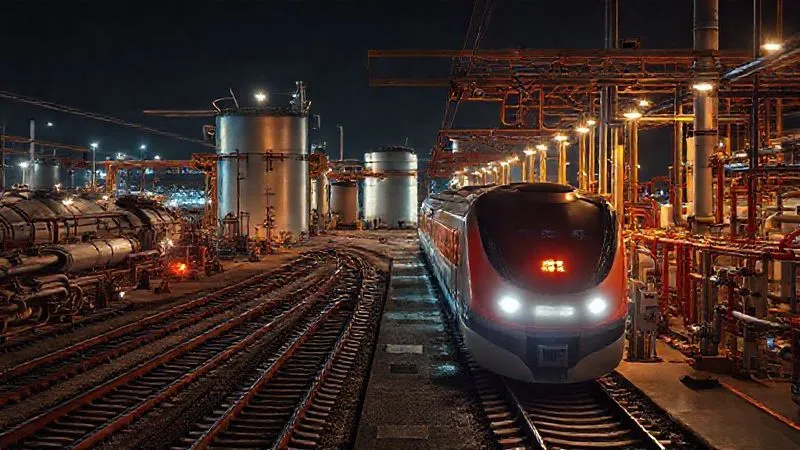
Battery-Electric Locomotives: Range, Charging Infrastructure, and Grid Impact
Battery-electric trains are gaining traction for shorter to medium-haul routes, but their application for long-haul is still evolving. The primary logistical challenge is battery range and the density of charging infrastructure. Fast-charging stations, potentially utilizing regenerative braking energy, would need to be integrated into the network at regular intervals, similar to electric vehicle charging networks but on a much larger scale. The impact on local grid stability during peak charging times also needs careful assessment and mitigation strategies. Battery weight and degradation over time are also key considerations for long-haul efficiency.
| Technology | Pros | Cons | Best Use Case |
|---|---|---|---|
| Overhead Catenary (Electric) | Proven, highly efficient, unlimited range | High upfront cost, construction disruption, grid dependency | High-density, heavily trafficked routes |
| Hydrogen Fuel Cell | Zero emissions, good range potential, flexible deployment | Complex supply chain, new refueling infrastructure, safety protocols | Non-electrified, long-haul corridors |
| Battery-Electric | Zero emissions, quiet operation, energy storage | Limited range, heavy batteries, extensive charging infrastructure | Shorter-to-medium haul, shunting, hybrid solutions |
Rethinking Network Planning: Optimizing for Green Efficiency
Beyond the power source, resolving complex logistics for zero-emission long-haul train travel demands a fundamental re-evaluation of how we plan and operate our rail networks. The goal isn't just to replace diesel; it's to create a more efficient, resilient, and sustainable system from the ground up. This involves leveraging advanced analytics and embracing cross-border interoperability.
Smart Route Optimization & Dynamic Scheduling
In my experience, static timetables are a relic of the past. Zero-emission trains, whether electric, hydrogen, or battery, have unique operational profiles. Electric trains might benefit from routes with existing OCS, while hydrogen trains need access to refueling hubs. Smart route optimization, powered by AI and real-time data, can dynamically adjust schedules based on energy availability, network congestion, and even weather conditions. This ensures trains operate at peak energy efficiency, minimizing idle times and maximizing throughput.
Benefits of Dynamic Scheduling:
- Reduced Energy Consumption: Optimizing speed and acceleration profiles.
- Improved Punctuality: Adapting to real-time disruptions.
- Enhanced Network Capacity: Better utilization of existing tracks.
- Lower Operational Costs: Less fuel/energy waste, fewer delays.
For a deeper dive into smart logistics and its impact on transport, reports from institutions like the Deloitte Future of Mobility often provide excellent insights into these emerging trends.
Interoperability Across Borders: A European Perspective
Long-haul train travel, by its very nature, often transcends national borders, particularly in regions like Europe. The logistical headache of different signaling systems, power supply voltages, and regulatory frameworks is compounded when introducing new zero-emission technologies. Achieving seamless interoperability is crucial. This means harmonizing technical standards for hydrogen refueling, battery charging, and even the digital communication systems that manage these green fleets.
I've seen projects falter due to a lack of cross-border coordination. Success requires strong international collaboration, potentially led by bodies like the European Union Agency for Railways (ERA), to establish common standards and investment frameworks. Without this, the vision of a truly interconnected, zero-emission trans-European rail network remains fragmented and inefficient.
Powering the Future: Renewable Energy Integration
A zero-emission train powered by a fossil fuel-generated electricity grid is an oxymoron. True sustainability for long-haul rail necessitates the seamless integration of renewable energy sources into the rail power supply. This isn't just about drawing from the national grid; it's about creating dedicated, localized green energy ecosystems for rail.
Dedicated Solar/Wind Farms for Rail
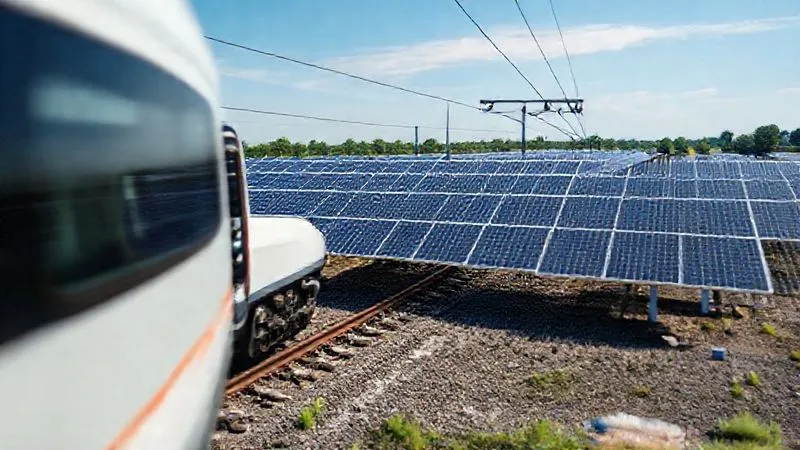
Imagine rail lines running parallel to vast solar farms or wind turbine arrays, directly feeding power into the OCS or producing green hydrogen on-site. This concept, often called 'rail-to-grid' or 'grid-to-rail' innovation, significantly reduces transmission losses and ensures that the energy consumed by trains is genuinely green. Logistically, this involves identifying suitable land, navigating permitting processes, and integrating these dedicated power sources with existing rail infrastructure and the national grid. It's a complex dance of land use, energy engineering, and regulatory alignment.
Grid Management & Energy Storage Solutions
The intermittent nature of renewables (sun doesn't always shine, wind doesn't always blow) presents a logistical challenge for a constant energy demand like rail. This is where advanced grid management and large-scale energy storage solutions come into play. Battery storage facilities at substations can buffer renewable energy, ensuring a steady supply for trains even when generation is low. Furthermore, smart grids can optimize energy distribution, perhaps even allowing trains to feed excess regenerative braking energy back into the local grid, creating a dynamic, two-way energy flow.
Actionable Steps for Renewable Integration:
- Conduct a comprehensive energy audit: Assess current energy consumption patterns and identify peak demand times for your long-haul routes.
- Map renewable resource potential: Identify suitable locations along your network for solar, wind, or even geothermal energy generation.
- Feasibility studies for dedicated power plants: Evaluate the economic and environmental viability of building direct-feed renewable energy sources.
- Invest in smart grid technologies: Implement systems that can manage energy flow, optimize distribution, and integrate storage solutions.
- Form partnerships with energy providers: Collaborate on grid upgrades and explore power purchase agreements for certified green energy.
Supply Chain & Maintenance for Zero-Emission Fleets
The shift to zero-emission long-haul train travel isn't just about the trains themselves; it fundamentally alters the entire supply chain and maintenance ecosystem. From sourcing specialized components to implementing new maintenance protocols, the logistical implications are vast and require foresight.
Sourcing Green Components & Materials
Consider the materials for hydrogen tanks, advanced batteries, or specialized high-voltage electrical components for OCS. The supply chain for these items is often global, complex, and currently less mature than for traditional diesel components. Operators must ensure ethical sourcing, minimize transportation emissions for these components, and build resilience into their supply networks. This also extends to the 'circular economy' principle, planning for the recycling and responsible disposal of batteries and fuel cells at the end of their lifecycle, which is a significant logistical undertaking in itself.
Predictive Maintenance for New Technologies
New technologies bring new maintenance requirements. Hydrogen fuel cells, for instance, have different wear patterns and servicing needs than diesel engines. Battery packs require sophisticated monitoring to ensure optimal performance and longevity. I've advocated for a strong shift towards predictive maintenance, leveraging IoT sensors and AI to monitor component health in real-time. This allows for proactive interventions, reducing costly unplanned downtime and optimizing maintenance schedules, which is critical for long-haul operations where reliability is paramount.
Case Study: How ‘Green Tracks Rail’ Revolutionized Maintenance
Green Tracks Rail, a fictional mid-sized European freight operator, faced significant challenges transitioning their fleet to a hybrid electric-battery model for regional long-haul routes. Their traditional, time-based maintenance schedule proved inefficient for the new complex systems. By implementing an IoT-driven predictive maintenance platform, they installed sensors on battery packs, power converters, and electric motors. This system fed real-time data to an AI algorithm that predicted potential failures with 90% accuracy, weeks in advance. This allowed them to schedule maintenance precisely when needed, reducing unplanned breakdowns by 40% and cutting maintenance costs by 25% within two years. Their fleet availability significantly improved, demonstrating the power of smart logistics in action.
"The lifecycle thinking applied to zero-emission fleets must extend beyond purchase to encompass ethical sourcing, efficient operation, and responsible end-of-life management. This is where true sustainable logistics are forged."
Digital Transformation: The Backbone of Green Logistics
In my view, the successful implementation of zero-emission long-haul train travel hinges entirely on a robust digital backbone. Without advanced data analytics, real-time monitoring, and intelligent automation, the complex interplay of new power sources, dynamic scheduling, and intricate supply chains would simply collapse. Digital transformation isn't an add-on; it's the central nervous system.
AI & Machine Learning for Predictive Analytics
Artificial Intelligence (AI) and Machine Learning (ML) are game-changers. They can analyze vast datasets—from energy consumption patterns and weather forecasts to network congestion and component wear—to make highly accurate predictions. This enables dynamic route optimization, predictive maintenance (as discussed), and even intelligent energy management, predicting peak demand and optimizing charging/refueling schedules. This level of foresight is indispensable for resolving complex logistics for zero-emission long-haul train travel efficiently.
IoT Sensors for Real-time Monitoring
The Internet of Things (IoT) provides the eyes and ears of the green rail network. Sensors deployed across trains, tracks, OCS, refueling stations, and energy storage units can transmit real-time data on everything from battery temperature and hydrogen pressure to track conditions and energy flow. This continuous stream of information feeds the AI systems, allowing operators to monitor the health and performance of their zero-emission assets and infrastructure with unprecedented precision. It's about moving from reactive problem-solving to proactive, data-driven management.
Blockchain for Transparent Supply Chains
For the complex, global supply chains supporting zero-emission rail, transparency and traceability are crucial. Blockchain technology offers a decentralized, immutable ledger for tracking components, fuels, and materials from their origin to their final destination. This can verify the 'green' credentials of hydrogen, ensure ethical sourcing of raw materials for batteries, and streamline compliance checks. It builds trust and accountability, which are vital when dealing with novel and environmentally sensitive components.
Policy, Funding, and Collaboration: Driving the Transition
No amount of technological innovation or operational ingenuity will suffice without the right enabling environment. The transition to zero-emission long-haul rail is a societal undertaking that requires robust policy frameworks, significant funding mechanisms, and unprecedented levels of collaboration across sectors and borders. This is where leadership and strategic foresight truly come into play.
Government Incentives & Regulatory Frameworks
Governments play a pivotal role in de-risking investments in green rail. This includes offering subsidies for the purchase of zero-emission locomotives, grants for infrastructure development (electrification, hydrogen hubs), and tax incentives for companies that invest in sustainable rail logistics. Equally important are clear and stable regulatory frameworks that provide long-term certainty for investors and operators. This might involve setting mandates for emission reductions or establishing common technical standards that facilitate interoperability across national networks.
For example, the European Union's European Green Deal has significantly shaped the policy landscape for sustainable transport, including rail, through various directives and funding programs.
Public-Private Partnerships
Given the scale of investment required, public-private partnerships (PPPs) are often the most viable model for financing and delivering zero-emission rail projects. Governments can provide initial capital, regulatory support, and de-risk projects, while private companies bring technological expertise, operational efficiency, and additional financial resources. I've seen successful PPPs accelerate infrastructure development and technology adoption, sharing both the risks and rewards of these ambitious ventures.
International Cooperation and Standards
As I mentioned earlier, long-haul rail is inherently international. Therefore, international cooperation is non-negotiable. This involves harmonizing technical standards for new technologies, aligning safety regulations, and establishing common protocols for cross-border operations. Organizations like the International Union of Railways (UIC) and the European Union Agency for Railways (ERA) are crucial in fostering this collaboration, ensuring that a hydrogen train from Germany can seamlessly refuel and operate in France, or an electric locomotive from Sweden can traverse multiple Nordic countries without impedance. This collective approach is key to genuinely resolving complex logistics for zero-emission long-haul train travel on a continental scale.
Overcoming Human & Organizational Inertia
Even with the best technology, policies, and funding, the human element can be the greatest barrier or the greatest enabler. Transitioning to zero-emission long-haul rail involves profound changes to established practices, demanding new skills, new mindsets, and a willingness to embrace change across entire organizations.
Workforce Training & Skill Development
The workforce of tomorrow's green rail industry will need a different skill set. Engineers must understand hydrogen fuel cells and battery management systems. Technicians will require training in high-voltage electrical systems and advanced digital diagnostics. Dispatchers will need to master AI-driven dynamic scheduling tools. This necessitates significant investment in training programs, upskilling existing employees, and attracting new talent with specialized expertise. I've seen companies underestimate this aspect, leading to operational bottlenecks and resistance to new technologies.
Change Management Strategies
Introducing new technologies and processes inevitably creates resistance. It's human nature to prefer the familiar. Effective change management strategies are crucial to ensure a smooth transition. This involves clear communication about the 'why' behind the changes, involving employees in the planning process, providing adequate support and training, and celebrating early successes. Leaders must act as champions for sustainability, fostering a culture of innovation and continuous improvement.
"Technology is only as good as the people who operate and maintain it. Invest in your workforce, empower them, and they will drive your zero-emission future."
The journey towards zero-emission long-haul train travel is not just a technological or logistical one; it's a profound organizational and cultural transformation. It requires leadership that understands the interconnectedness of these elements and is committed to guiding their teams through this exciting, yet challenging, period of change.
Frequently Asked Questions (FAQ)
What's the biggest hurdle for zero-emission long-haul rail? In my professional opinion, the single biggest hurdle is the immense upfront investment required for infrastructure transformation, whether it's full electrification, establishing a green hydrogen supply chain, or deploying extensive battery charging networks. This is compounded by the need for regulatory harmonization and cross-border cooperation to make long-haul routes truly seamless. The technology exists, but scaling it globally and making it economically viable without substantial policy support remains a significant challenge.
How do hydrogen and battery trains compare for long distances? For truly long-haul, non-electrified routes, hydrogen fuel cell trains currently hold an advantage due to their faster refueling times and potentially longer range with current technology. Battery-electric trains, while excellent for shorter distances, face challenges with battery weight, volume, and the need for frequent, high-power charging along extensive routes, which is a logistical nightmare to implement at scale for cross-country journeys. However, hybrid solutions combining both or using batteries on electrified sections are promising.
What role does AI play in optimizing green rail logistics? AI is absolutely critical. It acts as the brain of the green rail network, optimizing everything from dynamic routing and scheduling to predictive maintenance and energy management. AI can analyze vast datasets in real-time to ensure trains operate at peak energy efficiency, minimize delays, predict equipment failures, and even manage the integration of renewable energy sources into the grid. Without AI, the complexity of managing a truly zero-emission long-haul network would be overwhelming.
Can existing rail infrastructure be adapted, or do we need entirely new networks? A significant portion of existing rail infrastructure can be adapted, particularly the tracks themselves. However, the energy supply infrastructure will require substantial upgrades or entirely new builds. Electrification means new overhead lines and substations. Hydrogen trains need new refueling depots and hydrogen production facilities. Battery trains require extensive charging stations. While the 'bones' of the network remain, the 'nervous system' and 'blood vessels' (power and fuel) will be largely new or heavily modified, making it a monumental logistical undertaking.
What are the primary funding mechanisms for these ambitious projects? Funding for zero-emission long-haul rail projects typically comes from a blend of sources. Government grants and subsidies (often tied to climate targets), public-private partnerships (PPPs), green bonds, and loans from multilateral development banks (like the European Investment Bank) are common. Private sector investment, driven by sustainability mandates and long-term economic benefits, also plays an increasing role. Attracting this capital requires strong business cases, clear regulatory frameworks, and confidence in long-term policy stability.
Key Takeaways and Final Thoughts
The journey towards resolving complex logistics for zero-emission long-haul train travel is undeniably challenging, but it is also an incredibly exciting and necessary one. As someone who has spent a career dedicated to this industry, I can tell you that the solutions are within our grasp, provided we approach them with strategic foresight, collaborative spirit, and a commitment to innovation.
- Embrace a Holistic Strategy: No single solution will suffice; integrate technology, infrastructure, and human capital.
- Prioritize Data & Digitalization: Leverage AI, IoT, and advanced analytics as the backbone of efficient green operations.
- Foster Collaboration: Work across borders, industries, and public-private divides to share knowledge and resources.
- Invest in People: Upskill your workforce and manage change effectively to ensure smooth adoption of new technologies.
- Champion Sustainability: Position zero-emission rail not just as an environmental necessity, but as a path to long-term economic resilience and competitive advantage.
The future of long-haul train travel is green, efficient, and interconnected. The logistical challenges, while formidable, are not insurmountable. By applying the strategies and insights I've shared, you can be part of the pioneering effort that defines the next era of sustainable transportation, delivering a cleaner, more efficient world for generations to come. The tracks are laid; it's time to power the green locomotives of tomorrow.
Recommended Reading
- Mastering Glamping: 5 Ways to Defy Extreme Temperatures in Luxury
- Unlock the Secret: How to Maintain a Clean Living Routine on Vacation
- Mastering Complex Crevasse Rescue: A Ski Patrol Training Framework
- Unmasking the Unseen: What Are Hidden Costs at Five-Star Luxury Resorts?
- How to Find Truly Secluded Beaches When Vacation Time is Scarce: 7 Expert Tactics




Your email address will not be published. Required fields are marked *