

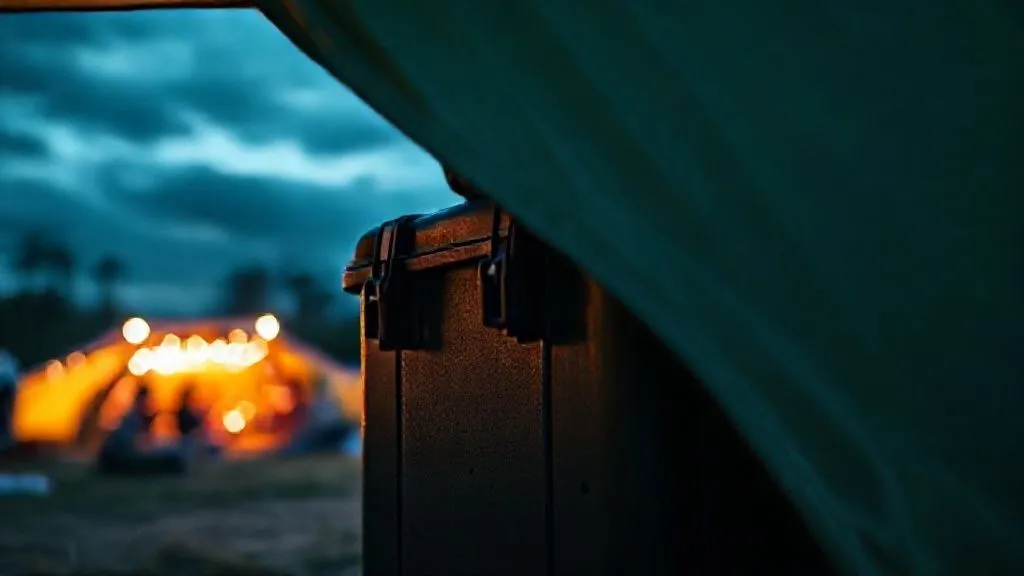
How to Prevent Professional Gear Theft at Festival Camping?
For over 15 years in the exhilarating, unpredictable world of festival travel, I've witnessed incredible performances, vibrant communities, and unfortunately, the devastating impact of professional gear theft. There's a particular sting when your livelihood – your camera, your instruments, your sound equipment – vanishes from what should be a haven of creativity and freedom. It's a scenario that can sideline careers and leave artists, photographers, and content creators feeling utterly violated.
The unique environment of festival camping, with its transient population, relaxed atmosphere, and often limited security infrastructure, creates a fertile ground for opportunistic thieves. You're trying to immerse yourself in the experience, but the nagging worry about your valuable equipment can cast a long shadow over the entire event. I've seen firsthand how a single incident can not only result in significant financial loss but also deeply impact an individual's passion and ability to pursue their craft.
That's why I've distilled years of observation, hard-won lessons, and conversations with seasoned festival-goers and security experts into this comprehensive guide. We're going beyond generic advice to provide you with actionable frameworks, battle-tested strategies, and expert insights designed to significantly reduce your risk. By the end of this article, you'll have a robust plan to protect your professional gear, allowing you to focus on what truly matters: creating, performing, and enjoying the festival experience without constant fear.
Understanding the Threat Landscape: Why Festivals Are Prime Targets
Before we can effectively combat theft, we must first understand the enemy and the environment. Festival campsites are unique ecosystems where thousands of people, often strangers, live in close proximity for days. The sheer volume of attendees, coupled with the celebratory atmosphere, can lead to a false sense of security.
Thieves operating at festivals are often highly organized and experienced. They know when people are most vulnerable – late at night, during main stage performances, or when campers are away from their sites. They target specific items that are easy to resell, like high-end cameras, lenses, laptops, musical instruments, and professional audio equipment. They blend in, observe, and strike quickly, often leaving no trace.
In my experience, many thefts occur not through brute force, but through exploiting simple oversights: an unlocked tent, gear left visible in an unattended vehicle, or a casual approach to securing valuables. Recognizing these vulnerabilities is the first step towards building an impenetrable defense. We need to shift our mindset from 'it won't happen to me' to 'how can I make it impossible for it to happen to me?'
The Pre-Festival Security Audit: Planning Before You Pack
Security begins long before you even set foot on the festival grounds. A thorough pre-festival security audit is your first and most critical line of defense. This isn't just about packing; it's about strategic preparation.
- Inventory and Document Everything: Before packing, create a detailed list of all professional gear, including serial numbers, models, and estimated values. Take clear, well-lit photographs of each item. Store this information digitally (cloud storage) and in a physical, secure location. This documentation is invaluable for insurance claims and police reports.
- Identify Non-Essentials: Ask yourself: do I *really* need to bring my most expensive prime lens, or will a versatile zoom suffice? Can I use a slightly older, less valuable laptop for basic tasks? Every piece of gear left at home is one less item to worry about.
- Research Festival Security: Check the official festival website for any security guidelines, prohibited items, or designated secure storage areas. Understand the layout of the camping grounds and potential high-risk zones.
- Invest in Quality Security Hardware: This includes durable, high-quality padlocks (combination or keyed, but always keep keys secure), heavy-duty steel security cables (like those used for bikes), and portable safes designed for travel.
- Insurance Review: Verify your existing home or renter's insurance policy covers theft of professional gear outside your home. Often, specialized equipment requires a separate rider or dedicated professional gear insurance. Don't assume; confirm. According to a study by the Insurance Information Institute, personal property coverage limits can vary widely, and professional equipment may not be fully covered.
"The best defense is not just a good offense, but an ironclad preparation. Neglecting the pre-festival audit is like going to battle without your armor."
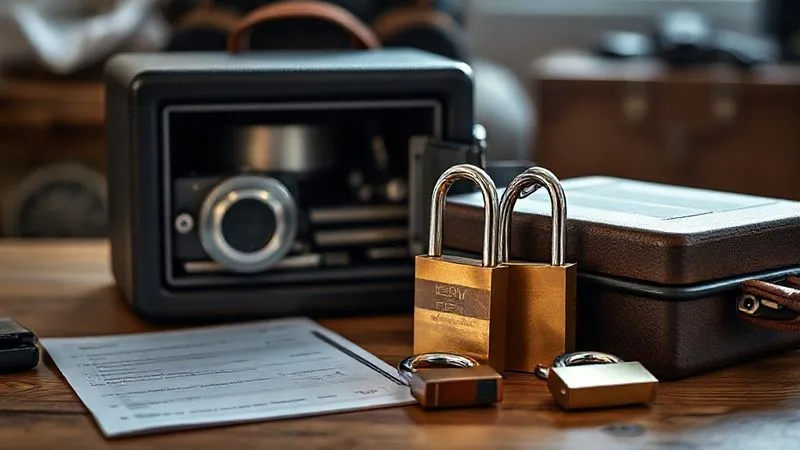
On-Site Security Protocols: Fortifying Your Campsite
Once you've arrived and set up your camp, the real work of on-site security begins. This is where vigilance and smart habits become your best friends. Think of your campsite as a mini-fortress that needs constant attention.
- Strategic Tent Placement: If possible, choose a campsite near a well-lit area or a main pathway where there's constant foot traffic. Avoid secluded spots, as these offer more cover for thieves. Setting up near a designated security station, if available, is also a smart move.
- Lock Down Your Tent (Yes, Really): While a tent zipper isn't Fort Knox, a padlock on the zipper pulls acts as a deterrent. More importantly, it signals to opportunistic thieves that your tent isn't an easy target. It buys you precious seconds and often makes them move on to an easier mark.
- Secure Gear to Immovable Objects: Use heavy-duty steel cables to lash down valuable items inside your tent. Connect them to tent poles (if sturdy enough), car frames (if car camping), or even a large, heavy cooler filled with water. The goal is to make it impossible to simply grab and run.
- Disguise and Conceal: Never leave expensive gear visible in your tent or car. Use opaque bags, old blankets, or even laundry bags to cover your equipment. The less appealing it looks, the less likely it is to be targeted.
- Buddy System: Camp with friends and establish a 'watch' system. If one person leaves, others keep an eye on their gear. Collective vigilance is incredibly effective.
Case Study: How 'Soundwave Studios' Secured Their Setup
Soundwave Studios, a small team of audio engineers, faced recurring issues with microphone and mixer theft at a major multi-day festival. After experiencing a significant loss, they implemented a strict on-site security protocol. They invested in a large, heavy-duty storage trunk that could be locked and cabled to their vehicle frame. All high-value audio equipment was stored in this trunk when not in use. They also used discreet, dark fabric covers over their tent openings and never left any gear visible. By combining these physical deterrents with a rotating 'camp watch' schedule among their team, they successfully navigated three subsequent festivals without a single incident of theft. This resulted in zero financial loss and uninterrupted workflow, allowing them to focus entirely on their client's needs.
Smart Storage & Concealment Strategies: Out of Sight, Out of Mind
The art of concealment is about making your gear invisible or undesirable to a thief. This goes beyond just throwing a blanket over it; it involves strategic thinking about storage.
1. Portable, Lockable Safes: Small, portable safes or Pelican cases are excellent for securing smaller, highly valuable items like hard drives, expensive lenses, or microphones. These can then be cabled to a more permanent fixture within your tent or vehicle. Many such cases are waterproof and impact-resistant, adding another layer of protection.
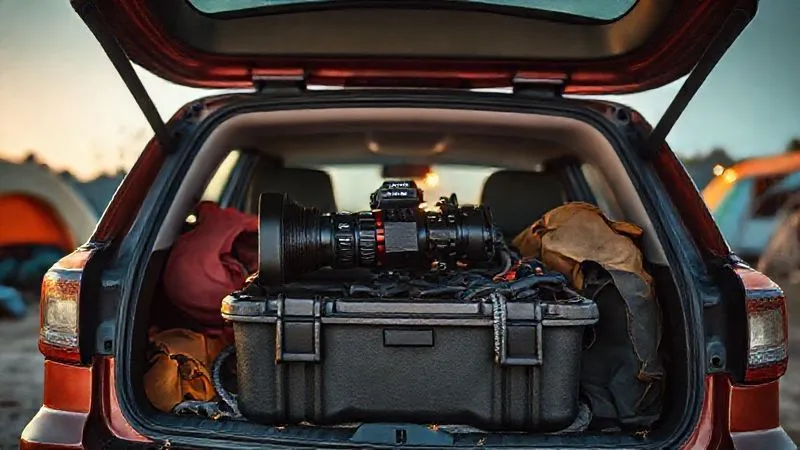
2. Vehicle Security: If you're car camping, your vehicle can be a powerful asset. Always lock your car, even when you're just stepping away for a moment. Store your most valuable gear in the trunk or under seats, out of direct line of sight. Consider adding window tinting if it's not already present. For even greater security, some professional gear cases are designed to be bolted into a vehicle's frame, though this is a more permanent solution.
3. Decoy Tactics: A simple, inexpensive decoy can sometimes deter a thief. An old, broken camera or a cheap, outdated laptop left conspicuously (but not easily accessible) might draw attention away from your actual valuables hidden elsewhere. This is a psychological tactic that preys on a thief's desire for quick, easy gains.
"Discretion is not just about hiding; it's about making your valuables appear less valuable, less accessible, and ultimately, less appealing."
Technological Deterrents: Gadgets That Guard Your Gear
In the digital age, technology offers a suite of tools to aid in gear security. While not foolproof, these can significantly enhance your protection.
- GPS Trackers: Tiny, discreet GPS trackers can be hidden inside camera bags, instrument cases, or even within larger pieces of equipment. In the event of theft, these can provide real-time location data, greatly assisting law enforcement in recovery. Brands like Apple AirTag (for short-range tracking) or dedicated cellular GPS trackers offer varying ranges and capabilities.
- Motion-Activated Alarms: Small, battery-operated motion sensors can be placed inside your tent or gear cases. If triggered, they emit a loud alarm, startling potential thieves and alerting you and nearby campers.
- Portable Security Cameras: Mini, battery-powered security cameras with motion detection and night vision can be discreetly placed to monitor your campsite. Some models offer cloud storage or push notifications to your phone. While they might not prevent theft, they provide crucial evidence for identification and prosecution.
- Smart Locks: For certain cases or storage solutions, smart locks that connect to your phone via Bluetooth can offer keyless entry and logging of access attempts.
It's important to test all technological deterrents before the festival to ensure they are fully charged, functional, and that you understand how to use them effectively. Remember, these are aids, not replacements for physical security measures and vigilance.
| Security Device | Pros | Cons |
|---|---|---|
| GPS Tracker (Cellular) | Long-range, real-time tracking, small | Subscription fee, battery life, initial cost |
| Apple AirTag / Tile | No subscription, small, affordable, uses network of devices | Short-range, relies on other device users nearby |
| Motion-Activated Alarm | Loud deterrent, affordable, simple | False alarms, needs battery, doesn't track |
| Portable Security Camera | Records evidence, night vision, remote viewing | Battery life, storage, potential for theft itself |
Insurance & Documentation: Your Last Line of Defense
Even with the most rigorous security measures, theft can sometimes still occur. This is where comprehensive insurance and meticulous documentation become your absolute safeguard. Think of it as your financial recovery plan.
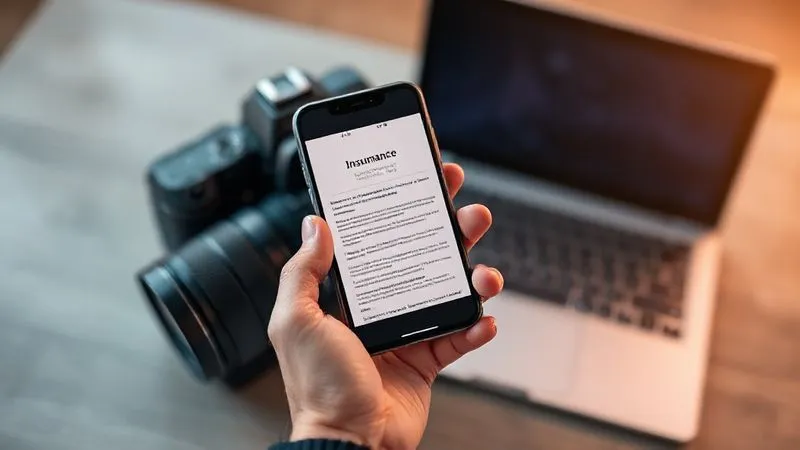
- Specialized Gear Insurance: Standard home or renter's insurance policies often have limits on high-value items, especially professional equipment used for income. Invest in a dedicated professional gear insurance policy. These policies are tailored to the specific risks associated with your equipment, including theft, damage, and loss, often covering items worldwide. Research reputable providers like Insureon for photographers or similar specialized policies for musicians and videographers.
- Detailed Inventory: As mentioned earlier, your detailed inventory with serial numbers, purchase dates, and photos is paramount. This isn't just a suggestion; it's a non-negotiable requirement for efficient insurance claims and police reports. Without it, proving ownership and value becomes incredibly difficult.
- Cloud Backup for Digital Assets: If you're a photographer or videographer, ensure all your work is regularly backed up to a cloud service or an external hard drive that you keep separate and even more securely. Losing your gear is bad enough; losing your irreplaceable creative work is a catastrophe.
- Proof of Purchase: Keep digital copies of all receipts and invoices for your gear. This further substantiates your claims and helps establish the true value of the stolen items.
"Insurance isn't just a safety net; it's the foundation upon which you rebuild. Without it, a single incident can unravel years of investment in your craft."
Community & Vigilance: The Power of Collective Security
One of the most underestimated security assets at a festival is the community itself. Building rapport with your neighbors and maintaining a high level of personal vigilance can create a formidable deterrent.
- Get to Know Your Neighbors: Introduce yourself to the campers around you. A friendly face is more likely to notice suspicious activity at your campsite than a stranger. Exchange phone numbers if comfortable, and agree to keep an eye on each other's camps when one is away.
- Report Suspicious Activity: If you see something that doesn't feel right – someone loitering around tents, trying handles, or acting out of place – report it immediately to festival security. Don't confront them yourself; leave it to the professionals.
- Maintain a Low Profile: While it's tempting to show off your new gear, try to keep a low profile. Don't flaunt expensive equipment unnecessarily. The less attention you draw to your valuables, the better.
- Trust Your Gut: If a situation or an individual feels off, trust that instinct. Your intuition is a powerful, often subconscious, security tool.
As marketing guru Seth Godin often says, "People like us do things like this." If your camp and surrounding community project an image of vigilance and solidarity, it signals to potential thieves that this is not an easy target. A strong community network is often more effective than any lock or alarm in deterring opportunistic crime.
Post-Theft Protocol: What to Do If the Worst Happens
Despite all precautions, sometimes the unthinkable happens. Knowing what to do immediately after a theft can significantly improve your chances of recovery and streamline the reporting process.
- Do Not Disturb the Scene: If you discover a theft, try your best not to disturb the area. This preserves potential evidence for law enforcement.
- Report Immediately to Festival Security and Police: Contact festival security first, as they often have a direct line to local law enforcement. File a police report as soon as possible. Provide them with your detailed inventory, serial numbers, and any photographic evidence. The quicker you report, the higher the chance of recovery, especially if GPS trackers are involved.
- Notify Your Insurance Provider: Contact your insurance company immediately to initiate the claims process. Provide them with the police report number and all your documentation.
- Spread the Word (Carefully): You can inform trusted friends and neighbors at the festival to keep an eye out, but avoid broad, public shaming or accusations without concrete evidence.
- Change Passwords: If any devices with stored passwords (laptops, phones) were stolen, immediately change all crucial passwords (email, banking, social media).
Frequently Asked Questions (FAQ)
Question: Is it safer to keep my gear in my car or my tent at a festival? Generally, a locked car trunk is more secure than a tent. Tents offer minimal physical barrier, while a car provides a harder shell and often a more robust locking mechanism. Always store gear out of sight in the trunk or under seats, never openly visible.
Question: What's the single most effective deterrent against festival gear theft? While a combination of strategies is best, consistent vigilance and making your gear difficult to access (e.g., cabled down, in a locked case) are arguably the most effective. Thieves want quick, easy targets. The more obstacles you present, the less appealing your gear becomes.
Question: Can I rely solely on GPS trackers for recovery? No. GPS trackers are powerful tools for recovery, but they are not a standalone solution. They can run out of battery, lose signal, or be discovered and discarded by a thief. They are best used as part of a multi-layered security approach, complementing physical locks, concealment, and insurance.
Question: How can I identify a suspicious person at a festival without being overly paranoid? Look for behavior that seems out of place or overly focused on other people's belongings. Someone constantly loitering without engaging in festival activities, trying tent zippers, or showing unusual interest in unattended gear could be suspicious. Trust your gut feeling, and if in doubt, report it to security.
Question: Is it worth bringing a cheap decoy camera or instrument? Yes, it can be a surprisingly effective psychological tactic. An old, non-functional camera or a cheap, beat-up guitar might be enough to satisfy an opportunistic thief looking for a quick grab, leaving your truly valuable gear untouched. It's a low-cost, potentially high-reward strategy.
Key Takeaways and Final Thoughts
- Preparation is Paramount: Your security journey begins with a meticulous pre-festival audit and comprehensive insurance.
- Layer Your Defenses: No single solution is foolproof. Combine physical locks, smart concealment, technological aids, and community vigilance.
- Documentation is Non-Negotiable: Serial numbers, photos, and receipts are your lifeline for recovery and insurance claims.
- Vigilance is Your Best Ally: Be aware of your surroundings, trust your instincts, and foster a sense of collective security with your neighbors.
- Hope for the Best, Plan for the Worst: Even with the best precautions, have a clear post-theft protocol in place.
Securing your professional gear at festival camping is an ongoing commitment, but it's one that pays dividends in peace of mind and continued creative freedom. By adopting these expert-level strategies, you're not just protecting equipment; you're safeguarding your passion, your livelihood, and your ability to fully immerse yourself in the magic of the festival experience. Go forth, create, and make incredible memories, knowing your gear is as secure as it can possibly be.
Recommended Reading
- Urgent: Balancing Client Calls During Unexpected Road Trip Delays?
- Uncover the Overlooked Essentials You Need for Your Next Road Trip Adventure
- 7 Proven Strategies: Halt Last-Minute Brewery Tour Cancellations, Boost Profits
- 7 Essential Insurance Tips for Your Ultra-Long World Cruise
- 7 Strategic Ways Busy Parents Boost Educational Family Trip Impact




Your email address will not be published. Required fields are marked *