

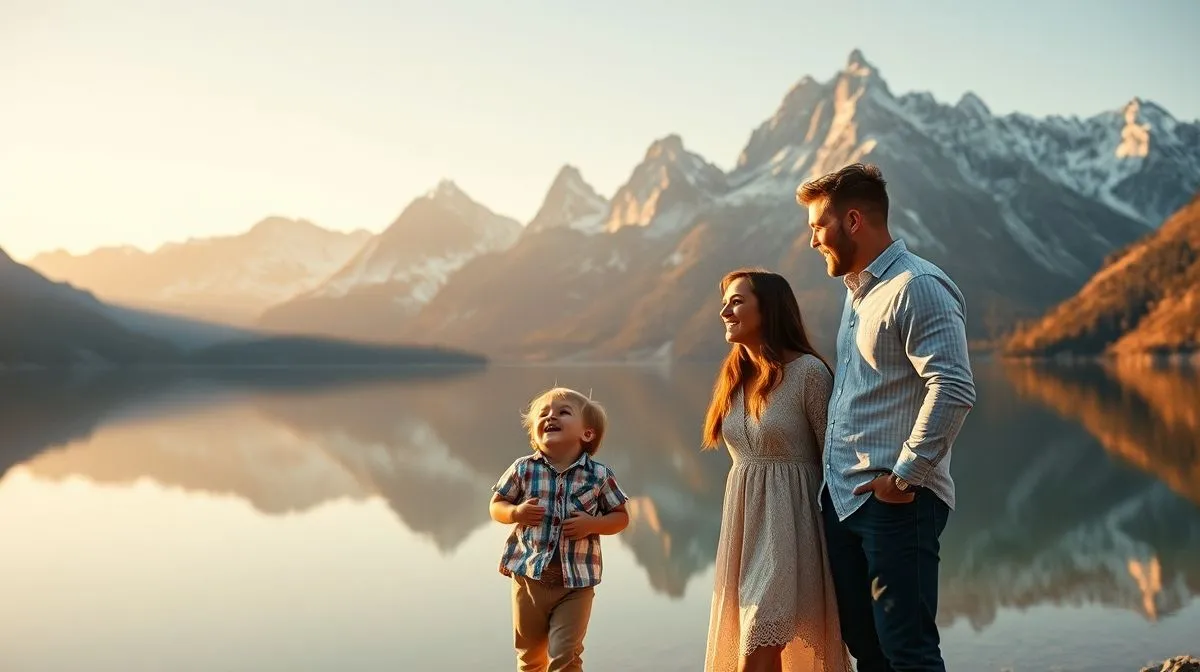
Embracing Adventure: Tips for Adventurous Family Travel with Toddlers
Is the idea of embarking on an adventurous journey with a toddler in tow more nightmare fuel than dream vacation? Many parents envision grand trips fading into distant memory once little ones arrive, replaced by the perceived limitations of nap schedules, picky eaters, and endless tantrums. The truth is, adventure doesn't have to end; it simply evolves.
The common misconception is that travel with toddlers must be confined to resorts or strictly controlled environments. The problem arises from fear of the unknown, the logistics, and the potential disruption to a child's routine, leading many to postpone their travel dreams indefinitely.
This comprehensive guide will debunk those myths and provide you with actionable tips for adventurous family travel with toddlers. By the end of this reading, you'll be equipped with the strategies, mindset, and practical advice to transform your travel aspirations into incredible, shared family memories, proving that even the wildest places can be explored with little adventurers.
The Mindset Shift: Why Adventure is Possible with Little Ones
Before diving into the practicalities, the most crucial step is a shift in perspective. Adventure with toddlers isn't about scaling Everest or white-water rafting; it's about embracing new experiences, adapting to the unexpected, and finding joy in the journey itself, no matter the pace.
Redefining 'Adventure'
For a toddler, a simple hike through a local forest, a train ride through a new city, or even exploring a bustling market can be a profound adventure. Their world is one of constant discovery, and anything outside their norm is an opportunity for learning and wonder. Your 'adventure' might be a slower pace, focusing on sensory experiences and local interactions rather than ticking off major landmarks.
This redefinition allows for flexibility and reduces pressure. It's about collecting moments, not just sights. An unexpected detour to a playground might be more memorable for your toddler than a museum visit, and that's perfectly fine.
The Developmental Benefits for Toddlers
Exposing toddlers to new environments, cultures, and challenges offers immense developmental benefits. Travel enhances their adaptability, problem-solving skills, and resilience. It stimulates their senses, expands their vocabulary, and fosters a deep curiosity about the world.
- Cognitive Development: New sights, sounds, and textures stimulate brain activity.
- Social-Emotional Growth: Learning to adapt to different routines and interactions builds flexibility.
- Physical Development: Exploring new terrains encourages gross motor skills.
- Bonding: Shared experiences create lasting memories and strengthen family ties.
Strategic Planning: Laying the Groundwork for Success
Successful adventurous travel with toddlers hinges on meticulous, yet flexible, planning. It's about anticipating challenges and having contingencies, without over-scheduling every minute.
Choosing the Right Destination
Opt for destinations that offer a mix of activities for all ages. Consider places with natural beauty, open spaces, and cultural experiences that can be easily adapted for little ones. Think about the infrastructure – access to medical care, clean water, and child-friendly amenities.
National parks, coastal towns, or even less conventional urban centers with good public transport can be excellent choices. Research local playgrounds, kid-friendly museums, and parks beforehand. For example, a city like Copenhagen is incredibly bike-friendly and has numerous parks, making it surprisingly accessible for families with strollers.
Packing Smart: Essentials vs. Excess
The golden rule of packing for toddler travel is: less is more, but essentials are non-negotiable. Overpacking leads to stress and heavy bags, but forgetting key items can derail a trip. Focus on multi-purpose items and travel-sized versions.
- Clothing: Layers are key. Pack versatile, comfortable clothes that can get dirty.
- Diapers/Wipes: Pack enough for the journey and a few days, then plan to buy more locally.
- Snacks: Non-perishable, familiar snacks are lifesavers for meltdowns and delays.
- First-Aid Kit: Include children's pain relievers, band-aids, antiseptic wipes, and any prescription medications.
- Comfort Items: A favorite blanket, toy, or book can provide much-needed familiarity.
Health and Safety Protocols
Prioritize your toddler's health and safety. Consult your pediatrician before traveling, especially internationally, to discuss vaccinations and potential health risks. According to the CDC's guidelines for healthy travel with children, it's crucial to ensure all routine immunizations are up-to-date and to pack a comprehensive medical kit.
Research emergency services at your destination. Consider travel insurance that covers medical emergencies and evacuations. Sun protection, insect repellent (child-safe), and hand sanitizer should be staples in your day bag.
On the Go: Navigating the Journey
The journey itself can be part of the adventure. Preparing for it can make all the difference in maintaining everyone's sanity.
Mastering Flights and Long Drives
For flights, timing is crucial. If possible, book flights during your toddler's nap time or overnight. Pack a dedicated 'entertainment bag' with new, small toys, stickers, and books. Snacks, again, are invaluable. For long drives, plan frequent stops at playgrounds or open spaces for your toddler to burn off energy.
Consider a child's car seat or harness that is approved for air travel. Many airlines allow you to gate-check strollers for free, which can be a huge convenience for navigating airports. Remember that screen time, in moderation, can be a valuable tool for keeping toddlers entertained during extended periods of confinement.
Accommodation Considerations
When booking accommodation, prioritize space and safety. Apartments or guesthouses with separate sleeping areas for your toddler can be a godsend. Look for places with kitchens or kitchenettes to prepare simple meals, saving money and ensuring familiar food options.
Check for child-friendly amenities like cribs, high chairs, and childproofing. Reading recent reviews from other families can provide valuable insights into how suitable a place truly is for young children.
Daily Adventures: Activities and Engagement
Once you've arrived, the real fun begins. But remember, a toddler's pace is different from an adult's.
Age-Appropriate Activities
Focus on activities that engage your toddler's senses and energy levels. This might include: visits to local parks, short nature walks, exploring markets, riding public transport (buses, trains, trams can be exciting!), or even just watching street performers.
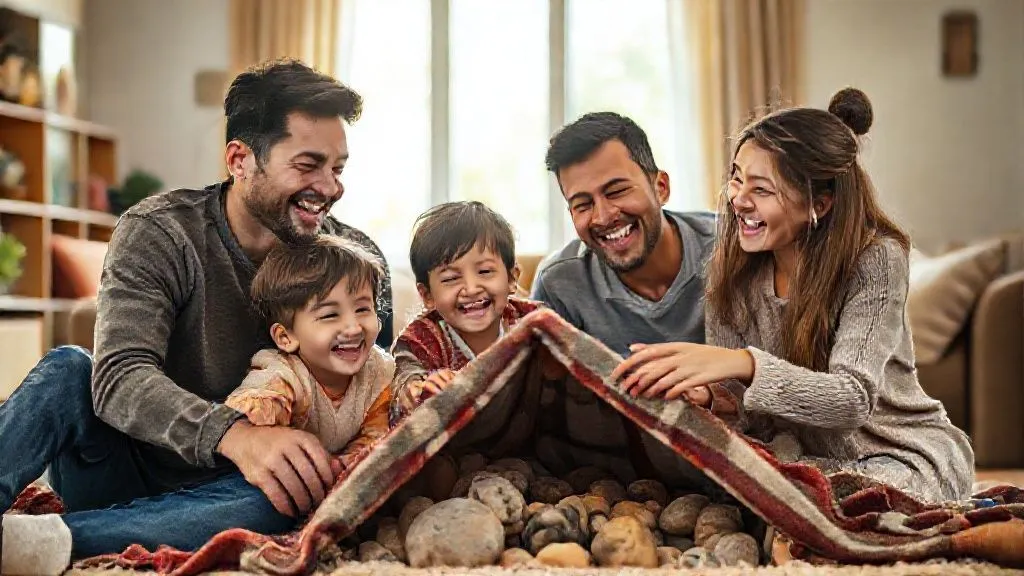
Don't force activities. If your toddler is more interested in collecting pebbles by a stream than visiting a famous monument, embrace the pebbles. These small, unscripted moments often become the most cherished memories.
Embracing Flexibility and Downtime
This is perhaps the most important of all tips for adventurous family travel with toddlers. Toddlers thrive on routine, but travel disrupts it. Build flexibility into your schedule. Be prepared to abandon plans if your toddler is having a bad day or needs a nap.
Schedule downtime every day, whether it's a quiet hour in the accommodation, a longer nap, or just unstructured playtime. Pushing a tired toddler will lead to meltdowns, making the experience unpleasant for everyone. A well-rested toddler is a happy adventurer.
Gear Up: Essential Tools for Toddler Trekkers
The right gear can significantly ease the challenges of traveling with little ones, transforming potential headaches into minor inconveniences.
Car Seats and Strollers: To Bring or Not to Bring?
This is a common dilemma. For car seats, if you plan to rent a car, bringing your own ensures familiarity and safety standards. Many airlines allow you to check them for free. Alternatively, some car rental companies offer them, but quality and availability can vary.
Strollers: A lightweight, compact travel stroller is invaluable for navigating airports and city streets. For more adventurous terrain, a sturdy all-terrain stroller or a comfortable baby carrier (structured carrier or hiking backpack carrier) might be more suitable. A good carrier frees up your hands and allows you to go where strollers cannot.
Portable Sleep Solutions
Ensuring your toddler sleeps well is paramount. A portable travel crib or a peapod tent can provide a familiar and safe sleeping environment, no matter where you are. Some families even opt for inflatable toddler beds, which are compact and comfortable.
Consider bringing a portable white noise machine or an app on your phone. This can help drown out unfamiliar sounds and signal to your toddler that it's time to sleep, mimicking their home routine.
Travel-Friendly Feeding Gear
If your toddler is still on purees, pack pre-packaged pouches. For solid food eaters, pack reusable snack containers, a travel-friendly bib, and a set of toddler utensils. A small, insulated bag can keep milk or yogurt cool for a few hours. Always have a water bottle readily available.
Consider a portable high chair that clips onto tables or a booster seat if you plan to eat out frequently. This saves you from struggling with restaurant high chairs that might not be clean or available.
Troubleshooting & Resilience: When Things Don't Go to Plan
No trip is perfect, especially with toddlers. Your ability to adapt and troubleshoot will define your adventurous family travel experience.
Dealing with Meltdowns and Illness
Meltdowns are inevitable. When they happen, find a quiet spot, validate your child's feelings, and offer comfort. Sometimes, a change of scenery, a snack, or just a few minutes of quiet cuddles can reset the situation. Don't be embarrassed; every parent has been there.
If illness strikes, having your first-aid kit ready is crucial. Know where the nearest pharmacy or clinic is. For serious issues, having travel insurance and knowing your embassy's contact information (as advised by sources like U.S. Department of State on traveling with children) can be invaluable. It's better to be over-prepared than caught off guard.
Maintaining Routine (Loosely)
While flexibility is key, a semblance of routine provides comfort and predictability for toddlers. Try to keep meal times and bedtimes roughly consistent. Even if naps are shorter or happen on the go, maintaining a sleep signal (like a specific book or song) can help.
This doesn't mean strict adherence, but rather providing enough structure so your toddler feels secure. A study by the University of Oxford on child development highlights the importance of consistent routines for young children's emotional well-being, even amidst change.
Beyond the Brochure: Immersive Cultural Experiences
Adventurous travel isn't just about the destination; it's about the interaction. Even with toddlers, you can foster rich cultural immersion.
Engaging with Local Life
Encourage interactions with locals. Toddlers are naturally curious and often break down barriers. A smile, a wave, or a shared moment in a park can lead to delightful exchanges. Visit local markets, ride public transport, and eat at family-run eateries.
These authentic experiences provide invaluable learning opportunities for your child, exposing them to different customs and ways of life from a young age. They'll learn empathy and an appreciation for diversity.
Food Adventures for Little Palates
Introduce your toddler to local flavors, but don't force it. Offer small tastes of new foods alongside familiar options. Many cultures have child-friendly dishes that are mild and nutritious. For instance, in Italy, pasta with simple tomato sauce is universally loved. In Southeast Asia, plain rice or noodles are often available.
Be prepared with familiar snacks in case new foods are rejected. The goal is exposure, not necessarily full conversion to local cuisine on the first try. This approach makes adventurous family travel with toddlers a culinary exploration for everyone.
Frequently Asked Questions (FAQ)
Is adventurous travel with toddlers truly enjoyable? Yes, absolutely! While it presents unique challenges, the joy of sharing new experiences with your child and seeing the world through their eyes is incredibly rewarding. It fosters resilience and creates unforgettable family bonds.
What's the best age for a toddler to start adventurous travel? There's no 'best' age. Each developmental stage brings different pros and cons. The key is to adapt your travel style to your child's current needs and abilities. Many parents find 18 months to 3 years a sweet spot as toddlers are mobile but still nap.
How do I manage jet lag with a toddler? Adjust gradually. Start shifting sleep schedules a few days before departure. Upon arrival, expose them to natural light during the day and keep rooms dark at night. Prioritize early bedtimes and be patient; it can take a few days to adjust.
Should I bring a lot of toys? No, limit toys. A few small, novel items that can be rotated are best. The world around them is the biggest playground. Focus on experiences and interactions over manufactured entertainment.
What if my toddler gets sick far from home? Prepare thoroughly. Pack a robust first-aid kit, know your travel insurance details, and research local medical facilities. Consult a doctor before you leave for advice on managing common ailments.
Recommended Reading
- Eco-Friendly Travel: How It Impacts Local Communities Positively
- Best Baking Classes While Traveling Abroad: A Delicious Journey
- Best Time for Caribbean Ocean Cruises? Unveiling the Perfect Season
- Unlock Cheap Train Travel: How to Journey Without a Rail Pass!
- All Aboard! The Best Railway Museums for Kids in the UK Revealed
Conclusion
Embarking on adventurous family travel with toddlers is not just possible; it's a profound journey of growth, connection, and discovery for everyone involved. By adopting a flexible mindset, planning strategically, and embracing the inevitable bumps along the road, you can transform perceived limitations into incredible opportunities for shared memories.
These tips for adventurous family travel with toddlers are designed to empower you to step out of your comfort zone and explore the world together. The challenges will fade, but the laughter, the learning, and the unique adventures you share as a family will last a lifetime. So, pack your bags, adjust your expectations, and set forth on your next great family expedition!


Your email address will not be published. Required fields are marked *