


Can I Travel by Train Cheaply Without a Rail Pass? Unlocking Budget Journeys
Imagine the romance of gliding through picturesque landscapes, the rhythmic clickety-clack of the tracks, and the unique connection to the places you visit. Train travel offers an unparalleled sense of adventure and comfort. Yet, for many aspiring explorers, the perceived high cost, especially the idea that a comprehensive rail pass is essential, can be a significant deterrent.
The common perception is that to embark on extensive train adventures, particularly across continents like Europe, a multi-country rail pass is an indispensable investment. But what if this isn't always the case? What if you could experience the magic of train travel without committing to a costly, often restrictive, all-inclusive pass?
This definitive guide will dismantle that myth, offering a comprehensive roadmap to show you precisely how you can travel by train cheaply without a rail pass. We'll delve into smart strategies, uncover hidden opportunities, and equip you with the knowledge to make your rail dreams an affordable reality, proving that individual tickets can often be your best friend.
Understanding the True Cost of Rail Passes
Before diving into alternatives, it's crucial to understand why rail passes, despite their allure, might not always be the most economical choice. While they offer convenience and flexibility, this often comes at a premium.
When Rail Passes Make Sense (and When They Don't)
Rail passes are generally designed for travelers who plan to undertake many long-distance journeys within a short period, often covering multiple countries. If you're a backpacker hopping between cities every couple of days, a pass might offer value. However, for those with a more leisurely itinerary, focusing on fewer, longer stays, or exploring a single region, individual tickets often prove cheaper.
- High Frequency Travel: Passes are best for travelers making 4+ long journeys per week.
- Spontaneity: They offer flexibility for last-minute decisions, though seat reservations might still be required and cost extra.
- Budget Travelers: Often, the perceived 'unlimited' travel can lead to overspending compared to carefully planned individual tickets.
Hidden Fees and Flexibility Limitations
Many rail passes come with hidden costs. High-speed trains and overnight sleepers almost always require an additional seat or berth reservation fee, which can quickly add up. Some popular routes fill up fast, meaning your 'flexible' pass might still leave you without a seat unless you book ahead, negating some of its core benefits. Understanding these nuances is key to truly determining if a pass is right for you. For a detailed comparison, you might find resources like The Man in Seat 61's guide on passes vs. point-to-point tickets incredibly insightful.
The Art of Early Bird Booking: Your Best Friend for Savings
One of the most powerful strategies for securing cheap train tickets without a rail pass is simply booking as far in advance as possible. Train operators, much like airlines, use dynamic pricing models where fares typically increase as the departure date approaches and demand rises.
How Far in Advance Should You Book?
For most European and North American long-distance routes, tickets are released between 60 to 180 days (2 to 6 months) before departure. This 'advance purchase' window is when you'll find the absolute lowest fares, often heavily discounted compared to the walk-up price. For example, a high-speed train ticket from Paris to Amsterdam bought 3 months in advance could be less than half the price of one bought a week before travel.
Alert Systems and Price Trackers
Many train booking platforms and third-party aggregators offer price alerts. Sign up for these! They will notify you when tickets for your desired route become available or when prices drop. Tools like Trainline or Omio can be invaluable for setting up these alerts across multiple operators. Being proactive and setting reminders can lead to substantial savings.
Leveraging Off-Peak Travel and Flexible Dates
Flexibility with your travel dates and times can unlock significant savings. Train fares are highly sensitive to demand, which fluctuates throughout the day, week, and year.
The Magic of Mid-Week and Mid-Day Journeys
Traveling on Tuesdays, Wednesdays, or Thursdays is almost always cheaper than Fridays, Sundays, or Mondays. Similarly, mid-day departures (e.g., 10 AM - 3 PM) are often less expensive than rush hour commutes or evening trains. If your schedule allows, shifting your departure by just a few hours or a day can lead to considerable fare reductions.
Avoiding Holidays and Special Events
Just like any other form of travel, train tickets surge during national holidays, school breaks, and major events (e.g., festivals, sporting events). Plan your trips to avoid these peak periods. If you must travel during these times, book even further in advance than usual.
Exploring Alternative Ticketing Strategies
Beyond early booking and flexible dates, several lesser-known strategies can significantly reduce your train travel costs without a pass.
Split Ticketing: A Clever Loophole
Split ticketing involves buying multiple tickets for different segments of a single journey, rather than one direct ticket. For instance, instead of buying a ticket from A to C, you might buy A to B, and then B to C. This can sometimes be dramatically cheaper, even if you remain on the same train. Websites like Trainline's SplitSave feature or dedicated split ticketing sites can help you find these opportunities, especially in the UK.
Group Discounts and Family Fares
Many national rail operators offer discounts for groups traveling together (e.g., 3-5 passengers). Families often benefit from specific 'family tickets' where children travel free or at a heavily reduced rate. Always check the specific offers available from the train company you plan to use.
Loyalty Programs and Newsletter Perks
If you frequently travel with a specific train operator, consider joining their loyalty program. These often offer points that can be redeemed for discounts, or exclusive access to flash sales. Subscribing to newsletters from various train companies can also alert you to special promotions and limited-time offers.
The Power of Local and Regional Trains
While high-speed trains offer efficiency, they also come with a premium price tag. Don't overlook the charm and affordability of local and regional services.
Slower, Cheaper, More Scenic
Regional trains, often called 'slow trains,' are significantly cheaper than their high-speed counterparts. They make more stops and take longer, but they often traverse more scenic routes, allowing you to experience the landscape more intimately. For shorter distances, or if you're not in a rush, they are an excellent budget-friendly option. For example, traveling from Rome to Florence by a regional train can be less than half the price of a high-speed Frecciarossa ticket.
Understanding Different Train Operators
In many countries, multiple train operators serve different routes or types of service. For instance, in Germany, Deutsche Bahn (DB) operates most services, but there are also private regional operators. Always check all available operators for your route, as prices can vary widely. Websites like Deutsche Bahn's official site are excellent for planning journeys within Germany and beyond, often showing options for various types of trains.
Budget-Friendly Route Planning and Destination Choices
Smart planning extends beyond just booking tickets; it involves choosing your destinations and routes wisely.
Connecting Cities vs. Direct Routes
Sometimes, a direct high-speed train between two major cities is prohibitively expensive. Consider if there's a cheaper intermediate city you could stop in. Breaking a long journey into shorter, more affordable segments, perhaps with an overnight stay in a less expensive town, can save money overall.
Less Touristy, More Affordable Destinations
Popular tourist hubs naturally attract higher travel costs. Venturing slightly off the beaten path to smaller towns or less-known regions can dramatically reduce your overall travel expenses, including train fares, accommodation, and food. These destinations often offer unique cultural experiences that are just as enriching.
Practical Tips for Maximizing Your Savings Onboard
Saving money on train travel isn't just about the ticket price; it's also about managing your expenses during the journey.
Pack Your Own Food and Drinks
Food and beverages purchased on trains are notoriously expensive. Pack sandwiches, snacks, fruit, and a refillable water bottle to avoid paying inflated prices. This small habit can save you a significant amount over multiple journeys.
Navigating Luggage Policies
Unlike airlines, most train operators are quite generous with luggage allowances. However, always check the specific rules for your chosen operator, especially for very large items or bicycles. Avoiding extra luggage fees is another easy way to keep costs down.
Debunking Common Myths About Cheap Train Travel
Misconceptions can often steer travelers towards more expensive options. Let's clear up a few common ones.
"You Need a Pass for Europe" - Not Always!
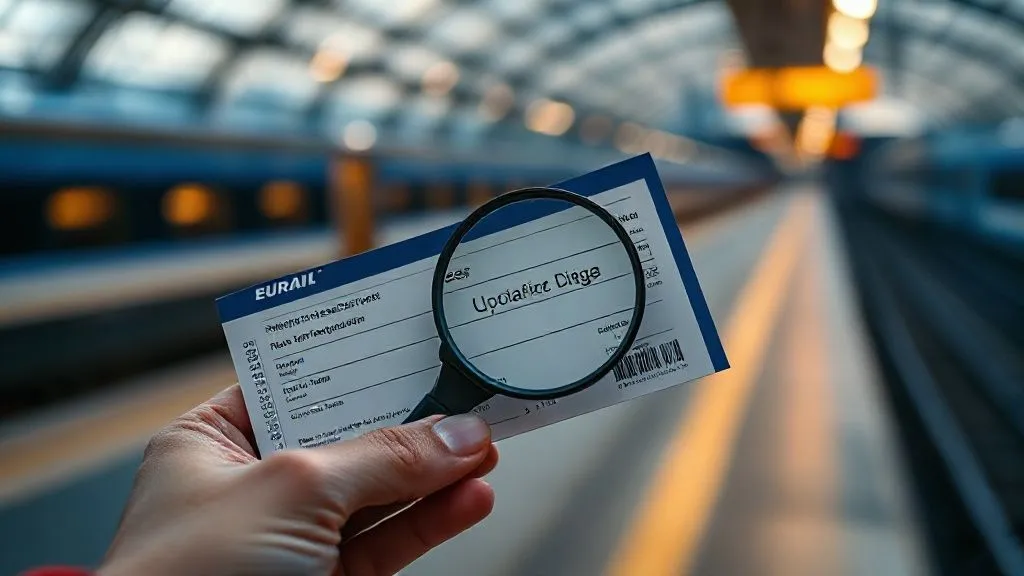
The myth that you absolutely need a Eurail or Interrail pass to explore Europe by train is pervasive. While passes offer convenience, as this article highlights, it's entirely possible to travel by train cheaply without a rail pass across the continent. For many itineraries, especially those focused on a few regions or longer stays, individual tickets can be significantly more economical. Always do the math for your specific itinerary before committing to a pass.
"Last-Minute Deals Are Best" - Rarely True for Trains
Unlike some airline last-minute deals, train tickets almost always get more expensive closer to departure. The 'last-minute' strategy is generally a recipe for paying premium prices for train travel. The earlier you book, the better the deal.
Case Studies: Real-World Examples of Rail Pass-Free Savings
To illustrate the effectiveness of these strategies, let's look at a couple of hypothetical, yet realistic, scenarios.
A Solo Traveler's Journey Across Italy
Sarah wanted to travel from Milan to Venice, then to Florence, and finally to Rome, spending 3-4 days in each city. Instead of a 4-day Italian rail pass, she booked her high-speed Frecciarossa tickets 2 months in advance. By choosing off-peak morning trains and utilizing advance purchase discounts, her total train cost was approximately €90. A comparable 4-day Italian rail pass would have cost around €150-€200, plus mandatory reservation fees for each high-speed segment, making her individual ticket strategy far more cost-effective.
A Family's Budget Trip Through Germany
The Miller family (2 adults, 2 children) planned a 7-day trip through Bavaria, focusing on Munich, Nuremberg, and a day trip to Garmisch-Partenkirchen. Instead of a German Rail Pass, they utilized a combination of DB's 'Sparpreis' (saver fare) tickets for their longer intercity journeys (Munich-Nuremberg) and regional 'Bayern Ticket' (Bavaria Ticket) for their day trip to Garmisch. The Bayern Ticket allowed all four of them to travel unlimited on regional trains for one day for a fixed, low price. Their total train expenses were significantly lower than if they had opted for a family rail pass, which would not have offered the same level of savings for their specific regional focus.
Frequently Asked Questions (FAQ)
Is it always cheaper to buy individual tickets? Not always, but often. For most travelers with a planned itinerary of fewer than 4-5 long journeys per week, individual tickets booked in advance are typically more cost-effective than a rail pass, especially once reservation fees for passes are factored in.
How do I find out about split ticketing options? Several online tools and websites, particularly in the UK, specialize in finding split ticketing opportunities. Websites like Trainline (with its SplitSave feature) or dedicated split ticketing sites will automatically search for cheaper combinations for your journey.
Are there any specific apps or websites for finding cheap train tickets? Absolutely! Beyond the official websites of national rail operators (e.g., SNCF in France, Renfe in Spain, Trenitalia in Italy), aggregators like Trainline, Omio, and Loco2 (now part of Trainline) are excellent for comparing prices across different operators and finding the best deals.
Can I travel internationally cheaply without a rail pass? Yes, absolutely. For international journeys, treat each segment as a domestic journey and book individual tickets well in advance. For example, for London to Paris, book Eurostar tickets directly. For Paris to Amsterdam, book Thalys tickets. This approach is often cheaper than trying to string together international journeys on a pass, especially if you're not doing many long-haul international trips.
Recommended Reading
- Romantic Escape: Best Designer Hotels for Unforgettable Getaways
- Space Tourism for All? The Future of Affordable Space Travel
- Modern Marvels: Your Guide to the Best Architecture City Breaks Europe
- Unlock Winter Fun: Your Guide to Non-Skiing Destinations
- Decoding Space Tourism: Commercial Spaceflight Safety Regulations Explained
Conclusion
The dream of extensive, affordable train travel is well within reach, even for those who choose to forgo a traditional rail pass. By embracing strategies like early booking, leveraging off-peak travel, exploring alternative ticketing methods such as split ticketing, and making informed choices about routes and operators, you can significantly reduce your expenses. The key is to be proactive, flexible, and informed. So, next time you ponder, "Can I travel by train cheaply without a rail pass?" remember that the answer is a resounding yes. Arm yourself with these insights, and embark on your next unforgettable rail adventure without breaking the bank.



Your email address will not be published. Required fields are marked *