

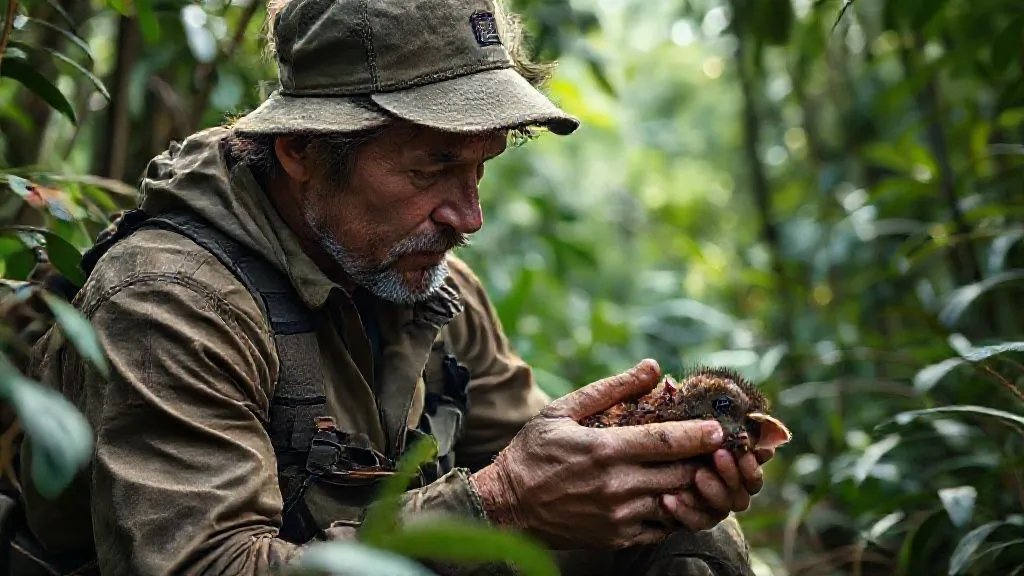
How to Reduce Volunteer Burnout in Remote Wildlife Rescues?
For over 15 years immersed in the often-unseen world of volunteer travel and conservation, particularly in the remote corners of wildlife rescue, I've witnessed an insidious challenge that often goes unaddressed: volunteer burnout. It’s a silent epidemic that can cripple even the most passionate and vital operations, threatening the very core of our mission.
The unique demands of remote wildlife rescue – isolation, emotional intensity, physical exertion, and often limited resources – create a perfect storm for exhaustion, compassion fatigue, and ultimately, volunteers stepping away when they're needed most. This isn't just about individual well-being; it threatens the very survival of the animals they strive to protect and the sustainability of the rescue initiatives themselves.
In this definitive guide, I'll share expert-backed strategies, drawing from my own field experience and insights from leading organizational psychology, designed to proactively combat and significantly reduce volunteer burnout in remote wildlife rescues. We'll explore actionable frameworks, real-world case studies, and practical tools to build resilience, foster sustainable engagement, and ensure your dedicated volunteers can continue their life-saving work without sacrificing their own well-being.
1. Establishing Robust Communication Channels
The Lifeline of Remote Teams
In the vast, often isolated landscapes where remote wildlife rescues operate, communication is more than just a tool; it's a lifeline. I've seen firsthand how a breakdown in communication can swiftly lead to feelings of isolation, misinformation, and ultimately, burnout among even the most resilient volunteers.
Active, transparent, and empathetic communication is the bedrock upon which resilient remote teams are built. It counters the inherent isolation and ensures everyone feels connected, informed, and supported.
- Implement Daily or Bi-Daily Check-ins: These aren't just status updates. They should include a brief personal check-in, allowing volunteers to share challenges or successes beyond their tasks. Video calls, even short ones, are invaluable for seeing facial cues and fostering a sense of presence.
- Utilize Dedicated Communication Platforms: Tools like Slack, Microsoft Teams, or secure WhatsApp groups allow for quick, asynchronous communication, shared resources, and a central hub for information. Segment channels for specific projects, emergencies, or even social interaction.
- Establish a "Buddy System": Pair volunteers, especially new ones, with experienced mentors. This creates a direct, personal support channel where individuals can confide, share burdens, and offer mutual encouragement, reducing feelings of being alone in their struggles.
"In remote settings, silence can be interpreted as neglect. Proactive, empathetic communication isn't just good practice; it's a critical lifeline for volunteer well-being and operational cohesion. It's the difference between a team that thrives and one that slowly unravels."
As a recent Harvard Business Review article highlighted, effective remote collaboration hinges on intentional communication strategies that bridge physical distance with psychological closeness. This principle is even more critical when volunteers are dealing with the emotional weight of animal rescue.

2. Implementing Realistic Expectations & Workload Management
Setting Sustainable Paces
One of the quickest routes to volunteer burnout, especially in emotionally charged fields like wildlife rescue, is an unsustainable workload coupled with unrealistic expectations. Volunteers, driven by passion, often over-commit, leading to exhaustion and resentment.
Clear boundaries and proactive workload management are paramount. Organizations must protect their volunteers from their own immense dedication by setting a sustainable pace and providing the tools to maintain it.
- Provide Crystal-Clear Job Descriptions: Beyond listing tasks, clearly define the scope of responsibility, expected hours, physical demands, and the emotional challenges involved. Transparency upfront helps volunteers self-select appropriately and manage their own expectations.
- Mandate Regular Breaks and Rest Days: It sounds simple, but in the field, the lines between work and rest blur easily. Implement strict schedules for downtime, mandatory days off, and even scheduled periods of complete unplugging from rescue communications.
- Encourage a Culture Where Saying "No" is Acceptable: Leaders must model and explicitly state that volunteers are not expected to be superheroes. Provide training on effective time management and how to respectfully decline additional tasks when capacity is reached.
"The 'hero complex' is a common trap in wildlife rescue. While admirable, it's unsustainable. Organizations must actively manage workloads to prevent dedicated volunteers from burning out under the weight of their own compassion. A rested volunteer is an effective volunteer."
I've seen organizations implement simple planning tools that make a profound difference. Here's an example of how a remote rescue might structure weekly volunteer tasks:
| Task Category | Daily Time Allotment | Weekly Rotation |
|---|---|---|
| Animal Care & Feeding | 4-6 hours | 3 days on, 1 day off (minimum) |
| Facility Maintenance & Cleaning | 1-2 hours | Alternating days, shared duty |
| Data Entry & Reporting | 1 hour | Daily, before shift ends |
| Outreach & Logistics Support | Variable | As needed, pre-approved |
3. Fostering a Culture of Recognition and Appreciation
Beyond the Call of Duty: Acknowledging Sacrifice
Volunteers in remote wildlife rescues often work in challenging conditions, far from public accolades. Their efforts, though critical, can feel invisible, leading to a sense of being undervalued. This lack of recognition is a significant contributor to burnout.
Recognition is a powerful antidote to burnout; it validates effort, reinforces purpose, and boosts morale. It doesn't have to be monetary; often, sincere appreciation is far more impactful.
- Implement Regular, Specific Feedback and Praise: Move beyond generic "good job." Acknowledge specific actions, the challenges overcome, and the positive impact on an animal or the team. This can be done in team meetings, one-on-one check-ins, or even a public shout-out.
- Establish Peer-to-Peer Recognition Programs: Empower volunteers to recognize each other's contributions. This fosters a supportive community and highlights efforts that might otherwise go unnoticed by leadership. A simple "kudos" channel on a communication platform can work wonders.
- Organize Small, Thoughtful Gestures: Care packages (snacks, personal hygiene items, a good book), personalized thank-you notes, or even a simple virtual coffee break where the team leader shares stories of impact can make a huge difference. These show volunteers they are seen and valued as individuals.
A study published by Gallup consistently shows that employees who feel recognized are more engaged and less likely to experience burnout. This principle extends profoundly to dedicated volunteers.
Case Study: Project Pangolin's Morale Boost
Project Pangolin, a small, remote rescue operation in Southeast Asia, faced a critical volunteer retention issue. Volunteers, often working in harsh, isolating conditions, felt their immense efforts went unnoticed beyond daily tasks. The team leader, an experienced conservationist, recognized this silent drain on morale.
By implementing a simple weekly "Hero Huddle" – a 15-minute virtual meeting where volunteers publicly shared one achievement from the week and acknowledged a peer – and by sending personalized digital thank-you notes with photos of rescued animals making progress, they saw a dramatic shift. Within six months, they reported a 40% reduction in stated burnout symptoms and a 25% increase in volunteer commitment for extended stays. This low-cost, high-impact initiative demonstrated that genuine appreciation, thoughtfully delivered, can significantly reduce volunteer burnout in remote wildlife rescues.
4. Providing Accessible Mental Health and Wellness Support
Prioritizing the Caregivers
The emotional toll of wildlife rescue is immense. Volunteers often witness trauma, suffering, and loss, leading to compassion fatigue, secondary trauma, and significant stress. In remote settings, access to professional mental health support is often non-existent.
Mental well-being is not a luxury; it's a fundamental requirement for sustainable engagement in high-stress environments. Organizations must proactively integrate accessible support systems.
- Provide Access to Telehealth Counseling Services: Partner with organizations that offer virtual therapy or counseling. Ensure confidentiality and make it easy for volunteers to access these services from their remote locations, often with subsidized or free options.
- Offer Online Workshops on Stress Management and Compassion Fatigue: Regularly host virtual sessions focused on coping mechanisms, mindfulness, self-care strategies, and recognizing the signs of compassion fatigue. These equip volunteers with vital tools to manage their emotional responses.
- Facilitate Virtual Peer Support Groups: Create a safe, moderated space where volunteers can share their experiences, process difficult emotions, and offer mutual support. Knowing others understand their unique challenges can be incredibly validating and therapeutic.
"The emotional burden of witnessing suffering and loss in wildlife rescue is profound. Ignoring the mental health of volunteers is not only unethical but ultimately unsustainable for any long-term conservation effort. We must empower them to care for themselves as diligently as they care for the animals."

5. Empowering Volunteers Through Training and Skill Development
Building Competence, Boosting Confidence
Feeling inadequately prepared for complex tasks or lacking the skills to handle challenging situations can be a major source of stress and burnout for volunteers. This is particularly true in remote settings where immediate expert guidance might not be available.
Empowerment through education is a powerful antidote to feelings of inadequacy. Investing in volunteer training not only enhances their capabilities but also boosts their confidence and job satisfaction, making them more resilient.
- Implement Comprehensive Onboarding Programs: Beyond basic orientation, provide thorough training on animal handling, first aid, safety protocols, and the specific nuances of the local ecosystem and species. Use a blend of online modules, video demonstrations, and practical simulations.
- Offer Ongoing Virtual Skill-Building Workshops: Leverage technology to provide continuous learning opportunities. This could include webinars on advanced veterinary care techniques, wildlife tracking, data collection, or even conflict resolution skills relevant to team dynamics.
- Create Pathways for Leadership and Mentorship: Allow experienced volunteers to take on more responsibility, mentor newer recruits, or lead specific projects. This fosters a sense of ownership, growth, and purpose, encouraging long-term engagement and reducing stagnation-induced burnout.
Organizations like the International Wildlife Rehabilitation Council offer valuable resources and certification programs that can be adapted for remote volunteer training, providing a structured approach to skill development.
6. Ensuring Physical Safety and Well-being in Remote Settings
The Foundation of Sustainable Volunteering
Remote wildlife rescue often involves rugged terrain, unpredictable wildlife, and exposure to environmental hazards. Neglecting the physical safety and basic well-being of volunteers is not only irresponsible but directly contributes to stress, anxiety, and ultimately, burnout.
Physical safety is non-negotiable and forms the foundational layer of any sustainable volunteer program. Volunteers need to feel secure and adequately equipped to perform their duties without undue risk.
- Develop and Enforce Clear Safety Protocols: Implement detailed procedures for everything from animal encounters and operating equipment to emergency evacuations and communication failures. Ensure these protocols are regularly reviewed, updated, and understood by all.
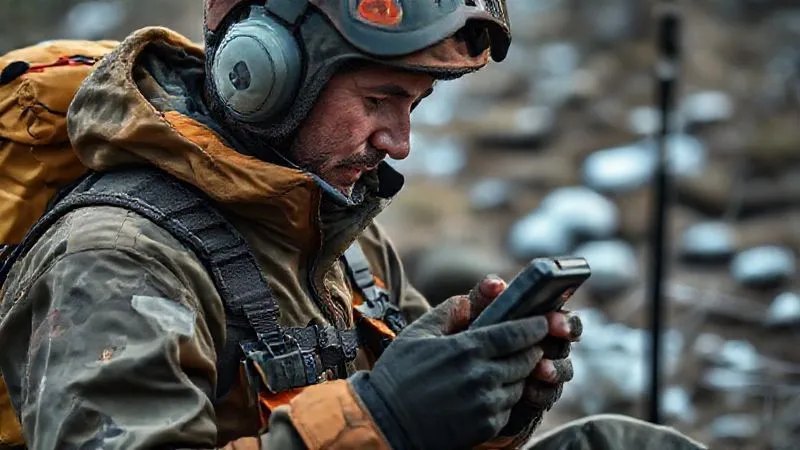
- Ensure Adequate Supplies and Equipment: Provide volunteers with appropriate personal protective equipment (PPE), reliable communication devices (satellite phones, GPS trackers), first aid kits, and sufficient food, water, and shelter. Remote locations amplify the consequences of being ill-prepared.
- Conduct Regular Safety Briefings and Drills: Don't just hand out a safety manual; actively train volunteers on how to respond to various emergencies. Practice scenarios like snake bites, animal attacks, or getting lost. This builds confidence and reduces anxiety in high-pressure situations.
"In remote wildlife rescue, a broken bone or a lost communication device doesn't just impact one volunteer; it can jeopardize an entire operation and the lives of the animals under care. Proactive safety planning and resource provision are paramount to prevent physical harm and the mental stress that accompanies perceived danger."
7. Cultivating Community and Belonging
Fighting Isolation with Connection
Despite being part of a team, remote volunteers can experience profound loneliness and a sense of disconnection from the broader mission. This isolation, coupled with the emotional intensity of their work, is a potent recipe for burnout.
A strong sense of community can transform challenging experiences into shared triumphs. Fostering belonging helps volunteers feel valued, understood, and part of something larger than themselves.
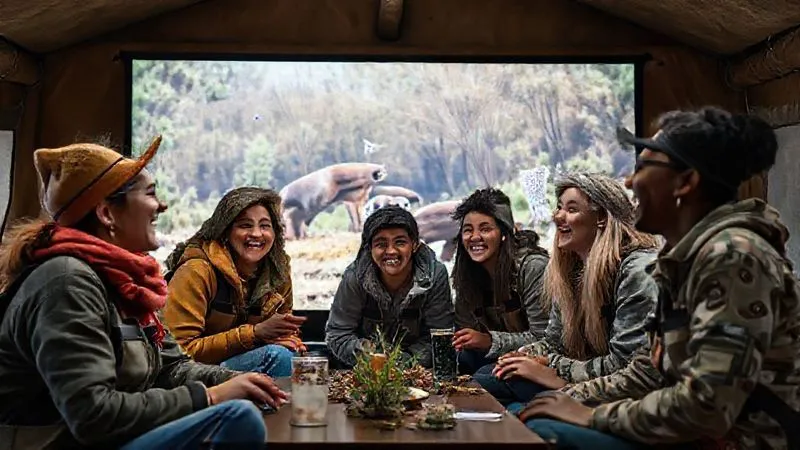
- Organize Virtual Social Events: Beyond work-related check-ins, create opportunities for informal social interaction. Virtual game nights, shared movie screenings, or even themed "coffee breaks" can help build rapport and friendships across distances.
- Regularly Share Project Successes and Updates: Ensure volunteers understand the broader impact of their individual efforts. Share photos, videos, and stories of rescued animals, successful releases, or positive community engagement. This reinforces their purpose and collective achievement.
- Encourage Shared Storytelling and Bonding: Provide platforms for volunteers to share their personal experiences, challenges, and moments of joy. Creating a culture where vulnerabilities can be shared safely strengthens bonds and reminds everyone they are not alone in their journey.
Research on social psychology, such as studies cited by the American Psychological Association, consistently demonstrates that strong social connections are vital for mental health and resilience, directly combating the negative effects of isolation.
Frequently Asked Questions (FAQ)
Q: How can small, underfunded remote rescues realistically implement these strategies? A: Many strategies are low-cost or no-cost. Focus on intentional communication (using free apps like WhatsApp or Signal), establishing peer support systems, utilizing free online resources for training and mental health information, and fostering a culture of recognition through sincere, specific praise. Partnerships with larger organizations or universities can also provide access to resources like telehealth or training modules at reduced costs. The key is creativity and prioritizing human well-being over expensive solutions.
Q: What are the early warning signs of burnout specific to remote wildlife volunteers? A: Beyond general fatigue, look for increased irritability, withdrawal from communication channels, a decline in meticulousness or attention to detail in animal care, frequent complaints about tasks or colleagues, cynicism about the mission, and a loss of enthusiasm for activities they once enjoyed. Physical symptoms like persistent headaches, sleep disturbances, or stomach issues can also be indicators. Pay close attention to changes in their usual communication patterns.
Q: How can we encourage volunteers to utilize mental health resources without feeling stigmatized? A: Normalization is key. Leaders and experienced volunteers should openly discuss the emotional challenges of the work and share their own experiences with seeking support (if comfortable). Frame mental health support as a tool for resilience and performance, not a sign of weakness. Ensure confidentiality is paramount, and provide clear, easy-to-access pathways to resources. Emphasize that caring for oneself is a vital part of caring for the animals.
Q: Is it better to have fewer volunteers for longer periods or more volunteers for shorter rotations in remote settings? A: There's no single best answer; it often depends on the complexity of the rescue, training requirements, and specific environmental factors. Shorter rotations (e.g., 2-4 weeks) can significantly reduce burnout risk but require more frequent onboarding and handover. Longer periods (e.g., 2-3 months) allow for deeper skill development and consistency but necessitate robust support systems to prevent fatigue. A hybrid model, where core experienced volunteers stay longer with rotating shorter-term support, can often be effective. The goal is to optimize for both skill retention and volunteer well-being.
Q: What role does technology play in both causing and preventing burnout in remote wildlife rescue? A: Technology is a double-edged sword. It can cause burnout through constant connectivity expectations, information overload, and blurring the lines between work and personal life. However, it's also crucial for prevention by facilitating vital communication, enabling remote learning and skill development, providing access to telehealth mental health services, streamlining data management, and automating mundane tasks. The key is to use technology intentionally and with clear boundaries, leveraging its benefits while mitigating its potential for harm.
Key Takeaways and Final Thoughts
Reducing volunteer burnout in remote wildlife rescues isn't a luxury; it's an operational imperative. The dedication of these individuals is immeasurable, and their well-being directly impacts the success and sustainability of critical conservation efforts. As someone who has spent years in this challenging yet rewarding field, I've learned that proactive, empathetic, and structured support is not just good practice—it's essential for survival.
- Proactive Communication: Build lifelines, not just channels, to combat isolation and foster connection.
- Realistic Expectations: Set clear boundaries and manage workloads to prevent over-commitment and exhaustion.
- Genuine Recognition: Acknowledge the profound impact and personal sacrifice of volunteers to validate their efforts.
- Holistic Support: Address both mental and physical well-being with accessible resources and a culture of care.
- Empowerment: Invest in continuous training and skill development to build confidence and reduce stress.
- Community: Actively cultivate a strong sense of belonging to fight loneliness and reinforce shared purpose.
By embracing these strategies, we not only protect the incredible individuals dedicating their lives to conservation but also ensure the long-term viability of the vital work they do. Let's commit to building resilient, supportive environments where passion can thrive, and wildlife can find its greatest champions, sustained by those who care most deeply.
Recommended Reading
- Transform Your Day: The Power of Short Mindfulness Breaks for Busy Pros
- 7 Critical Strategies: How to Prevent Lead Ice Screw Pull-Outs in Brittle Mixed Ice
- Unveiling What to Expect as a Wildlife Rescue Volunteer Abroad
- 5 Crucial Rules: Master Wine Etiquette for Global Business Dinners?
- 5 Proven Strategies: Explaining Your Multi-Year Teaching Abroad Gap on Resumes





Your email address will not be published. Required fields are marked *