

Unlocking Authentic Flavors: How to Find Authentic Foodie Destinations Abroad
Have you ever traveled thousands of miles, only to find yourself eating the same generic burger or pizza you could get back home? Or perhaps you've stumbled into a 'local' restaurant abroad, only to realize it caters exclusively to tourists, serving bland imitations of the region's true culinary gems. It's a common disappointment for many intrepid travelers who dream of a genuine taste of their destination.
The quest for authentic flavors is more than just about satisfying hunger; it's about connecting with a culture, understanding its history, and experiencing its soul through its food. The problem is, in an increasingly globalized and tourist-centric world, distinguishing genuine local haunts from cleverly disguised tourist traps can feel like an impossible task, leaving many feeling frustrated and unfulfilled.
But what if there was a definitive strategy, a roadmap to truly immerse yourself in the local gastronomy of any foreign land? This comprehensive guide will equip you with the knowledge, tips, and expert insights on how to find authentic foodie destinations abroad, ensuring your next culinary adventure is nothing short of extraordinary. Prepare to transform from a casual diner into a seasoned culinary explorer.
The Essence of Authentic Foodie Travel
What Defines "Authentic Food"?
Authentic food isn't merely about taste; it's a holistic experience rooted in local tradition, ingredients, and community. It's food prepared with methods passed down through generations, often using ingredients sourced from the immediate region. Think of a bowl of ramen in Tokyo, prepared in a tiny, bustling shop where the broth has been simmering for days, or a rustic pasta dish in rural Italy, made with flour from local wheat and tomatoes from a nearby farm. It's about culinary integrity and cultural resonance.
True authenticity often means food that locals eat daily, not dishes tweaked or simplified for foreign palates. It reflects the climate, the history, and the people of a place. Understanding this definition is the first step in your journey to finding genuine culinary experiences overseas.
Why Seek Authenticity?
The pursuit of authentic food offers unparalleled rewards far beyond mere sustenance. Firstly, it provides a deeper, more intimate cultural immersion. Food is a universal language, and sharing a meal prepared with local love and tradition is one of the most profound ways to connect with a foreign culture. You gain insights into daily life, social customs, and historical narratives that no museum or landmark can offer.
Secondly, authentic culinary experiences create unique, unforgettable memories. These aren't just meals; they are stories, sensory journeys that linger long after you've returned home. Finally, by seeking out truly local establishments, you directly support small businesses, local farmers, and traditional artisans, contributing positively to the local economy and promoting sustainable tourism practices. This fosters a more responsible and rewarding travel experience for everyone involved.
Pre-Trip Research: Laying the Culinary Foundation
The journey to authentic dining begins long before you pack your bags. Meticulous pre-trip research is paramount to uncovering hidden culinary gems.
Beyond the Guidebooks: Niche Resources
While mainstream guidebooks offer a good starting point, they often highlight well-known, sometimes tourist-centric, establishments. To truly find authentic foodie destinations abroad, you need to dig deeper into niche resources. Start by exploring dedicated food blogs written by locals or long-term expats. These writers often share insights into lesser-known eateries, specific dishes, and local customs that larger publications might miss. Search for blogs using terms like "[City Name] food blog" or "eating like a local in [Country Name]".
- Online Culinary Forums and Social Media Groups: Join Facebook groups dedicated to food in your destination city or country, especially those for locals or expats. These communities are goldmines for recommendations and real-time advice.
- Food-Focused Websites and Apps: Look for local versions of review sites that are popular in your destination, or platforms specifically for food enthusiasts. Sometimes, a simple search on Google Maps for "restaurants near me" while zoomed into a non-touristy area can reveal hidden spots.
- Documentaries and Travel Shows: Shows focused on specific cuisines or regional food often feature authentic, family-run establishments. Note down names and locations.
Learning Basic Food Vocabulary
A little language goes a long way. Before you depart, familiarize yourself with basic food-related vocabulary. This includes names of common dishes, key ingredients (especially if you have allergies or preferences), cooking methods, and phrases for ordering or asking questions. Knowing how to say "What is this?" or "Is this spicy?" in the local language can transform your dining experience and show respect for the local culture. Even a simple "thank you" in the local tongue can open doors to warmer interactions and better service.
Mapping Local Food Zones
Every city has its culinary districts. These aren't always the flashy, central areas. Often, the most authentic food is found in residential neighborhoods, bustling markets, or areas historically known for specific types of cuisine. Use online maps to identify these zones. Look for clusters of smaller, independent restaurants away from major tourist attractions. Sometimes, a quick search for "[City Name] local market" or "[City Name] food street" can reveal promising areas. Pay attention to reviews (if you use them) that mention a high concentration of local patrons.
On-the-Ground Strategies: Becoming a Culinary Detective
Once you've arrived, your real work as a culinary detective begins. Your senses and observation skills are your best tools.
Embrace Local Markets and Street Food
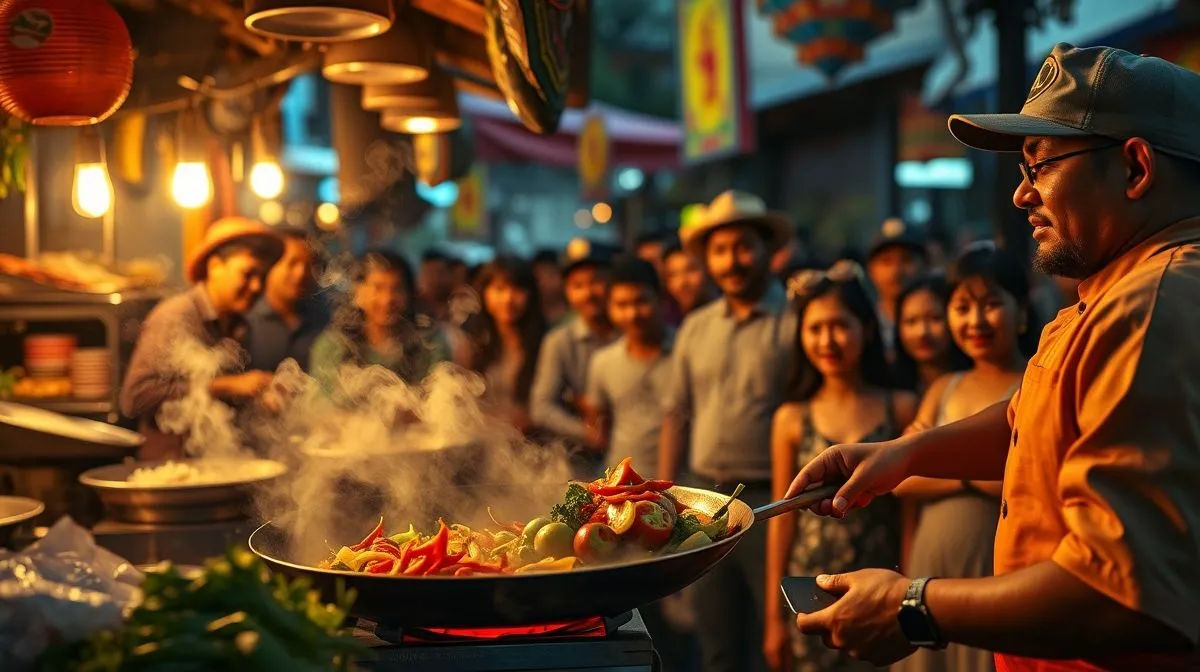
Local markets are the beating heart of a region's food scene. They are where locals shop for fresh produce, meats, and seafood, and often where you'll find the most authentic and affordable street food. Wander through these markets, observe what people are buying, and don't be afraid to sample. Street food, in particular, offers an immediate, unfiltered taste of the local culture. It’s often prepared right in front of you, ensuring freshness and transparency.
- Visual Cues for Hygiene: Look for stalls with long lines (especially of locals), clean surfaces, and chefs who handle money and food separately or wear gloves. Steam and high heat are your friends when it comes to cooking. For more information on street food safety, consider resources like Wikipedia's page on Street Food.
- Engage with Vendors: Even with a language barrier, a smile and pointing can often facilitate a delicious transaction.
Observe and Follow the Locals
This is perhaps the most crucial tip for how to find authentic foodie destinations abroad. Where do locals eat? The answer is usually not in the restaurants directly facing major landmarks. Look for:
- Busy Establishments: A restaurant packed with locals, even if it looks unassuming from the outside, is a strong indicator of good, authentic food.
- Off-Peak Hours: If a place is busy even during non-traditional meal times (e.g., late afternoon), it likely means it's a local favorite.
- No English Menus (or very basic ones): This is often a sign that the establishment caters primarily to a local clientele.
Utilize Technology Wisely
While a reliance on apps can sometimes lead you to tourist traps, using them strategically can be beneficial. Google Maps is excellent for checking photos of dishes and interior shots, giving you a feel for the local vibe. Translation apps can help you decipher menus or communicate with staff. Some countries have their own popular local review apps that are less influenced by international tourists. However, always cross-reference online information with your own on-the-ground observations.
Seek Out Recommendations from Non-Tour Operators
Avoid asking hotel concierges in large, international chains, as they often have affiliations with tourist-centric restaurants. Instead, ask:
- Small Hotel/Guesthouse Staff: They often live locally and can recommend their personal favorites.
- Shopkeepers: Especially those in non-touristy areas, like a local baker, butcher, or artisan.
- Taxi Drivers: Ask them where they eat after their shift.
- Local Residents: If you strike up a conversation (respectfully, of course), don't hesitate to ask for their favorite local spot. Be specific: "Where do *you* go for the best [local dish]?"
Diving Deeper: Cultural Immersion Through Food
Authentic foodie travel goes beyond just eating; it's about active participation and understanding.
Consider Cooking Classes and Food Tours
A hands-on cooking class is an unparalleled way to learn about local ingredients, traditional cooking methods, and the cultural significance of dishes. You'll often visit local markets as part of the experience, gaining insights you wouldn't otherwise. Similarly, specialized food tours led by local experts can guide you to hidden eateries, explain culinary history, and introduce you to dishes you might never have discovered on your own. When choosing, prioritize small-group tours that emphasize local interaction and less-known spots. Websites like Lonely Planet's Food & Drink section often feature reputable local tour operators.
Understand Local Dining Etiquette
Every culture has its own dining customs, and understanding them shows respect and enhances your experience. This could range from how to use chopsticks, whether it's polite to slurp your noodles, or if tipping is expected. A quick search for "[Country Name] dining etiquette" can provide valuable insights. Observing how locals behave in a restaurant is also a great learning tool. Showing respect for local traditions often leads to a more welcoming and authentic interaction.
Venture Off the Beaten Path
The most authentic experiences often lie outside the main tourist zones. Don't be afraid to explore residential neighborhoods or take a local bus or train to a less-visited part of the city. These areas are less likely to have establishments catering solely to tourists. While exercising caution and common sense regarding safety, a willingness to explore can lead to incredible culinary discoveries and a true sense of adventure.
Avoiding Tourist Traps and Common Pitfalls
Identifying and avoiding tourist traps is crucial in your quest for authentic food.
Red Flags to Watch Out For
Be wary of restaurants that:
- Have large, laminated menus with photos of every dish: While sometimes present even in authentic places, it's a common sign of a tourist-focused establishment, especially if accompanied by multiple languages.
- Employ aggressive touts outside: If someone is trying too hard to pull you in, it's often a sign they rely on passing tourist traffic rather than repeat local business.
- Are located directly on major tourist squares or next to famous landmarks: These locations command high rents and often serve inflated prices for mediocre food designed for a quick turnover of visitors.
- Offer a vast menu of international cuisines: A restaurant trying to do everything (Italian, Chinese, local, American) often excels at nothing. Authentic places usually specialize in a specific cuisine or a few regional dishes.
The Price Indicator
While not a definitive rule, significantly higher prices than what you'd expect for similar dishes in other parts of the city can be a red flag. Authentic local eateries often have more modest pricing because they cater to everyday locals, not tourists with higher budgets. Compare prices with what you've seen in markets or less central areas. If a simple street food item costs as much as a sit-down meal, something is amiss.
Don't Be Afraid to Ask
If you're unsure about an ingredient, a preparation method, or whether a dish is truly local, don't hesitate to politely ask. Most reputable establishments, even if there's a language barrier, will appreciate your interest. This not only helps you make informed choices but can also lead to interesting conversations about the local cuisine.
Sustainable and Ethical Foodie Travel
As you explore the world's culinary delights, consider the impact of your choices.
Supporting Local Producers
Beyond restaurants, seek out opportunities to buy food directly from local farmers, fishermen, and artisans. This could be at farmers' markets, small family-run shops, or even roadside stalls. This not only guarantees freshness but also ensures your money directly benefits the local community, fostering economic sustainability. It's a key element of truly authentic foodie destinations abroad.
Minimizing Food Waste
Be mindful of portion sizes and avoid over-ordering. If you're unsure, order less and add more later. Many cultures view food waste as disrespectful. Try to finish what's on your plate or inquire if leftovers can be packed responsibly. This small act contributes to a more ethical travel footprint.
Cultural Sensitivity in Food Choices
Be aware of any local dietary restrictions or religious observances related to food. For example, during Ramadan, many Muslim-majority countries will have different dining hours. In India, many Hindus do not eat beef. Respecting these nuances demonstrates cultural awareness and enhances your ability to engage authentically with the local food scene.
The Joy of Culinary Discovery
Embrace the Unexpected
Some of the most memorable culinary moments happen by accident. Be open to trying new things, even if they look unfamiliar. A spontaneous invitation to share a meal, a random street vendor's intriguing dish, or a restaurant found by simply wandering can lead to the most profound and authentic food experiences. Don't be afraid to step outside your comfort zone; that's where true discovery lies.
Document Your Journey
Keep a food journal, take photos, and share your discoveries. Documenting your culinary adventures not only helps you remember the incredible flavors and experiences but also allows you to share valuable insights with fellow food enthusiasts. This process can deepen your appreciation for the local cuisine and the journey you've undertaken.
Frequently Asked Questions (FAQ)
How do I know if a restaurant is truly authentic? Look for a high concentration of local patrons, menus primarily in the local language (or very basic English), and a focus on a limited number of regional dishes. Avoid places with aggressive touts or generic international menus.
Is it safe to eat street food abroad? Generally, yes, but exercise caution. Look for popular stalls with high turnover, visible preparation, and good hygiene practices. Hot, freshly cooked food is usually safer. Trust your instincts.
What if I have dietary restrictions while seeking authentic food? Research common ingredients in local dishes beforehand. Learn key phrases for your restrictions in the local language. Stick to places where you can see the food being prepared, or consider cooking classes where you can control ingredients.
How can I find local food markets? Use online maps to search for "[City Name] market" or "[City Name] farmers market." Ask local hotel staff (from smaller, local hotels) or shopkeepers for directions. Observe where locals are carrying bags of fresh produce.
Should I trust online reviews for authentic food? Use them with caution. International review sites can be skewed by tourist preferences. Look for reviews by local guides or those that specifically mention local clientele. Cross-reference with on-the-ground observation.
Recommended Reading
- Unlock Cheap Train Travel: How to Journey Without a Rail Pass!
- Unlock Solo Wilderness Safety: Essential Eco-Exploration Tips You Need Now!
- Unlock Your City Break: Maximize Sightseeing & See More!
- Unlock Europe: The Ultimate Guide to Interrail Travel Days Explained
- Unlock the Secrets: How to Stay Safe During River Crossings on Adventure Treks
Conclusion
The journey to discover authentic foodie destinations abroad is a richly rewarding one, transforming simple travel into a profound cultural exploration. By embracing meticulous pre-trip research, employing keen on-the-ground observation, and prioritizing genuine local interactions, you can navigate beyond the tourist traps and truly savor the heart and soul of any destination through its cuisine. Remember, the best meals are often found where the locals eat, in unassuming settings, and through unexpected encounters.
So, pack your bags, sharpen your senses, and embark on your next culinary adventure with confidence. The world's most incredible and authentic flavors are waiting to be discovered, promising not just delicious meals, but unforgettable memories and a deeper connection to the global tapestry of food and culture. Go forth and eat like a local!



Your email address will not be published. Required fields are marked *