

What Makes an Animal Encounter Truly Ethical?
Have you ever dreamed of swimming with dolphins, riding an elephant, or posing with a tiger? For many, these experiences represent the pinnacle of travel, an intimate connection with the wild. But as awareness of animal welfare grows, a crucial question emerges: are these encounters truly beneficial for the animals involved, or are we, inadvertently, contributing to their suffering?
The problem is complex. The line between a magical, educational interaction and one that exploits animals for human entertainment can be incredibly fine, often blurred by misleading marketing and a lack of transparency. Uninformed choices by tourists can inadvertently fuel industries that prioritize profit over animal well-being, leading to harmful practices like forced performances, unnatural living conditions, and even physical abuse.
This comprehensive guide will equip you with the knowledge and tools to identify, support, and participate in animal encounters that are genuinely ethical. You'll learn the key principles of responsible wildlife tourism, understand how to assess an animal's welfare, and discover how your travel choices can become a powerful force for conservation, ensuring that your unforgettable moments don't come at the expense of an animal's dignity or freedom.
Understanding Ethical Animal Tourism: More Than Just 'No Harm'
Ethical animal tourism goes far beyond simply avoiding direct harm. It encompasses a holistic approach that prioritizes the welfare of individual animals, contributes to species conservation, and supports local communities without negatively impacting natural habitats. It's about respecting animals as sentient beings with their own intrinsic value, not as props for human entertainment.
The Core Pillars of Animal Welfare
- Freedom from Hunger and Thirst: Animals must have ready access to fresh water and a diet that maintains full health and vigor.
- Freedom from Discomfort: This includes providing an appropriate environment with shelter, a comfortable resting area, and suitable temperature ranges.
- Freedom from Pain, Injury, or Disease: Prevention through good management and rapid diagnosis and treatment are crucial.
- Freedom to Express Normal Behavior: Providing sufficient space, proper facilities, and the company of the animal's own kind is essential for natural behaviors.
- Freedom from Fear and Distress: Ensuring conditions and treatment that avoid mental suffering is paramount.
These five freedoms, widely recognized globally, form the bedrock upon which truly ethical animal encounters are built. Any experience that compromises these freedoms, even subtly, cannot be considered ethical.
Identifying Red Flags: What to Avoid in Animal Encounters
Unfortunately, many popular animal attractions operate under conditions that are detrimental to animal welfare. Knowing the warning signs is the first step in making responsible choices. These red flags often indicate that an animal's well-being is being sacrificed for tourist entertainment.
Common Unethical Practices to Watch Out For
- Direct Physical Contact: Riding, bathing, or petting wild animals (like elephants, tigers, or even some primates) often requires cruel training methods to break their spirit, or involves sedating them.
- Forced Performances or Tricks: Animals performing unnatural behaviors (e.g., elephants painting, monkeys riding bikes, dolphins jumping through hoops) are usually trained using punishment and deprivation.
- Unnatural Environments: Wild animals kept in small cages, concrete enclosures, or environments vastly different from their natural habitat often suffer from stress, boredom, and physical ailments.
- Large Groups of Tourists: Overcrowding and constant human presence can be highly stressful for animals, disrupting their natural routines and social structures.
- Animals Dressed in Clothing or Props: This is a clear sign of anthropomorphism and often indicates a lack of respect for the animal's natural state and dignity.
- Offering Food to Wild Animals: This can lead to animals becoming dependent on humans, altering their natural foraging behaviors, and increasing human-wildlife conflict.
If an encounter involves any of these practices, it is almost certainly unethical and should be avoided. Your money directly supports these harmful industries.
The Gold Standard: Characteristics of Truly Ethical Sanctuaries and Encounters
When seeking out animal experiences, look for establishments that prioritize animal welfare, conservation, and education above all else. These places often operate as true sanctuaries, rescue centers, or responsible wildlife viewing operations.
What to Look For in an Ethical Venue or Tour
- No Direct Contact with Wild Animals: The primary focus should be on observing animals in their natural or near-natural habitats from a respectful distance.
- Rescue and Rehabilitation Focus: Ethical sanctuaries house animals that cannot be released back into the wild due to injury, orphaned status, or being rescued from exploitative situations. They do not breed animals for tourism.
- Large, Naturalistic Enclosures: Animals should have ample space, appropriate shelter, and environments that mimic their natural habitats, allowing them to express natural behaviors.
- Educational Component: Staff should be knowledgeable and eager to educate visitors about the animals, their conservation status, and the importance of ethical tourism.
- Conservation Initiatives: The organization should actively participate in conservation efforts, such as habitat protection, anti-poaching, or community involvement programs.
- Transparency: Ethical operations are usually transparent about their funding, animal care practices, and where rescued animals came from. Look for publicly available annual reports or clear mission statements.
- Limited Tourist Numbers: Responsible tours manage group sizes to minimize disturbance to animals and their environment.
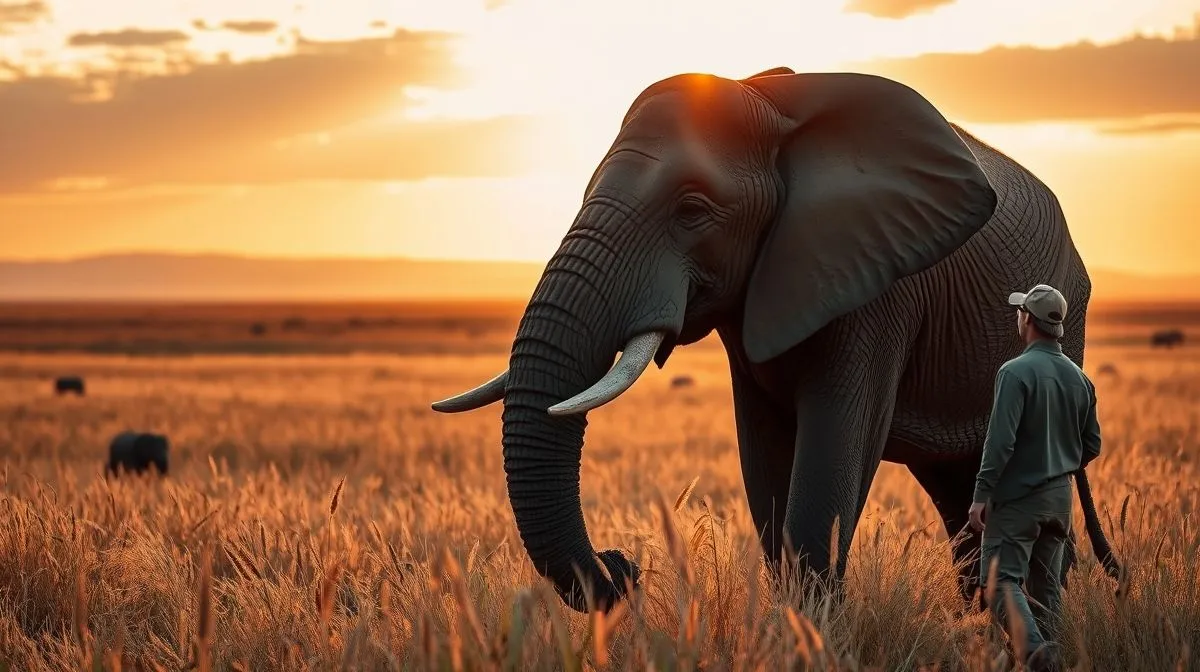
A great example of an ethical approach is responsible whale watching, where boats maintain safe distances, respect marine life, and contribute to research. Similarly, true wildlife safaris focus on observation and education, with strict rules about not disturbing animals.
The Impact of Your Choices: Why Ethical Tourism Matters
Every dollar you spend in the tourism industry has an impact, either positive or negative. Choosing ethical animal encounters isn't just about feeling good; it's about actively contributing to animal welfare and conservation efforts globally.
Driving Positive Change Through Responsible Travel
- Reduces Demand for Unethical Practices: When tourists stop paying for cruel attractions, these businesses become unprofitable and are forced to change or shut down.
- Supports Genuine Conservation: Your money directly funds the care of rescued animals, habitat protection, anti-poaching efforts, and scientific research.
- Educates and Raises Awareness: Ethical encounters often include strong educational components, helping to spread awareness about animal welfare issues and inspiring others to make responsible choices.
- Empowers Local Communities: Many ethical operations work closely with local communities, providing employment and economic alternatives that do not rely on animal exploitation.
- Promotes Animal Welfare Standards: By supporting organizations that adhere to high welfare standards, you send a clear message to the industry about what is acceptable.
According to the World Animal Protection, over half a million wild animals are suffering for tourist entertainment globally. By making informed decisions, you become part of the solution, helping to shift the tourism industry towards more humane and sustainable practices. For more information on global animal welfare initiatives, you can visit the World Animal Protection website.
Practical Steps for Planning an Ethical Animal Encounter
Planning an ethical animal encounter requires research and diligence, but the effort is well worth it. Here's a step-by-step guide to ensure your next animal interaction is a positive one for all involved.
Before You Go: Research and Verify
- Define Your Desired Experience: What kind of animal do you want to see? What level of interaction (observation only, feeding, etc.) are you comfortable with?
- Research Reputable Organizations: Look for certifications from recognized animal welfare organizations (e.g., Global Federation of Animal Sanctuaries, Association of Zoos and Aquariums if they have specific conservation programs). Read reviews on independent travel sites, but be wary of reviews that focus solely on the 'fun' factor rather than animal welfare.
- Scrutinize Websites and Marketing: Look for photos and videos that show animals in natural settings, not performing tricks or in close contact with tourists. Read their 'About Us' or 'Conservation' sections carefully. Do they mention rescue, rehabilitation, or release?
- Ask Direct Questions: Don't hesitate to email or call the facility or tour operator. Ask about their animal sources, enclosure sizes, daily routines, veterinary care, and how they ensure animal welfare.
- Consult Ethical Travel Guides: Many non-profit organizations publish guides or lists of recommended ethical animal experiences. Organizations like Responsible Travel or The Ethical Traveler can be excellent resources.
During Your Encounter: Observe and Evaluate
- Observe Animal Behavior: Do the animals appear stressed, lethargic, or repetitive in their movements (pacing, swaying)? These can be signs of distress. Do they have opportunities to retreat from human interaction?
- Evaluate the Environment: Is the enclosure clean, spacious, and enriched with natural elements? Is there adequate shade, water, and appropriate food?
- Assess Staff Interaction: Are staff members gentle and respectful with the animals? Do they prioritize animal well-being over tourist demands?
- Question the Narrative: If a guide tells a story that seems too good to be true, or downplays animal welfare concerns, be skeptical.
Remember, an ethical animal encounter should primarily be about the animal's well-being and education, not just your photo opportunity. For insights into responsible wildlife photography, consider guidelines from organizations like the National Geographic Society.
Beyond Encounters: Supporting Animal Welfare at Home and Abroad
Your commitment to ethical animal encounters doesn't have to end when your trip does. There are numerous ways to continue supporting animal welfare and conservation, making a lasting impact far beyond a single interaction.
Long-Term Commitment to Animal Welfare
- Educate Others: Share your knowledge with friends, family, and on social media. Help others understand the importance of choosing ethical experiences.
- Support Reputable Organizations: Donate to, or volunteer for, legitimate animal welfare charities and conservation groups.
- Advocate for Policy Change: Support campaigns that push for stronger animal protection laws and regulations in tourism and beyond.
- Choose Responsible Products: Extend your ethical choices to the products you buy, ensuring they don't contribute to animal cruelty or habitat destruction (e.g., palm oil, unsustainable seafood).
- Reduce Your Carbon Footprint: Climate change and habitat loss are significant threats to wildlife. Reducing your environmental impact indirectly helps protect animal populations.
The journey towards truly ethical animal encounters is ongoing, requiring continuous learning and conscious choices. By embracing these principles, you become an advocate for animals, ensuring that future generations can also experience the wonder of wildlife, without compromising their welfare.
Frequently Asked Questions (FAQ)
Is it ever ethical to ride an elephant? No, it is generally considered unethical to ride elephants. The process of 'breaking' an elephant's spirit for riding involves severe cruelty and abuse, and their spines are not naturally designed to carry heavy loads for extended periods.
Are all animal sanctuaries ethical? No, not all facilities calling themselves 'sanctuaries' are truly ethical. Some are merely commercial operations masquerading as sanctuaries. Always research thoroughly, looking for key indicators like no breeding, no direct contact, and a focus on rescue and rehabilitation.
What about zoos? Can they be ethical? Some accredited zoos play a vital role in conservation, research, and education. Ethical zoos prioritize animal welfare through large, enriched habitats, participate in species survival plans, and contribute to in-situ conservation. However, it's crucial to distinguish between reputable, accredited zoos and roadside attractions or private collections.
How can I tell if a dolphin show is unethical? Any show where dolphins perform unnatural tricks, jump through hoops, or allow direct human contact (like swimming with them in pools) is likely unethical. These behaviors are not natural and are typically trained through food deprivation and punishment. Look for wild, respectful observation in their natural habitat instead.
Can I ethically volunteer with animals abroad? Yes, but choose wisely. Avoid programs that involve hands-on contact with wild animals (especially cubs or young animals) or those that breed animals for tourism. Look for reputable conservation projects, wildlife monitoring initiatives, or genuine rescue and rehabilitation centers that don't exploit volunteers or animals.
Recommended Reading
- The Ultimate Guide: How to Prepare for a Luxury Overnight Train Journey
- Unlock Your Perfect Getaway: How to Prepare for a Tropical Beach Trip
- Tube Smart: Essential Safety Rules for Snow Tubing Hills You MUST Know
- Unlock Your Wanderlust: The Ultimate Guide to Cheaper Long-Term Travel
- The Ultimate Guide: How to Respectfully Observe Local Traditions Abroad
Conclusion
Navigating the world of animal encounters can be challenging, but understanding what makes an animal encounter truly ethical empowers you to make responsible choices. By prioritizing animal welfare, supporting genuine conservation efforts, and avoiding exploitative practices, you can ensure your interactions with wildlife are not only memorable but also contribute positively to the lives of animals and the health of our planet. Your conscious decisions have the power to shape a more compassionate future for all creatures, transforming tourism into a force for good.




Your email address will not be published. Required fields are marked *