

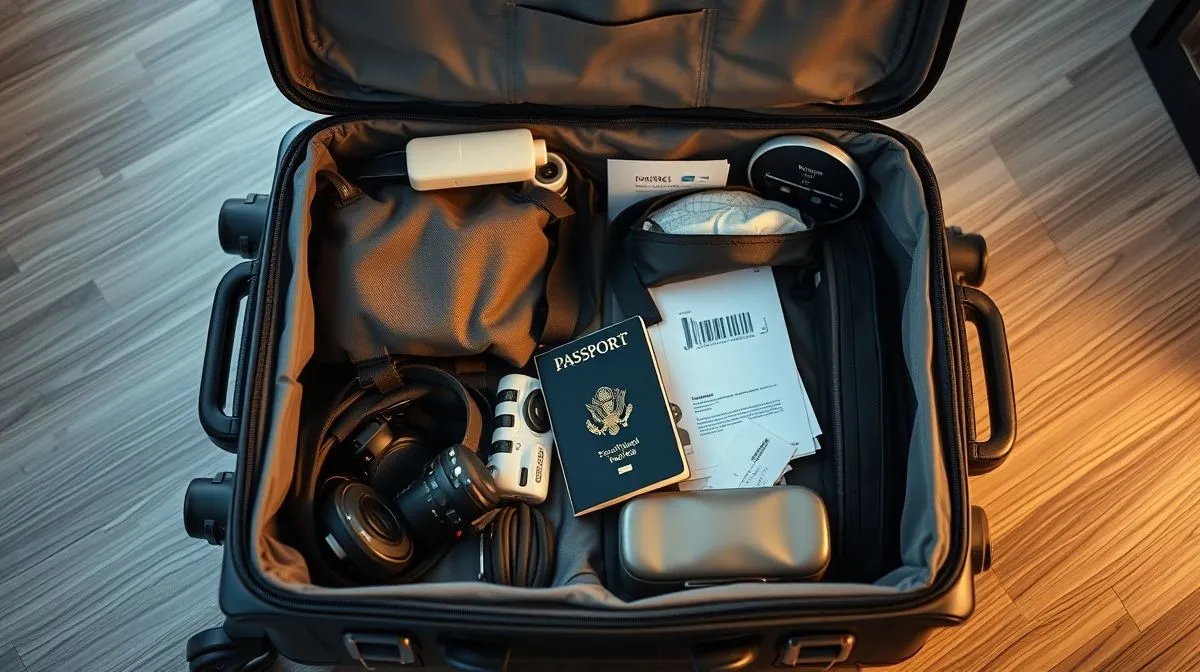
Navigating the World: Your Essential Packing List for Disabled Travelers
Imagine standing at the precipice of a dream trip, the scent of adventure in the air, only to be hit by a wave of anxiety: "Have I forgotten something crucial?" For disabled travelers, this feeling can be amplified, transforming excitement into apprehension about overlooked details or inaccessible necessities.
The journey of a disabled traveler often involves more intricate planning than a typical vacation. From ensuring mobility aids are ready for transit to managing medications across time zones, the 'packing list' extends far beyond clothes and toiletries. The core problem lies in the sheer volume of unique considerations that, if not addressed, can quickly derail a meticulously planned adventure.
This comprehensive guide aims to transform that apprehension into absolute confidence. We will meticulously break down every aspect of preparing for your next journey, providing an essential packing list for disabled travelers that covers everything from crucial documentation to adaptive equipment, ensuring your travels are not just possible, but truly enjoyable and stress-free.
Beyond the Basics: Understanding Unique Travel Needs
While every traveler needs clothes and toiletries, the unique requirements of disabled individuals demand a specialized approach to packing. Understanding these specific needs is the cornerstone of a successful and comfortable journey, ensuring that your independence and well-being are prioritized.
Personal Mobility Aids: Your Travel Companions
Your mobility aid, whether it's a wheelchair, walker, crutches, or scooter, is an extension of your independence. When packing, consider its maintenance and potential for damage during transit. Always carry a small toolkit with basic repair items like duct tape, a multi-tool, and an Allen wrench set specific to your device. If possible, bring a spare part for critical components, such as a tire inner tube for manual wheelchairs or an extra battery for power chairs, provided airline regulations allow.
For air travel, understand the airline's policy on mobility devices. Many airlines require batteries to be removed or specific types of batteries (e.g., dry cell). It's always wise to have clear instructions for disassembling and reassembling your device, perhaps laminated and attached directly to it, for ground staff to follow. This proactive measure can significantly reduce stress upon arrival.
Medical Supplies and Medications: Non-Negotiables
This category is paramount. All prescription medications should be kept in their original, clearly labeled containers, along with a copy of the prescription and a doctor's letter explaining their necessity, especially for controlled substances or injectables. Pack enough medication for your entire trip, plus a few extra days' supply in case of unforeseen delays. Always carry essential medications in your carry-on bag, never checked luggage, to avoid loss or inaccessibility.
Beyond daily medications, consider a comprehensive first-aid kit tailored to your specific health needs. This might include wound care supplies, allergy medication, pain relievers, and any specific medical devices like catheters, testing strips, or ostomy supplies. Research local pharmacies at your destination for emergency refills, but rely on your own supply first.
The World Health Organization (WHO) provides excellent guidelines for travelers with chronic conditions, emphasizing the importance of thorough medical preparation before international travel. Consult WHO's travel health advice here.
Adaptive Equipment: Enhancing Accessibility
Depending on your specific needs, adaptive equipment can vastly improve your travel experience. This could range from portable shower chairs and commodes to specialized eating utensils or communication devices. Prioritize items that are lightweight, foldable, and easy to transport. Sometimes, hiring equipment at your destination is a viable alternative to packing bulky items, but always confirm availability and reliability in advance.
Consider items like a portable grabber, a non-slip mat for hotel showers, or even a small, foldable ramp if you anticipate minor accessibility barriers. The goal is to anticipate challenges and pack solutions that maintain your comfort and dignity away from home.
The Pre-Trip Checklist: Preparation is Key
Successful travel for disabled individuals hinges on meticulous preparation. It's not just about what goes into your suitcase, but the critical groundwork laid before you even start packing. This proactive approach minimizes surprises and maximizes enjoyment.
Documentation: Your Travel Passport to Peace of Mind
Beyond your passport and visa, a disabled traveler's documentation arsenal is crucial. Compile a binder or digital folder containing copies of all prescriptions, doctor's letters for medications and medical devices, insurance policy details (travel and health), emergency contact information, and a list of your medical conditions and allergies. Include contact details for your primary care physician and any specialists.
For international travel, consider carrying an emergency card in the local language outlining your key medical needs and emergency contacts. This can be invaluable in unexpected situations. Keep both physical and digital copies of all vital documents.
Communication with Providers: Setting Expectations
Before booking, and certainly before departure, communicate your specific needs to airlines, hotels, tour operators, and transportation services. Airlines need to know about mobility aids, seating preferences, and assistance required for boarding and deplaning. Hotels should be informed about accessible room requirements, shower setups, and any special equipment you might need.
Don't assume accessibility; confirm it. A detailed conversation can prevent significant disappointment or logistical nightmares upon arrival. Many major airlines, like United, offer dedicated accessibility pages detailing their services. You can review United Airlines' accessibility information as an example.
Researching Accessibility: Navigating Your Destination
Thorough research into your destination's accessibility infrastructure is non-negotiable. Look into accessible transportation options (buses, trains, taxis), pedestrian pathways, public restrooms, and the accessibility of attractions and restaurants. Websites like Wheelchair Accessible Travel Blog or local tourism boards often provide invaluable insights.
Understanding the local culture around disability can also be helpful. Some regions are more developed in terms of accessibility than others. This research directly impacts your itinerary and what you choose to pack, as it helps you anticipate the environment you'll be navigating.
Smart Packing Strategies for Accessibility
How you pack is almost as important as what you pack. Strategic packing can make the difference between a smooth journey and a frustrating one, especially when managing specific medical or mobility needs.
Carry-On Essentials: The First Line of Defense
Your carry-on bag is your lifeline. It should contain all critical medications (with extra doses), essential medical devices that cannot be replaced easily, important documents (passports, insurance, doctor's notes), and a change of clothes. Include a small adaptive item you use frequently, like a specific utensil or a compact grabber, for immediate access.
Also pack snacks, a reusable water bottle, and any personal comfort items. In case your checked luggage is delayed or lost, your carry-on ensures your fundamental needs are met without disruption to your health or well-being. This proactive approach is a key component of an effective essential packing list for disabled travelers.
Organized Luggage: Efficiency and Ease
When packing your checked luggage, organize items logically. Use packing cubes or clear bags to separate categories: medical supplies, adaptive equipment, clothing, and toiletries. This makes it easier to find what you need without rummaging, which is particularly helpful if you have limited mobility or energy.
Place heavier items at the bottom of the suitcase and lighter, more fragile items on top. If you're bringing a disassembled piece of equipment, ensure its components are securely packed and protected. Label bags clearly with your contact information, both inside and out.
Weight and Size Considerations: Airline Rules and Portability
Always check airline baggage allowances, especially for medical equipment and mobility aids, as these often have different rules or exemptions. Be mindful of the overall weight of your luggage, not just for airline limits, but for your own ease of handling. Opt for lightweight, durable luggage and consider bags with four spinner wheels for easier maneuverability.
For adaptive equipment, prioritize items that are collapsible, lightweight, and compact. If you can choose between a bulky item and a travel-friendly version, the latter is almost always preferred to minimize stress during transit and handling.
Technology and Connectivity for Empowered Travel
In today's interconnected world, technology can be a powerful ally for disabled travelers, enhancing safety, navigation, and communication. Integrating the right tech into your packing list can significantly improve your travel experience.
Assistive Apps: Your Digital Travel Companion
Download apps that enhance accessibility and safety. This includes navigation apps with accessible route options, communication apps with translation features, emergency service apps that pinpoint your location, and apps that help locate accessible restrooms or restaurants. Apps like AccessNow or Wheelmap can be invaluable for finding accessible places globally.
Consider medical alert apps or personal safety apps that can quickly notify emergency contacts or local services if needed. These digital tools provide an extra layer of security and independence, making your journey smoother and more reassuring.
Portable Chargers and Adapters: Powering Your Independence
Many disabled travelers rely on battery-powered devices, from power wheelchairs and scooters to medical equipment like CPAP machines or portable oxygen concentrators. Pack multiple portable power banks to keep your phone and smaller devices charged throughout the day, especially during long transit times or in areas with unreliable power outlets.
For international travel, a universal travel adapter is essential to ensure you can charge all your devices. If your medical equipment requires specific voltage, also pack a voltage converter. Always check the power requirements of your devices and the voltage of your destination beforehand to avoid damage.
Communication Devices: Staying Connected
Your mobile phone is critical for emergencies, navigation, and staying in touch with travel companions or family. Ensure it's fully charged before leaving and has international roaming activated or a local SIM card plan. Consider a backup basic phone or a satellite messenger for remote areas where cellular service might be unreliable.
For those with hearing impairments, ensure hearing aid batteries are packed (with spares!) and consider a portable amplifier. For visual impairments, screen readers and tactile navigation aids on your phone can be vital. Staying connected ensures help is always within reach.
Contingency Planning: What If Something Goes Wrong?
Even with the most meticulous planning, unforeseen circumstances can arise. A robust contingency plan is a critical component of any comprehensive travel preparation, especially for disabled travelers. This foresight can turn a potential disaster into a minor inconvenience.
Emergency Contact Information: Local and Home
Beyond your personal contacts, have a list of local emergency services (police, ambulance, fire) for your destination. Include the contact information for your country's embassy or consulate, as they can provide assistance in dire situations. Share your itinerary and contact details with a trusted person back home who can act as a point of contact.
Consider carrying a medical alert card or bracelet that clearly states your primary medical conditions, allergies, and emergency contact numbers. This can be invaluable if you're unable to communicate in an emergency.
Repair Kits for Mobility Aids: DIY Solutions
As mentioned earlier, a basic repair kit for your mobility aid is a must. This can include items like tire patch kits, a pump, spare inner tubes, a multi-tool with various wrench sizes, duct tape, zip ties, and a small tube of super glue. Knowing how to perform minor repairs can prevent being stranded or facing lengthy delays waiting for professional help.
If your device is more complex, consider taking a brief course on basic maintenance or watching online tutorials before your trip. The ability to troubleshoot common issues can be a huge stress reliever when you're far from home.
Travel Insurance: Your Safety Net
Comprehensive travel insurance is paramount for disabled travelers. Ensure your policy covers pre-existing medical conditions, emergency medical evacuation, and potential damage or loss of mobility aids and specialized equipment. Standard travel insurance policies may not cover these specific needs, so look for specialized plans.
Before purchasing, read the policy document carefully to understand exclusions, claim procedures, and coverage limits. A good policy from a reputable provider, such as those often reviewed by consumer advocate groups like NerdWallet, can offer invaluable peace of mind. Explore options for comprehensive travel insurance.
Practical Tips for a Smoother Journey
Beyond the essential items, incorporating practical habits and considerations into your travel routine can significantly enhance comfort and reduce fatigue, making your journey more enjoyable.
Dressing for Comfort and Ease: Practical Attire
Choose comfortable, loose-fitting clothing made from breathable fabrics. Layers are always a good idea to adapt to varying temperatures. Prioritize clothes that are easy to put on and take off, especially if you have limited dexterity or require assistance. Consider adaptive clothing options if they enhance your comfort and independence.
Footwear should be comfortable, supportive, and easy to manage. Avoid new shoes that haven't been broken in. Remember that travel days can be long and tiring, so comfort should be a top priority in your wardrobe choices.
Hydration and Nutrition: Sustaining Energy
Travel can be dehydrating and disrupt eating routines. Pack a reusable water bottle and stay hydrated, especially during flights. Carry a supply of non-perishable, easy-to-eat snacks that align with your dietary needs. This prevents relying solely on potentially inaccessible or unsuitable food options during transit or at your destination.
If you have specific dietary restrictions or allergies, carry a translated card explaining your needs to restaurant staff. Planning your meals and snacks ahead of time can prevent energy dips and ensure you maintain your health throughout your trip.
Mental Well-being: Prioritizing Self-Care
Travel, while exciting, can also be stressful. Pack items that contribute to your mental well-being: a favorite book, noise-canceling headphones, a comfort item, or a journal. Plan for downtime in your itinerary to rest and recharge. Don't overschedule yourself, and be flexible with your plans.
Practicing mindfulness or simple relaxation techniques can also help manage travel-related anxiety. Remember, the goal is to enjoy the experience, and that includes taking care of your emotional and mental health.
Overcoming Common Packing Pitfalls
Even seasoned travelers can make mistakes, and for disabled travelers, these can have amplified consequences. Recognizing and avoiding common packing pitfalls is crucial for a truly seamless journey.
Overpacking vs. Underpacking: Finding the Balance
The dilemma of overpacking versus underpacking is common. Overpacking leads to heavy, cumbersome luggage, making mobility and handling difficult. Underpacking, however, can leave you without crucial medical supplies or adaptive equipment, leading to stress and potential health risks.
The solution lies in meticulous planning and creating a comprehensive disabled travel packing list. Prioritize essentials, consolidate items, and consider whether certain bulky items can be rented or purchased at your destination. A detailed inventory helps you find the sweet spot.
Forgetting Critical Documentation: A Costly Oversight
One of the most significant pitfalls is forgetting essential documents like prescriptions, doctor's letters, or insurance details. Without these, you could face difficulties with medication refills, customs, or accessing medical care. Always double-check your document folder before leaving.
Make digital backups and share copies with a trusted contact. The inconvenience and potential health risks associated with missing documentation far outweigh the effort of preparing it properly.
Neglecting Local Accessibility Research: Leads to Frustration
Assuming a destination will be fully accessible without prior research is a common mistake. This can lead to unexpected barriers, inaccessible transportation, or inability to visit desired attractions, resulting in significant frustration and wasted time. This is where the depth of your accessible journey planning truly pays off.
Thorough research, as discussed earlier, prevents these disappointments. Utilize online resources, travel blogs, and direct communication with service providers to build a realistic picture of the accessibility landscape at your destination. A little foresight here goes a long way.
Frequently Asked Questions (FAQ)
How many days' worth of medication should I pack for my trip? Always pack enough medication for your entire trip, plus an additional 3-5 days' supply to account for unforeseen delays or extensions. Keep all essential medications in your carry-on.
Is it necessary to inform the airline about my mobility aid in advance? Absolutely. You must inform the airline about your mobility aid (e.g., wheelchair, scooter) at the time of booking or at least 48-72 hours before your flight. This ensures they can make the necessary arrangements for storage, boarding assistance, and battery handling.
What's the best way to carry medical documents and prescriptions? Keep physical copies in a dedicated folder in your carry-on bag. Also, have digital copies stored on your phone or a cloud service. A doctor's letter explaining your condition and the necessity of your medications is highly recommended, especially for international travel.
Should I get travel insurance if I have a pre-existing condition? Yes, it's highly recommended. Ensure the policy specifically covers pre-existing medical conditions and includes provisions for emergency medical evacuation and damage/loss of mobility equipment. Standard policies often exclude these, so look for specialized accessible travel insurance.
Can I bring a service animal on a plane? Yes, service animals are generally permitted to accompany their handlers in the cabin. However, specific airline policies and international regulations vary widely. Always check with your airline and the destination country's regulations well in advance, as extensive documentation may be required.
Recommended Reading
- The Ultimate Guide: What to Pack for Baby's First International Trip
- Cross Country Skiing for Beginners? Essential Tips You Need Now!
- All Aboard! The Best Railway Museums for Kids in the UK Revealed
- The Ultimate Guide: How to Respectfully Observe Local Traditions Abroad
- Unlock City Secrets: Best Urban Exploration Apps for City Breaks
Conclusion
Embarking on a journey as a disabled traveler is an act of courage, independence, and a testament to the human spirit's desire for exploration. While the planning process can feel daunting, armed with a detailed essential packing list for disabled travelers and a proactive mindset, you can transform potential challenges into opportunities for seamless adventure. By prioritizing thorough documentation, thoughtful medical preparation, smart packing strategies, and robust contingency planning, you empower yourself to navigate the world with confidence and joy. Remember, every detail considered is a step towards a truly accessible and unforgettable travel experience. May your journeys be filled with discovery, comfort, and boundless freedom.




Your email address will not be published. Required fields are marked *