

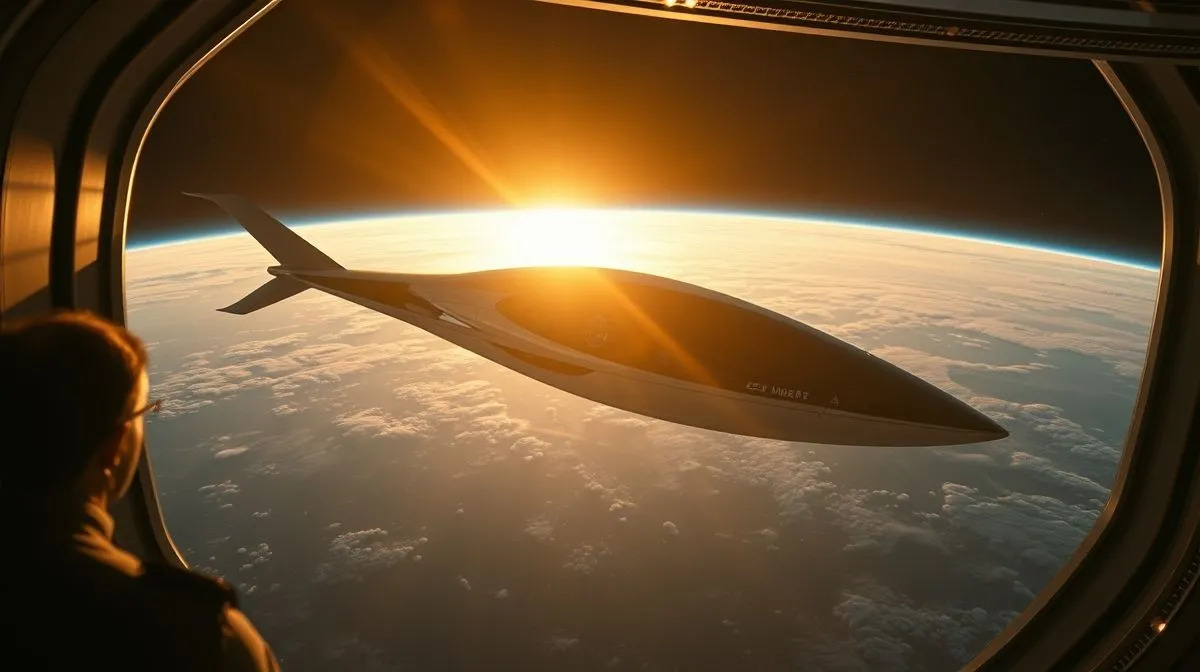
Unveiling the True Cost: What's Included in the Price of a Commercial Spaceflight?
Ever gazed at the night sky, mesmerized by the twinkling expanse, and wondered what it would truly take to go there? For centuries, space travel was the exclusive domain of governments and highly trained astronauts. Today, however, a new era has dawned: commercial spaceflight, offering the ultimate adventure to private citizens.
While the allure of rocketing beyond Earth's atmosphere is undeniable, a significant question often looms large: what's included in the price of a commercial spaceflight? The sticker shock of a multi-million-dollar ticket can be daunting, leading many to believe it's simply the cost of fuel and a seat. Yet, the reality is far more complex, encompassing a meticulously planned and executed experience.
This comprehensive guide will meticulously detail every component that contributes to the price of a commercial spaceflight, from the rigorous training you'll undergo to the cutting-edge technology propelling you skyward, ensuring you understand the profound value behind every dollar spent on this once-in-a-lifetime journey.
Beyond the Ticket Price: The Core Inclusions of Your Space Journey
When you purchase a commercial spaceflight ticket, you're not just buying a ride; you're investing in a complete, highly specialized ecosystem designed for safety, comfort, and an unforgettable experience. The cost covers an extensive array of services and infrastructure.
Pre-Flight Training and Preparation
Before you ever step foot into a spacecraft, you'll undergo a bespoke training program. This isn't just a brief orientation; it's a comprehensive regimen designed to prepare your body and mind for the unique challenges of space travel. Training typically includes:
- Medical Evaluations: Rigorous health screenings to ensure you're fit for flight.
- G-Force Training: Experiencing the forces of launch and re-entry in centrifuges or specialized aircraft.
- Zero-Gravity Simulation: Familiarization with microgravity environments, often in parabolic flights.
- Safety Protocols: Learning emergency procedures, egress, and communication systems.
- Physical Conditioning: Tailored exercises to build endurance and resilience.
This phase is critical for ensuring passenger safety and maximizing their ability to enjoy the experience, transforming a civilian into a temporary 'astronaut'.
The Spacecraft Itself: Design, Manufacturing, and Maintenance
The vehicle carrying you to space represents the pinnacle of aerospace engineering. Its cost contribution is immense, encompassing:
- Research & Development (R&D): Billions are invested in designing, testing, and refining these complex machines.
- Manufacturing: Crafting a spacecraft requires specialized materials, advanced robotics, and highly skilled labor.
- Maintenance & Upgrades: Each component is meticulously inspected, repaired, or replaced after every flight, ensuring peak performance and safety.
- Fuel & Propellant: The vast quantities of specialized fuels needed for launch and orbital maneuvers are a significant recurring expense.
Companies like SpaceX, Blue Origin, and Virgin Galactic have invested heavily in creating their proprietary fleets, a cost that is amortized across all flights.
Mission Operations and Ground Control
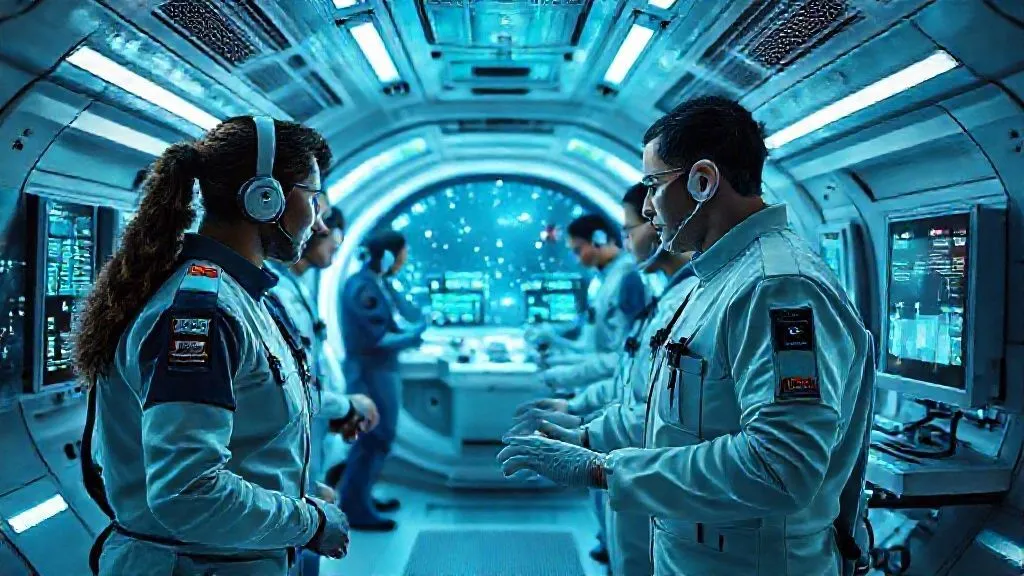
A spaceflight is never a solitary endeavor. A dedicated team on the ground orchestrates every second of the mission. This includes:
- Flight Controllers: Experts monitoring every system, from propulsion to life support.
- Engineers: Specialists analyzing real-time data and troubleshooting potential issues.
- Meteorologists: Providing critical weather assessments for launch and landing.
- Logistics Teams: Managing everything from equipment transport to personnel scheduling.
This round-the-clock support ensures the mission's success and the passengers' well-being, from pre-launch countdown to post-landing recovery.
Safety First: Insurance, Medical, and Emergency Protocols
The inherent risks of space travel necessitate robust safety measures and comprehensive contingency planning. These are non-negotiable costs built into the price.
Comprehensive Insurance Coverage
Both the operators and the passengers require extensive insurance. This covers:
- Liability Insurance: Protecting the company against potential damages or claims.
- Passenger Insurance: Providing coverage for injury, loss of life, or medical emergencies during the mission.
- Asset Insurance: Protecting the multi-million-dollar spacecraft and ground infrastructure.
Given the high-risk, high-value nature of spaceflight, these premiums are substantial and contribute significantly to the overall ticket price.
Onboard Medical Support & Emergency Preparedness
Even for short suborbital flights, medical personnel are on standby. For longer orbital missions, trained crew members may provide basic medical care, and contingency plans for medical emergencies are paramount. This involves:
- Medical Personnel: Access to doctors and paramedics pre-flight and post-flight.
- Emergency Response Teams: Ready to deploy in case of an anomaly during launch, flight, or landing.
- Redundant Systems: Spacecraft are designed with multiple backup systems for critical functions, a costly but essential safety feature.
The commitment to passenger safety is paramount, and the investment in these protocols reflects that priority.
The Journey Itself: Suborbital vs. Orbital Experiences
The type of commercial spaceflight you choose significantly impacts the price, primarily due to the vastly different logistical and technological requirements.
Suborbital Flights: A Taste of Space
Companies like Virgin Galactic and Blue Origin offer suborbital flights, where the spacecraft crosses the Kármán line (the internationally recognized boundary of space at 100 km altitude) but does not achieve orbit around Earth. These flights typically last about 10-15 minutes in total, with a few minutes of weightlessness. The cost is lower because:
- Less fuel is required compared to orbital missions.
- The spacecraft design is simpler, not needing to withstand sustained orbital velocities or re-entry heating for extended periods.
- Mission complexity and duration are significantly reduced.
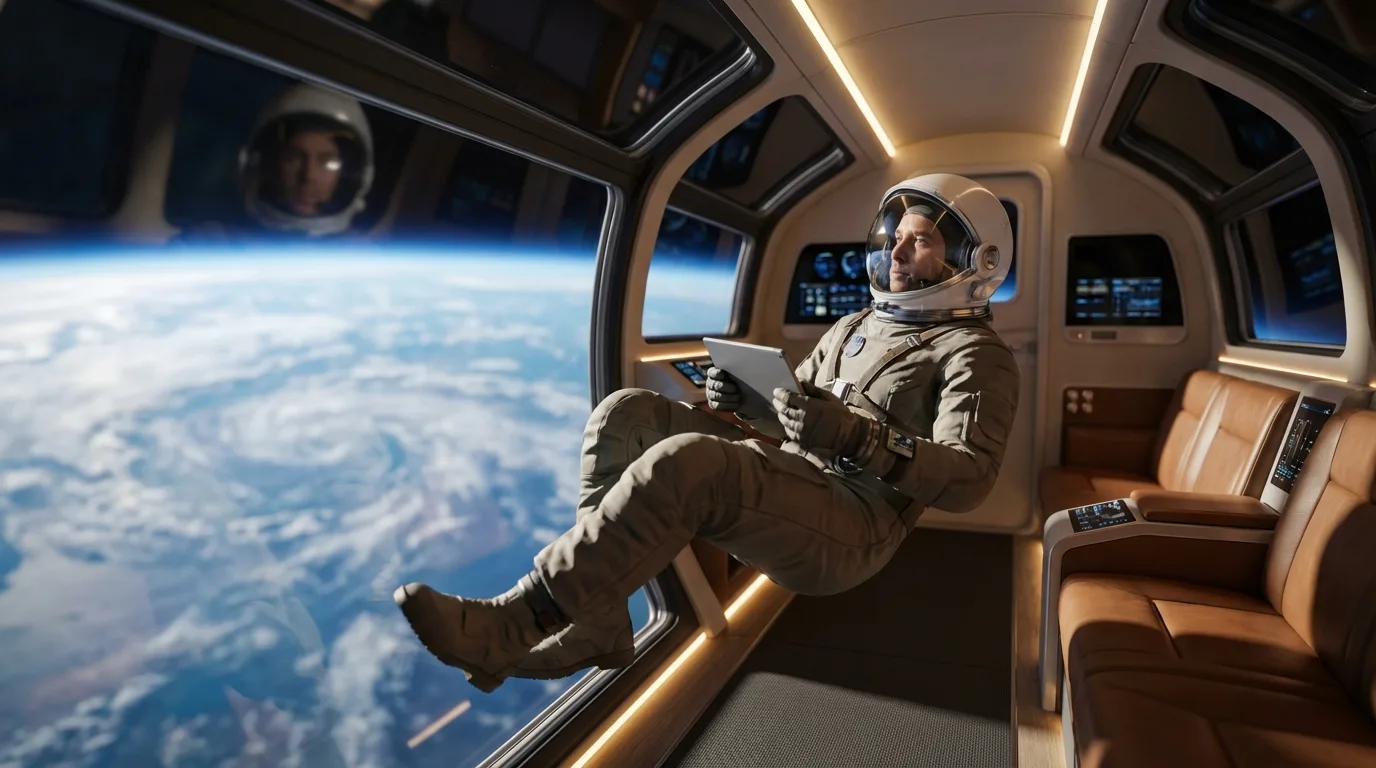
This option provides a relatively more accessible entry point to experiencing space, focusing on the thrill of launch, weightlessness, and seeing Earth's curvature.
Orbital Missions: Extended Stays and Advanced Logistics
Orbital flights, such as those offered by SpaceX to the International Space Station (ISS) or planned for future private space stations, are exponentially more complex and expensive. These missions involve:
- Achieving orbital velocity (approximately 17,500 mph or 28,000 km/h) to remain in space.
- Sustained life support systems for days or weeks.
- Docking procedures with space stations or other spacecraft.
- Advanced navigation and communication systems for extended periods.
- More robust heat shielding and re-entry capabilities.
The infrastructure, training, and operational costs for orbital missions are orders of magnitude greater, reflecting the profound difference in the scope and duration of the experience. According to a report by CNBC, a seat on a SpaceX Crew Dragon to the ISS can cost tens of millions of dollars, a testament to the immense complexities involved. Find out more about commercial crew costs here.
Post-Flight: Recovery, Debrief, and Souvenirs
The journey doesn't end when the wheels touch down. A significant portion of the cost covers the crucial post-flight phase.
Medical Monitoring and Rehabilitation
Upon return, passengers undergo thorough medical evaluations to assess their physical condition after experiencing G-forces and microgravity. This may include:
- Immediate medical checks at the landing site.
- Follow-up examinations to monitor any physiological changes.
- Access to rehabilitation services if needed, though typically minor for suborbital flights.
This ensures the long-term well-being of the space travelers.
Post-Mission Debriefings and Data Analysis
Your experience is valuable data. Commercial spaceflight companies conduct debriefings with passengers to gather feedback on:
- The comfort and functionality of the spacecraft.
- The effectiveness of training.
- Overall satisfaction and suggestions for improvement.
This data is crucial for refining future missions, enhancing safety, and improving the passenger experience, contributing to the iterative development costs.
Mementos and Memories
While not a primary cost driver, many commercial spaceflight packages include exclusive memorabilia, professional photography, and videography of your journey. These tangible reminders help commemorate an unparalleled achievement.
Navigating the Nuances: Hidden Costs and Variable Factors
While the core package covers much, there are often additional expenses or variable factors that can influence the final price of a commercial spaceflight.
Personal Customizations and Upgrades
For some high-end orbital missions, there might be options for personalized experiences or upgrades, such as:
- Customized meals or personal items allowed onboard (within strict limits).
- Extended stay options on a private space station.
- Specific viewing opportunities or research participation.
These bespoke additions can add significant figures to the base price.
Travel to the Launch Site and Accommodation
The cost of traveling to remote launch sites, such as Spaceport America in New Mexico or Cape Canaveral in Florida, is typically not included. This involves:
- Airfare or ground transportation to the nearest major city.
- Accommodation for the duration of your training and pre-flight stay, which can range from a few days to several weeks.
- Local transportation and personal expenses.
These logistical costs, though external to the flight itself, are a necessary part of the overall space travel experience.
Regulatory Compliance and Launch Fees
Operating a commercial spaceflight requires extensive permits and adherence to stringent regulations set by government bodies like the FAA (Federal Aviation Administration) in the United States. These include:
- Licensing fees for launch and re-entry.
- Safety certifications and oversight.
- Environmental impact assessments.
These regulatory hurdles ensure public safety and environmental protection, and their associated costs are factored into the overall operational expenses. You can learn more about the FAA's role in commercial space transportation on their official website: FAA Commercial Space Transportation.
The Future of Space Tourism: Driving Down Costs
While the current price of a commercial spaceflight remains high, the industry is rapidly evolving, with several factors poised to make space travel more accessible in the coming decades.
Reusability and Economies of Scale
The development of reusable rockets, pioneered by companies like SpaceX with their Falcon 9 and Starship, is a game-changer. By eliminating the need to build a new rocket for every launch, operational costs plummet. As more people fly, the economies of scale will further drive down prices, similar to how air travel evolved from a luxury to a common mode of transport.
Increased Competition and Innovation
The burgeoning commercial space industry is attracting more players, fostering healthy competition. This rivalry encourages innovation in propulsion systems, materials science, and manufacturing processes, all aimed at reducing costs while enhancing safety and capability. New technologies, such as advanced manufacturing techniques, are making spacecraft production more efficient.
What's Included in the Price of a Commercial Spaceflight?: A Comprehensive Breakdown
To summarize the extensive value proposition, here’s a breakdown of the key elements included in your commercial spaceflight ticket:
- Extensive Pre-Flight Training: Medical, G-force, zero-G, and safety protocols.
- Cutting-Edge Spacecraft: R&D, manufacturing, maintenance, and fuel.
- Dedicated Mission Control: A team of experts managing every aspect of your flight.
- Comprehensive Insurance: Liability, passenger, and asset coverage.
- Robust Safety & Emergency Systems: Onboard medical support and contingency planning.
- The Flight Itself: Whether suborbital or orbital, the actual journey and experience of space.
- Post-Flight Care: Medical monitoring and debriefings.
Each of these components is vital, ensuring that a commercial spaceflight is not just an adventure, but a meticulously managed, safe, and technologically advanced endeavor. For further insights into the broader space tourism market, consult reputable sources like Wikipedia's entry on Space Tourism.
Frequently Asked Questions (FAQ)
Is space tourism safe? Commercial spaceflight companies invest heavily in safety, with rigorous testing, redundant systems, and extensive astronaut training programs for passengers. While no form of travel is without risk, the industry prioritizes safety above all else.
How long does commercial spaceflight training last? For suborbital flights, training can range from a few days to a week. For orbital missions, it can extend to several weeks or even months, depending on the complexity of the mission and the individual's prior experience.
Can anyone buy a ticket for a commercial spaceflight? While theoretically open to the public, there are stringent medical and psychological requirements. Passengers must pass rigorous health evaluations and complete all necessary training.
Are the costs of commercial spaceflight expected to decrease in the future? Yes, with advancements in reusable rocket technology, increased competition, and economies of scale, experts anticipate that the cost of space travel will gradually decrease over the coming decades, making it more accessible to a wider audience.
Recommended Reading
- Best Cruise for Toddlers with Food Allergies: Safe Sailing Guide
- Villa Concierge: Which Services Are Actually Worth Paying For?
- The Ultimate Guide: How to Plan Your Multi-Park National Park Road Trip
- Conquer Your Fears: Solo Dining Tips for Shy Travelers Revealed
- The Ultimate Guide: How to Avoid Scams When Booking Beachfront Villas?
Conclusion
The question of what's included in the price of a commercial spaceflight? reveals a complex tapestry of cutting-edge technology, meticulous planning, extensive human expertise, and an unwavering commitment to safety. Far from being a simple ticket, it represents a comprehensive package that encompasses everything from your initial medical evaluations and rigorous training to the engineering marvel of the spacecraft itself, the dedicated ground control teams, and the crucial post-flight care. As the commercial space industry continues to innovate and mature, we stand on the precipice of a new era where the dream of space travel, once reserved for a select few, is slowly but surely becoming a tangible reality for more and more intrepid explorers.


Your email address will not be published. Required fields are marked *