

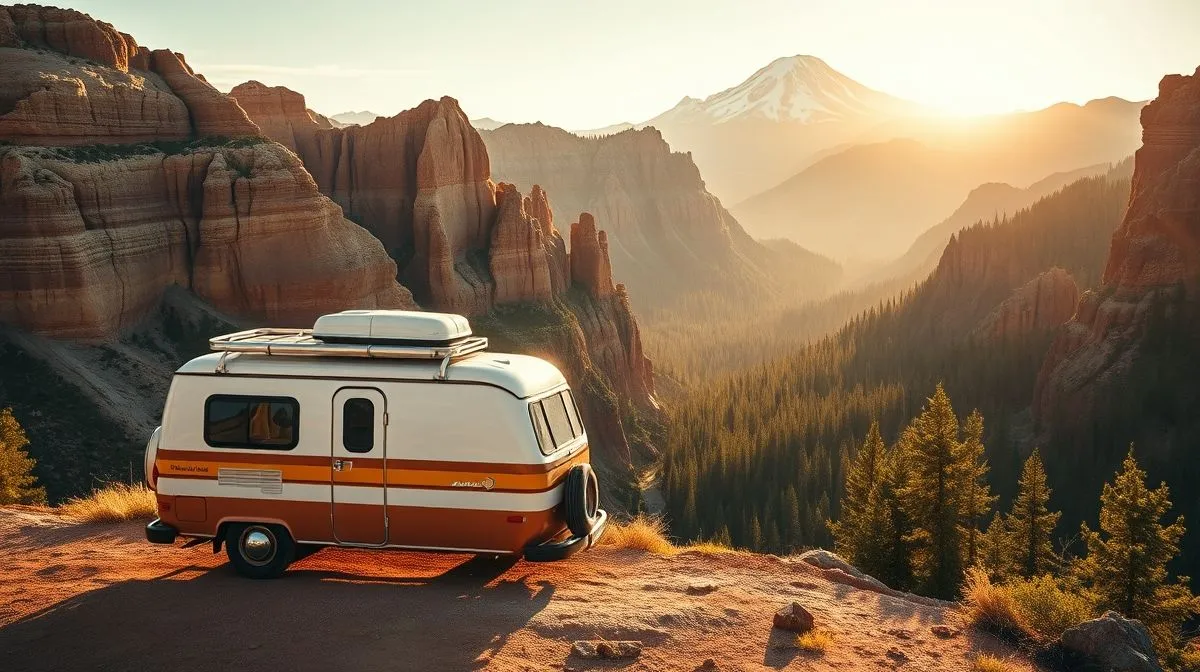
How to Plan a Multi-Park National Park Road Trip: Your Ultimate Guide
Imagine the open road stretching before you, the promise of majestic landscapes on the horizon, and a meticulously crafted itinerary guiding you through America's most breathtaking natural wonders. The allure of a national park road trip is undeniable, a quintessential American adventure that promises awe-inspiring vistas, unparalleled wildlife encounters, and moments of profound tranquility.
But when the dream expands to encompass not just one, but multiple national parks, the planning process can quickly transform from exciting to overwhelming. Coordinating diverse entry requirements, managing varied climates, and optimizing travel time between iconic destinations presents a unique set of challenges that can deter even the most seasoned traveler.
Fear not, intrepid explorer! This definitive guide will demystify the complexities of how to plan a multi-park national park road trip, equipping you with the strategies, insights, and practical tips needed to transform your ambitious vision into an unforgettable reality. From conceptualizing your grand route to navigating on-the-ground logistics, you'll learn everything required to orchestrate a seamless and enriching journey.
The Allure of the Multi-Park Adventure
Why settle for one natural wonder when you can experience a tapestry of diverse ecosystems and geological marvels? A multi-park national park road trip offers an unparalleled opportunity to immerse yourself in the sheer scale and variety of America's protected lands.
Why Combine National Parks?
Combining multiple parks allows for a richer, more comprehensive travel experience. You can seamlessly transition from the desert landscapes of Zion to the alpine beauty of Bryce Canyon, or from the geysers of Yellowstone to the rugged peaks of Grand Teton. This approach maximizes your travel efficiency, allowing you to see more without constantly resetting your travel base.
- Diverse Landscapes: Witness a broader spectrum of natural beauty, from arid deserts and deep canyons to lush forests and towering mountains.
- Cultural Immersion: Encounter different historical narratives and indigenous cultures associated with various park regions.
- Maximized Exploration: Optimize travel time by linking geographically proximate parks, turning transit into part of the adventure.
- Sense of Accomplishment: Experience the satisfaction of a grand journey that covers significant ground and diverse natural wonders.
Setting Your Vision: What Kind of Trip?
Before diving into the nitty-gritty, define the essence of your multi-park national park road trip. Are you seeking an adrenaline-fueled hiking expedition, a leisurely scenic drive, a family-friendly adventure, or a photographic journey? Your vision will dictate your park choices, pace, and accommodation style.
- Adventure-Focused: Prioritize parks with extensive trail systems, climbing opportunities, or water sports.
- Family-Friendly: Look for parks with accessible trails, ranger programs for kids, and diverse activities suitable for all ages.
- Relaxation & Scenery: Focus on scenic drives, overlooks, and shorter, less strenuous walks.
- Photography Expedition: Research parks known for dramatic lighting, unique geological features, and abundant wildlife.
Phase 1: Conceptualizing Your Journey
The foundation of any successful multi-park road trip lies in meticulous conceptualization. This involves thoughtful park selection, strategic route mapping, and understanding the intricate entry systems that govern access to these treasured lands.
Choosing Your Parks Wisely
Proximity is paramount when selecting parks for a combined trip. Grouping parks that are geographically close minimizes driving time and maximizes exploration. Consider iconic clusters like Utah's Mighty 5 (Zion, Bryce Canyon, Capitol Reef, Arches, Canyonlands) or the California Sierra parks (Yosemite, Sequoia, Kings Canyon).
- Geographical Clusters: Focus on regions where multiple parks are within a few hours' drive of each other.
- Seasonal Compatibility: Be mindful of weather patterns. Some parks may have road closures or extreme temperatures during certain seasons. For instance, high-elevation passes in Glacier National Park are typically closed until late spring.
- Interests & Activities: Align park choices with your primary interests, whether it's hiking, wildlife viewing, geology, or stargazing.
Mapping the Flow: Route Planning Essentials
Once your parks are chosen, it's time to connect the dots. A logical progression is key to minimizing backtracking and optimizing your travel time. Utilize online mapping tools like Google Maps or dedicated road trip planners to visualize your route. Factor in not just mileage, but also elevation changes, potential traffic, and road conditions.
- Logical Progression: Plan your route to move from one park to the next in a linear fashion, avoiding unnecessary detours.
- Driving Time vs. Park Time: Allocate sufficient time for both travel between parks and meaningful exploration within each park. A common mistake is underestimating driving times, especially on scenic but winding park roads.
- Rest Stops & Scenic Overlooks: Integrate breaks and opportunities to enjoy the journey itself, not just the destinations.
Understanding Park Entry & Reservation Systems
Accessing national parks has become more complex, especially in popular destinations. Many parks now employ timed entry systems, lottery systems for permits, or require advance reservations for specific areas or activities. Failing to secure these can derail your trip.
The National Park Service (NPS) website (nps.gov) is your definitive resource for up-to-date entry requirements, reservation windows, and permit applications. Always check the official park page for each park on your itinerary well in advance of your travel dates.
- Timed Entry: Parks like Zion, Glacier, and Rocky Mountain often require timed entry reservations during peak season. These usually open months in advance and can sell out quickly.
- Activity Permits: Specific popular hikes (e.g., Angels Landing in Zion, Half Dome in Yosemite) and backcountry camping often require permits obtained via lottery or reservation.
- America the Beautiful Pass: Consider purchasing the Interagency Annual Pass (America the Beautiful Pass) if you plan to visit multiple parks over a 12-month period. It covers entrance fees for the pass holder and passengers in a single private vehicle at most federal recreation sites.
Phase 2: Budgeting and Financial Preparedness
A multi-park adventure, while incredibly rewarding, requires careful financial planning. Understanding and estimating your expenses upfront will prevent unwelcome surprises and ensure a stress-free journey.
Estimating Costs: From Fuel to Fees
Your budget should encompass more than just park entry fees. Think about every aspect of your journey:
- Fuel: This will likely be one of your largest expenses. Research gas prices along your route and factor in the fuel efficiency of your vehicle.
- Accommodation: Whether camping, staying in park lodges, or nearby hotels, this cost varies widely. Book well in advance for better rates and availability.
- Food: Plan for a mix of dining out and preparing your own meals. Groceries for picnics and trail snacks can significantly reduce costs.
- Park Fees & Passes: Individual park entrance fees (typically $20-$35 per vehicle) or the America the Beautiful Pass.
- Activities & Tours: Rafting, guided hikes, boat tours, or other excursions.
- Miscellaneous: Souvenirs, emergency fund, vehicle maintenance, and unexpected expenses.
The National Parks Pass: A Smart Investment?
For a multi-park national park road trip, the America the Beautiful – The National Parks and Federal Recreational Lands Pass is almost always a smart investment. This annual pass costs $80 and grants access to over 2,000 federal recreation sites, including all National Parks, for a full year from the month of purchase. It covers entrance fees for the pass holder and up to three accompanying adults (total of four adults) in a non-commercial vehicle at sites that charge per person, or the pass holder and all occupants of a single private vehicle at sites that charge per vehicle. You can purchase it online, at most park entrances, or through authorized retailers. For more details, visit the official NPS website's pass section.
Saving Money While on the Road
Even with a comprehensive budget, there are many ways to make your national park adventure more affordable:
- Pack Your Own Food: Prepare sandwiches, salads, and snacks for lunches and some dinners. This saves a significant amount compared to eating out.
- Consider Camping: Campgrounds are generally much cheaper than lodges or hotels. Book well in advance as popular campgrounds fill quickly.
- Utilize Free Activities: Many parks offer free ranger programs, interpretive talks, and visitor center exhibits.
- Travel in Shoulder Seasons: Spring and fall often offer lower accommodation rates and fewer crowds, though some amenities or roads might be closed.
- Share Costs: Traveling with friends or family allows you to split fuel and accommodation expenses.
Phase 3: Logistics and Accommodation
With your route and budget in mind, it's time to solidify the practical elements of your journey, ensuring you have a place to rest your head and a reliable vehicle to get you there.
Securing Your Stays: Camping, Lodges, or Nearby Towns?
Your accommodation choice profoundly impacts your budget and overall experience. Each option has its pros and cons:
- Camping: Offers an immersive experience and is budget-friendly. Reservations are crucial, often opening 6 months in advance and filling within minutes for popular parks. Dispersed camping (free, primitive camping) is an option outside park boundaries in national forests/BLM lands for those with the right vehicle and equipment.
- In-Park Lodges: Provide unparalleled access to park attractions, often with stunning views. They are expensive and book up a year or more in advance.
- Hotels/Motels in Nearby Towns: Offer more variety and often better value than in-park options. However, they require daily commutes into the park, which can add significant travel time, especially during peak seasons.
Vehicle Readiness: What to Drive and Check
Your vehicle is your most important companion on a multi-park national park road trip. Ensure it's up to the task.
- Vehicle Type: A reliable, fuel-efficient vehicle is paramount. For some remote or unpaved park roads, a high-clearance vehicle or 4x4 might be beneficial, but is rarely strictly necessary for main park attractions.
- Pre-Trip Inspection: Get a full service, check tires (including the spare), brakes, fluids, battery, and lights. Ensure your roadside assistance membership is current.
- Emergency Kit: Pack jumper cables, a basic tool kit, first-aid kit, flashlight, water, non-perishable food, and blankets.
Packing Smart: Gear for Diverse Climates
Packing for multiple parks can be tricky due to varying elevations and microclimates. Layers are your best friend.
- Clothing: Pack versatile layers (base, mid, outer) for warmth and rain protection. Include moisture-wicking fabrics, comfortable hiking shoes, and perhaps a pair of water shoes.
- Essentials: Sunscreen, hat, sunglasses, insect repellent, a reusable water bottle, and a water filter or purification tablets.
- Navigation: Download offline maps for your phone, and consider bringing a physical map and compass as a backup, especially in areas with no cell service.
- Safety: Bear spray (where appropriate and legal), a whistle, and a headlamp.
Phase 4: On the Road - Maximizing Your Experience
Once you're on your multi-park national park road trip, it's about making the most of every moment, adapting to conditions, and embracing the spirit of exploration.
Navigating Park-Specific Regulations
Each national park has unique rules designed to protect its natural and cultural resources. Adhering to these regulations is crucial for both your safety and the preservation of the parks.
- Leave No Trace Principles: Always pack out everything you pack in. Stay on marked trails. Dispose of waste properly. Respect wildlife.
- Wildlife Safety: Maintain a safe distance from all wildlife. Never feed animals. Store food securely to prevent attracting animals.
- Fire Restrictions: Be aware of current fire danger levels and restrictions, especially during dry seasons.
- Drone Usage: Drones are generally prohibited in National Parks to protect wildlife and ensure visitor safety and solitude.
Making the Most of Limited Time
Even on a long road trip, time in each park can feel fleeting. Prioritization is key.
- Visitor Centers: Start at the visitor center for maps, current conditions, ranger advice, and to learn about interpretive programs.
- Ranger Programs: Attend ranger-led walks, talks, or campfire programs. They offer invaluable insights into the park's ecology, history, and geology.
- Prioritize Must-Sees: Identify 1-2 essential hikes or scenic drives in each park and build your day around them. Don't try to see everything; focus on quality over quantity.
- Early Starts: Begin your day early to beat crowds, find parking, and enjoy cooler temperatures, especially in desert parks.
Dealing with the Unexpected: Flexibility is Key
Road trips, especially those spanning diverse national parks, are rarely without hiccups. Embrace flexibility as your guiding principle.
- Weather Changes: Be prepared for sudden weather shifts. A sunny morning can turn into a thunderstorm or snowstorm quickly, especially in mountainous regions.
- Road Closures: Roads within parks, especially high-elevation passes, can close due to snow, rockfalls, or wildfires. Check park websites daily for updates.
- Crowds & Parking: During peak season, popular trailheads and viewpoints can have limited parking. Have backup plans for alternative hikes or activities.
- Vehicle Issues: Even with preparation, mechanical issues can arise. Having roadside assistance and an emergency fund is crucial.
Common Pitfalls to Avoid on Your Multi-Park Trip
Even the most meticulously planned multi-park national park road trip can hit snags. Being aware of common mistakes can help you navigate around them.
Over-Scheduling and Burnout
A frequent error is trying to cram too much into each day or park. This leads to exhaustion, rushing through experiences, and less enjoyment. Remember, it's a vacation, not a race.
- Allow Downtime: Build in days for relaxation, laundry, or simply enjoying the scenery without a packed itinerary.
- Don't Try to See Everything: Focus on a few key experiences in each park rather than attempting to tick every box.
- Pace Yourself: Long driving days followed by strenuous hikes can lead to burnout. Alternate intense days with more relaxed ones.
Underestimating Travel Times
While distances on a map might seem short, travel between and within national parks can be surprisingly slow. Winding mountain roads, scenic pullouts, and park speed limits all add significant time.
- Add Buffer Time: Always add 20-30% to your estimated driving times, especially on park roads.
- Consider Traffic: Popular parks can experience significant traffic congestion at entrance gates and on main scenic drives during peak hours.
- Account for Stops: Factor in time for gas, food, photos, and bathroom breaks.
Ignoring Peak Season Crowds
Summer months and holidays bring the largest crowds to national parks, leading to packed trails, full campgrounds, and long lines. This can detract from the serene experience many seek.
- Consider Shoulder Seasons: Spring (April-May) and Fall (September-October) often offer pleasant weather, fewer crowds, and still-open facilities.
- Visit Less-Known Parks: While iconic parks are popular for a reason, exploring lesser-known gems can offer equally stunning experiences with more solitude.
- Go Early or Late: Arrive at popular trailheads before sunrise or in the late afternoon to avoid the busiest times.
Tools and Resources for Seamless Planning
Leveraging the right tools and information sources can transform your planning from daunting to delightful.
Digital Aids for Navigation and Exploration
A suite of apps and online platforms can greatly assist your multi-park national park road trip.
- Offline Maps: Google Maps, Apple Maps, or dedicated apps like Gaia GPS allow you to download maps for areas with no cell service. This is critical in many remote park locations.
- AllTrails: An excellent resource for finding hiking trails, reading reviews, and downloading trail maps.
- Roadtrippers: A popular app for plotting multi-stop road trips, finding points of interest, and estimating fuel costs.
- Weather Apps: Stay updated on localized weather forecasts, crucial for planning daily activities and ensuring safety.
Official Park Resources and Ranger Insights
No resource is more reliable than the official channels of the National Park Service and the park rangers themselves. According to the National Park Service, park rangers are invaluable sources of real-time, localized information.
- NPS.gov: The official website is the ultimate authority for park information, including alerts, closures, operating hours, and reservation details. Always check the individual park's page on NPS.gov for the most current information. For example, specific details on the history and geology of parks like the Grand Canyon can be found on their respective NPS pages, often drawing from extensive research by organizations like the U.S. Geological Survey (USGS).
- Park-Specific Websites: Many parks have dedicated sites with detailed maps, trail conditions, and local news.
- Visitor Centers: Upon arrival, visit the park's visitor center. Rangers can provide up-to-the-minute information on trail conditions, wildlife sightings, and less-crowded alternatives.
- Park Newspaper/Guide: Most parks provide a free newspaper or guide upon entry, packed with essential information, maps, and schedules for ranger programs.
Frequently Asked Questions (FAQ)
How much time do I need for a multi-park road trip? The ideal duration varies greatly depending on the number of parks and your desired pace. For 3-5 parks in a single region, a minimum of 10-14 days is recommended to allow for 2-3 full days of exploration in each park, plus travel time. For a grander cross-country multi-park adventure, plan for 3-4 weeks or more.
What's the best time of year to visit multiple national parks? Shoulder seasons (late spring: April-May, and early fall: September-October) are generally ideal. You'll encounter milder weather, fewer crowds, and most facilities will be open. Summer is popular but means more people and higher temperatures in desert parks. Winter offers unique beauty but many roads and facilities may be closed.
Should I book accommodations in advance or be spontaneous? For a multi-park national park road trip, especially during peak season, booking accommodations (whether camping or lodging) well in advance is highly recommended. Popular spots fill up months, sometimes a year, ahead of time. Spontaneity is best reserved for off-season travel or if you're comfortable with dispersed camping outside park boundaries.
Are pets allowed in national parks? National parks generally have strict rules regarding pets. While pets are typically allowed in developed areas like campgrounds, roads, and some picnic areas, they are often prohibited on hiking trails, in visitor centers, and on shuttle buses to protect wildlife and other visitors. Always check the specific park's pet policy before bringing your furry friend.
How do I manage food and water on the road? Carry plenty of water, especially in arid parks; a good rule of thumb is 1 gallon per person per day for hiking. Consider a water filter for backcountry use. For food, pack non-perishable snacks and ingredients for simple meals. Coolers are essential for perishable items. Many parks have general stores, but selection can be limited and prices higher.
Recommended Reading
- Unforeseen Adventures: How to Prepare for Unexpected in Remote Travel?
- Treehouse Glamping: Is it Safe for Kids? Ultimate Safety Guide
- Unlock True Impact: What's the Difference Between Volunteer & Social Travel?
- Uncover Your True Self: The Power of Solo Mindful Trips for Deepening Self-Awareness
- Travel Dialysis for Seniors: Top Tips for Safe & Worry-Free Trips
Conclusion
Embarking on a multi-park national park road trip is an ambitious yet incredibly rewarding endeavor. By meticulously planning your route, budgeting wisely, securing your accommodations, and preparing for the unexpected, you can transform a complex idea into an unforgettable journey. Remember to prioritize flexibility, embrace the spirit of discovery, and respect the natural wonders you encounter. Armed with the insights from this guide on how to plan a multi-park national park road trip, you are now ready to hit the open road and create memories that will last a lifetime. Happy travels!

Your email address will not be published. Required fields are marked *