

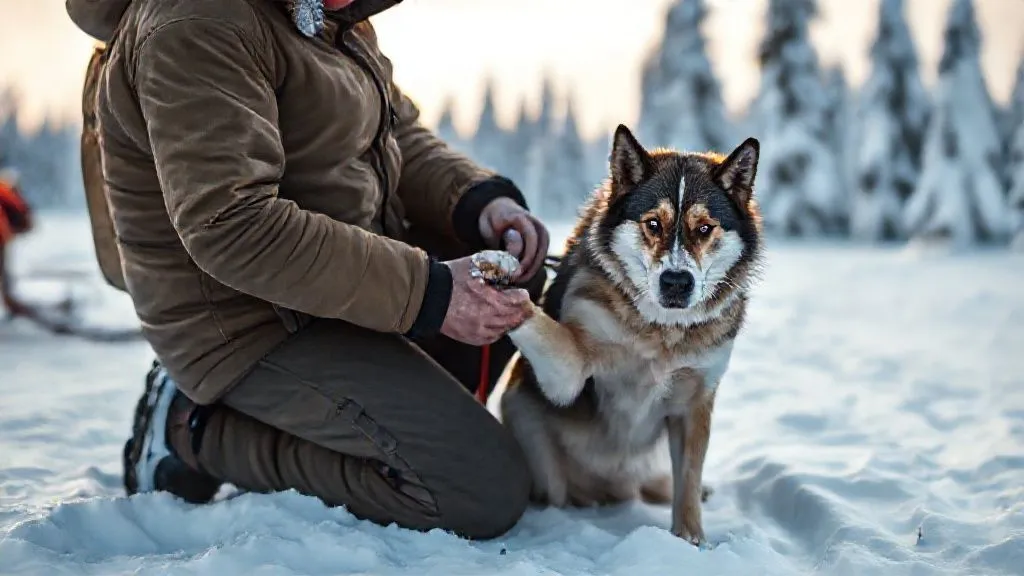
What to do if a key sled dog gets sick mid-expedition?
For over three decades in the unforgiving, yet utterly magnificent, world of winter expedition dog sledding, I've witnessed the profound bond between musher and dog. There's an unspoken trust, a shared understanding forged in blizzards and across frozen landscapes. But what happens when that trust is tested by the unexpected? What if a key sled dog, a vital member of your team, suddenly falls ill far from any sign of civilization?
It's a scenario every musher dreads, a chilling thought that can turn a triumphant journey into a desperate struggle. The stakes are incredibly high; the health of your dog, the safety of your entire team, and the success of your expedition hang precariously in the balance. The wilderness offers no second chances, and indecision can be a fatal flaw.
In this definitive guide, I'll draw upon years of hard-won experience to provide you with a comprehensive, actionable framework for managing a canine health crisis mid-expedition. We'll cover everything from immediate assessment and field stabilization to strategic decision-making, team adjustments, and crucial evacuation protocols, ensuring you're equipped to handle the gravest challenge: what to do if a key sled dog gets sick mid-expedition?
Immediate Assessment: The First Critical Steps
When a dog shows the first signs of distress, panic is the enemy. Your immediate, calm assessment is the most critical tool you possess. This isn't just about identifying symptoms; it's about understanding the context, the environment, and the dog's individual history.
Recognizing Early Warning Signs
Sled dogs are masters of stoicism. They'll often try to hide discomfort, a survival instinct honed over millennia. As a musher, your job is to be intimately attuned to their baseline behavior. Subtle changes are your earliest indicators.
- Changes in Gait: A slight limp, an uneven stride, or reluctance to put weight on a paw.
- Behavioral Shifts: Unusual lethargy, irritability, loss of appetite, or excessive panting when not exerting.
- Physical Manifestations: Vomiting, diarrhea, coughing, nasal discharge, unusual lumps, or changes in coat condition.
- Vocalization: Whimpering, yelping, or unusual silence.
I've seen mushers miss these early cues, only to face a much more severe situation hours later. Trust your gut; if something feels off, investigate immediately.
The On-Site Examination Protocol
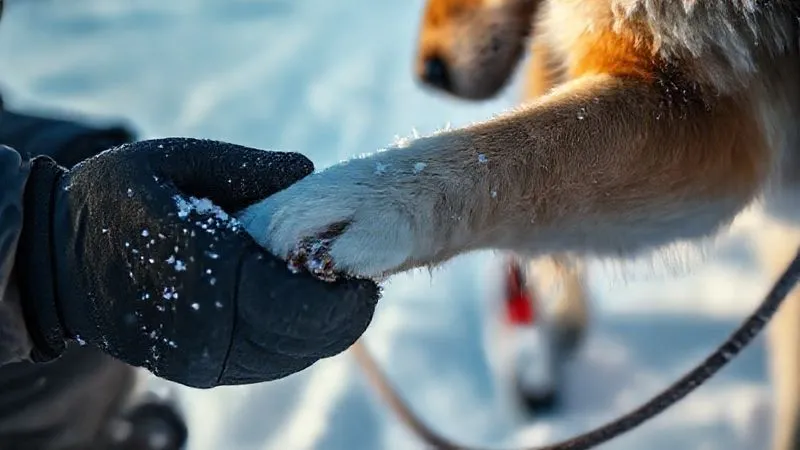
Once you suspect a problem, stop the team. Get the dog out of harness and into a secure, calm spot. Your examination should be systematic and thorough, even in challenging conditions.
- Observe from a Distance: Before touching, watch their posture, breathing, and general demeanor. Are they favoring a limb? Is their breathing shallow or labored?
- Head-to-Tail Palpation: Gently run your hands over their entire body. Feel for swelling, heat, pain response, or unusual lumps. Pay close attention to joints, muscles, and the abdomen.
- Check Vital Signs:
- Temperature: Use a rectal thermometer (normal: 100-102.5°F or 37.8-39.2°C).
- Heart Rate: Feel the pulse on the inner thigh (normal: 60-120 bpm at rest).
- Respiration Rate: Count breaths per minute (normal: 10-30 bpm at rest).
- Capillary Refill Time (CRT): Press on the gums until they blanch, then release. Color should return within 2 seconds.
- Assess Hydration: Pinch a fold of skin on their neck. It should snap back quickly. Check gums for moisture.
- Examine Mouth, Eyes, Ears, and Nose: Look for discharge, inflammation, pale gums, or unusual odors.
“The wilderness demands a keen eye and a steady hand. Your ability to calmly and systematically assess a sick dog in the field is often the first, and most crucial, step in their recovery.”
Emergency First Aid & Stabilization in the Field
Once you've assessed the situation, immediate intervention may be necessary. Your sled dog first aid kit isn't just a collection of supplies; it's a lifeline. Knowing its contents intimately and how to use them is paramount.
Essential Sled Dog First Aid Kit Contents
A well-stocked kit is tailored to the specific challenges of winter expeditions. It's not just band-aids; it's about addressing cold-related injuries, gastrointestinal issues, and potential trauma.
| Category | Items |
|---|---|
| Wound Care | Antiseptic wipes (e.g., Betadine), Sterile gauze pads, Vet wrap, Medical tape, Non-stick pads, Scissors, Tweezers |
| Medications (Prescription/OTC) | Pain relief (e.g., Carprofen - vet prescribed), Anti-diarrheal (e.g., Metronidazole - vet prescribed), Antibiotics (vet prescribed), Anti-inflammatories, Glucose paste/honey (for low blood sugar), Oral rehydration salts |
| Diagnostic/Tools | Rectal thermometer, Stethoscope, Headlamp, Penlight, Latex gloves, Muzzle |
| Supportive Care | Emergency dog booties, Heat pack (chemical or re-usable), Space blanket, Extra insulating pad, Syringe (without needle) for oral meds/fluids |
Always consult with your veterinarian before an expedition to ensure your kit contains appropriate prescription medications and you understand their dosages and indications. This builds **Trust** and **Authority** in your preparations.
Administering Basic Care
Stabilization often involves addressing the most immediate threat. This could be pain, hypothermia, dehydration, or an injury.
- Pain Management: If appropriate and prescribed, administer pain relief. A dog in pain won't recover as quickly.
- Temperature Regulation: For hypothermia, get the dog into a warm sleeping bag or emergency shelter. Apply heat packs to the chest and abdomen. For hyperthermia (less common in winter, but possible with extreme exertion), cool with snow on paw pads and groin, but avoid over-cooling.
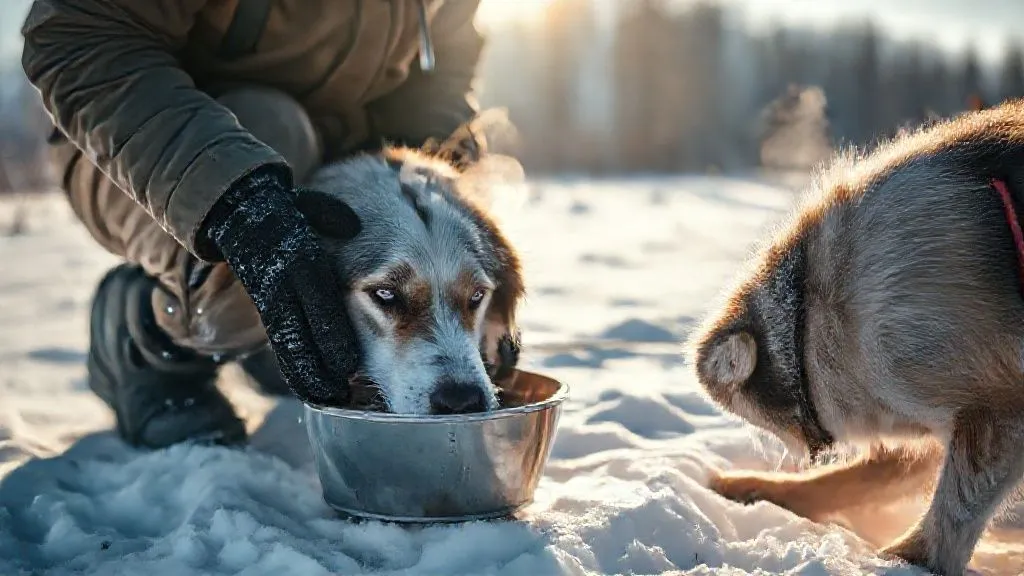
- Hydration & Nutrition: Offer warm, palatable fluids (broth, water with electrolytes). If the dog won't eat, glucose paste can provide a temporary energy boost.
- Wound Care: Clean any wounds thoroughly with antiseptic, apply appropriate dressings, and secure with vet wrap. Monitor for infection.
- Gastrointestinal Upset: If vomiting or diarrhea, withhold food for 12-24 hours but ensure constant access to fluids. Administer anti-diarrheals if prescribed.
Strategic Decision-Making: To Push On, Turn Back, or Seek Aid?
This is arguably the most challenging aspect of managing a sick dog mid-expedition. The decision is rarely clear-cut and carries immense weight. It requires a cold, hard assessment of risk versus reward, and sometimes, a willingness to abandon your original plans.
Factors Influencing Your Decision
- Severity of Illness/Injury: Is it life-threatening? Can it worsen rapidly?
- Location & Distance: How far are you from help, a road, or a turn-around point? What is the terrain like?
- Weather & Forecast: Is a storm approaching that would make travel or rescue impossible?
- Team Morale & Resources: How will this impact the rest of your team? Do you have enough food, fuel, and supplies for an extended stay or a slower return?
- Dog's Prognosis: Based on your assessment, what are the chances of recovery with field care versus professional intervention?
In my experience, prioritizing the dog's well-being over expedition goals is always the correct decision. As the AKC often emphasizes, a musher's responsibility extends beyond just winning races; it's about the welfare of your canine athletes.
Communication Protocols (Satellite Phone, SPOT Device)
Modern technology has revolutionized remote travel safety. Never embark on an expedition without reliable communication devices.
- Satellite Phone: Essential for two-way communication with support teams, veterinarians, or emergency services.
- SPOT/InReach Device: For tracking your location and sending pre-programmed messages or SOS signals.
- Emergency Plan: Have a clear plan established with your support crew before you leave. Who do you call? What information do they need?
Case Study: Musher Lena's Dilemma
Musher Lena was on day five of a two-week solo traverse through the Alaskan interior when her lead dog, a powerful male named Koda, began showing signs of severe lethargy and abdominal pain. Her initial assessment revealed a fever and guarded abdomen, suggesting a serious internal issue. She was 150 miles from the nearest roadhouse and a bush plane landing strip. The weather was holding, but a major storm was forecast in 48 hours.
Lena, having meticulously planned for emergencies, immediately activated her InReach's SOS function, providing her coordinates and a brief description of Koda's condition. Simultaneously, she used her satellite phone to contact her pre-arranged emergency contact, who then alerted a local bush pilot and a veterinarian. She made the difficult decision to stop and set up a secure camp, focusing all her efforts on stabilizing Koda and preparing for a potential air evacuation. Within 18 hours, a bush plane landed nearby, and Koda was airlifted to veterinary care, where he was successfully treated for a severe gastrointestinal infection. Lena's swift action, preparedness, and willingness to sacrifice her expedition saved Koda's life.
The Role of Team Dynamics: Redistributing Load and Leadership
A key sled dog, especially a lead dog, is not just another cog in the machine; they're the engine, the navigator, and often, the heart of the team. Their absence creates a void that must be strategically managed.
Identifying Potential Replacements
Ideally, you've trained your team with redundancy in mind. Who are your swing dogs? Who else has leadership potential? This is where cross-training pays off.
- Swing Dogs: These are typically the most versatile dogs, capable of running in various positions, including lead.
- Experienced Wheel Dogs: Strong, steady dogs in the back can sometimes step up to mid-pack roles, allowing other dogs to shift forward.
- Temperament: Look for dogs that are calm under pressure, intelligent, and responsive to your commands, even if they haven't been in a lead position before.
Adjusting the Harness and Pace
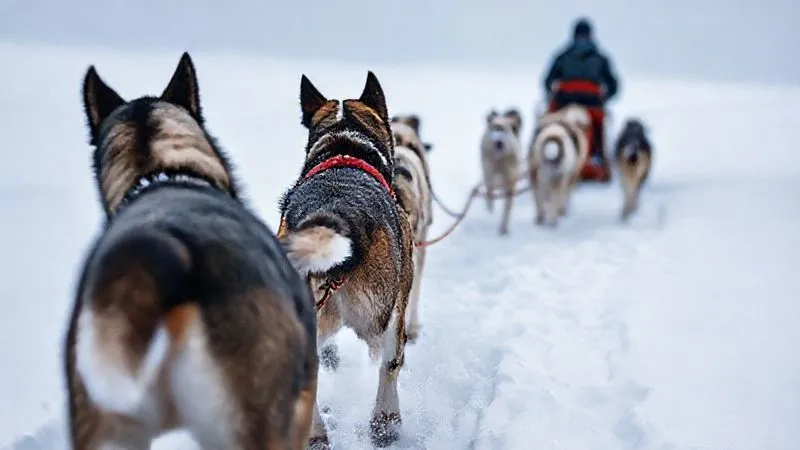
When you remove a dog, especially a strong one, the dynamics of the team change significantly. You must adjust to prevent injury or exhaustion in the remaining dogs.
- Re-harnessing: Ensure harnesses fit correctly and distribute weight evenly among the remaining dogs. A poorly fitted harness can cause chafing or injury.
- Reducing Load: If possible, offload non-essential gear onto a separate pulk or cache it for later retrieval. Every pound counts.
- Slowing Pace: You cannot expect the same speed or endurance from a reduced team. Slow down, take more frequent breaks, and monitor each dog closely for signs of fatigue.
- Increased Verbal Commands: Your remaining lead dog(s) may need more vocal encouragement and direction to maintain their focus and confidence.
“A musher's true strength isn't just in driving the team forward, but in understanding its limits and adapting when the unexpected strikes. Your ability to reconfigure and motivate your dogs is paramount.”
Shelter, Hydration, and Nutrition for a Sick Dog
Once immediate first aid is administered and strategic decisions are made, ongoing supportive care is crucial for recovery, especially if you're awaiting evacuation or making a slow return. The focus shifts to providing comfort and essential resources.
Creating a Warm, Protected Space
A sick dog, particularly in cold environments, is highly susceptible to hypothermia and further stress. Providing a secure, warm, and dry space is non-negotiable.
- Insulated Bedding: Use extra pads, straw, or even your own sleeping bag if necessary, to create a thick, insulating layer off the snow.
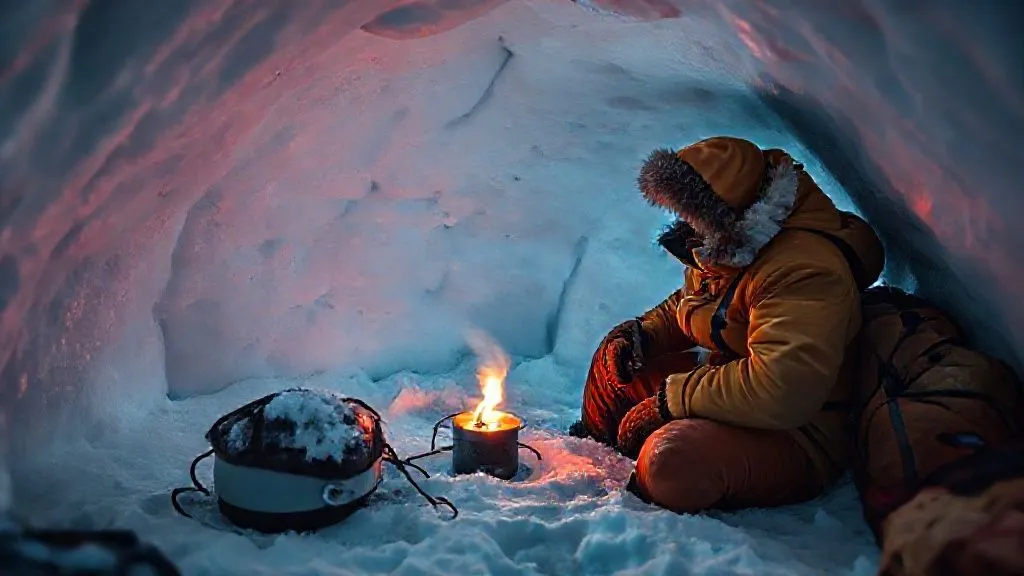
- Shelter: A small tent, a snow cave, or even a tarp strung between trees can provide crucial protection from wind and precipitation.
- Heat Source: If you have chemical heat packs, place them in a cloth around the dog's chest or abdomen, ensuring they are not directly on the skin to prevent burns. A musher's stove can also provide ambient warmth in a tent.
Ensuring the dog is comfortable and able to rest undisturbed will greatly aid their recovery. For more on cold weather canine care, resources like those from Washington State University's College of Veterinary Medicine offer excellent insights.
Specialized Hydration and Feeding
A sick dog often loses appetite and can quickly become dehydrated. Maintaining fluid and nutrient intake is vital.
- Warm, Frequent Fluids: Offer small amounts of warm water, broth, or electrolyte solution frequently. If the dog won't drink, you may need to administer fluids via a syringe without a needle, slowly and carefully into their cheek pouch.
- Bland, Easily Digestible Food: If the dog shows interest in eating, offer small portions of bland, high-calorie food. Cooked rice with boiled chicken or a high-quality canned recovery diet (if you carry it) can be good options.
- Avoid Force-Feeding: Never force a sick dog to eat, as this can cause aspiration or further distress. Focus on hydration first.
Evacuation Protocols: When Professional Help is Needed
There are times when even the most expert field care isn't enough. Recognizing when to call for professional evacuation is a critical skill, and having a plan in place can mean the difference between life and death.
Signalling for Help and Establishing Contact
As discussed, your satellite communication devices are key. Once you've made the call, be prepared to provide precise information.
- Exact Coordinates: Share your GPS location with your emergency contact or rescue services.
- Detailed Condition Report: Provide a clear, concise summary of the dog's symptoms, vital signs, and any treatments administered.
- Environmental Conditions: Report current weather, terrain, and potential landing zones for aircraft.
- Your Needs: Clearly state what kind of assistance you require (e.g., medical evacuation, supply drop, full team extraction).

Preparing for Transport
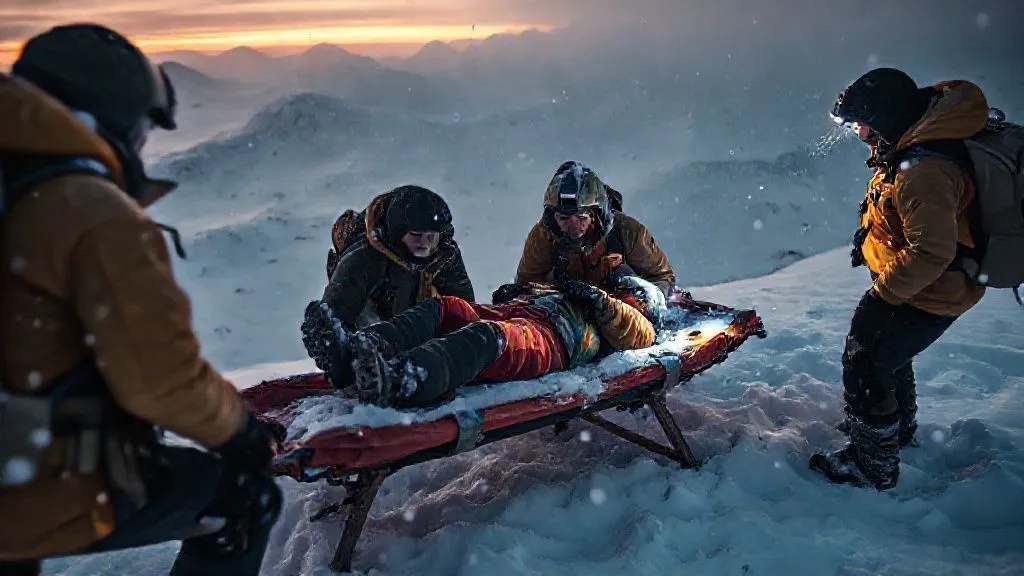
Whether by air, snowmobile, or even a slower pull out, preparing the sick dog for transport minimizes further stress and potential injury.
| Task | Details |
|---|---|
| Secure the Dog | Gently place the dog in a secure, comfortable, and insulated carrier or a designated spot on the sled. Use restraints if necessary to prevent movement, but ensure it's not restrictive. |
| Insulate and Protect | Wrap the dog in blankets, a sleeping bag, or a space blanket to maintain body temperature. Shield from wind and cold during transport. |
| Administer Last-Minute Care | Offer a final drink of water or electrolytes. Administer any necessary medications before the journey, especially if it's a long one. |
| Prepare Documentation | Have a written summary of the dog's condition, history, and treatments ready for the incoming veterinary or rescue personnel. |
If you're awaiting air rescue, mark a clear landing zone. Stomp out a large 'X' in the snow, or use brightly colored tarps. Clear any obstacles and ensure it's a safe approach for the aircraft. Safety for everyone involved is paramount, as highlighted by wilderness medicine experts like NOLS.
Post-Expedition Care and Prevention
The journey doesn't end when the sick dog is safely delivered to veterinary care. The aftermath is equally important for their full recovery and for learning valuable lessons.
Veterinary Follow-Up and Rehabilitation
Once under professional care, ensure you communicate fully with the veterinarian. Provide all details of the dog's symptoms, your field assessments, and any treatments given. Follow their instructions meticulously for recovery.
- Rehabilitation: Depending on the illness or injury, the dog may require a period of rest, specialized diet, medication, or even physical therapy.
- Emotional Support: A sick dog, especially after a traumatic event, needs extra comfort and reassurance. Your presence and calm demeanor are crucial.
Learning from the Incident: Future Preparedness
Every challenge in the wilderness is an opportunity to learn and refine your skills. Reflect on the incident objectively.
- Debrief: Review your actions. What went well? What could have been done better?
- Kit Review: Was your first aid kit adequate? Did you have all necessary medications and supplies?
- Training Gaps: Were there any areas where your knowledge or skills were lacking? Consider further wilderness first aid courses for canines.
- Team Dynamics: How did the rest of your team cope? Are there other dogs that need more training for leadership roles?
“Prevention is always better than cure. Meticulous preparation, continuous training, and an unwavering commitment to your dogs' health are the cornerstones of successful and safe mushing.”
A deep understanding of sled dog health and preventative measures, such as those discussed by veterinary journals on sled dog medicine, is invaluable. This is how you ensure that the next time you ask what to do if a key sled dog gets sick mid-expedition?, you answer with confidence and competence.
Frequently Asked Questions (FAQ)
Question? How can I differentiate between simple fatigue and the onset of a serious illness in a sled dog?
Detailed answer: This is a critical distinction. Simple fatigue usually resolves with rest, hydration, and a meal. A fatigued dog might be slower but will generally still have bright eyes and respond to encouragement. The onset of serious illness, however, often involves persistent lethargy, changes in vital signs (fever, elevated heart rate), unusual pain responses, or gastrointestinal distress that doesn't improve quickly. Look for a combination of symptoms rather than just one. A dog that refuses food or water, or shows signs of labored breathing, is likely more than just tired. Trust your knowledge of your individual dogs' normal behavior.
Question? What are the most common illnesses or injuries I should be prepared for in a sled dog mid-expedition?
Detailed answer: In winter expeditions, common issues include gastrointestinal upset (diarrhea, vomiting from stress or diet change), muscle strains or sprains (especially in shoulders, wrists, or hocks), pad injuries (cuts, abrasions, frostbite), respiratory infections (kennel cough), and, less commonly but more severely, conditions like bloat (gastric dilatation-volvulus) or internal injuries from falls. Hypothermia is also a constant threat if a dog is injured and unable to move. Your first aid kit should be geared towards these possibilities.
Question? Is it ever advisable to leave a sick dog behind with some supplies if evacuation is impossible, and then return for it?
Detailed answer: This is an incredibly difficult and ethically challenging scenario, and in almost all cases, the answer is no. Leaving a sick or injured dog alone in the wilderness, especially in extreme winter conditions, is incredibly risky and goes against the core principles of mushing responsibility. The chances of survival are minimal, and it exposes the dog to predators, further environmental damage, and prolonged suffering. Your primary responsibility is the welfare of your dogs. If evacuation for the dog is truly impossible, your focus must shift to providing the best possible care on site, even if it means altering or abandoning your entire expedition to stay with the dog until conditions allow for safe transport or, in the absolute worst-case scenario, providing compassionate end-of-life care if no other option exists. This is a decision that should only be considered with extreme gravity and often with remote veterinary consultation.
Question? How can I train my other sled dogs to be more adaptable if a key leader or team member goes down?
Detailed answer: Adaptability is built through consistent, varied training. Don't always run the same lead dogs in the same positions. Cross-train your swing dogs to run lead. Rotate dogs through different positions in the team. Practice running with fewer dogs than usual. Introduce new commands and situations. The more exposure your dogs have to different roles and challenges, the more confident and adaptable they will be when a crisis demands a shift in team dynamics. It's about building a deep bench of capable dogs, not just relying on a few stars.
Question? What role does nutrition play in preventing illness mid-expedition?
Detailed answer: Nutrition is absolutely foundational to preventing illness and maintaining peak performance. High-quality, energy-dense diets specifically formulated for working sled dogs are essential. Ensure dogs are well-hydrated before and during the expedition. A strong immune system, robust energy reserves, and healthy gut flora are all direct results of proper nutrition. Any sudden changes in diet mid-expedition can cause gastrointestinal upset, so stick to a consistent, proven feeding regimen. A well-nourished dog is a resilient dog, better equipped to fend off illness and recover from stress.
Key Takeaways and Final Thoughts
- Preparedness is Paramount: A well-stocked first aid kit, robust communication devices, and a clear emergency plan are non-negotiable.
- Early Detection Saves Lives: Be intimately familiar with your dogs' baseline behavior and act immediately on subtle changes.
- Systematic Assessment: Follow a structured approach to examining a sick dog in the field.
- Prioritize Dog Welfare: The health and safety of your dog always supersede expedition goals.
- Adapt and Overcome: Be ready to adjust team dynamics, pace, and route.
- Seek Professional Help: Don't hesitate to call for evacuation when field care isn't sufficient.
- Learn and Improve: Every incident is a lesson for future preparedness.
The wilderness will always present its challenges, but a prepared, knowledgeable, and compassionate musher can navigate even the most daunting scenarios. Understanding what to do if a key sled dog gets sick mid-expedition? isn't just about a checklist; it's about embodying the deep responsibility and love we have for our canine partners. Stay vigilant, stay prepared, and always put the well-being of your incredible sled dogs first. Their trust in you is absolute; honor it.
Recommended Reading
- 7 Ways to Reclaim Your Solo Trip: Banish Work Stress Before You Depart
- Mitigate Zip Line Liability: 7 Steps for Corporate Team Events
- Unlock Your Inner Self: How to Plan a Solo Trip for Deep Introspection
- Unlock Your Impact: How to Find Skills-Based Volunteer Programs Easily
- 7 Steps to Vet Accessible Tour Operators for Authentic Disabled Needs

Your email address will not be published. Required fields are marked *