


How to Ethically Vet Eco-Volunteer Projects for Corporate CSR?
For over 15 years in the eco-tourism and volunteer travel space, I've witnessed firsthand the incredible power of well-intentioned corporate social responsibility (CSR) initiatives. I’ve also, unfortunately, seen countless organizations stumble, their noble efforts undermined by a lack of rigorous due diligence, leading to accusations of greenwashing, reputational damage, and – most painfully – a failure to deliver genuine, sustainable impact.
The landscape of corporate giving has evolved dramatically. It's no longer enough to simply write a check or send employees on a feel-good trip. Stakeholders, from employees to consumers and investors, demand transparency, authenticity, and measurable results. The problem arises when companies, eager to engage in eco-volunteerism, lack a robust framework to discern truly impactful projects from those that are merely performative or, worse, exploitative.
This isn't just about avoiding pitfalls; it's about maximizing positive change. In this definitive guide, I will share the critical insights and actionable strategies I’ve developed over my career, outlining a comprehensive 7-step framework on how to ethically vet eco-volunteer projects for corporate CSR. You’ll learn how to identify genuine partners, measure real impact, and build a CSR program that stands as a beacon of integrity and effectiveness.
1. Understanding the 'Why' Behind Your CSR (and Theirs)
Before you even begin looking at projects, the first, and arguably most crucial, step is to look inward. Why is your company engaging in eco-volunteerism? What are your core values, and how do they intersect with environmental stewardship? A clear internal compass will guide every subsequent decision.
Aligning Corporate Values with Project Mission
I've seen companies jump into projects that, while seemingly 'good,' don't resonate with their organizational identity or long-term strategic goals. This misalignment often leads to disengaged employees, lukewarm public reception, and ultimately, an unsustainable program. True ethical vetting starts with a profound understanding of purpose – both yours and the potential partner's.
“Authentic CSR isn't about looking good; it's about doing good, genuinely. Your 'why' must be as clear as the project's mission.”
Consider these internal questions:
- What specific environmental issues are most relevant to our company's operations or industry? For instance, a tech company might focus on e-waste reduction, while a logistics firm might prioritize reforestation for carbon offsetting.
- What skills or resources can our employees genuinely contribute? Beyond manual labor, consider professional skills like marketing, project management, or data analysis.
- What long-term impact do we hope to achieve? Is it reforestation, biodiversity conservation, community empowerment, or a combination?
- How does this initiative align with our broader business objectives and brand identity?
Similarly, scrutinize the potential project's 'why.' Do they have a clearly articulated mission statement? Is it genuinely focused on ecological benefit and community upliftment, or does it lean heavily towards providing a 'volunteer experience' for paying participants?
2. Due Diligence: Beyond the Brochure (The Deep Dive)
Once your internal compass is set, it’s time to move into the nitty-gritty of investigation. This stage is where many companies fall short, relying on glossy websites and enthusiastic pitches rather than robust scrutiny. My experience has taught me that the truth often lies hidden in the details, or lack thereof.
Scrutinizing the Project's Track Record and Governance
This phase is about uncovering the operational realities and ethical backbone of a potential eco-volunteer partner. You need to look beyond surface-level claims and delve into their history, structure, and accountability. This is where you proactively prevent accidental greenwashing.
- Organizational History and Reputation: How long has the organization been operating? What is its public reputation? Look for independent reviews, news articles (both positive and negative), and testimonials that aren't cherry-picked by the organization itself.
- Legal Status and Registration: Is the organization legally registered in its country of operation? Are its permits and licenses up-to-date? This is a fundamental safeguard against illegitimate operations.
- Governance Structure: Who is on their board of directors? Do they have a diverse and independent board? Are there clear lines of accountability? A strong governance structure is a hallmark of an ethically run organization.
- Past Project Successes and Failures: Ask for detailed reports on previous projects. What were the objectives, methodologies, and outcomes? How do they measure success? Crucially, how do they handle failures or unforeseen challenges? Transparency in both successes and lessons learned is a strong indicator of integrity.
- Partnerships and Collaborations: Do they work with local governments, NGOs, or academic institutions? Reputable partnerships can lend significant credibility and demonstrate a commitment to integrated, sustainable solutions.
Remember, a legitimate project will welcome your scrutiny and be eager to provide documentation. Red flags include evasiveness, a lack of verifiable information, or an overemphasis on anecdotal success stories without supporting data.

For deeper insights into the value of rigorous CSR impact assessment, I often recommend exploring resources from reputable institutions. Harvard Business Review frequently publishes on this topic, offering frameworks for strategic CSR that can guide your due diligence. You can find valuable perspectives on corporate social responsibility here.
3. Impact Measurement: Proving Genuine Eco-Contribution
This is where the rubber meets the road. Ethical eco-volunteer projects don't just 'do good'; they demonstrate good through measurable, verifiable impact. Without clear metrics, your CSR efforts risk becoming mere PR exercises.
Defining Tangible Environmental and Social Metrics
I've seen too many companies settle for 'vanity metrics' – the number of trees planted, the number of volunteers – without understanding the true ecological outcome. While these numbers have their place, they are only a part of the story. Genuine impact measurement requires a deeper dive into both environmental and social indicators.
“If you can't measure it, you can't improve it, nor can you truly claim its impact. Focus on outcomes, not just outputs.”
When vetting, demand clarity on:
- Environmental Metrics:
- Biodiversity Increase: How is this measured (e.g., species counts, habitat restoration rates)?
- Carbon Sequestration: Are there estimates based on scientific models for reforestation projects?
- Water Quality Improvement: Specifics on pollutants reduced or water purity levels.
- Waste Diversion/Reduction: Quantifiable data on waste managed or prevented.
- Ecosystem Health Indicators: Soil quality, erosion control, native species reintroduction success.
- Social Metrics (where applicable, as eco-projects often have a community component):
- Community Engagement: Number of local participants, level of decision-making involvement.
- Capacity Building: Training provided, skills transferred to local staff.
- Economic Impact: Local employment created, income generation for communities.
- Health & Education Outcomes: Improved access to clean water, environmental education initiatives.
Ask for the methodology behind their data collection. Is it scientifically sound? Are there independent audits or third-party verifications? A truly ethical project will have robust monitoring and evaluation systems in place.
| Impact Area | Key Metric | Baseline Target | Data Collection Method |
|---|---|---|---|
| Reforestation | Survival Rate of Saplings | 70% after 1 year | Quarterly field audits, GPS tagging |
| Waste Management | Tons of Waste Diverted | 500 tons/year | Daily weigh-ins, facility reports |
| Biodiversity Conservation | Increase in Target Species Population | 10% over 3 years | Annual ecological surveys, camera traps |
| Community Empowerment | Number of Locals Trained | 100 individuals/year | Training registers, post-training assessments |
4. Local Community Engagement and Ethical Labor Practices
An eco-project, however well-intentioned, can cause more harm than good if it neglects the needs and rights of local communities. My years in the field have repeatedly shown that genuine sustainability is inextricably linked to social equity. This is a crucial element of how to ethically vet eco-volunteer projects for corporate CSR.
Ensuring Fair Partnerships and No Exploitation
A significant ethical pitfall in volunteer travel is the potential for projects to inadvertently disempower or exploit local populations. This can manifest in various ways, from taking jobs away from locals to imposing external solutions without community consent.
“'Do no harm' is the first principle of ethical intervention. Ensure your presence genuinely benefits, and doesn't burden, the host community.”
When assessing a project, scrutinize these aspects:
- Community Ownership and Consultation: Were local communities involved in the design and implementation of the project from the outset? Is there an ongoing mechanism for their input and feedback? Avoid projects that parachute in solutions without genuine local buy-in.
- Local Employment and Capacity Building: Does the project prioritize hiring local staff, including for leadership roles? Are volunteers replacing local jobs, or are they supplementing existing efforts and transferring skills? The goal should be to build local capacity, not create dependency.
- Fair Wages and Working Conditions: If the project employs local staff, are they paid fair wages, above the local minimum, and provided with safe working conditions? This extends to any suppliers or contractors the project uses.
- Cultural Sensitivity and Respect: Does the project demonstrate an understanding and respect for local culture, traditions, and customs? Are volunteers adequately briefed on cultural norms and expected to adhere to them?
- Benefit Sharing: How do the tangible benefits of the project (e.g., ecotourism revenue, improved resources) flow back to the local community? Is there a clear, transparent mechanism for this?
Case Study: How TechSolutions Ensured Ethical Local Engagement
TechSolutions, a global software company, sought an eco-volunteer project for their CSR. Instead of simply sending a team to plant trees, they partnered with a local conservation NGO in Costa Rica that had a decade-long track record of community-led reforestation. Before committing, TechSolutions insisted on reviewing the NGO's community engagement protocols, which included regular town hall meetings, a local advisory board, and a transparent fund for community micro-grants derived from project funding. Their volunteers worked alongside local staff, focusing on data collection and mapping (leveraging their tech skills) rather than solely manual labor, ensuring they complemented, not replaced, local efforts. This meticulous vetting led to a highly successful project that not only reforested significant areas but also empowered local families through sustainable livelihoods, earning TechSolutions genuine respect and enhanced brand reputation.

For guidance on ethical labor practices and community engagement in a global context, refer to the United Nations Global Compact's Ten Principles, which provide a universal framework for sustainable and responsible business.
5. Financial Transparency and Resource Allocation
Money talks, and in the world of ethical eco-volunteer projects, how it's managed speaks volumes about an organization's integrity. A lack of financial transparency is a major red flag that I've learned to never ignore.
Following the Money: Where Do Donations Go?
Your company's investment in an eco-volunteer project is a significant commitment, and you have a right – and a responsibility – to ensure those funds are used effectively and ethically. This means digging deep into their financial records, not just accepting a summary statement.
Demand comprehensive answers to these questions:
- Audited Financial Statements: Can they provide independently audited financial statements for the past 3-5 years? This is non-negotiable. These statements should clearly outline income, expenditures, assets, and liabilities.
- Administrative Costs vs. Program Costs: What percentage of their total budget goes towards administrative overhead (salaries, office space, fundraising) versus direct program delivery? While some administrative costs are necessary, an excessively high percentage can indicate inefficiency or misprioritization. A good benchmark for non-profits often aims for 80% or more to program costs.
- Funding Sources: Where does their funding primarily come from? A diverse funding base (grants, individual donors, corporate partners) can indicate stability and broad support. Over-reliance on a single source might present risks.
- Budget Allocation for Your Project: Request a detailed budget breakdown specifically for the project your company would be supporting. This should clearly show how your funds will be allocated across different activities, materials, and personnel.
- Transparency in Volunteer Fees: If volunteers pay a fee, what exactly does that fee cover? Is it clearly itemized? Does a significant portion directly support the project, or is it primarily for volunteer lodging, food, and 'experience' costs?
Ethical organizations understand the need for stringent financial accountability. They will have clear reporting mechanisms and be prepared to openly discuss their financial health. Tools and principles from organizations like Charity Navigator, while primarily for US charities, offer excellent benchmarks for financial accountability and transparency that are universally applicable.
6. Volunteer Experience Design: Ethics in Action
The 'volunteer experience' is a critical component of corporate eco-volunteerism. It's not just about what your employees do, but how they are prepared, supported, and integrated into the project in a way that maximizes their contribution and minimizes any potential negative impact.
Beyond Tourism: Fostering Meaningful and Skill-Based Contributions
I've observed a worrying trend of 'voluntourism' where the focus shifts from genuine community or environmental benefit to providing a comfortable, often superficial, experience for paying volunteers. Ethical vetting demands a deep look into the actual design of the volunteer program.
“A truly ethical volunteer experience empowers, educates, and elevates, both the volunteer and the project, far beyond a mere vacation with purpose.”
Consider these aspects of the volunteer program:
- Pre-Departure Training and Orientation: What kind of preparation do volunteers receive? This should include cultural sensitivity, safety protocols, an understanding of the project's goals, and basic language phrases if applicable. Ethical projects ensure volunteers arrive informed and respectful.
- Skill Matching and Meaningful Tasks: Are volunteers' skills genuinely matched to the needs of the project? Are the tasks assigned meaningful and impactful, or are they purely symbolic? Avoid projects that offer 'busy work' that could be done more efficiently or effectively by locals.
- Supervision and Support: What level of supervision and support will your employees receive on-site? Is there a clear point of contact for questions, concerns, and emergencies?
- Integration with Local Team: How are volunteers integrated with local staff and community members? Is there a focus on collaboration and mutual learning rather than a 'savior' mentality?
- Post-Project Evaluation and Feedback: What mechanisms are in place for volunteers to provide feedback on their experience? How does the project use this feedback to improve?
A well-designed volunteer program is an educational journey, transforming employees into global citizens and advocates for your CSR mission. It should challenge them, equip them, and leave them with a profound sense of having made a tangible difference.
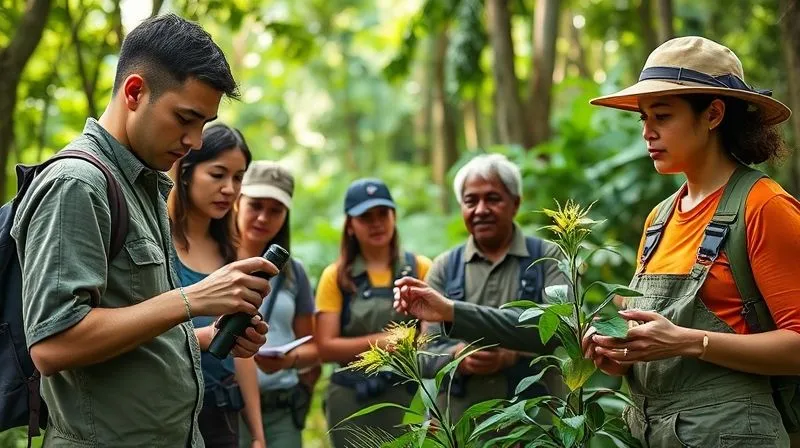
7. Risk Assessment and Safety Protocols
The safety and well-being of your employees are paramount. Engaging in international or remote eco-volunteer projects inherently carries risks, and an ethical partner will have robust systems in place to mitigate these.
Protecting Your Employees and the Project's Integrity
I cannot stress enough the importance of thoroughly scrutinizing a project's risk management strategy. This isn't just about physical safety; it extends to ethical, reputational, and operational risks that could impact your company.
Key areas to investigate:
- Health and Safety Protocols: What are their emergency medical procedures? Do they have access to reliable healthcare? What vaccinations or health precautions are recommended? What are their protocols for accidents, injuries, or illnesses?
- Insurance Coverage: Does the project carry adequate liability insurance? What insurance coverage is required for volunteers (travel, medical, evacuation)? Ensure your company's existing policies align or supplement as needed.
- Political and Security Landscape: Are they operating in a politically stable region? What are their security protocols for volunteers, especially in remote areas? Do they have contingency plans for civil unrest or natural disasters?
- Crisis Management Plan: In the event of a major incident (e.g., natural disaster, serious injury, political unrest), what is their communication and evacuation plan? Who are the key contacts?
- Ethical Risk Mitigation: How do they address potential ethical dilemmas or conflicts that might arise during the project? This includes issues like cultural misunderstandings, local grievances, or resource conflicts.
A responsible organization will have a comprehensive risk assessment in place, regular safety briefings, and clear emergency contact information. They should also be transparent about any inherent risks of the region or activities involved.
| Risk Category | Specific Risk | Mitigation Strategy |
|---|---|---|
| Health & Safety | Tropical Disease Exposure | Pre-departure vaccinations, mosquito nets, purified water, medical insurance, local clinic partnership |
| Security | Petty Crime/Political Instability | Local security briefings, avoid high-risk areas, emergency communication plan, local embassy contact |
| Ethical/Reputational | Cultural Misunderstandings | Mandatory cultural sensitivity training, local liaison, clear communication protocols |
| Environmental | Adverse Weather Events | Weather monitoring, alternative indoor activities, emergency shelter, evacuation routes |
8. Long-Term Sustainability and Exit Strategy
The ultimate measure of an ethical eco-volunteer project isn't just its immediate impact, but its ability to sustain that impact long after your volunteers have left. This requires a clear vision for the future and, crucially, a responsible exit strategy.
Building Lasting Impact, Not Dependency
I've seen projects that thrive only when external volunteers or funding are present, collapsing the moment that support is withdrawn. This creates dependency, undermines local capacity, and is fundamentally unsustainable. A truly ethical project aims for self-sufficiency and lasting change.
“True sustainability isn't just about environmental preservation; it's about building resilient, self-sufficient systems that thrive independently.”
When vetting, ask about:
- Project Longevity and Vision: What is the long-term vision for the project beyond your company's involvement? How will it continue to be funded and managed?
- Local Capacity Building: Are there clear plans to transfer knowledge, skills, and ownership to local staff and communities? This might involve training programs, mentorship, or the establishment of local leadership structures.
- Financial Self-Sufficiency: Does the project have a strategy to become financially independent over time, perhaps through local entrepreneurship, ecotourism revenue, or diversified funding streams?
- Exit Strategy: If your company's involvement is for a defined period, what is the plan for a responsible handover or exit? How will the project ensure continuity of its work?
- Monitoring Post-Engagement: How will the project continue to monitor its impact and adapt its strategies after your direct involvement ends?
Partnering with projects that prioritize long-term sustainability demonstrates a deeper commitment to ethical CSR. It shows that your company isn't just looking for a temporary feel-good story, but for genuine, enduring positive change.

Frequently Asked Questions (FAQ)
Q: What's the biggest risk in not vetting eco-volunteer projects properly for corporate CSR? The biggest risk is reputational damage, followed closely by a waste of corporate resources and, most importantly, a failure to achieve genuine positive impact. Unvetted projects can lead to accusations of greenwashing, employee disillusionment, and even involvement in unethical practices like exploitation or environmental harm, severely undermining your company's credibility and public trust.
Q: How can we avoid greenwashing accusations when engaging in eco-volunteerism? Avoiding greenwashing comes down to authenticity, transparency, and measurable impact. Ensure your project has genuine environmental benefits, not just superficial ones. Be transparent about your vetting process and the project's real challenges and successes. Crucially, focus on demonstrable outcomes, supported by data, rather than just feel-good narratives. Aligning your CSR with your core business values and ensuring local community empowerment are also key.
Q: Is it better to partner with a large international NGO or a smaller local project? Both have merits and drawbacks. Large NGOs often have established infrastructure, experience, and robust reporting, but can sometimes lack local agility or direct community connection. Smaller local projects might offer deeper community integration and direct impact, but may have fewer resources or less developed governance. The 'better' choice depends on your company's specific goals, risk tolerance, and the level of direct engagement you seek. Thorough vetting is essential for both, focusing on the principles outlined in this guide.
Q: How do we measure the ROI of ethical eco-volunteer projects beyond environmental metrics? Measuring ROI extends beyond environmental impact to include employee engagement, brand reputation, talent attraction/retention, and even operational efficiencies. You can measure ROI through employee satisfaction surveys (pre and post-project), media sentiment analysis, brand perception studies, recruitment metrics (e.g., increase in quality applicants), and consumer surveys on brand loyalty. Quantifying these 'soft' metrics can demonstrate the broader business benefits of ethical CSR.
Q: What if a project looks good on paper but isn't in practice? How do we catch that? This is precisely why a multi-faceted vetting approach is vital. Beyond documentation, consider site visits (if feasible), interviews with past volunteers and local community members (independently sourced), and cross-referencing information with local news and watchdog groups. Look for discrepancies between what's presented and what can be independently verified. A project that discourages deep scrutiny or limits access to information is a major red flag. Trust your instincts, but always back them up with verifiable data.
Key Takeaways and Final Thoughts
Navigating the complex world of eco-volunteer projects for corporate CSR demands more than good intentions; it requires a rigorous, ethical framework. As an industry veteran, I've seen the transformative power of genuinely impactful partnerships, and the costly pitfalls of insufficient due diligence. This guide aims to equip you with the knowledge to make informed, ethical choices that benefit your company, your employees, and, most importantly, our planet.
- Prioritize Purpose: Begin by aligning your CSR 'why' with the project's core mission.
- Go Beyond the Surface: Conduct thorough due diligence on track record, governance, and financial transparency.
- Demand Measurable Impact: Insist on clear, verifiable environmental and social metrics.
- Empower, Don't Exploit: Ensure projects genuinely engage and benefit local communities, avoiding dependency.
- Design Ethical Experiences: Craft volunteer programs that offer meaningful contributions and robust preparation.
- Mitigate All Risks: Implement comprehensive health, safety, and ethical risk assessments.
- Focus on Longevity: Partner with projects that have a clear vision for long-term sustainability and local ownership.
The journey to truly ethical eco-volunteerism for corporate CSR is an ongoing commitment to learning, adapting, and holding ourselves and our partners to the highest standards. By embracing this diligent approach, your company can move beyond mere compliance to become a true leader in responsible environmental stewardship, fostering a legacy of positive change that resonates deeply with all stakeholders. Your commitment today shapes a more sustainable tomorrow.
Recommended Reading
- Unlock Your Adventure: How to Prepare for an Immersive Cultural Trip!
- Unraveling India's Culinary Tapestry: How Regional Indian Curries Differ by State
- Your Ultimate Guide: How to Select a Space Tourism Company for Your Journey
- RV Business Travel & Taxes: 7 Critical Implications You Can't Ignore
- Best Time for Caribbean Ocean Cruises? Unveiling the Perfect Season





Your email address will not be published. Required fields are marked *