


What to do when a client develops acute altitude sickness mid-summit push?
For over two decades navigating the world's most challenging peaks, I've witnessed the raw beauty and the brutal unforgiveness of high altitude. There's a moment every seasoned guide dreads: when a client, full of ambition and courage, begins to falter, their body succumbing to the thin air, often mid-summit push. It's a sudden, stark shift from exhilaration to grave concern.
The stakes are incredibly high. Your client's life, your reputation, and the safety of the entire expedition hang in the balance. This isn't just about reaching a peak; it's about making critical, often split-second decisions under immense pressure, with oxygen-deprived brains and dwindling daylight.
In this definitive guide, I'll share the frameworks, emergency protocols, and hard-earned wisdom I've accumulated. We'll explore actionable steps, from immediate recognition to safe descent strategies, ensuring you’re equipped to handle the terrifying reality of acute altitude sickness when it strikes during that crucial mid-summit push.
Understanding the Enemy: Recognizing Acute Altitude Sickness
Before you can act, you must accurately diagnose. Acute Altitude Sickness (AAS) isn't a single condition but a spectrum, ranging from the relatively common Acute Mountain Sickness (AMS) to the life-threatening High Altitude Cerebral Edema (HACE) and High Altitude Pulmonary Edema (HAPE). Early and accurate recognition is your first line of defense.
The Spectrum of AMS, HACE, and HAPE
Acute Mountain Sickness (AMS): This is the most common form, often presenting with symptoms similar to a bad hangover. It’s a warning sign that your client is not acclimatizing well and needs attention.
- Symptoms: Headache (often throbbing), nausea (with or without vomiting), fatigue/weakness, dizziness/lightheadedness, difficulty sleeping.
- Key Indicator: Symptoms usually develop within 6-12 hours of rapid ascent to altitudes above 8,000 feet (2,500 meters).
High Altitude Cerebral Edema (HACE): This is a severe, life-threatening progression of AMS where fluid leaks into the brain, causing swelling. It's a medical emergency that demands immediate descent.
- Symptoms: Exaggerated AMS symptoms, severe headache unresponsive to medication, confusion, ataxia (loss of coordination, inability to walk a straight line heel-to-toe), altered mental status, hallucinations, irrational behavior, stupor, coma.
- Key Indicator: Ataxia is the most telling sign. If they can't walk a straight line, it's HACE until proven otherwise.
High Altitude Pulmonary Edema (HAPE): Another severe, life-threatening condition where fluid accumulates in the lungs. This impairs oxygen exchange and can rapidly lead to respiratory failure.
- Symptoms: Extreme fatigue, shortness of breath at rest (not just on exertion), persistent cough (often producing pink, frothy sputum), chest tightness/congestion, gurgling breath sounds.
- Key Indicator: Shortness of breath at rest, especially if combined with a persistent cough, is a red flag.
In my experience, the biggest mistake guides make is underestimating mild AMS. It’s a slippery slope. Any symptom should be taken seriously, especially during a summit push where the margin for error is razor-thin. Trust your gut, and more importantly, trust the science.

Immediate Action: The Golden Rule of Descent
When a client develops acute altitude sickness mid-summit push, there is one non-negotiable principle: descent is treatment. Everything else is a temporary measure to facilitate that descent. Delaying descent, even for a few hundred feet, can have catastrophic consequences, especially with HACE or HAPE.
- Stop and Assess Immediately: As soon as symptoms are noticed, halt the ascent. Find a safe, sheltered spot if possible. Conduct a thorough assessment of the client's condition, including their mental status, coordination, breathing, and general appearance.
- Communicate Clearly and Calmly: Explain to the client what is happening without causing panic. Reassure them that you have a plan. Involve other team members, assigning roles if necessary, but maintain clear leadership.
- Prepare for Descent: Even if symptoms seem mild, prepare for a descent. This means gathering essential gear, checking ropes, and ensuring the client is adequately dressed and hydrated for the journey down.
- Administer First Aid (If Trained and Equipped): If you have supplemental oxygen or medications like Dexamethasone, and are trained in their use, administer them as appropriate. These are temporary aids, not a substitute for descent.
- Begin Descent: Initiate the descent as soon as safely possible. Even a drop of 1,000-2,000 feet (300-600 meters) can make a significant difference.
Case Study: The Annapurna Descent
I recall a client, let's call him Mark, on a challenging route high on Annapurna III. We were about 1,000 feet from the summit when he started complaining of a persistent, severe headache and became unusually quiet. Initially, I thought it was just fatigue, but then he struggled to put one foot in front of the other, swaying slightly. My gut screamed HACE.
Despite his protests that he just needed a rest, I made the immediate call to descend. We administered a dose of Dexamethasone, and I short-roped him down the initial steep section, moving slowly but deliberately. Every foot of descent brought a subtle improvement. By the time we reached our high camp, 2,500 feet lower, his coordination had markedly improved, and his headache had subsided. Had we pushed on, or even waited an hour, the outcome could have been tragic. This experience solidified my belief: when in doubt, go down.
On-Site Medical Management: What You Can Administer
While descent is the ultimate cure, certain medical interventions can buy crucial time or alleviate symptoms during the descent. As a guide, your role is not to be a doctor, but to be proficient in emergency wilderness medicine, knowing when and how to apply these tools.
Oxygen and Portable Hyperbaric Chambers (Gamow Bag)
Supplemental Oxygen: This is perhaps the most effective immediate treatment for all forms of AAS, as it directly addresses the underlying hypoxia. If you carry a portable oxygen system, administer it immediately.
- Application: Typically 2-4 liters per minute via nasal cannula.
- Benefit: Can rapidly improve symptoms, especially shortness of breath and mental status, making descent easier and safer.
Portable Hyperbaric Chambers (e.g., Gamow Bag): These are invaluable tools when immediate descent is impossible or severely delayed (e.g., due to weather, terrain, or injury). They simulate a rapid descent by increasing ambient pressure around the client.
- Application: The client is placed inside the bag, and it's inflated using a foot pump, typically raising the internal pressure to simulate a descent of 5,000-7,000 feet (1,500-2,100 meters).
- Benefit: Can dramatically improve severe AMS, HACE, and HAPE symptoms, providing a window to stabilize the client and prepare for a safer descent.
| Medication/Tool | Dosage/Use | Purpose | Key Benefit |
|---|---|---|---|
| Oxygen (Supplemental) | 2-4 L/min via nasal cannula | Relieve hypoxia, reduce symptoms | Rapid, temporary relief |
| Gamow Bag (Portable Hyperbaric Chamber) | Inflate to 100-110 mmHg (simulates 5,000-7,000 ft descent) | Mimic descent, buy time | Effective for severe AMS/HACE/HAPE when descent is delayed |
Pharmacological Interventions: Dexamethasone, Nifedipine, Acetazolamide
These medications are powerful tools, but they require careful consideration and training. They are not substitutes for descent but can be life-saving adjuncts.
- Dexamethasone: A potent steroid that reduces brain swelling. It is the drug of choice for HACE and can also be used for severe AMS.
- Nifedipine: A calcium channel blocker used specifically for HAPE. It reduces pulmonary artery pressure, helping to clear fluid from the lungs.
- Acetazolamide (Diamox): Primarily used for prevention and mild AMS. It helps the body acclimatize faster by increasing kidney bicarbonate excretion, acidifying the blood, and stimulating respiration. It's less effective once severe symptoms are present.
Important Note: Always carry these medications and be trained in their administration. Understand their dosages, contraindications, and potential side effects. Never administer medication without proper training or medical consultation if possible. The International Society for Mountain Medicine (ISMM) guidelines are an excellent resource for current recommendations.
Executing a Safe Descent: Logistics and Leadership
Once the decision to descend is made, the execution must be flawless. A chaotic descent can turn one emergency into several. Your leadership and logistical planning are paramount.
Assisted Descent Techniques
Depending on the client's condition and the terrain, you may need to employ various techniques to assist their descent:
- Verbal Encouragement and Support: For mild cases, consistent encouragement and a steady pace might be enough.
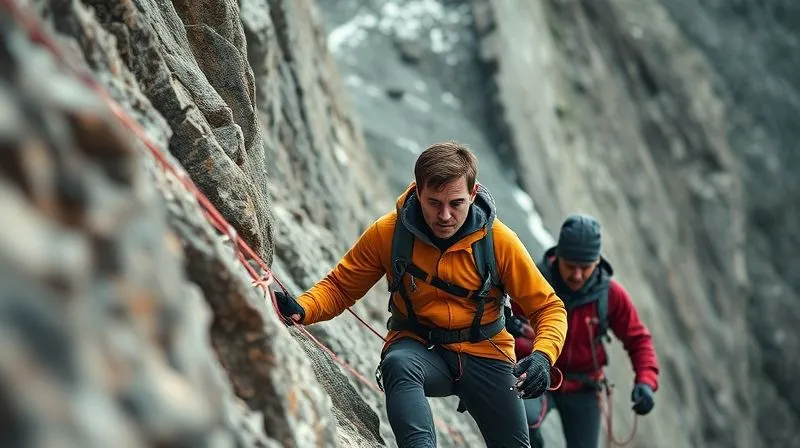
- Short-Roping: If the client is unsteady but still able to walk, short-roping them allows you to control their pace and prevent falls on tricky terrain.
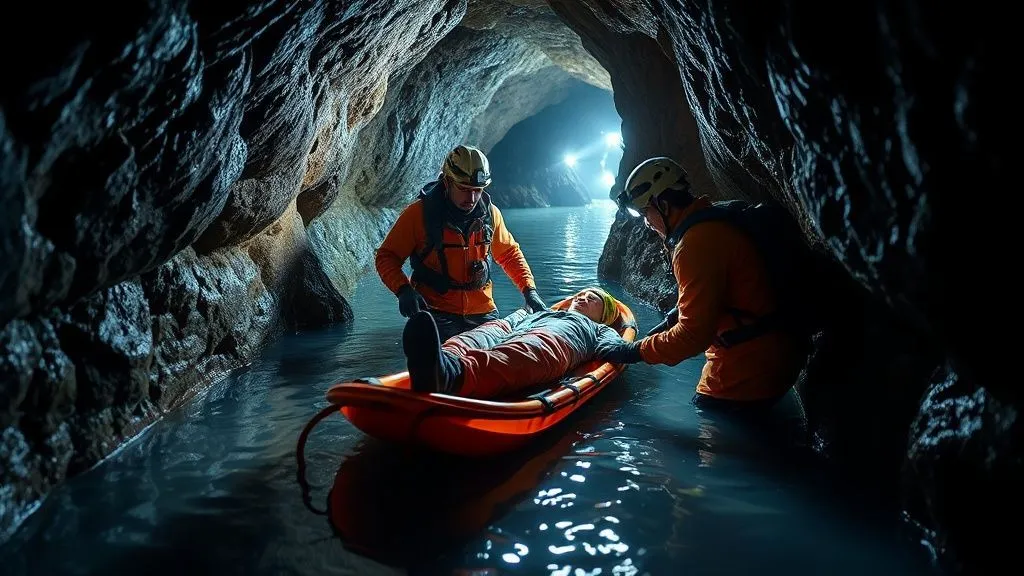
- Full Carry/Stretcher: In severe cases (e.g., HACE with ataxia, HAPE leading to collapse), a full carry or improvised stretcher might be necessary. This often requires multiple team members and is incredibly arduous.
- Rappelling/Lowering: On very steep or technical sections, you may need to set up rappels or lower the client using rope systems, always with proper anchors and belay techniques.
Team Management and Communication
Your team, whether it's other clients or assistant guides, is your greatest asset. Clear communication prevents misunderstandings and ensures everyone is working towards the same goal.
- Delegate Roles: Assign specific tasks: one person to monitor the client, another to manage gear, another to scout the safest route down.
- Maintain Morale: Keep spirits up, both for the affected client and the rest of the team. Panic is contagious and counterproductive.
- Regular Check-ins: Continuously monitor the client's condition, looking for improvements or deteriorations. Also, check in with other team members to assess their fatigue and stress levels.
A calm, decisive leader can turn a crisis into a successful rescue. Your composure is the anchor for your team and the client. Project confidence, even when you're making difficult decisions under pressure.
Post-Descent Care and Evacuation
Reaching a lower altitude is a significant victory, but the job isn't over. Post-descent care and, if necessary, further evacuation are crucial steps in the recovery process.
Monitoring and Further Medical Attention
Once at a safer, lower elevation (ideally below 10,000 feet / 3,000 meters), continue to monitor the client closely. Even if symptoms have improved, they may not be fully resolved. Encourage rest, hydration, and a light diet. If symptoms persist or worsen, or if you suspect HACE/HAPE, immediate further medical attention is required. This might mean transport to a medical facility with more advanced capabilities.
Emergency Evacuation Procedures
In severe cases, especially if the client's condition doesn't improve significantly with descent or if they are unable to descend on their own, an emergency evacuation may be necessary. This often involves calling for a helicopter rescue. Ensure you have:
- Pre-planned Emergency Contacts: Satellite phone or communication device with emergency numbers for local rescue services, expedition doctors, and your outfitter.
- Clear Location Information: Be ready to provide precise GPS coordinates, altitude, and a description of the terrain.
- Landing Zone Preparation: If a helicopter is inbound, prepare a safe landing zone, clearing any loose items and marking it clearly.
Familiarize yourself with local rescue protocols and the capabilities of available services. Resources like the Alpine Club's guidance on altitude sickness often include advice on emergency procedures.
Prevention is Paramount: Training and Acclimatization
The best way to handle acute altitude sickness is to prevent it from happening in the first place. As a guide, your expertise in pre-trip planning and acclimatization strategies is as vital as your emergency response skills.
Pre-Trip Preparation and Client Screening
Thorough screening of clients before the expedition can identify those at higher risk. This includes a comprehensive medical questionnaire and open discussions about past altitude experiences.
- Medical History: Inquire about pre-existing conditions (e.g., heart, lung, neurological), previous altitude sickness episodes, and current medications.
- Fitness Levels: Assess their physical conditioning. While fitness doesn't prevent altitude sickness, it can help manage the physical demands of high-altitude travel.
- Experience: Understand their prior high-altitude exposure and how they reacted.
- Education: Educate clients on symptoms of AMS, HACE, and HAPE, and the importance of reporting any discomfort immediately.
Effective Acclimatization Strategies
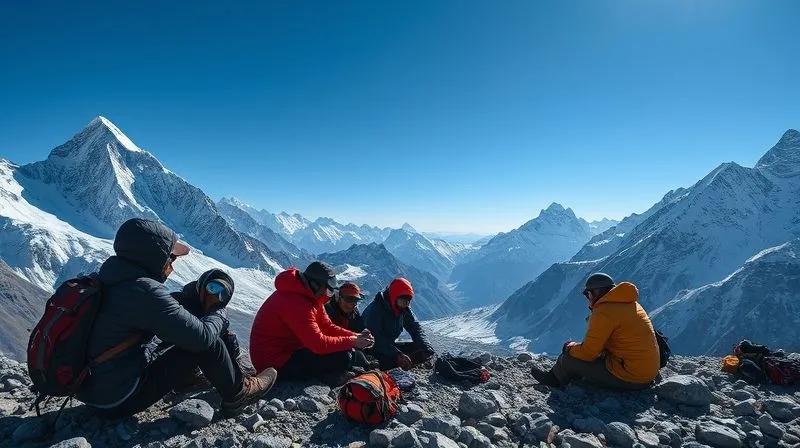
Proper acclimatization is the cornerstone of safe high-altitude mountaineering.
- Gradual Ascent: The most critical rule. Avoid rapid ascents, especially above 8,000 feet (2,500 meters).
- "Climb High, Sleep Low": A classic strategy where you ascend to a higher altitude during the day for activity but return to a lower camp for sleep.
- Rest Days: Incorporate rest days into your itinerary, especially after significant altitude gains.
- Hydration and Nutrition: Encourage clients to drink plenty of fluids (non-alcoholic) and maintain adequate caloric intake.
- Acetazolamide (Diamox) for Prevention: Consider prophylactic use of Acetazolamide for clients with a history of AMS or those on rapid ascents, under medical guidance.
The CDC provides comprehensive guidelines on altitude sickness prevention, which I regularly consult and share with my clients.
Legal and Ethical Responsibilities of a Mountain Guide
As a mountain guide, you hold a position of immense trust and responsibility. Your legal and ethical obligations are profound, particularly when a client's health is at risk.
You have a duty of care to your clients, meaning you must act reasonably and prudently to ensure their safety. This includes pre-trip screening, proper acclimatization planning, carrying appropriate medical supplies, having wilderness first aid training, and making sound decisions in emergencies. Informed consent is also vital; clients should understand the risks involved in high-altitude mountaineering.
The ethical dilemma of a summit push versus client safety is a test of character. A true professional prioritizes human life above all else, even if it means turning around within sight of the summit. The mountain will always be there, but a client's life is irreplaceable.
Documenting your actions, communications, and the client's condition throughout an incident is also crucial for legal protection and future learning. It creates a clear record of your adherence to best practices.
Frequently Asked Questions (FAQ)
Question? How quickly can altitude sickness symptoms escalate from mild to severe?
Answer: Symptoms can escalate surprisingly rapidly, especially with HACE or HAPE. Mild AMS can progress to HACE within hours, particularly during continued ascent or if symptoms are ignored. HAPE can develop even more quickly, sometimes within minutes of exertion, leading to severe respiratory distress. This rapid progression is why immediate descent is paramount for any worsening symptoms.
Question? Can a client continue the summit push if they only have mild AMS symptoms?
Answer: No. This is a critical error. While mild AMS might seem manageable, continuing to ascend will almost certainly worsen the condition and significantly increase the risk of progression to HACE or HAPE. The golden rule is: if you have AMS, do not ascend further. Rest at the current altitude or, preferably, descend. A summit push should only be attempted when a client is fully asymptomatic and well-acclimatized.
Question? What if descent is impossible due to extreme weather, terrain, or another emergency?
Answer: This is the nightmare scenario. If immediate descent is truly impossible, your focus shifts to maximizing temporary measures. This includes administering supplemental oxygen, utilizing a portable hyperbaric chamber (Gamow Bag) if available, and administering appropriate medications (Dexamethasone for HACE/severe AMS, Nifedipine for HAPE) while simultaneously calling for external rescue (e.g., helicopter evacuation). Shelter, warmth, and maintaining morale become critical until rescue or a window for descent appears.
Question? What's the key difference between AMS, HACE, and HAPE in terms of urgency and treatment?
Answer: AMS is the mildest, a warning signal. Treatment is rest, hydration, and no further ascent, often improving with a slight descent. HACE (brain swelling) and HAPE (lung fluid) are life-threatening medical emergencies. HACE is characterized by neurological symptoms like ataxia and altered mental status, while HAPE presents with severe shortness of breath at rest and a persistent cough. Both HACE and HAPE demand immediate, rapid descent as the primary treatment, supplemented with oxygen and specific medications (Dexamethasone for HACE, Nifedipine for HAPE) to stabilize the client during evacuation.
Question? Are there any natural remedies or alternative treatments for altitude sickness that a guide should be aware of?
Answer: While some traditional remedies or herbal supplements (like Ginkgo Biloba) are sometimes discussed for altitude sickness, their efficacy is not scientifically proven for prevention or treatment, especially for acute cases. As a professional guide, I strongly advise against relying on unproven natural remedies. Stick to established medical protocols: proper acclimatization, hydration, and medically proven medications (Acetazolamide for prevention/mild AMS, Dexamethasone/Nifedipine for severe forms), combined with the critical intervention of descent. Time is of the essence, and relying on unproven methods can have dangerous consequences.
Key Takeaways and Final Thoughts
Navigating the complexities of acute altitude sickness mid-summit push is arguably one of the most demanding challenges a mountain guide faces. It's a test of your knowledge, your leadership, and your ability to make tough calls under pressure. Remember these critical points:
- Recognize Early: Be vigilant for even subtle signs of AMS, HACE, and HAPE.
- Descend Immediately: This is the most effective and often the only definitive treatment.
- Utilize Medical Tools: Oxygen, Gamow bags, and prescribed medications are crucial temporary aids.
- Lead with Confidence: Your calm and decisive leadership is vital for team safety and client morale.
- Prioritize Prevention: Thorough client screening and meticulous acclimatization schedules are your best defense.
- Document Everything: Maintain a record of symptoms, actions, and communications.
The mountains teach us humility, resilience, and the profound value of life. While the summit may be a goal, the safe return of your client is your ultimate success. Equip yourself with knowledge, train rigorously, and always, always prioritize the well-being of those you lead. Be prepared, be decisive, and trust your training – it could save a life.
Recommended Reading
- 7 Smart Ways to Budget Multi-Generational Family Cruises Without Overspending
- 7 Proven Cruise Activities to Combat Executive Burnout Effectively
- 5 Critical Steps: Mitigating Professional Liability in Unsound Urban Ruins
- Bungee Cord Failure: 7 Legal Hurdles After a Near-Fatal Accident
- Is a Luxury All-Inclusive Beach Resort Truly Worth the Price? The Ultimate Guide

Your email address will not be published. Required fields are marked *