


How to Mitigate Professional Liability Exploring Structurally Unsound City Ruins?
For over 15 years, navigating the captivating, often perilous world of urban exploration, I've witnessed firsthand the allure of forgotten spaces – the skeletal remains of industrial giants, the hushed grandeur of abandoned mansions, the silent stories etched into decaying city infrastructure. This niche, while rich in discovery and photographic opportunity, also harbors significant, often underestimated, professional risks. Many aspiring explorers and even seasoned professionals dive headfirst into these environments, armed with cameras and curiosity, but critically underprepared for the legal and safety quagmires that can arise.
The inherent danger lies not just in a collapsing floorboard or a hidden pit, but in the intricate web of legal liabilities that can ensnare you or your team. Exploring structurally unsound city ruins without proper protocols isn't just physically risky; it’s a professional gamble that can lead to devastating financial, reputational, and even criminal consequences. The pain point is clear: how do you pursue your passion or profession in these intriguing spaces while safeguarding against the formidable specter of professional liability?
This comprehensive guide will equip you with a robust, five-phase framework designed to answer precisely that question. We will delve into actionable strategies, from meticulous pre-exploration due diligence and comprehensive risk management to securing the right legal safeguards and mastering documentation. By the end, you'll possess the expert insights and practical tools necessary to confidently mitigate professional liability exploring structurally unsound city ruins, transforming potential hazards into managed risks.
Understanding the Inherent Risks of Urban Decay
Before we can mitigate, we must first profoundly understand the nature of the beast. Urban ruins, by their very definition, are environments in various stages of decay, presenting a multifaceted array of hazards that go far beyond mere aesthetics. These risks are not static; they evolve with weather, time, and human interaction, making every exploration a dynamic challenge.
The primary categories of risks include:
- Structural Instability: Collapsing floors, roofs, walls, staircases, and foundations are perhaps the most obvious and immediate threats. Water ingress, rot, pest infestation, and material fatigue can compromise structural integrity without visible warning.
- Environmental Hazards: Asbestos, lead paint, mold, toxic chemicals, stagnant water, and biological waste are common in abandoned industrial or residential sites. Exposure can lead to severe, long-term health issues.
- Physical Traps: Unmarked pits, open elevator shafts, broken glass, exposed rebar, sharp debris, and unstable footing are ubiquitous. Darkness often conceals these dangers.
- Human-Related Risks: The presence of squatters, vandals, or other unauthorized individuals can lead to confrontations or unexpected dangers. Drug paraphernalia is also a common find.
- Legal & Liability Risks: Trespassing charges, injury claims from team members or third parties, property damage claims, and environmental contamination lawsuits are all potential legal pitfalls that can arise from inadequate preparation.
Legal Frameworks & Duty of Care
In almost every jurisdiction, property owners have a duty of care to ensure the safety of their premises, even if abandoned. However, as an urban explorer or professional documentarian, you also assume a significant duty of care, particularly towards your team members or any individuals you bring onto the site. This duty extends to understanding and adhering to local trespassing laws, health and safety regulations, and environmental protection acts. Ignorance of the law is rarely a viable defense.
It's crucial to research the specific legal nuances of the location you intend to explore. For instance, some countries have specific laws regarding abandoned historical sites or industrial brownfields that carry different implications than a derelict residential building. Understanding these frameworks is the bedrock upon which all mitigation strategies are built. A good starting point is often the local government or historical preservation society websites to understand general regulations. For more in-depth legal understanding, consulting a legal professional specializing in property law or environmental law is advisable, especially for complex sites. The American Bar Association's Section of Real Property, Trust and Estate Law can be a valuable resource for understanding property rights and liabilities in the US context.
Phase 1: Proactive Due Diligence and Site Assessment
The first, and arguably most critical, phase in mitigating professional liability is rigorous due diligence. This isn't just about glancing at a map; it's about becoming an armchair detective, gathering every scrap of information before even considering setting foot on a site. A thorough pre-exploration assessment can flag insurmountable risks, saving you from legal headaches and physical harm.
Pre-Exploration Research & Permitting
Before any physical reconnaissance, immerse yourself in research. This includes:
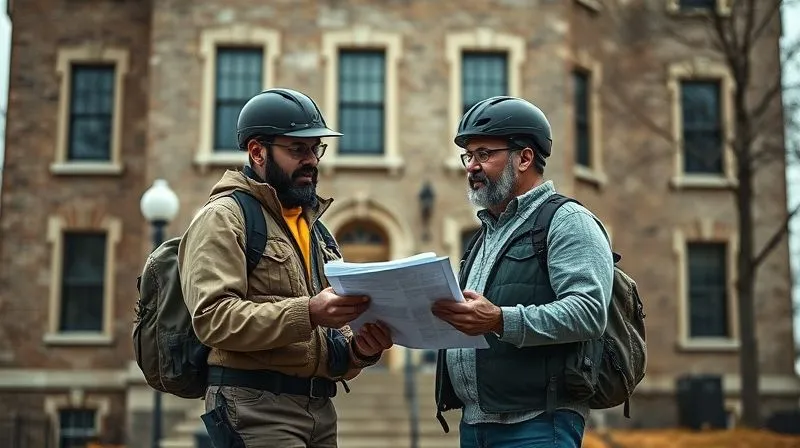
- Ownership Identification: Use public records (county assessor's office, land registries) to identify the current legal owner of the property. This is paramount for seeking permission.
- Historical Context & Use: Understand the building's former purpose. Was it a factory, a hospital, a residential home? This provides clues about potential environmental hazards (e.g., chemicals, asbestos).
- Public Records Review: Check for any past incidents, fires, structural reports, or environmental violations associated with the property. Local fire department records or environmental agency reports can be invaluable.
- Local Ordinances & Permits: Research local laws regarding abandoned properties, trespassing, and any permits required for photography, filming, or even mere entry. Some municipalities have specific 'no-entry' orders for certain dangerous structures.
- Permission Acquisition: Whenever possible, obtain explicit, written permission from the property owner. This is your strongest shield against trespassing charges and can significantly reduce liability. This often requires clear communication about your intentions, safety protocols, and insurance.
"Permission isn't just a courtesy; it's a critical legal shield. Without it, you're always operating on shaky ground, regardless of your intentions or safety measures."
Structural Integrity Evaluation
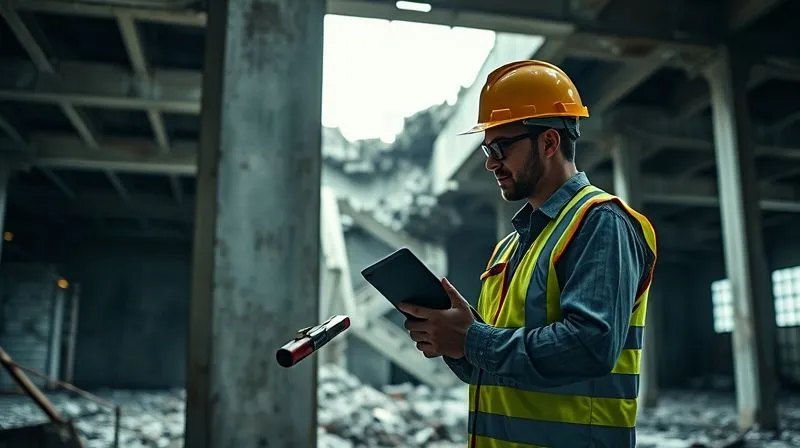
Once you've done your background research, a preliminary structural assessment is crucial. This can often be done remotely through satellite imagery (Google Earth historical views can show changes over time), local news reports, or even forum discussions from other explorers (though always verify such information). Look for obvious signs of severe decay:
- Significant Roof Collapse: A compromised roof leads to rapid interior deterioration.
- Leaning Walls or Foundations: Indicates severe structural failure.
- Large Cracks in Load-Bearing Walls: Especially those that are wide, long, or actively growing.
- Sagging Floors or Ceilings: Suggests imminent collapse risk.
- Visible Water Damage: Extensive water damage often conceals hidden rot and structural weakness.
For more advanced assessments, consider consulting with a structural engineer if the project warrants it. They can provide expert opinions on stability. This level of professional engagement dramatically strengthens your position in any liability claim, demonstrating extreme due diligence. The American Society of Civil Engineers (ASCE) offers resources and professional directories for finding qualified experts.
Phase 2: Comprehensive Risk Management & Safety Protocols
With due diligence complete, the next phase shifts from assessment to active management of identified risks. This involves developing and strictly adhering to a robust safety plan that covers every foreseeable contingency. This phase is where you translate theoretical knowledge into practical, on-the-ground safety measures.
Developing a Robust Safety Plan
Every urban exploration should begin with a detailed, written safety plan. This document is not merely a formality; it's a living guide that ensures everyone involved understands their role, the risks, and the procedures for handling emergencies. Key components of a safety plan include:
- Detailed Site Map & Hazard Identification: Mark known dangers (e.g., open shafts, weak floors, asbestos zones) on a map. Update this map during exploration if new hazards are discovered.
- Communication Protocol: Establish clear communication methods (two-way radios, cell phones with backup batteries) and check-in times with an external contact person. Define emergency signals.
- Emergency Exit Routes: Identify multiple entry and exit points, including alternative routes in case a primary one becomes blocked or unsafe.
- First Aid & Emergency Response: Designate a certified first-aider. Outline procedures for injuries, including calling emergency services, providing location details, and administering initial care.
- Contingency Planning: What if someone gets lost? What if a structural collapse occurs? What if you encounter hostile individuals? Plan for these 'worst-case' scenarios.
- "Buddy System" Enforcement: Never explore alone. Always work in pairs or small teams, ensuring no one is ever out of sight or earshot of a partner.
Essential Gear and Team Composition
The right equipment is non-negotiable for safety. This isn't about looking the part; it's about providing genuine protection and utility. Essential gear includes:
- Personal Protective Equipment (PPE): Hard hats, steel-toed boots, heavy-duty gloves, respirators (N95 or P100 for dust/mold, or specialized for chemicals), eye protection, and durable clothing.
- Lighting: Multiple reliable light sources per person (headlamps, flashlights) with spare batteries.
- Navigation: GPS device, compass, and detailed paper maps (in case electronics fail).
- First Aid Kit: Comprehensive kit tailored to the potential injuries of the environment.
- Communication Devices: Charged cell phones, two-way radios.
- Tools: Basic tools like a multi-tool, pry bar (for jammed doors, not structural alteration), and a small shovel.
- Water and Snacks: Essential for longer explorations.
Your team's composition is equally vital. Each member should have clearly defined roles and responsibilities. A typical professional team might include:
- Lead Explorer/Safety Officer: Oversees the safety plan, makes critical decisions, and leads the team.
- Medic/First Aider: Responsible for medical emergencies.
- Documentarian/Photographer: Focuses on capturing the site, while remaining aware of safety.
- Support/Logistics: Manages gear, communication, and external contact.
Ensure all team members are adequately trained for their roles and understand the inherent risks. Regular drills for emergency procedures can significantly improve response times and outcomes.
Phase 3: Legal Safeguards & Professional Indemnity
Even with meticulous planning and stringent safety protocols, incidents can occur. This is where robust legal safeguards come into play, forming your crucial line of defense against professional liability. These measures are designed to protect you, your team, and your assets should the unexpected happen.
Professional Liability Insurance: Your First Line of Defense
For any professional operating in high-risk environments, professional liability insurance (also known as Errors & Omissions or Professional Indemnity insurance) is not optional; it's essential. This type of insurance protects you against claims of negligence, errors, or omissions in your professional services. While general liability insurance covers bodily injury or property damage to third parties, professional liability specifically addresses claims related to your professional advice or services, which in urban exploration could include:
- Claims that your safety advice to a team member was inadequate, leading to injury.
- Accusations of negligence in assessing structural integrity, resulting in an incident.
- Claims arising from misrepresentation of risks to clients or collaborators.
It's vital to work with an insurance broker who understands the unique risks of urban exploration and can tailor a policy that specifically covers activities in abandoned or hazardous structures. Standard policies often have exclusions for such high-risk activities. Ensure your policy covers legal defense costs, settlements, and judgments. The cost is a small price to pay for peace of mind and financial protection.
| Insurance Type | Coverage | Relevance for Urbex |
|---|---|---|
| General Liability | Bodily injury, property damage to third parties | Covers basic accidents, but often excludes high-risk activities. |
| Professional Liability (E&O) | Claims of negligence, errors, omissions in professional services | Crucial for advice, safety protocols, and professional conduct claims. |
| Workers' Compensation | Employee injuries/illnesses on the job | Mandatory if you have employees; covers team members. |
| Property Damage (Equipment) | Damage/loss of professional equipment | Protects valuable cameras, drones, and safety gear. |
Waivers, Disclaimers, and Consent Forms
For every individual joining your exploration, particularly if they are not direct employees covered by workers' compensation, a comprehensive waiver of liability and assumption of risk form is absolutely critical. These legal documents, when properly drafted and executed, can significantly limit your liability. They should:
- Clearly state the inherent risks involved in exploring structurally unsound city ruins.
- Affirm that the participant understands and voluntarily accepts these risks.
- Release you and your organization from liability for injuries or damages, except in cases of gross negligence or willful misconduct.
- Include a medical consent clause, allowing you to seek emergency medical treatment on their behalf if they are incapacitated.
It's important to have these documents reviewed by a legal professional in the jurisdiction where you operate to ensure they are enforceable. A poorly drafted waiver can be worthless in court. Always ensure participants read, understand, and sign these forms *before* entering any site. Keep copies securely stored. While waivers are strong, they are not foolproof against claims of gross negligence, highlighting the importance of all other mitigation steps. Resources like Nolo's legal guides can offer a starting point for understanding waivers, but always seek professional legal advice for drafting.
Phase 4: Meticulous Documentation & Evidence Collection
In the event of an incident or a liability claim, the quality and thoroughness of your documentation can be the single most decisive factor. It serves as your objective record, a factual account that can substantiate your adherence to safety protocols, due diligence, and professional standards. Without it, your word against a claimant's can be a losing battle.
Pre- and Post-Exploration Records
Documentation begins long before you set foot on site and continues well after you leave. This rigorous approach creates an undeniable audit trail. Key elements to document include:
- Research & Permission Records: Keep copies of all ownership research, communication with property owners, signed permission forms, and any relevant legal ordinances or warnings.
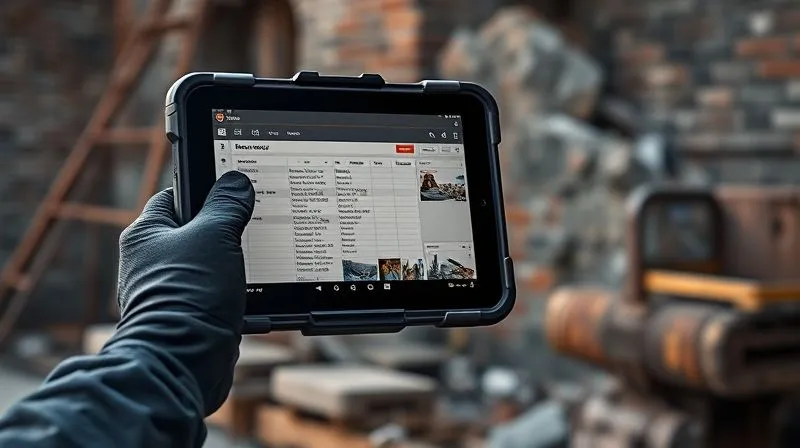
- Safety Plan & Briefing Logs: Maintain records of your detailed safety plan, including hazard maps. Document who attended safety briefings, the topics covered, and that all participants confirmed understanding.
- Equipment Checks: Log pre-exploration checks of all safety gear, communication devices, and first aid kits, noting their condition and functionality.
- Site Condition Photography/Videography: Before entering, take extensive photos and videos of the site's exterior, entry points, and any warning signs. Document the general condition of the interior *as you find it*, focusing on existing damage or hazards before your team proceeds.
- Incident Reports: If any incident occurs, no matter how minor, complete a detailed incident report immediately. Include date, time, location, individuals involved, description of what happened, actions taken, and witness statements.
- Post-Exploration Review: Document a debriefing with your team, noting any lessons learned, unexpected hazards encountered, or suggestions for future improvements.
Case Study: The "Ghost Mill" Incident
Consider the fictional case of "The Ghost Mill," a sprawling, abandoned textile factory that a professional photography team, "Urban Lens Collective," intended to document. Despite obtaining verbal permission from a distant, absentee owner, they neglected to get it in writing. During their exploration, a team member, Sarah, slipped on unseen debris and fractured her ankle. She later claimed insufficient warning about the floor conditions and sued Urban Lens Collective for negligence.
Because Urban Lens Collective had meticulously documented their pre-exploration structural assessment (including photos of existing debris), conducted a thorough safety briefing with signed acknowledgments, and had Sarah sign a comprehensive waiver, they had a strong defense. Their incident report, completed on-site, detailed the exact location, environmental conditions, and Sarah's immediate actions. While Sarah's injury was unfortunate, the robust documentation demonstrated that Urban Lens Collective had taken all reasonable steps to mitigate foreseeable risks and adequately informed Sarah of those risks. The case was settled out of court for a minimal amount, largely due to the overwhelming evidence of due diligence and risk communication provided by their meticulous records. This highlights how critical documentation is to mitigate professional liability exploring structurally unsound city ruins.
OSHA's recordkeeping requirements, though often for workplaces, provide an excellent framework for understanding the types of documentation necessary for safety and incident management in any professional context.Phase 5: Ethical Considerations and Community Engagement
Beyond the legal and safety frameworks, professional urban exploration carries significant ethical responsibilities. Adhering to these principles not only enhances your reputation but also indirectly reduces liability by fostering goodwill and preventing conflicts that might otherwise escalate into legal disputes.
Respecting Property and Heritage
The core ethical principle of urban exploration is "Take nothing but pictures, leave nothing but footprints." This extends to:
- No Vandalism or Graffiti: Never deface property. Your presence should not add to the decay or destruction.
- No Theft or Souveniring: Resist the temptation to take artifacts, even small ones. These items are part of the site's history and often the property of others.
- Minimal Impact: Move carefully, avoid disturbing fragile elements, and leave the site exactly as you found it. This includes not leaving trash or personal items.
- Respecting Privacy: If the site contains personal items or records, do not disturb or publicize them in a way that violates privacy.
"True professionalism in urban exploration isn't just about what you capture; it's about how you respect the spaces you enter and the stories they hold."
Adhering to these ethics demonstrates a high level of professionalism and respect, which can be invaluable in mitigating public perception and legal challenges. A reputation for responsible exploration can open doors to legitimate access and support, rather than confrontation.
Engaging with Local Authorities and Stakeholders
While often challenging, building a positive relationship with local authorities (police, fire department, historical societies, property owners) can be a significant asset. Instead of being perceived as a nuisance or a threat, you can position yourself as a responsible professional who understands the risks and contributes to documenting historical sites safely.
- Inform, Don't Confront: If you have obtained permission, inform local law enforcement of your planned presence to avoid unnecessary alarms.
- Share Insights (Selectively): Offer to share your photographic or documentary work with historical societies or even property owners, showcasing the value of your work.
- Offer Expertise: In some cases, your knowledge of structural decay or specific hazards might be valuable to local authorities or owners for assessment purposes.
This proactive engagement can turn potential adversaries into allies, making it easier to gain access, receive warnings about newly identified dangers, and even garner support should an incident occur. It underscores your commitment to safe and ethical practices, further strengthening your professional standing.
Frequently Asked Questions (FAQ)
Q: What if I can't get permission from the property owner? Should I still explore? A: As an experienced industry specialist, I strongly advise against exploring without explicit, written permission. The legal risks of trespassing, especially in structurally unsound environments, are immense and can lead to criminal charges, significant fines, and civil lawsuits if an incident occurs. No photograph or discovery is worth jeopardizing your professional career or personal freedom. Always prioritize legal access.
Q: How often should I update my safety protocols and gear? A: Safety protocols should be reviewed and updated at least annually, or whenever there's a significant change in your team, equipment, or the types of sites you explore. Gear should be inspected before every exploration, and replaced immediately if damaged or worn. Batteries should be checked and charged before each trip. Technology and best practices evolve, so staying current is vital for maintaining high standards.
Q: Is standard travel insurance enough for urban exploration? A: Almost certainly not. Standard travel insurance typically excludes high-risk activities, particularly those involving trespassing or hazardous environments. You need specialized professional liability insurance, and potentially additional riders for specific risks like equipment damage or medical evacuation from remote, dangerous locations. Always read the fine print and consult with an insurance broker who understands urbex.
Q: What's the biggest mistake explorers make regarding liability? A: In my experience, the biggest mistake is complacency and a lack of thorough documentation. Many explorers assume 'nothing will happen to me' or believe verbal agreements are sufficient. When an incident occurs, the absence of written permission, detailed safety plans, signed waivers, and comprehensive incident reports leaves them exposed and vulnerable to severe liability claims. Prioritizing these administrative tasks is as important as wearing a hard hat.
Q: How does local legislation impact professional liability for urban explorers? A: Local legislation is paramount. Laws vary dramatically by country, state, and even municipality regarding property rights, trespassing, historical preservation, and environmental protection. For example, some areas have 'attractive nuisance' doctrines that might hold property owners liable for injuries to trespassers, while others have stronger 'no duty to trespassers' laws. As a professional, you are expected to know and adhere to these specific laws, and your liability will be judged against them. Always conduct thorough legal research for each new jurisdiction.
Key Takeaways and Final Thoughts
Navigating the captivating world of urban exploration as a professional demands not just courage and skill, but also a profound commitment to responsibility and foresight. The call to mitigate professional liability exploring structurally unsound city ruins is not an impediment to adventure, but a critical framework that enables sustainable, ethical, and safe engagement with these unique environments. By embracing a proactive, multi-faceted approach, you transform potential pitfalls into manageable risks, safeguarding your career, your team, and your passion.
- Prioritize Due Diligence: Never compromise on pre-exploration research and structural assessment.
- Implement Robust Safety Protocols: A detailed safety plan and appropriate gear are non-negotiable.
- Secure Legal Safeguards: Professional liability insurance and signed waivers are your essential shields.
- Document Everything: Meticulous record-keeping is your strongest defense against claims.
- Act Ethically: Respect for property, heritage, and community builds goodwill and reduces friction.
The urban landscape is a canvas of forgotten stories, waiting to be rediscovered. Approach it with the seasoned wisdom of a true professional: prepared, protected, and profoundly respectful. Your journey into the heart of urban decay can be both exhilarating and secure, provided you lay the groundwork for a safe and legally sound expedition. Stay vigilant, stay informed, and continue to explore with purpose and integrity.
Recommended Reading
- Cruises for Team Building: 7 ROI-Driven Ways to Justify the Investment
- 7 Proven Ways: Avoid Greenwashing in Eco-Preservation Tour Marketing
- Unlock the Secrets: How to Plan the Perfect Après Ski Evening on a Budget
- G-Force Blackout: 5 Proven Ways to Stay Conscious in Space
- Short Winter Hikes: 7 Ways to Boost Clarity When Time's Tight




Your email address will not be published. Required fields are marked *