

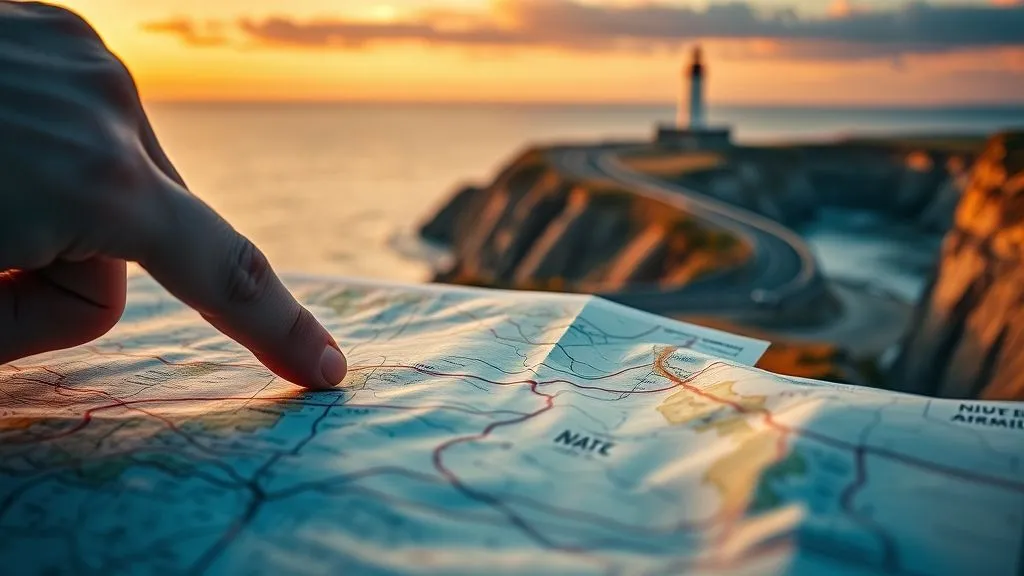
What to do when a popular coastal drive attraction is closed?
For over two decades exploring and guiding road trippers along some of the world's most spectacular coastlines, I've encountered nearly every scenario imaginable. One of the most common, and perhaps most deflating, is arriving at a highly anticipated attraction only to find it unexpectedly closed. I vividly recall one family, after driving hundreds of miles to see a famous sea cave, discovering it was inaccessible due to unusually high tides. Their disappointment was palpable, a stark reminder that even the most meticulous planning can be derailed by unforeseen circumstances.
This isn't just a minor inconvenience; it can feel like a genuine blow to your meticulously crafted itinerary, threatening to overshadow the entire journey. The frustration of wasted time, missed photo opportunities, and the feeling of a 'failed' experience can be overwhelming, especially when you've invested significant emotional and financial capital into your coastal adventure. It’s a common pain point for road trippers, transforming excitement into exasperation.
But here's my expert insight: a closed attraction doesn't have to spell disaster. In fact, it can often be the catalyst for some of the most memorable and authentic discoveries of your trip. In this comprehensive guide, I'll share my proven frameworks and actionable strategies for not just salvaging your road trip when a popular coastal drive attraction is closed, but actually enhancing it. We'll explore how to pivot with grace, uncover hidden gems, and transform potential setbacks into extraordinary travel stories.
The Inevitable Roadblock: Why Attractions Close & How to Anticipate
Understanding why coastal attractions close is the first step toward resilience. It’s rarely malicious; more often, it’s a confluence of factors beyond human control or necessary operational decisions. Weather, particularly along dynamic coastlines, is a primary culprit – think high winds, storm damage, or dangerous surf conditions that make an area unsafe. Maintenance, conservation efforts, or even unexpected wildlife events can also lead to temporary closures. Knowing these possibilities helps manage expectations.
While you can't control the weather or a sudden rockfall, you can absolutely control your preparedness. Proactive research isn't just about finding opening hours; it's about checking for alerts, advisories, and recent visitor feedback. I've always advocated for a 'belt-and-suspenders' approach to checking status, especially for critical stops.
Proactive Research Strategies to Mitigate Surprises
- Official Websites & Social Media: Always check the attraction's official website first. Look for a 'News' or 'Alerts' section. Follow their social media channels (Facebook, X, Instagram) as closures are often posted there first, sometimes with real-time updates.
- Local Tourism Boards & Visitor Centers: These organizations often have the most up-to-date local information, including unexpected closures due to local events or conditions not widely publicized. Many have dedicated phone lines or online chat.
- Recent Traveler Forums & Review Sites: Platforms like TripAdvisor, Reddit's r/roadtrips, or specific Facebook groups can offer invaluable crowd-sourced intelligence. Look for recent reviews or posts mentioning access issues or temporary closures.
- Call Ahead: For truly critical attractions, a quick phone call the day before or morning of your visit can confirm operational status and any specific entry requirements. Don't underestimate the power of a human voice.
- Weather Forecasts: Beyond general regional forecasts, delve into localized marine or coastal weather predictions. High tides, fog, or strong winds can impact access to beaches, lighthouses, or boat tours.
"In my experience, the most successful road trippers aren't those who avoid problems, but those who are best equipped to adapt to them. Flexibility isn't a luxury; it's a fundamental skill for any coastal adventure."
Immediate Pivot: Finding Alternatives in the Vicinity
The moment you discover a primary attraction is closed, the immediate instinct might be frustration. My advice? Take a deep breath. Panic is the enemy of good decision-making. Instead, view this as an opportunity to engage with the immediate surroundings in a way you might not have otherwise. Every popular coastal attraction is usually surrounded by a tapestry of smaller, often overlooked gems.
Your smartphone, local maps, and even simple observation become your best tools. Look for signs pointing to 'scenic overlooks,' 'historic sites,' or 'local parks.' These are often fantastic alternatives that offer similar vistas or experiences without the crowds. The key is to shift your mindset from 'what I'm missing' to 'what else is here?'
Leveraging Local Knowledge for Instant Alternatives
- Tourist Information Centers: These are goldmines. Walk in, explain your situation, and ask for their best alternative suggestions. They often have brochures for local points of interest that aren't widely advertised.
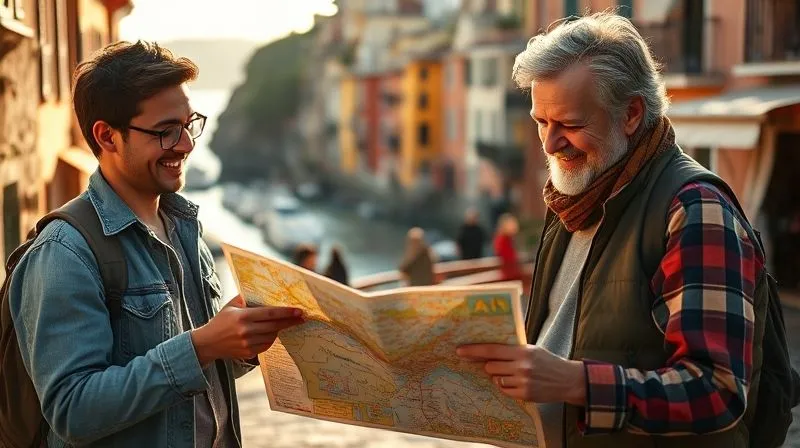
- Hotel/Motel Staff: Concierges, front desk staff, or even the owner of a quaint inn are often local experts. They know the area intimately and can recommend hidden beaches, local eateries, or interesting small-town attractions.
- Local Businesses: Pop into a coffee shop, a general store, or a bait and tackle shop. Engage with the locals. Ask them, "If I can't go to [closed attraction], what's your favorite thing to do around here?" You'll be amazed at the authentic recommendations you receive.
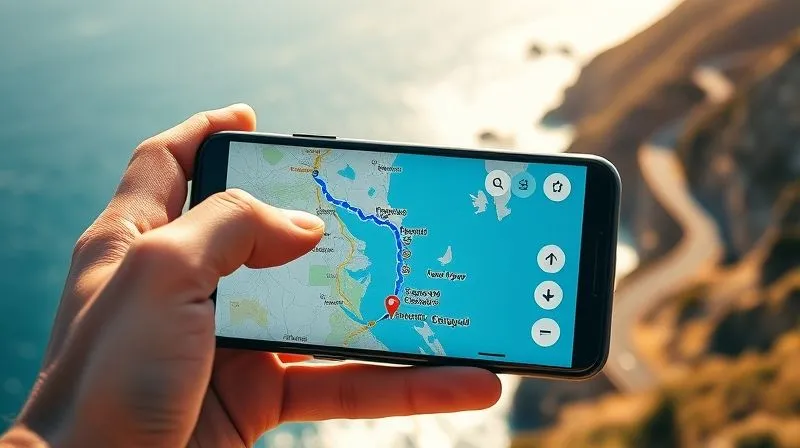
- Offline Maps & Apps: Ensure your mapping app (like Google Maps or Apple Maps) has offline capabilities for the area. Zoom in and look for green spaces, points of interest, or even smaller roads that might lead to unexpected views.
I once had a group whose whale-watching tour was canceled due to rough seas. Instead of dwelling on it, we asked the hotel manager for an alternative. He directed us to a local fisherman’s wharf where we ended up buying fresh seafood directly from the boats and had an impromptu picnic on a quiet beach nearby. It wasn't the whales, but it was an unforgettable, authentic coastal experience.
Unearthing Hidden Gems: The Detour as a Discovery
This is where the true magic of flexible road tripping happens. When a planned stop is closed, it forces you off the beaten path, often leading to discoveries far more rewarding than the original plan. I've always believed that the most cherished travel memories often come from the unplanned detours, the serendipitous encounters, and the places you stumbled upon purely by accident. This is your chance to embrace the spirit of exploration.
Think of it not as a setback, but as an invitation to explore the less-traveled road. The 'hidden gems' aren't always grand landmarks; they can be a secluded beach, a charming roadside diner with the best pie, an antique shop filled with local history, or a short, scenic hiking trail with breathtaking views that only locals know about. These are the places that offer a genuine sense of discovery and often provide a deeper connection to the region.
How to Spot an Underrated Gem
- Follow the 'Scenic Route' Signs: Often, these signs lead to smaller, less-known roads that parallel the main highway, offering different perspectives and access to local parks or viewpoints.
- Explore Small Town Centers: Drive through the main street of any small coastal town you pass. Look for unique architecture, local art galleries, independent bookstores, or community parks. These are often hubs of local life.
- Look for Historical Markers: Roadside plaques or monuments often signify interesting historical events or natural features. A quick stop can reveal a fascinating story or a short trail to a viewpoint.
- Use Apps for Niche Interests: If you're into hiking, try AllTrails. For local food, Yelp or Google Maps' 'Explore' feature can highlight highly-rated, non-touristy eateries. For birdwatching, look for local Audubon society information.
- Talk to Locals (Again!): Don't be shy. The person behind the counter at a gas station, a fellow diner at a restaurant, or someone walking their dog could offer the tip that leads to your next favorite spot.
Case Study: How the Miller Family Discovered 'Seal Cove'
The Miller family embarked on a highly anticipated coastal drive through Oregon, with the iconic Cannon Beach and its famous Haystack Rock as a centerpiece. Upon arrival, they discovered a section of the beach, including direct access to the rock, was temporarily closed for a critical nesting bird season, a closure not widely publicized until they were literally on site. Initial disappointment was high.
Instead of turning back, they remembered my advice on local engagement. They stopped at a small, independent coffee shop in a nearby town. The barista, a long-time local, overheard their predicament and suggested, "Forget the crowds at Haystack for today. Head south about 15 minutes to 'Seal Cove.' It's a bit harder to find, but it's where the real locals go. You'll often see seals basking on the rocks, and the tide pools are incredible."
Following her cryptic directions down a winding, unpaved road, the Millers discovered a secluded, pristine cove. They spent hours exploring vibrant tide pools, watching dozens of seals in their natural habitat, and enjoying a picnic on the quiet sandy shore. "It wasn't what we planned, but it was absolutely magical," Mrs. Miller later told me. "We saw more wildlife and felt a deeper connection to the coast than we ever would have at the crowded landmark. It was our secret discovery, and it turned the entire trip around." This resulted in a truly unique and personal experience, far removed from the typical tourist trail.
Rethinking Your Itinerary: Embracing Flexibility
The concept of a rigid itinerary, especially on a road trip, is often a recipe for stress. I've always told my clients that a good itinerary is a living document, not carved in stone. When a popular coastal drive attraction is closed, it's not a failure of your planning; it's an invitation to refine it. This is where your 'Plan B' (or C, or D) truly shines. Having a flexible mindset means you’re not just reacting to problems, but proactively looking for new opportunities.
A truly adaptable traveler understands that the journey itself is the destination. Sometimes, this means extending a stay in a place you unexpectedly love, or shortening a stop that isn't living up to expectations. It might even mean completely re-sequencing your next few days based on new information or discoveries. The goal is always to maximize enjoyment, not to rigidly adhere to a schedule that no longer serves you.
Building a Contingency Mindset for Road Trips
- Identify 'Flex Stops': When initially planning, highlight a few attractions as 'flex stops' – places you'd like to see but aren't critical. These are easy to swap out or skip if needed.
- Have Backup Points of Interest: For each major planned stop, have at least one or two alternative attractions or activities in the same general area. Think of them as your 'benchwarmers' ready to play.
- Build in Buffer Time: Don't overschedule every single minute. Allow for extra time each day for unexpected detours, longer-than-expected drives, or simply lingering in a place you love.
- Prioritize Experiences Over Checklists: Instead of focusing on 'seeing everything,' prioritize 'experiencing quality.' A closed attraction nudges you towards quality experiences that might be less famous but more authentic.
- Embrace Spontaneity: Sometimes the best plan is no plan. Be open to a local festival you stumble upon, an impromptu hike, or simply enjoying the view from a scenic pull-off for longer than expected.
According to a Harvard Business Review article on flexible thinking, adaptability is a crucial skill in complex environments, and travel is certainly one such environment. Applying this principle means that instead of viewing a closed attraction as a disruption, you see it as a prompt to innovate and adjust.
| Time Slot | Activity | Impact |
|---|---|---|
| Original Plan (Day 3) | Visit iconic [Closed Lighthouse] | High disappointment, lost 3 hours |
| Contingency Plan (Day 3) | Explore nearby [Hidden Beach], Lunch at [Local Diner], Drive scenic [Coastal Byway] | Unexpected discovery, local immersion, new favorite views |
Engaging with the Local Culture: Beyond the Tourist Hotspot
Many popular coastal attractions, while beautiful, are designed for the masses. When one closes, it's an unparalleled opportunity to delve deeper into the authentic rhythm of coastal life. I've found that some of my most profound travel experiences have come from stepping away from the 'must-sees' and instead immersing myself in the local culture, even for a few hours. This means seeking out experiences that connect you with the people, history, and daily life of the region.
This shift from 'sightseeing' to 'experiencing' is transformative. Instead of just observing, you become a participant, even if briefly. It's about tasting the local cuisine, understanding regional crafts, listening to local stories, and appreciating the unique character of the community. This approach not only enriches your trip but also often provides a more relaxed and memorable pace.
Authentic Local Experiences to Seek Out
- Local Markets: Farmers' markets, flea markets, or fish markets are vibrant hubs of local commerce and culture. You can sample regional foods, buy unique souvenirs, and observe daily life.
- Community Events: Check local newspapers, community boards, or online event listings for festivals, concerts, art shows, or even local sporting events. Participating in these offers a genuine slice of local life.
- Regional Cuisine: Skip the chain restaurants. Ask locals for their favorite diner, seafood shack, or bakery. Try dishes specific to the region – the fresher, the better along the coast!
- Artisan Shops & Galleries: Many coastal towns are home to talented artists and craftspeople. Visiting their workshops or galleries not only supports local businesses but also offers insight into the local creative spirit.
- Volunteer for a Few Hours: If time permits, look for local conservation groups or beach clean-up initiatives. Giving back, even briefly, can create a powerful connection to the place.
"The true essence of a coastal road trip isn't just the iconic views; it's the salty air, the taste of fresh seafood, the sound of local chatter, and the feeling of sand between your toes on an uncrowded beach. Embrace the sensory journey."
Digital Tools & Resources for On-the-Fly Adjustments
In the age of information, your smartphone is arguably your most powerful road trip companion. While I'm a firm believer in looking up from the screen, when a popular coastal drive attraction is closed, digital tools become invaluable for quick, informed pivots. Having the right apps and knowing how to use them effectively can transform a stressful situation into a seamless transition to your next great adventure.
Before you even leave home, ensure your phone is loaded with essential apps and that you understand their offline capabilities. Data connectivity along some remote coastal stretches can be spotty, so preparation is key. Think of your phone as a mobile information center, capable of rerouting, finding alternatives, and connecting you with local resources at a moment's notice.
Essential Apps for Road Trippers & Contingency Planning
- Offline Maps (Google Maps, HERE WeGo): Crucial for areas with no signal. Download regional maps in advance. These can still provide turn-by-turn directions and points of interest.
- Travel Review Sites (TripAdvisor, Yelp): Excellent for finding highly-rated alternative attractions, restaurants, and accommodations based on real-time user reviews. Filter by 'things to do' or 'parks.'
- Weather Apps (AccuWeather, NOAA Weather Radar): Go beyond basic forecasts. Look for marine forecasts, wind speeds, and tide charts, which are critical for coastal activities and safety.
- Accommodation Apps (Booking.com, Airbnb): If a closure necessitates an unexpected overnight stay or a change in your planned lodging, these apps allow for quick searches and bookings.
- Social Media (Facebook, X, Instagram): Follow local tourism pages or use hashtags (#YourTownNameEvents) to find real-time local happenings and community announcements that might not be on official websites yet.
- GasBuddy: Essential for finding the nearest gas station and comparing prices, especially if your detour takes you further than expected.
Remember to keep your phone charged, carry a portable power bank, and consider a car charger. Technology is a tool, and like any tool, its effectiveness depends on how well you wield it. For more insights on leveraging tech for travel, I often refer to resources like National Geographic's travel tech recommendations.
Documenting the Unexpected: Turning Setbacks into Stories
Every road trip is a narrative, and the unexpected twists and turns often make for the most compelling chapters. When a popular coastal drive attraction is closed, it's not just a logistical hurdle; it's an opportunity to create a unique story, one that differentiates your journey from the countless others who followed the exact same itinerary. I've learned that the 'perfect' trip is often less memorable than the one filled with charming imperfections and surprising discoveries.
Instead of lamenting what you missed, focus on celebrating what you found. Documenting these moments of pivot and discovery transforms a potential disappointment into a rich, personal narrative. These are the anecdotes you'll share around dinner tables for years to come, the ones that truly define your adventure. It’s about embracing the unpredictability and capturing the essence of your adaptability.
Creative Ways to Remember Your Trip's Unique Turns
- Travel Journaling: Beyond just facts, write down your feelings, the decisions you made, the interesting people you met during your detour, and the unexpected sights. A handwritten journal adds a personal touch.
- Photography & Videography: Capture the alternative views, the hidden gems, and the local interactions. Don't just photograph the 'pretty' things; capture the 'story' – a funny sign, a unique local character, the process of re-routing on your map.
- Social Media Storytelling: Share your experience in real-time. Use platforms like Instagram or Facebook to post about your unexpected finds, asking for local recommendations, or even humorously documenting your 'Plan B.' Your followers will appreciate the authenticity.
- Collecting Unique Souvenirs: Instead of generic gift shop items from the closed attraction, seek out local crafts, artisan foods, or natural elements (like a unique seashell from a secluded beach) from your detours.
- Create a 'Detour Highlight Reel': After your trip, compile a short video or photo album specifically dedicated to the unexpected moments and discoveries that arose from a closed attraction.
Embrace the narrative power of the unexpected. As travel writers often say, "The best stories are usually found off the paved road." Your resilience in adapting when a popular coastal drive attraction is closed will not only make your trip more unique but will also equip you with invaluable life skills. For more on the psychology of positive reframing, you might explore articles on resilience in Psychology Today.

Frequently Asked Questions (FAQ)
How far in advance should I check attraction statuses for a coastal drive? I recommend a multi-stage approach. Do a preliminary check a few weeks before your trip, a more thorough check 2-3 days prior to arriving in a specific area, and a final check the morning of your planned visit. Coastal conditions can change rapidly, so real-time information is often best for the final confirmation.
What if I'm in a remote area with no cell service to check for closures? This is a critical scenario for coastal drives. Before entering a known 'dead zone,' check all critical attraction statuses. Download offline maps for the entire region. Consult physical maps or guidebooks for alternative points of interest. Most importantly, ask locals for advice before you lose signal – gas station attendants, small town shopkeepers, or park rangers are invaluable resources.
Is it worth contacting the attraction directly or just relying on websites? Absolutely worth it, especially for attractions that are central to your trip. While websites are good for general information, a phone call can provide nuanced details that a static webpage might miss, such as expected re-opening times, alternative access points, or specific reasons for closure that might inform your detour decisions.
Should I always have a full "Plan B" for every major stop? While a 'full' Plan B for every single stop might be overkill and add unnecessary stress, I strongly advocate for a flexible mindset and a few backup ideas. For your top 2-3 critical attractions, have a specific alternative in mind. For others, simply knowing how to quickly find local alternatives (as discussed in this guide) is sufficient.
What are common signs an attraction might close unexpectedly? Pay attention to severe weather forecasts (especially high winds, heavy rain, or marine advisories), unusual local news reports (e.g., road closures for events or construction), or even social media posts from other travelers mentioning unexpected conditions. Also, attractions undergoing significant renovation or conservation work might have intermittent closures, so check their project updates.
Key Takeaways and Final Thoughts
Navigating the unexpected closure of a popular coastal drive attraction might initially feel like a disheartening hurdle, but as an experienced road tripper, I can assure you it's often the gateway to your most cherished travel memories. The essence of a truly memorable coastal journey lies not in the rigid adherence to a plan, but in the joyful embrace of spontaneity and discovery.
- Proactive Preparation is Your Best Defense: Utilize all available resources to check statuses, but accept that some things are beyond your control.
- Embrace the Pivot: View closures as opportunities to explore immediate vicinities and uncover hidden gems that often offer richer, more authentic experiences.
- Cultivate Flexibility: A resilient mindset and a willingness to adjust your itinerary are far more valuable than a perfectly executed plan.
- Engage Locally: The best alternatives and insights often come from talking to the people who live and breathe the coastal life every day.
- Leverage Digital Tools: Modern technology, used wisely, can be your best friend for on-the-fly adjustments and discoveries.
- Document Your Detours: Transform what could have been a disappointment into a unique, compelling story that you'll recount for years.
So, the next time you encounter a 'Closed' sign on your coastal adventure, don't despair. Take a deep breath, consult your toolkit of strategies, and open yourself to the unexpected. Because sometimes, the path less traveled, or even the path you were forced to take, leads to the most breathtaking views and the most unforgettable moments. Your road trip isn't just about the destinations; it's about the journey, and every twist and turn makes it uniquely yours.
Recommended Reading
- Unlock Your Inner Power: The Ultimate Guide to Solo Travel for Confidence
- Glamping for Nature Immersion: Unlock the Benefits Now!
- Travel Dialysis for Seniors: Top Tips for Safe & Worry-Free Trips
- Ultimate Guide: Navigating International Air Travel with Your Service Dog
- Time-Pressed Founders: 7 Steps to Epic Road Trips & Burnout Prevention




Your email address will not be published. Required fields are marked *