


What to do when luxury resort island bookings unexpectedly decline?
For over 20 years in the luxury travel sector, I've witnessed firsthand the exhilarating highs of peak seasons and the stomach-churning lows when the booking calendar suddenly looks sparse. It's a unique kind of pressure, particularly for a luxury resort island, where operational costs are high, and the expectation of exclusivity demands constant investment. I've seen countless resorts, even the most established ones, grapple with unexpected dips, often reacting too slowly or, worse, with knee-jerk price cuts that erode their brand.
The gut-wrenching feeling of watching your bookings decline, despite your team's best efforts, is something I understand intimately. It’s not just a financial hit; it’s a blow to morale and a challenge to the very identity of your luxury brand. The temptation to panic is real, but as an industry veteran, I can tell you that panic is rarely a strategy. What's needed is a calm, methodical, and data-driven approach.
In this definitive guide, I will share the actionable frameworks, real-world case studies, and expert insights that I've developed and refined over decades. You'll learn not just what to do when luxury resort island bookings unexpectedly decline, but how to transform this challenge into an opportunity for strategic growth, deeper guest loyalty, and a stronger market position. This isn't about quick fixes; it's about building resilience and long-term success.
The Critical First Step: Deep-Dive Diagnostics and Data Analysis
When bookings dip, the very first thing I advise is to resist the urge to immediately slash prices or launch frantic promotions. Instead, we must become detectives. Understanding the 'why' behind the decline is paramount. This requires a rigorous, objective analysis of both your internal operational data and the broader external market forces at play.
Unpacking Your Internal Data
Your property management system (PMS) and CRM are goldmines of information. They hold the keys to understanding shifts in guest behavior. Dive deep into these metrics:
- Booking Patterns: Analyze booking lead times. Are guests booking closer to their stay dates, or further out? A shortening lead time can indicate economic uncertainty or increased competition.
- Source Markets: Identify which geographic markets are underperforming. Is it a specific region, or a global trend? This helps tailor your marketing efforts.
- Average Length of Stay (ALOS): Has the average duration of guest stays decreased? Shorter stays can impact overall revenue and make it harder to deliver a full luxury experience.
- Average Daily Rate (ADR) & Revenue Per Available Room (RevPAR): Track these against historical data and competitors. A decline here, even with stable occupancy, signals a problem.
- Cancellation Rates: An unexpected spike in cancellations is a huge red flag. Investigate the reasons carefully – travel restrictions, competitor offers, or service issues?
- Guest Feedback: Scrutinize all feedback channels – online reviews, direct surveys, comment cards. Are there recurring themes of dissatisfaction related to service, amenities, or value for money?
External Market Intelligence
Your resort doesn't operate in a vacuum. External factors significantly influence demand. I always recommend looking outward:
- Competitor Analysis: Monitor your direct and indirect competitors. Are they offering new packages, lower rates, or innovative experiences that are drawing guests away? Use tools to track their pricing and promotions.
- Economic Indicators: Global and regional economic health directly impacts discretionary luxury spending. Track GDP growth, consumer confidence indices, and exchange rates in your key source markets.
- Travel Trends: Are there broader shifts in luxury travel? Perhaps a move towards more experiential travel, sustainable tourism, or wellness retreats that your offering isn't fully capturing.
- Geopolitical Events & Travel Advisories: Unfortunately, these can have an immediate and dramatic impact. Stay informed and be prepared to adapt.
By systematically dissecting this data, you move beyond speculation and pinpoint the root causes. Are you losing market share? Is demand shrinking globally? Or is there a specific issue with your product or pricing? The answers dictate your next steps.
“In my experience, the most successful luxury resorts don't guess; they measure. They understand that a booking decline isn't just a number, but a symptom of underlying dynamics that must be precisely diagnosed before any effective treatment can be applied.”
Re-Evaluating Your Value Proposition and Target Audience
Once you understand the 'what' and 'why' of the decline, the next crucial step is to critically assess your core offering. In the ever-evolving luxury travel landscape, what was considered 'luxury' five years ago might now be table stakes. You must ensure your resort not only meets but exceeds the contemporary expectations of the affluent traveler.
Is Your Luxury Still 'Luxury'?
A decline in bookings can sometimes signal a disconnect between what you offer and what the discerning luxury traveler truly values today. It's time for an honest internal audit:
- Amenities and Facilities: Are your rooms, villas, and common areas impeccably maintained and up-to-date? Does your spa offer cutting-edge treatments? Are dining options innovative and culturally relevant?
- Service Standards: This is non-negotiable in luxury. Is your staff anticipating needs, providing personalized attention, and delivering seamless service at every touchpoint? A single subpar interaction can tarnish an entire stay.
- Unique Selling Propositions (USPs): What truly sets you apart? Is it an unparalleled location, exclusive experiences, or a commitment to sustainability? These USPs need to be clear, compelling, and consistently communicated.
- Sustainability and Ethical Practices: Modern luxury travelers are increasingly conscious. Transparency about your environmental impact, community engagement, and ethical sourcing can be a significant differentiator.
Who Are You Really Speaking To?
Your target audience isn't static. Demographics, psychographics, and travel motivations shift. If your marketing messages are still aimed at yesterday's luxury traveler, you're missing opportunities.
- Refine Guest Personas: Based on your data analysis, update your ideal guest profiles. Are you seeing a rise in multi-generational families, solo female travelers, or digital nomads seeking 'work-cations'?
- Understand Motivations: Are guests seeking adventure, profound relaxation, cultural immersion, or wellness retreats? Your offerings and messaging should align with these deeper desires.
- Segment Your Audience: Not all luxury travelers are the same. Develop tailored packages and communications for different segments – honeymooners, corporate retreats, wellness seekers, or cultural explorers.
This re-evaluation isn't about chasing every trend, but about ensuring your foundational luxury experience remains relevant, resonant, and genuinely exceptional for your current and prospective guests. It's about remembering that luxury is an evolving promise.
Mastering Your Digital Presence: SEO, SEM, and Social Media
In today's digital-first world, your online presence is often the first, and sometimes only, impression a potential guest has of your luxury resort island. A decline in bookings can frequently be traced back to an underperforming digital strategy. It’s no longer enough to just have a beautiful website; you need to be discoverable, engaging, and utterly compelling.
Optimizing for Discovery
Search Engine Optimization (SEO) and Search Engine Marketing (SEM) are your primary tools for ensuring affluent travelers find you when they're dreaming of their next escape. This is crucial when considering what to do when luxury resort island bookings unexpectedly decline.
- Technical SEO Audit: Ensure your website is fast, mobile-responsive, and free of technical errors. Google prioritizes user experience.
- Content Strategy: Create high-quality, keyword-rich content that speaks to the luxury traveler's desires. Think blog posts about 'exclusive diving spots in [Island Name]', 'wellness retreats that rejuvenate', or 'the best private villas for family holidays'.
- Local SEO: Optimize your Google My Business profile with stunning photos, accurate information, and prompt responses to reviews. Many luxury travelers search for 'luxury resorts near [destination]'.
- Paid Search (SEM): Strategically use Google Ads and other ad platforms to target high-intent keywords. Focus on long-tail keywords that indicate a serious buyer, and ensure your ad copy highlights your unique luxury proposition.
- Metasearch Integration: Ensure your rates and availability are accurately listed and competitive on platforms like Google Hotels, TripAdvisor, and Kayak.
Engaging the Affluent Traveler on Social
Social media is where dreams are born and inspiration is found for luxury travel. It’s a visual medium, and your resort island is inherently visual.
- Visual Storytelling: Showcase breathtaking imagery and high-quality video of your property, experiences, and the natural beauty of your island. Instagram, Pinterest, and TikTok are crucial.
- Influencer Collaborations: Partner with high-end travel influencers and content creators whose audience aligns with your target demographic. Authenticity is key here; choose partners who genuinely appreciate luxury travel.
- Paid Social Campaigns: Utilize the sophisticated targeting capabilities of platforms like Facebook and Instagram to reach specific demographics, interests, and even lookalike audiences of your past guests.
- Community Engagement: Respond promptly and thoughtfully to comments and messages. Build a community around your brand by sharing user-generated content (with permission).
Remember, luxury marketing isn't about shouting the loudest; it's about whispering an irresistible invitation. Your digital presence must reflect the exclusivity and aspiration of your brand.
According to a Forbes Communications Council article, successful luxury marketing hinges on creating an emotional connection and a sense of exclusivity, which is amplified through compelling digital narratives.
Enhancing the Guest Experience: From Pre-Arrival to Post-Stay
Luxury is defined not just by opulent surroundings, but by the seamless, personalized, and memorable experiences you provide. When bookings decline, it's a prime opportunity to scrutinize every touchpoint of the guest journey. A truly exceptional experience can turn a one-time visitor into a lifelong advocate, and their word-of-mouth referrals are invaluable.
Personalized Pre-Arrival Engagement
The luxury experience begins long before the guest sets foot on your island. Proactive, personalized communication sets the tone.
- Tailored Itineraries: Offer to help guests plan their stay, suggesting activities, dining, and spa treatments based on their preferences and previous booking history.
- Concierge Reach-Out: A personalized email or call from a dedicated concierge to confirm details and offer assistance (e.g., airport transfers, special requests) makes guests feel valued.
- Pre-Arrival Preferences: Collect information on dietary restrictions, pillow preferences, or celebratory occasions to ensure their room and experience are perfectly customized upon arrival.
Unforgettable On-Island Journeys
This is where the magic happens. Every interaction, every detail, contributes to the overall perception of luxury.
- Impeccable Service: Train your staff to anticipate needs, be discreet, and offer genuine, warm hospitality. Empower them to go above and beyond.
- Unique Experiences: Offer signature activities that cannot be replicated elsewhere – private chef dinners on a secluded beach, guided snorkeling with marine biologists, or cultural workshops with local artisans.
- Surprise & Delight: Thoughtful, unexpected gestures (a personalized note, a complimentary upgrade, a small local gift) create lasting positive memories.
- Seamless Technology: Use technology to enhance, not replace, human interaction. Mobile check-in, digital room keys, or in-app service requests should simplify, not complicate.
Cultivating Loyalty Post-Departure
The relationship doesn't end when guests check out. Nurturing it can lead to repeat bookings and powerful referrals.
- Personalized Follow-Up: A thank-you note or email, perhaps with a link to photos taken during their stay (with permission), keeps the memory alive.
- Exclusive Offers: Provide special incentives for returning guests, or early access to new experiences or packages.
- Loyalty Programs: Develop a tiered loyalty program that offers escalating benefits and recognition, making guests feel like part of an exclusive club.
Case Study: The Coral Cove Resort's Loyalty Renaissance
The Coral Cove Resort, a luxury property in the Maldives, faced a significant dip in repeat bookings, contributing to their overall decline. Their internal data showed guests loved their stay but didn't feel a strong reason to return over other luxury options. By implementing a targeted 'Loyalty Renaissance' program, they transformed their fortunes. They began with a personalized pre-arrival concierge who helped craft bespoke itineraries. On-island, guests received a small, locally crafted memento specific to their interests. Post-departure, they were enrolled in a three-tiered loyalty program offering increasingly attractive benefits, including complimentary nights and exclusive access to new experiences. Within 18 months, Coral Cove saw a 22% increase in repeat bookings and a substantial rise in direct bookings, significantly mitigating their initial booking decline.
Strategic Pricing and Package Innovation
Pricing is a delicate art, especially in the luxury sector. While knee-jerk price reductions are often detrimental, a strategic re-evaluation of your pricing structure and the creation of innovative packages can be a powerful tool when you're trying to figure out what to do when luxury resort island bookings unexpectedly decline. It's about perceived value, not just the number.
Dynamic Pricing in a Soft Market
Luxury doesn't mean static pricing. Dynamic pricing, when executed thoughtfully, allows you to adapt to market conditions without devaluing your brand.
- Yield Management: Utilize sophisticated yield management software to adjust rates based on demand forecasts, competitor pricing, booking pace, and historical data. This isn't about being cheap, but smart.
- Value-Added Inclusions: Instead of lowering the headline rate, consider adding complimentary services or experiences (e.g., free spa treatment, private transfer, a unique excursion) that enhance perceived value without eroding your ADR.
- Segmented Pricing: Offer different rate structures for various guest segments (e.g., corporate rates, extended stay discounts for remote workers, early bird specials for long lead times).
- Monitor Competitors Closely: Understand their pricing strategies, but don't just react. Position your pricing relative to your unique value proposition.
Crafting Irresistible Packages
Packages are an excellent way to bundle value and appeal to specific motivations. They shift the focus from just a room rate to a holistic, compelling experience.
- Experiential Packages: Create packages around specific themes: a 'Romantic Escape' (couples massage, private dinner), a 'Wellness Journey' (daily yoga, healthy meals, spa credits), or an 'Adventure Seeker' package (diving excursions, island hopping).
- Extended Stay Incentives: With the rise of 'work-cations' and longer holidays, offer attractive rates for stays of 7, 14, or even 30+ nights, perhaps including added benefits like laundry service or exclusive access to amenities.
- Family & Multi-Generational Packages: Design packages that cater to the needs of families, including kids' club access, family-friendly activities, and connecting room options.
- Seasonal & Event-Based Packages: Capitalize on holidays, local festivals, or unique astronomical events with special limited-time offerings.
The goal is to present options that feel exclusive, bespoke, and offer undeniable value, encouraging guests to choose your luxury resort island over others, even in a challenging market.
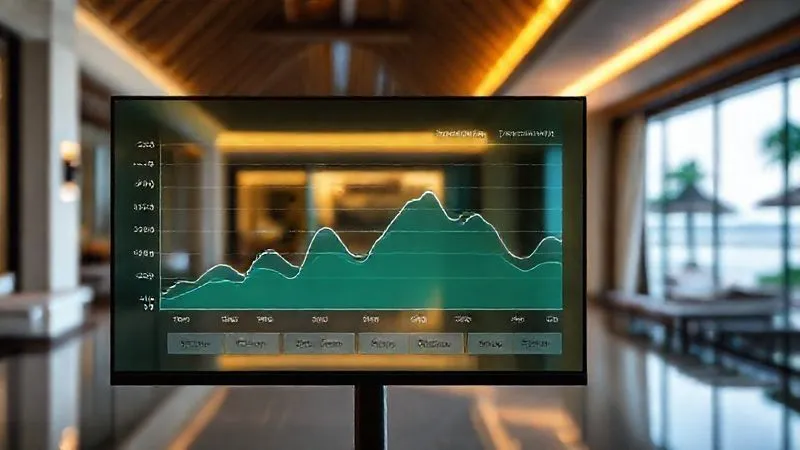
As noted by Harvard Business Review, effective pricing is not about finding the lowest number, but about aligning price with perceived value and market dynamics.
Building Strategic Partnerships and Niche Market Outreach
Sometimes, the answer to what to do when luxury resort island bookings unexpectedly decline lies beyond your direct marketing efforts. Expanding your reach through strategic partnerships and targeting niche segments can unlock new streams of revenue and introduce your resort to previously untapped affluent audiences.
Collaborating for Wider Reach
Aligning with other luxury brands or key players in the travel ecosystem can provide access to their established customer bases and marketing muscle.
- Luxury Tour Operators & Travel Advisors: Re-engage with or forge new relationships with high-end travel agencies and independent luxury travel advisors. They have direct access to affluent clients and often influence significant booking decisions. Offer them attractive commissions and exclusive familiarization trips.
- Airlines: Partner with premium airlines that serve your region. Joint promotions, loyalty program cross-overs, or even package deals that include flights can be highly appealing.
- MICE (Meetings, Incentives, Conferences, Exhibitions): If your facilities allow, target the luxury MICE market. High-end corporate retreats, incentive trips, and exclusive board meetings can fill significant room nights during off-peak seasons.
- Complementary Luxury Brands: Consider partnerships with luxury yacht charters, private jet companies, high-end fashion brands, or exclusive watchmakers for co-promotions or bespoke experiences.
Tapping into Untapped Luxury Segments
The definition of luxury is broadening, and with it, the types of experiences affluent travelers seek. Look beyond the traditional honeymoon market.
- Wellness & Retreats: The demand for high-end wellness experiences is booming. Develop specialized wellness programs (yoga, detox, mindfulness) and market them to this health-conscious demographic.
- Adventure & Experiential Travel: Offer unique, curated adventures that combine luxury with exploration – perhaps guided dives, deep-sea fishing charters, or cultural immersion tours with local experts.
- Multi-Generational Travel: Design experiences and accommodations that cater to families traveling with grandparents and children, providing activities and spaces for all ages.
- Celebration & Milestone Travel: Position your resort as the ultimate destination for significant birthdays, anniversaries, or family reunions, offering bespoke event planning services.
- Eco-Luxury & Sustainable Travel: Highlight your resort's commitment to sustainability and responsible tourism, appealing to the growing segment of eco-conscious luxury travelers.
These partnerships and niche strategies don't just fill rooms; they diversify your revenue streams and build a more resilient business model, which is essential when responding to unexpected booking declines.
According to a Skift report on luxury travel, strategic alliances are increasingly critical for reaching diverse affluent audiences in a competitive market.
Crisis Communication and Reputation Management
In an age of instant information and social media, your reputation is your most valuable asset. When bookings decline, it's often accompanied by, or even caused by, a dip in public perception. Mastering crisis communication and proactive reputation management is non-negotiable for any luxury resort island.
Proactive Monitoring and Rapid Response
Ignoring negative feedback or slow responses can quickly spiral into a full-blown brand crisis. Be vigilant and agile.
- Social Listening: Use tools to monitor mentions of your resort and destination across all social media platforms, review sites (TripAdvisor, Google Reviews), and forums. Understand the sentiment surrounding your brand.
- Review Management: Respond to *all* reviews, positive and negative, promptly and professionally. For negative reviews, acknowledge the issue, express empathy, and offer a clear path to resolution (e.g., 'Please contact our guest relations manager at...').
- Designated Crisis Team: Have a small, well-trained team ready to address potential crises, from natural disasters to public relations mishaps. Clear protocols save precious time.
Rebuilding Trust and Transparency
If negative sentiment or a specific incident has contributed to your booking decline, transparency and genuine effort to rectify are key.
- Clear Communication: If there's a known issue (e.g., construction nearby, a temporary service disruption), communicate it proactively and transparently to guests, perhaps offering incentives or alternative arrangements.
- Show, Don't Just Tell: If you've made improvements based on feedback, highlight them. Share stories of how you've enhanced service, renovated facilities, or introduced new experiences.
- Engage with Influencers & Media: Invite trusted travel journalists or influencers to experience your improved offerings firsthand and share their authentic perspectives.
- Staff Empowerment: Ensure your frontline staff are well-informed and empowered to address guest concerns immediately and effectively. Their ability to resolve issues on the spot can prevent negative reviews.
A strong, positive reputation acts as a buffer against market fluctuations and is a powerful magnet for new bookings. When faced with the challenge of what to do when luxury resort island bookings unexpectedly decline, a robust reputation management strategy ensures that guests continue to trust your brand.

Frequently Asked Questions (FAQ)
Q: How quickly can I expect to see results from implementing these strategies? A: Sustainable recovery isn't instant. While some tactical changes like targeted promotions might yield quicker results (weeks), a full turnaround involving re-evaluation of your value proposition, digital overhaul, and guest experience enhancements typically takes 6-12 months to show significant, consistent improvement in booking trends. Patience, consistent effort, and continuous monitoring are crucial.
Q: Should I drop my prices significantly to attract bookings during a decline? A: Generally, no. Deep price cuts in the luxury sector can devalue your brand and make it incredibly difficult to raise prices back later. Instead, focus on increasing perceived value through strategic bundling, unique experiences, and exceptional service. If you must adjust pricing, do so dynamically and with extreme caution, often preferring value-adds over direct rate reductions.
Q: Is it better to focus on new guests or repeat guests when bookings are down? A: Both are vital, but I always advise a strong focus on repeat guests first. Acquiring new guests is significantly more expensive than retaining existing ones. Loyal guests are also your best advocates. While you implement strategies to attract new clientele, double down on nurturing relationships with past guests through loyalty programs and personalized offers.
Q: What role does sustainability play in attracting luxury travelers today? A: A massive role. Modern luxury travelers, particularly younger affluent demographics, are increasingly conscious of their environmental and social impact. Demonstrating genuine commitment to sustainability, local community support, and ethical practices is not just good for the planet; it's a powerful differentiator and a key driver for booking decisions in the luxury segment. Transparency is key.
Q: How do I ensure my staff are equipped to deliver the enhanced service required? A: Investment in ongoing staff training is paramount. This includes not just technical skills but also emotional intelligence, cultural awareness, and empowerment to resolve issues on the spot. Foster a culture where every team member understands their role in delivering the luxury experience and feels valued enough to go the extra mile. Regular feedback and recognition are also critical.
Key Takeaways and Final Thoughts
Facing an unexpected decline in luxury resort island bookings is undoubtedly challenging, but it is also a powerful catalyst for change and innovation. As an industry veteran, I've seen that those who respond with strategic thinking, data-driven decisions, and a relentless focus on the guest experience not only recover but emerge stronger and more resilient.
- Diagnose First: Never react without a thorough analysis of internal and external data.
- Re-evaluate Your Core: Ensure your luxury offering and target audience insights are current and compelling.
- Dominate Digitally: Optimize your online presence for discovery and engagement.
- Elevate Every Touchpoint: The guest journey, from pre-arrival to post-stay, must be seamless and personalized.
- Price Smartly: Focus on perceived value and innovative packages rather than drastic price cuts.
- Forge Alliances: Leverage strategic partnerships and niche market outreach for expanded reach.
- Protect Your Reputation: Proactive communication and diligent review management are non-negotiable.
Remember, your luxury resort island is more than just a destination; it's a dream, an escape, an experience. By embracing these strategies, you're not just solving a short-term booking problem; you're investing in the long-term legacy and unparalleled success of your brand. The tides may turn, but with foresight and dedication, your island paradise will continue to draw discerning travelers for years to come.
Recommended Reading
- 7 Steps to Prevent Greenwashing in Sustainable Travel Marketing
- Busy Execs: 5 Smart Ways to Maximize Short, Affordable Excursions
- The Ultimate Guide: How to Plan Your Multi-Park National Park Road Trip
- Unlock the Secret: How to Maintain Healthy Eating on Your Wellness Trip
- 7 Red Flags: How to Spot Exploitative Medical Volunteer Programs Abroad





Your email address will not be published. Required fields are marked *