


What to do when solo abroad with a medical emergency?
For over 15 years, I've dedicated my career to understanding and demystifying the complexities of solo travel. I've witnessed countless incredible journeys, but I've also seen the unexpected, the challenges that truly test a traveler's mettle. Among these, few scenarios are as daunting as facing a medical emergency when you're thousands of miles from home, completely alone.
The thought alone can be paralyzing: a sudden illness, an unexpected injury, and no familiar face to lean on, no immediate family or friends to navigate the chaos. It’s a profound fear for many prospective solo adventurers, and for good reason. The language barriers, unfamiliar healthcare systems, and the sheer isolation can amplify an already stressful situation into a full-blown crisis.
But here's the truth: it doesn't have to be. In this definitive guide, I'll share expert insights and actionable frameworks, drawn from years of experience and real-world scenarios, to equip you with a robust action plan. You'll learn not just what to do when solo abroad with a medical emergency, but how to prepare meticulously, react strategically, and recover with confidence, transforming a potential catastrophe into a manageable challenge.
Before You Go: The Non-Negotiable Preparations
As a veteran of solo travel, I can't stress this enough: prevention and preparation are your first lines of defense. The groundwork you lay before you even step on that plane can make all the difference when an emergency strikes.
Comprehensive Travel Insurance: Your Lifeline
This isn't an optional extra; it's a fundamental pillar of responsible solo travel. Many travelers skimp on this, viewing it as an unnecessary expense, but I've seen firsthand how it can save lives and fortunes. A basic policy often won't cut it for a medical emergency.
- Research Thoroughly: Look beyond the cheapest option. Compare policies from reputable providers.
- Understand Coverage: Ensure it covers emergency medical treatment, hospital stays, prescription medications, and crucially, medical evacuation.
- Check Exclusions: Be aware of any pre-existing conditions clauses, adventure sports exclusions, or country-specific limitations.
- Verify Direct Payment: Some policies require you to pay upfront and claim reimbursement, others can arrange direct payment to hospitals. The latter is invaluable when you're alone and unwell.
- Know Your Policy Number & Emergency Contacts: Have these readily accessible, both digitally and physically.
According to a study by Forbes Advisor, a significant percentage of travelers still don't purchase adequate travel insurance, leaving them vulnerable to substantial out-of-pocket expenses. Don't be one of them.
Health Profile & Prescriptions: Don't Leave Home Without It
Imagine trying to explain your complex medical history to a doctor who doesn't speak your language. It’s a nightmare scenario. I always advise my clients to create a concise, comprehensive health profile.
- Medical Summary: List allergies, chronic conditions, current medications (generic names), past surgeries, and relevant vaccination records.
- Doctor's Letter: Have your doctor write a brief letter explaining any medical conditions and why you need certain medications, especially controlled substances.
- Prescription Copies: Carry copies of all your prescriptions, showing the generic name and dosage. Bring enough medication for your entire trip, plus a few extra days, stored in original packaging.
- Emergency Wallet Card: A small card with your blood type, allergies, and emergency contact details.
Emergency Contacts & Essential Documents
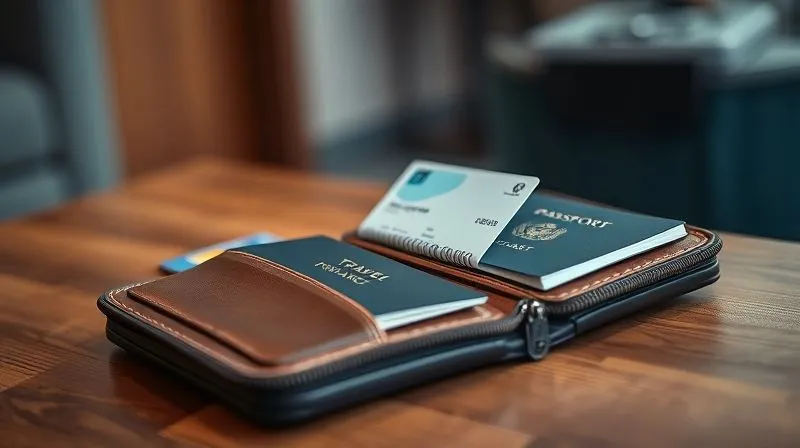
Your support network might be far away, but they need to be reachable and informed. Prepare a digital and physical emergency packet.
- Key Contacts: List family, friends, and your doctor with their phone numbers and email addresses. Share your itinerary with them.
- Passport & Visa Copies: Keep physical and digital copies (cloud storage, email draft) separate from the originals.
- Insurance Details: Policy number, emergency phone number, and a brief summary of coverage.
- Credit/Debit Cards: Have multiple cards from different banks, and notify your banks of your travel dates to avoid fraud alerts blocking transactions.
The Immediate Crisis: First 60 Minutes After an Incident
When an emergency happens, whether it's a sprained ankle or something more serious, the first hour is critical. Panic is a natural reaction, but training yourself to act decisively can significantly alter the outcome.
Assess & Stabilize: Prioritizing Your Safety
Your immediate priority is always your personal safety and assessing the situation calmly.
- Safety First: Are you in immediate danger? Move away from traffic, a precarious ledge, or any ongoing threat.
- Self-Assessment: What hurts? Can you move? Is there bleeding? Try to gauge the severity of your condition.
- Alert Others (if possible): If you're in a public place, try to get the attention of someone nearby. Use simple, universal phrases like 'Help!' or 'Doctor!'
- Stay Calm: Deep breaths can help slow your heart rate and allow you to think more clearly.
Contacting Your Insurance Provider: The First Call
Once you're safe and have a basic understanding of your condition, your travel insurance emergency hotline should be your very next call. I've seen travelers try to self-diagnose or find a local clinic first, wasting precious time and potentially incurring costs their insurance might not cover.
- Use Their Emergency Number: This is usually a 24/7 line specifically for medical emergencies.
- Explain Your Situation Clearly: State your location, what happened, and your symptoms.
- Follow Their Guidance: They will advise you on the nearest approved medical facility, arrange transport, or even coordinate with local emergency services. They are your best advocate in a foreign system.
Reaching Local Emergency Services: When 911 Isn't an Option
While your insurance is often the first point of contact, for severe, life-threatening emergencies, you need local help immediately. Remember, '911' is a US-specific number. Every country has its own emergency service numbers.
- Know the Local Numbers: Before you travel, research the emergency services numbers for your destination (police, ambulance, fire). Jot them down.
- Be Prepared to Communicate: If there's a language barrier, try to use simple words, gestures, or a translation app.
- Provide Key Information: Your exact location (street, building, nearest landmark), the nature of the emergency, and your name.
Navigating Foreign Healthcare Systems
Once you've made contact and received initial assistance, the next challenge is navigating the actual healthcare system. This can vary wildly from country to country, from highly privatized models to public systems, each with its own quirks and customs.
Finding Reputable Medical Facilities and Doctors
Your insurance provider will usually direct you to approved facilities. If not, don't just walk into the first clinic you see. Quality of care can vary significantly.
- Insurance Network: Always prioritize facilities within your travel insurance network.
- Embassy/Consulate Lists: Your embassy or consulate can often provide a list of recommended English-speaking doctors or hospitals.
- Expat Forums/Online Reviews: These can offer useful insights, but cross-reference information.
- International Standards: Look for hospitals that advertise international certifications or affiliations, which often indicate higher standards of care.
The World Health Organization provides general information on global health systems, but specific local knowledge is key.
Communication Barriers: Bridging the Language Gap
This is often the most frustrating aspect of a medical emergency abroad. Clear communication is paramount for accurate diagnosis and treatment.
- Translation Apps: Google Translate or similar apps are indispensable. Use them for specific medical terms.
- Interpreter Services: Your insurance provider might offer phone interpretation. Some larger hospitals have staff interpreters.
- Phrasebook: Carry a small medical phrasebook for basic questions and answers.
- Write it Down: If verbal communication is difficult, try writing down your symptoms and questions.
Understanding Treatment & Costs: Avoiding Surprises
Before agreeing to any major procedures or treatments, ensure you understand what's happening and the associated costs. This is where your insurance provider's advocacy is invaluable.
"Never assume anything in a foreign healthcare system. Always ask for clarification on diagnosis, treatment plans, and costs. Your insurance company is your best ally in this process."
Here’s a comparison table to help you make informed decisions:
| Decision Point | Action | Key Question |
|---|---|---|
| Treatment Plan | Ask for a clear explanation of diagnosis and proposed treatment. Inquire about alternatives. | What are the risks and benefits of this treatment? |
| Cost Estimation | Request an itemized estimate of all charges. Confirm direct billing with insurance. | Is this covered by my travel insurance? What is my out-of-pocket maximum? |
| Second Opinion | If feasible and not urgent, consider seeking a second opinion, especially for complex issues. | Can I consult with another specialist before proceeding? |
| Discharge Planning | Understand follow-up care, medication instructions, and any travel restrictions. | What are the instructions for my recovery and return travel? |
Managing Logistics: Beyond Medical Treatment
A medical emergency isn't just about the immediate health crisis; it's also about the ripple effect on your travel plans, finances, and emotional well-being. As a solo traveler, you're solely responsible for managing these logistics.
Notifying Your Embassy or Consulate: A Critical Resource
Many solo travelers overlook this, but your country's embassy or consulate can be an invaluable resource, especially in serious situations. While they can't pay your medical bills, they can offer significant support.
- Emergency Assistance: They can help you contact family, provide lists of local doctors, and even facilitate emergency passport replacement.
- Advocacy: In some cases, they can advocate on your behalf with local authorities or medical facilities, particularly if you feel your rights are being violated.
- Repatriation: For extreme cases, they might assist with arrangements for returning home.
Always have the contact details for your nearest embassy or consulate. The U.S. Department of State offers comprehensive guidance for citizens abroad.
Accommodation & Transportation Adjustments
Your initial plans will likely be disrupted. You might need to extend your stay, change flights, or find accessible accommodation.
- Communicate with Providers: Contact your airline, hotel, or tour operators as soon as possible to explain your situation. Many have compassionate policies for medical emergencies.
- Insurance Assistance: Your travel insurance might cover additional accommodation or transportation costs related to your medical emergency.
- Accessibility: If your injury affects mobility, ensure any new accommodation or transport is accessible.
Financial Management During an Emergency
Even with insurance, there might be unexpected out-of-pocket expenses. Having a financial buffer is crucial.
- Emergency Fund: Always travel with an emergency fund, separate from your daily spending money.
- Multiple Payment Methods: Ensure you have access to different credit cards and some local currency.
- Family Support: Know how family members can transfer funds to you quickly if needed (e.g., through Western Union or international bank transfers).
The Road to Recovery: Post-Incident Care and Return Home
The immediate crisis may have passed, but the journey isn't over. Recovery, follow-up care, and the process of returning home safely require continued vigilance and planning.
Follow-Up Care and Prescription Management
Before you leave any medical facility, ensure you have a clear understanding of your post-treatment plan.
- Discharge Instructions: Get written instructions for care, including wound care, activity restrictions, and signs of complications.
- Medication: Confirm any new prescriptions. Understand dosages, frequency, and potential side effects. Ask if the medication is available in your home country or if an equivalent can be prescribed.
- Medical Records: Request copies of all relevant medical records, including diagnostic reports, treatment summaries, and discharge notes. These will be vital for your ongoing care at home and for insurance claims.
Medical Evacuation: When It's Necessary
This is a serious consideration for severe cases, especially if local medical facilities cannot provide the necessary level of care or if your condition is too unstable for commercial travel. This is where robust travel insurance truly pays off.
- Insurance Decision: The decision for medical evacuation is typically made by your insurance provider's medical team, in consultation with local doctors.
- Coordination: They will arrange specialized medical transport, often with medical personnel accompanying you.
- Cost: Without insurance, a medical evacuation can cost tens to hundreds of thousands of dollars, underscoring the importance of comprehensive coverage.
Processing Insurance Claims: The Paperwork Trail
Once you're stable or back home, the administrative work begins. Don't procrastinate on this.
- Gather All Documents: Collect all medical bills, receipts, police reports (if applicable), discharge summaries, and any communication with your insurance provider.
- Complete Claim Forms: Fill out your insurance claim forms accurately and completely.
- Submit Promptly: Adhere to your insurance company's deadlines for submitting claims.
- Keep Records: Maintain copies of everything you submit.
"The devil is in the details when it comes to insurance claims. Meticulous record-keeping from the moment of the incident can expedite your reimbursement and save you significant headaches."
Case Study: Maria's Unexpected Detour in Peru
Maria, a 28-year-old solo traveler, was midway through a month-long backpacking trip across South America. In Cusco, Peru, she woke up with severe abdominal pain and a high fever. Alone in her hostel room, panic set in.
Following the preparations I always advocate, Maria first took a moment to breathe and assess. She then immediately called her travel insurance emergency hotline. The agent, speaking perfect English, guided her through the next steps. They located a highly-rated private clinic in Cusco that was part of their network and arranged for a taxi to pick her up, reassuring her that the clinic would bill the insurance directly.
At the clinic, Maria presented her medical summary. Despite a language barrier with some staff, the clinic provided an interpreter. Diagnosed with acute appendicitis, she underwent emergency surgery. Throughout her hospitalization, her insurance provider maintained contact, ensuring she received appropriate care and understood her treatment plan and costs. The US Embassy was also notified by her family, offering a point of contact if needed.
Post-surgery, Maria needed an extended recovery period. Her insurance covered the additional nights at a recovery-focused hotel and arranged for a business class flight home, as commercial economy travel was deemed unsafe by her doctors. Upon returning, her meticulously kept receipts and medical records ensured a smooth and swift claims process for the minor out-of-pocket expenses she incurred. Maria’s experience, while terrifying, was manageable thanks to her comprehensive preparation and quick, informed actions.
Building Your Solo Travel Medical Emergency Kit
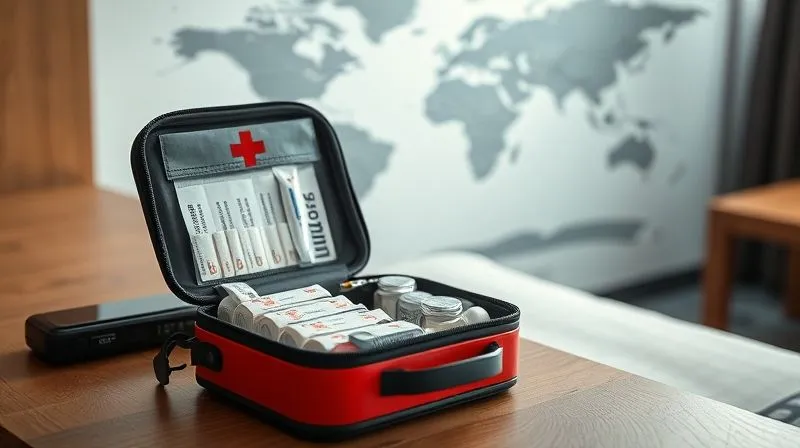
Beyond your personal health profile, a small, well-stocked medical kit can address minor issues and provide crucial first aid before professional help arrives.
- Basic First Aid: Band-aids, antiseptic wipes, pain relievers (ibuprofen/acetaminophen), allergy medication, anti-diarrhea pills, motion sickness tablets.
- Personal Prescriptions: Always carry at least a week's extra supply in original packaging.
- Rehydration Salts: Essential for combating dehydration from illness.
- Thermometer: A compact digital thermometer is invaluable.
- Hand Sanitizer: For hygiene in environments where water might be scarce.
- Small Flashlight: For emergencies in low-light conditions.
- Whistle: To attract attention if you're incapacitated.
Psychological Impact: Coping with the Stress and Trauma
Let's not overlook the emotional toll. Facing a medical emergency alone abroad isn't just physically taxing; it's mentally and emotionally draining. The isolation, fear, and uncertainty can lead to significant stress and even trauma.
Seeking Support and Maintaining Mental Health
It's okay to feel overwhelmed. Recognizing and addressing the psychological impact is part of a holistic recovery.
- Connect with Loved Ones: Even if they're far away, regular video calls can provide immense comfort and reduce feelings of isolation.
- Journaling: Writing down your thoughts and feelings can be a therapeutic way to process the experience.
- Professional Support: Don't hesitate to seek counseling or therapy upon your return. Many travel insurance policies also offer mental health support services.
- Patience with Yourself: Recovery isn't just physical. Allow yourself time to heal emotionally and mentally before jumping back into intense activities or planning your next big trip.
Frequently Asked Questions (FAQ)
Q: What if I don't speak the local language and need to call emergency services? A: Many countries have English-speaking operators on their emergency lines, especially in tourist areas. However, it's best to have a translation app ready or ask a local (hotel staff, hostel manager) to make the call for you. Your travel insurance emergency line can also often connect you to local services or provide an interpreter.
Q: Should I carry all my medication in my carry-on or checked luggage? A: Always carry essential medications in your carry-on bag. This prevents issues if your checked luggage is delayed or lost. Ensure they are in their original containers with prescription labels.
Q: How do I know if a hospital or doctor abroad is reputable? A: Your travel insurance provider is your best resource for finding approved and reputable facilities. Embassies and consulates also often maintain lists of recommended doctors. Avoid clinics that seem overly focused on tourists or have unusually aggressive billing practices.
Q: What if my travel insurance denies a claim? A: If a claim is denied, first understand the reason for the denial. Review your policy thoroughly. If you believe it's an error, appeal the decision with all supporting documentation. If necessary, seek legal advice or contact consumer protection agencies in your home country.
Q: Is it safe to travel solo again after a medical emergency? A: Absolutely. While a medical emergency can be traumatizing, it also provides invaluable lessons in preparedness and resilience. Many solo travelers emerge from such experiences with a renewed sense of confidence and a deeper understanding of their own strength. Take time to recover fully, review your preparation strategies, and ease back into travel at your own pace.
Key Takeaways and Final Thoughts
Navigating a medical emergency when solo abroad is undeniably one of the most challenging situations a traveler can face. Yet, as an experienced industry specialist, I've seen that with the right preparation and a clear action plan, it's a challenge that can be overcome, not a reason to avoid solo adventures.
- Prioritize Comprehensive Travel Insurance: It is your single most important safety net.
- Prepare Your Medical Profile: Make your health information accessible and clear.
- Know Your Emergency Contacts: Both your insurance provider and local services.
- Communicate Clearly: Use all available tools to bridge language barriers.
- Leverage Your Support Network: Insurance, embassy, and loved ones are there to help.
- Document Everything: For seamless insurance claims and continuity of care.
- Address Psychological Impact: Your mental well-being is as crucial as your physical health.
Solo travel is an incredible journey of self-discovery and empowerment. By understanding what to do when solo abroad with a medical emergency, you're not inviting trouble; you're empowering yourself with knowledge and resilience. Travel wisely, prepare thoroughly, and embrace the world with confidence, knowing you're equipped for whatever comes your way.

Recommended Reading
- Elevate Client Relations: 5 Unique Craft Beer Tour Ideas That Impress
- Master 7 Strategies: How to Avoid Post-Carnival Productivity Slump at Work
- Burnout Breakthrough: 7 Steps to Choosing Your Perfect Meditation Getaway
- Time-Pressed Founders: 7 Steps to Epic Road Trips & Burnout Prevention
- Unlock City Landmarks: Maximize Your Work Trip Sightseeing in 5 Steps





Your email address will not be published. Required fields are marked *