

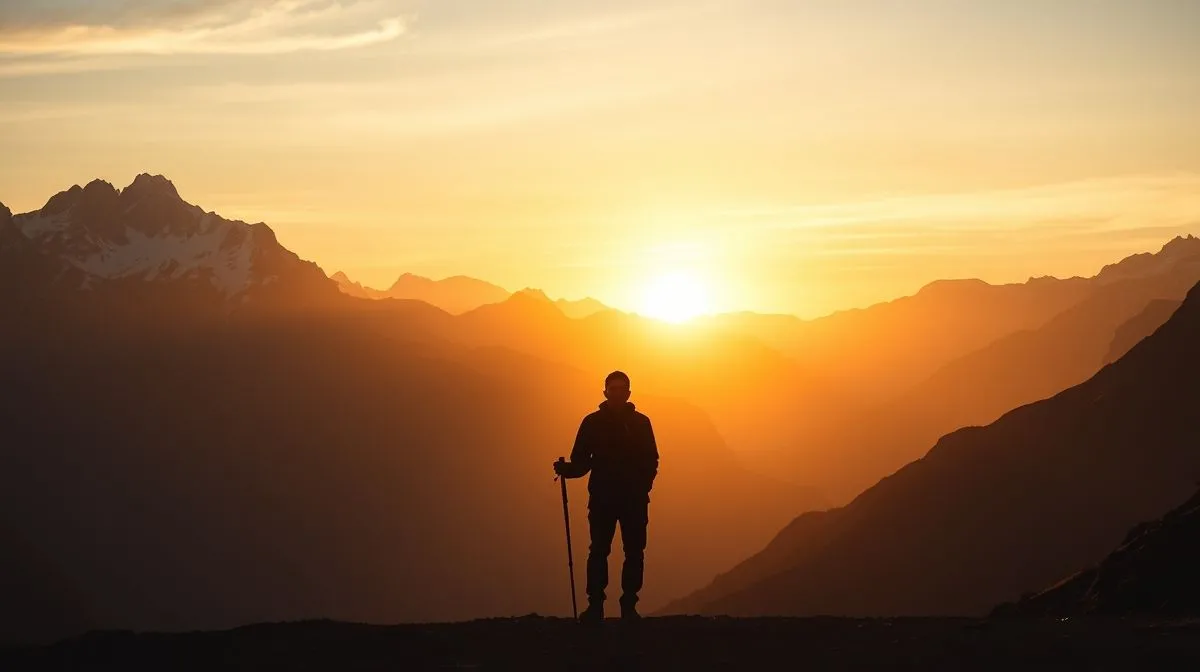
What to Expect from a Spiritual Adventure Pilgrimage?
Have you ever felt an inexplicable pull towards something greater, a whisper in your soul urging you to seek beyond the mundane? Perhaps you’ve heard tales of ancient paths, sacred mountains, or remote temples, and wondered what it would truly be like to embark on such a profound quest. It’s a calling that transcends mere tourism, inviting you into a journey of self-discovery and spiritual awakening.
Many are drawn to the concept of a spiritual adventure pilgrimage but find themselves at a crossroads, unsure of the practicalities and the deeper implications of such an undertaking. The mystique surrounding these journeys can be both alluring and daunting, leaving prospective pilgrims with more questions than answers about what lies ahead.
This comprehensive guide aims to demystify the spiritual adventure pilgrimage, offering a realistic and inspiring look at the physical, mental, and spiritual facets of such a journey. By the end of this reading, you will have a clear understanding of what to expect from a spiritual adventure pilgrimage, from the initial stirrings of intent to the profound integration of your experiences back into daily life.
Defining the Spiritual Adventure Pilgrimage
At its core, a spiritual adventure pilgrimage is a journey undertaken with a specific spiritual intention. It's not merely a vacation or a challenging trek; it's a purposeful quest designed to foster personal growth, introspection, and a deeper connection to one's inner self or a higher power. This journey often involves travel to sacred sites, natural wonders, or places of historical spiritual significance.
More Than Just a Hike
While many pilgrimages involve extensive walking, hiking, or even strenuous physical activity, the adventure aspect extends beyond physical exertion. It encompasses the willingness to step outside one's comfort zone, to face the unknown, and to embrace the challenges—both external and internal—that arise. Unlike a typical adventure sport, the primary goal is not conquest of a peak or a record time, but rather the internal transformation that unfolds through the journey itself.
The distinction lies in the intention. A hiker might seek physical challenge and scenic views; a pilgrim seeks spiritual insights and a deeper understanding of existence. The path becomes a metaphor for life's journey, with each step offering opportunities for reflection and growth.
Historical Roots and Modern Interpretations
Pilgrimages have been a fundamental part of human spiritual practice for millennia, spanning diverse cultures and religions. From the Hajj to Mecca, the Camino de Santiago in Spain, to the arduous treks to Mount Kailash in Tibet, these journeys have historically served as rites of passage, acts of devotion, or quests for healing and enlightenment. They are often deeply embedded in the collective consciousness of a people, representing shared values and spiritual aspirations.
In contemporary times, the concept has broadened. While traditional religious pilgrimages continue, many modern spiritual adventure pilgrimages are secular or interfaith, focusing on personal exploration, healing from trauma, finding purpose, or deepening one's connection to nature. The destination might be a well-known sacred site, or simply a wild, untamed landscape that offers solitude and contemplation. The common thread is the intentional pursuit of spiritual growth through a challenging journey.
The Pre-Pilgrimage Phase: Preparation is Key
The success and depth of your spiritual adventure pilgrimage are significantly influenced by the preparation you undertake before you even take your first step. This phase is about more than packing a bag; it's about preparing your entire being for the transformative experience ahead.
Physical Readiness
Depending on the nature of your pilgrimage, physical demands can range from moderate to extreme. Many spiritual paths involve long periods of walking, sometimes over challenging terrain or in varying weather conditions. Therefore, physical conditioning is paramount. Start a training regimen several months in advance, focusing on endurance, strength, and flexibility.
- Cardiovascular Training: Regular brisk walks, jogging, or cycling to build stamina.
- Strength Training: Focus on core, leg, and back muscles to support your body and carry a pack.
- Foot Care: Invest in high-quality, broken-in footwear and practice walking long distances in them. Learn to prevent and treat blisters.
- Health Check-up: Consult your doctor, especially if you have pre-existing conditions, and ensure all vaccinations are up to date.
Don't underestimate the importance of physical preparation; it allows you to focus on the spiritual aspects of the journey rather than being constantly distracted by discomfort or injury.
Mental and Emotional Groundwork
A spiritual pilgrimage is as much a mental and emotional journey as it is a physical one. Preparing your mind and heart can help you navigate the inevitable challenges and maximize the profound insights.
- Set Intentions: Clearly define why you are undertaking this pilgrimage. What questions do you seek answers to? What aspects of yourself do you wish to explore or heal?
- Manage Expectations: While the journey is transformative, it's not a magic bullet. Be open to whatever arises, rather than clinging to preconceived notions of enlightenment.
- Practice Mindfulness: Begin a meditation or mindfulness practice to cultivate presence and inner calm. This will be invaluable on the path.
- Embrace Discomfort: Mentally prepare for periods of solitude, physical discomfort, and emotional vulnerability. These are often the crucibles of growth.
Allow yourself to be open to the unexpected, for it is often in the unplanned moments that the deepest lessons are learned.
Logistical Planning
While spontaneity has its place, a solid logistical framework ensures safety and reduces unnecessary stress. This includes route planning, accommodation, budget, and safety protocols.
- Route Research: Understand the terrain, weather patterns, and availability of resources along your chosen path.
- Accommodation: Decide whether you will camp, stay in hostels, or book private lodging. Book in advance for popular routes or peak seasons.
- Budget: Account for transport, food, accommodation, gear, and emergency funds.
- Safety and Communication: Inform loved ones of your itinerary. Carry essential safety gear, first-aid, and a reliable communication device. Familiarize yourself with local emergency services. For comprehensive travel safety advice, consult resources like the U.S. Department of State's international travel advisories.
Thorough planning frees your mind to engage with the spiritual dimensions of the journey, knowing that practicalities are handled.
On the Path: Navigating the Journey
Once you step onto the path, the true adventure begins. This phase is characterized by dynamic experiences, both external and internal, that will test your limits and open your heart.
Embracing Discomfort and Challenges
A spiritual adventure pilgrimage is rarely a smooth, uninterrupted progression. You will likely encounter physical fatigue, adverse weather, unexpected detours, and moments of doubt or loneliness. These challenges are not obstacles to your spiritual growth but rather integral parts of it.
Embrace discomfort as a teacher. The aching muscles, the pouring rain, the feeling of being lost—each can reveal your resilience, patience, and adaptability. It's in these moments that you learn to surrender, to trust, and to find strength you didn't know you possessed. As renowned adventurer Reinhold Messner once said, "The mountain does not care about your ego." Similarly, the pilgrimage strips away the non-essentials, revealing your true self.
The Power of Solitude and Community
Many pilgrimages offer a unique blend of profound solitude and unexpected community. There will be stretches where you walk alone, allowing for deep introspection and communion with nature. These solitary moments are crucial for processing thoughts and emotions, and for listening to the quiet voice of your intuition.
Conversely, you will also encounter fellow pilgrims from diverse backgrounds, each on their own unique quest. Sharing stories, meals, and support creates powerful bonds. These interactions can offer new perspectives, moments of profound connection, and a sense of shared humanity. Learning to balance these two states—deep solitude and genuine connection—is a significant part of the pilgrimage experience.
Mindfulness and Presence
The pace of a pilgrimage, often slower than modern life, naturally encourages mindfulness. Each step, each breath, each vista becomes an opportunity for presence. Pay attention to the sensory details: the feel of the earth beneath your feet, the sound of the wind, the scent of the trees. This heightened awareness grounds you in the present moment, allowing you to fully absorb the experience.
Practice walking meditation, focusing on your breath and the rhythm of your steps. Engage all your senses. This practice deepens your connection to the environment and to your own inner landscape, transforming a simple walk into a profound spiritual practice.
Encountering the Sacred
Whether your pilgrimage is to ancient temples, natural cathedrals, or simply through landscapes that resonate with deep spiritual energy, you will encounter the sacred. This might manifest as a profound sense of peace at a historical shrine, an overwhelming awe at the grandeur of a mountain peak, or a feeling of interconnectedness with all life in a forest.
Be open to these moments. They are often subtle, not grand epiphanies, but quiet whispers of universal truth. Engage with local traditions respectfully, learn about the history and significance of the places you visit. This cultural immersion enhances the spiritual depth of your journey. For more on the cultural significance of pilgrimages, explore resources like Wikipedia's comprehensive article on Pilgrimage.
The Internal Landscape: Spiritual Transformation
The most profound aspects of a spiritual adventure pilgrimage unfold within. The external journey serves as a catalyst for deep internal shifts, leading to lasting personal and spiritual transformation.
Self-Discovery and Inner Healing
Stripped of daily routines and distractions, you are confronted with yourself. The solitude and challenges of the path create a fertile ground for self-reflection. Old patterns, unresolved emotions, and forgotten dreams may surface. This can be uncomfortable, even painful, but it is also an opportunity for profound healing and self-discovery.
Many pilgrims report gaining clarity on their life's purpose, understanding past experiences from a new perspective, and identifying areas for personal growth. The journey often acts as a mirror, reflecting back truths that are often obscured in the busyness of everyday life.
Shifting Perspectives and Values
Walking for days or weeks, carrying only what you need, and living simply can fundamentally alter your perspective on what is truly important. Material possessions often lose their luster, replaced by an appreciation for basic needs and simple comforts. You may find your values shifting, prioritizing experiences, relationships, and inner peace over external achievements or material wealth.
This shift can be liberating, freeing you from societal pressures and allowing you to align more closely with your authentic self. You learn to appreciate the resilience of the human spirit and the beauty of the natural world in a way that daily life rarely affords.
Deepening Your Faith or Spirituality
Regardless of your specific beliefs, a spiritual adventure pilgrimage often deepens your connection to something larger than yourself. For some, this means a renewed or strengthened faith in a particular religion. For others, it's a profound sense of interconnectedness with nature, the universe, or a universal life force.
The act of pilgrimage itself is an act of devotion and trust. It requires faith in the path, in yourself, and in the unseen forces that guide you. This experience can lead to a more personal, experiential understanding of spirituality, far beyond dogmas or doctrines. It is a direct encounter with the sacred, whatever form that takes for you.
Common Pitfalls to Avoid on Your Pilgrimage
While the spiritual adventure pilgrimage is deeply rewarding, certain missteps can hinder your experience. Being aware of these common pitfalls can help you navigate your journey more effectively.
Over-Planning vs. Under-Planning
There's a delicate balance between meticulous planning and rigid adherence to a schedule. Over-planning can stifle spontaneity and the ability to adapt to unexpected opportunities or challenges. Conversely, under-planning can lead to unnecessary stress, safety issues, or missed vital experiences. The key is to have a flexible framework, allowing for both preparation and adaptability.
Ignoring Physical Limits
Pushing yourself too hard, especially in the early stages, can lead to injury, exhaustion, and a diminished capacity to enjoy the spiritual aspects of the journey. Listen to your body, take rest days when needed, and don't be afraid to adjust your pace or itinerary. The pilgrimage is not a race; it's a marathon for the soul.
Expecting Instant Enlightenment
Many embark on a spiritual adventure pilgrimage with the expectation of a sudden, dramatic spiritual awakening. While profound insights often occur, they are usually gradual, unfolding over time and through sustained effort. Expecting instant enlightenment can lead to disappointment and a feeling of failure. Instead, cultivate patience and openness to the subtle shifts and quiet revelations that accumulate over the journey.
Neglecting Integration Post-Pilgrimage
The journey doesn't end when you return home. One of the biggest pitfalls is failing to integrate the lessons and insights gained on the path into your daily life. Without conscious effort, the profound shifts can fade, and you might slip back into old patterns. The integration phase is crucial for making the pilgrimage a lasting force for positive change.
Bringing the Pilgrimage Home: Integration and Aftermath
The return from a spiritual adventure pilgrimage is often as challenging and transformative as the journey itself. The true test lies in how you integrate your profound experiences into the fabric of your everyday life.
Sustaining the Insights
The insights gained on the path are precious. To sustain them, consciously create practices that help you remember and apply the lessons. This might involve continuing your mindfulness practice, journaling about your experiences, connecting with fellow pilgrims, or finding ways to simplify your life. Regularly revisiting your intentions and the discoveries you made can help keep the pilgrimage alive within you.
Consider dedicating time each day or week to reflection, perhaps through meditation or by spending time in nature. The goal is to weave the threads of your spiritual journey into your daily existence, making it a living, breathing part of who you are.
Sharing Your Story
While some experiences are deeply personal and not meant for sharing, recounting your pilgrimage can be a powerful way to process your journey and inspire others. Whether through conversations with trusted friends, writing, or even creating art, sharing your story can solidify your understanding and allow others to learn from your path. However, remember that the true impact of the pilgrimage is internal, not dependent on external validation.
The Ongoing Journey
Ultimately, a spiritual adventure pilgrimage is a powerful metaphor for life itself. It teaches us that life is an ongoing journey of growth, discovery, and transformation. The insights gained on the path are not finite; they are seeds that continue to grow and evolve long after you return home. Embrace the idea that every day is a new opportunity for pilgrimage, a chance to walk mindfully, learn deeply, and connect authentically with the world around you. The pilgrimage never truly ends; it simply shifts its form.
Frequently Asked Questions (FAQ)
How long does a typical spiritual adventure pilgrimage last? The duration varies greatly. Some can be a few days or a week, while others, like the Camino de Santiago, can take several weeks or even months. It depends on the route, your pace, and your intentions.
Do I need to be religious to go on a spiritual pilgrimage? No, not necessarily. While many pilgrimages have religious origins, modern spiritual adventure pilgrimages can be secular or interfaith, focusing on personal growth, self-discovery, and connection to nature or universal spirituality, rather than specific religious dogma.
What is the most important thing to pack for a spiritual adventure pilgrimage? Beyond essential gear like good footwear and appropriate clothing, the most important thing to pack is an open mind and a resilient spirit. These internal tools will serve you far better than any material possession.
Is it safe to go on a solo spiritual pilgrimage? Many people undertake solo pilgrimages and find them incredibly rewarding. However, safety depends on the specific route, your preparation, and local conditions. Research your chosen path thoroughly, inform others of your plans, and follow general travel safety guidelines.
How do I choose the right spiritual adventure pilgrimage for me? Consider your intentions, physical fitness level, time availability, and what kind of spiritual connection you seek. Research different types of pilgrimages—from ancient routes to nature-based treks—and choose one that resonates deeply with your personal quest.
Recommended Reading
- Unlock Europe: The Ultimate Guide to Making Train Reservations with Your Eurail Pass
- The Ultimate Guide: Maximizing Comfort on Long-Haul Business Class Flights
- Unlock the Secrets: Your Ultimate Guide to Sustainable Volunteer Trips
- Unveiling the Health Effects of Lunar Tourism: Are You Ready for Space?
- Is a Luxury All-Inclusive Beach Resort Truly Worth the Price? The Ultimate Guide
Conclusion
Embarking on a spiritual adventure pilgrimage is an extraordinary commitment, a conscious decision to step beyond the familiar and delve into the depths of your own being. From the meticulous preparation of body and mind to the profound challenges and revelations encountered on the path, and finally, the crucial process of integrating these transformative experiences into your daily life, the journey is a holistic evolution. Understanding what to expect from a spiritual adventure pilgrimage empowers you to approach this sacred undertaking with courage, openness, and a readiness for profound personal growth. May your path be filled with discovery, peace, and an enduring connection to the sacred within and around you.




Your email address will not be published. Required fields are marked *