

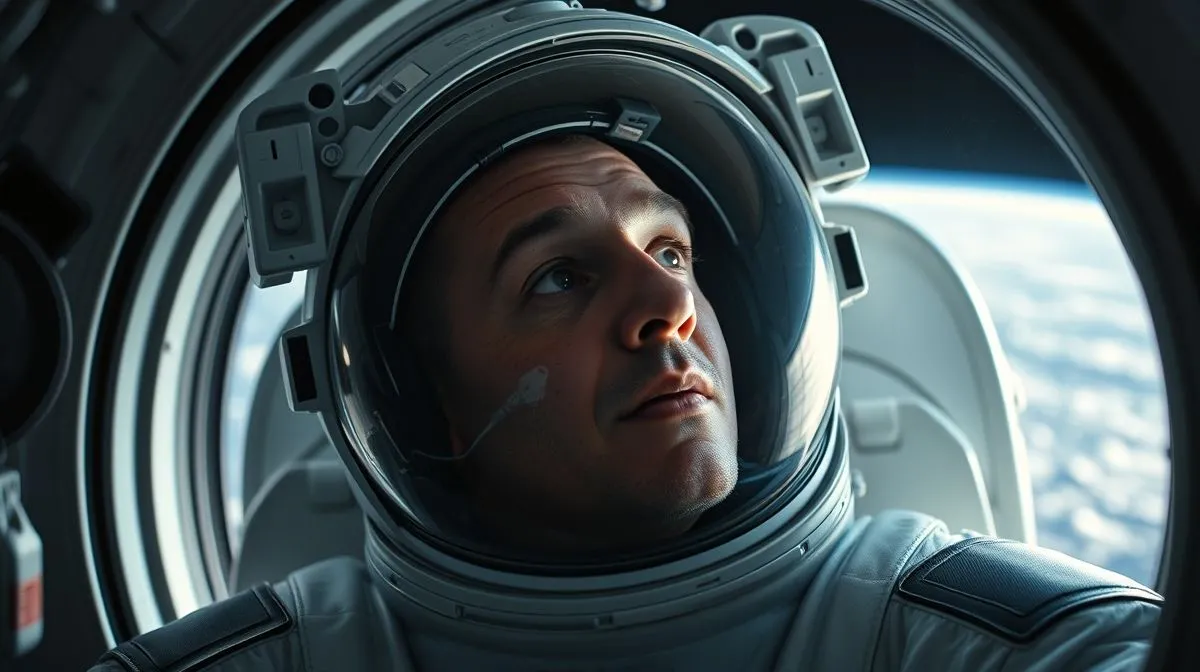
Navigating the Lunar Frontier: Understanding the Health Effects of Lunar Tourism
Imagine a future where a weekend getaway isn't to a tropical island, but to the majestic, silent expanse of the Moon. The idea of lunar tourism, once confined to science fiction, is rapidly approaching reality, promising unparalleled views and experiences. But as we gaze towards this cosmic horizon, a fundamental question emerges: Are our bodies truly ready for such an extraordinary journey?
The human body, exquisitely adapted to Earth's gravity and protective atmosphere, faces a gauntlet of unprecedented challenges in the lunar environment. From the pervasive threat of radiation to the subtle yet profound impacts of altered gravity, understanding these physiological and psychological shifts is paramount. This isn't just about surviving; it's about thriving in a world fundamentally alien to our biology.
This comprehensive guide will delve deep into what are the health effects of lunar tourism, meticulously exploring the spectrum of risks and adaptations required for human flourishing beyond Earth. By the end of this reading, you will gain a profound understanding of the medical frontiers being pushed, the solutions being developed, and the ultimate preparedness required for humanity's next great leap.
The Invisible Threat: Space Radiation
One of the most formidable and least visible dangers awaiting lunar tourists is space radiation. Unlike Earth, which is shielded by a robust magnetic field and a thick atmosphere, the Moon offers minimal protection. This exposes space travelers to two primary forms of hazardous radiation: Galactic Cosmic Rays (GCRs) and Solar Particle Events (SPEs).
Galactic Cosmic Rays (GCRs) and Solar Particle Events (SPEs)
GCRs are high-energy particles originating from outside our solar system, primarily from supernova explosions. They are constantly present and penetrate spacecraft and human tissue with ease. Their long-term exposure can cause significant cellular damage. SPEs, on the other hand, are sudden, intense bursts of high-energy particles emitted by the Sun, often associated with solar flares and coronal mass ejections. While less frequent, an SPE can deliver a lethal dose of radiation within hours if an unshielded astronaut is caught in its path.
The biological impact of these radiations is multifaceted. They can damage DNA, leading to an increased risk of cancer, cataracts, and degenerative diseases affecting the central nervous system and cardiovascular system. The brain, in particular, is vulnerable, with potential long-term effects on cognitive function and memory. Studies on astronauts who have spent time in space, though not yet on the Moon, consistently highlight radiation as a critical concern for extended missions.
Long-Term Consequences of Radiation Exposure
The cumulative effect of radiation exposure during lunar tourism could manifest years after the trip. Beyond cancer, there's concern about accelerated aging, damage to vital organs, and a compromised immune system. For instance, research indicates that astronauts on long-duration missions show signs of DNA damage and chromosomal aberrations, which are precursors to various diseases. The challenge for lunar tourism is that individuals might undertake multiple trips, compounding the risk.
Mitigating Radiation Risks
Mitigation strategies are crucial for ensuring the safety of lunar tourists. These include:
- Shielding: Developing spacecraft and habitats with materials that can effectively block or attenuate radiation, such as water, polyethylene, or lunar regolith.
- Predictive Models: Improving space weather forecasting to predict SPEs, allowing for 'storm shelters' within habitats or mission aborts.
- Pharmaceutical Countermeasures: Researching and developing radioprotective drugs that can minimize cellular damage from radiation exposure.
- Mission Duration: Limiting the time spent in deep space or on the lunar surface, especially during periods of high solar activity.
Microgravity's Grip: Physiological Changes in Low Gravity
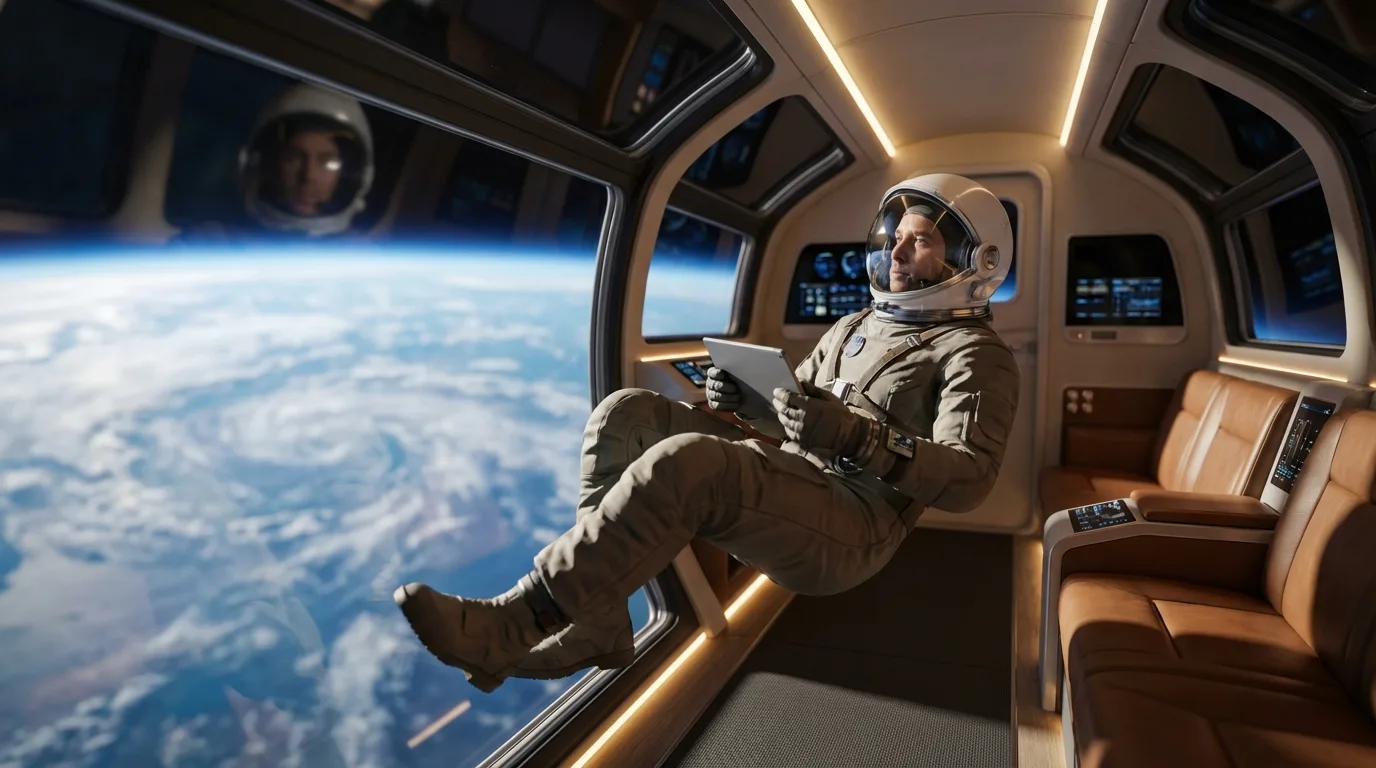
The Moon's gravity is approximately one-sixth that of Earth's. While not true microgravity like in Earth orbit, this reduced gravity still profoundly impacts the human body, leading to a cascade of physiological adaptations and potential health issues for lunar tourists.
Bone Density Loss and Muscle Atrophy
Without the constant pull of Earth's gravity, bones lose density and muscles atrophy. Weight-bearing bones, like those in the legs and spine, are particularly affected. Astronauts can lose 1-2% of their bone mineral density per month in space, a rate comparable to severe osteoporosis. Similarly, muscles, especially those responsible for posture and locomotion, weaken significantly. This necessitates rigorous exercise regimens to counteract these effects, both during and after lunar missions.
Cardiovascular System Adaptation
In microgravity, fluids shift upwards towards the head and chest, leading to a puffy face and 'bird legs'. This fluid shift initially fools the body into thinking it has too much fluid, leading to increased urination and a reduction in blood volume. The heart, no longer needing to work as hard to pump blood against gravity, can become deconditioned. Upon returning to Earth's full gravity, individuals often experience orthostatic intolerance, dizziness, and a rapid heart rate due to their cardiovascular system struggling to readjust. This immediate readaptation is a critical health effect of lunar tourism that needs careful management.
Vision Impairment (SANS)
A significant concern is Spaceflight-Associated Neuro-ocular Syndrome (SANS), where astronauts experience changes in vision, including blurred vision and swelling of the optic nerve. This is believed to be linked to the fluid shifts and increased intracranial pressure in microgravity. While not fully understood, SANS poses a long-term health risk for space travelers, potentially affecting their vision permanently. Research by NASA and other space agencies is intensely focused on understanding and mitigating SANS.
Fluid Shifts and Edema
Beyond vision, fluid shifts can lead to other issues like nasal congestion, headaches, and a general feeling of fullness in the head. While often temporary, prolonged exposure could exacerbate these conditions, impacting comfort and performance during a lunar visit. The body's intricate fluid regulation system is simply not designed for such prolonged states of altered gravity.
The Brain in Space: Psychological and Neurological Impacts
Beyond the physical, the psychological and neurological health effects of lunar tourism are equally critical. The extreme environment, isolation, and inherent risks can take a significant toll on mental well-being and cognitive function.
Confinement and Isolation
Lunar habitats, by necessity, will be small and enclosed, offering limited privacy and personal space. Coupled with the vast, desolate lunar landscape outside, this can lead to feelings of confinement, isolation, and loneliness. The absence of natural cues like changing weather, familiar sounds, and the presence of loved ones can contribute to stress, anxiety, and even depression. Crew cohesion and psychological support systems will be vital.
Circadian Rhythm Disruption
The Moon's day-night cycle is approximately 29.5 Earth days long. Inside a habitat, artificial lighting and schedules will be necessary, but prolonged exposure to an environment without a natural 24-hour cycle can disrupt circadian rhythms. This can lead to sleep disturbances, fatigue, and impaired cognitive function, all of which can compromise safety and enjoyment during a lunar trip.
Cognitive Performance and Decision Making
The combination of radiation exposure, fluid shifts affecting the brain, sleep deprivation, and psychological stress can impact cognitive performance. Studies suggest that astronauts may experience subtle deficits in attention, memory, and decision-making abilities. For high-stakes environments like space, maintaining peak cognitive function is paramount for both routine operations and emergency responses.
Neurological Adaptations
The brain itself undergoes structural and functional changes in space. Research using MRI scans of astronauts has shown shifts in brain matter and fluid, and changes in neural connectivity. While some of these changes are reversible, the long-term implications for brain health and neurological function, especially after multiple lunar trips, are still being studied. The body's ability to adapt to new gravitational environments is fascinating but not without its costs.
The Gut and Immunity: Digestive and Immunological Responses
The health effects of lunar tourism also extend to the less obvious but equally vital systems: the digestive tract and the immune system. Both are profoundly influenced by the novel stresses of space travel.
Altered Microbiome
The human gut microbiome, a complex ecosystem of bacteria, fungi, and viruses, plays a crucial role in digestion, immunity, and even mental health. Spaceflight, with its unique diet, stress, radiation, and altered environment, can significantly alter the composition and function of the gut microbiome. These changes can impact nutrient absorption, increase susceptibility to infections, and potentially influence mood and cognition.
Compromised Immune System
Astronauts frequently exhibit a suppressed immune system during spaceflight. This can make them more vulnerable to infections, reactivate latent viruses (like herpes), and potentially reduce the effectiveness of vaccines. Factors contributing to this immunosuppression include radiation exposure, chronic stress, altered sleep patterns, and changes in the microbiome. For lunar tourists, this means a heightened risk of illness, making pre-flight health screening and in-flight medical support even more critical.
Preparing for the Journey: Medical Screening and Training
Given the array of potential health effects of lunar tourism, rigorous preparation is not just recommended, but essential. This involves comprehensive medical screening and intensive pre-flight training programs designed to mitigate risks.
Rigorous Health Assessments
Prospective lunar tourists will undergo extensive medical evaluations, far beyond a typical physical. This includes detailed cardiovascular assessments, bone density scans, neurological examinations, vision tests, and psychological evaluations. Any pre-existing conditions that could be exacerbated by the space environment, such as heart conditions, osteoporosis, or certain psychological predispositions, would likely disqualify an individual. The goal is to ensure that only the healthiest individuals embark on these pioneering journeys, reducing the likelihood of in-flight medical emergencies.
Pre-Flight Conditioning Programs
Once cleared medically, tourists will likely undergo a demanding physical conditioning program. This would include strength training to build muscle mass, cardiovascular exercises to optimize heart health, and balance training to prepare for altered gravity. Analog environments, like parabolic flights simulating microgravity or specialized centrifuges, might be used to acclimatize individuals to the sensations of spaceflight. Psychological preparedness, including stress management techniques and team-building exercises, will also be crucial, especially for longer stays on the Moon.
In-Flight Medical Support
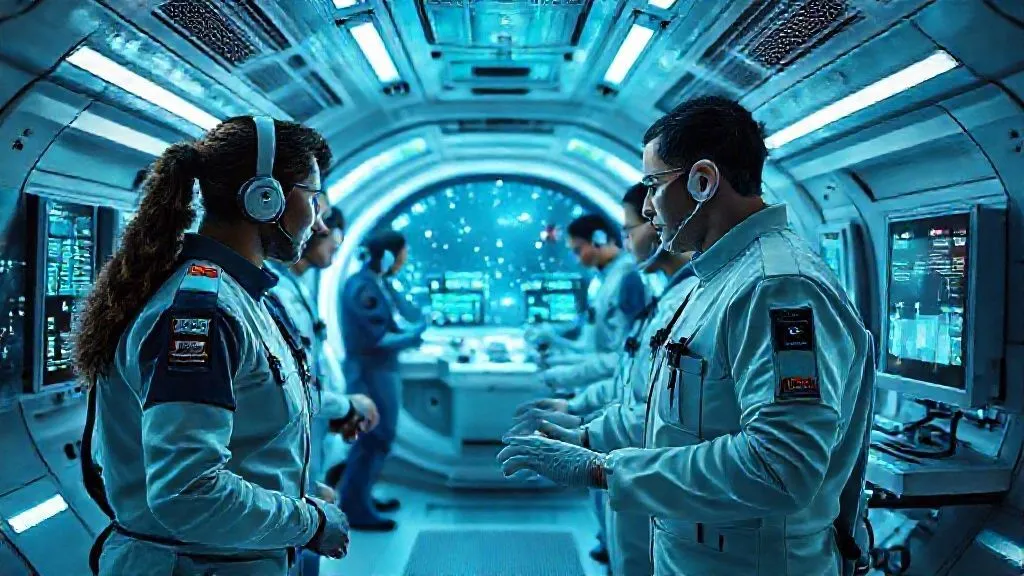
Even with thorough preparation, unforeseen medical issues can arise. Lunar tourism missions will require robust in-flight medical support. This could range from trained medical personnel on board to advanced telemedicine capabilities connecting tourists with Earth-based specialists. On-board medical kits would need to be comprehensive, capable of addressing a wide range of emergencies, from minor injuries to severe illnesses. The logistics of medical evacuation from the Moon, while complex, would also be a critical consideration for safety protocols.
The Future of Lunar Healthcare: Innovations and Solutions
As lunar tourism transitions from concept to reality, the focus on managing and mitigating its health effects continues to drive innovation in space medicine. The challenges are immense, but so too is the human ingenuity dedicated to overcoming them.
Advanced Countermeasures
Future space medicine is exploring a range of advanced countermeasures. This includes personalized exercise prescriptions based on individual physiological responses, advanced nutritional supplements designed to counteract bone and muscle loss, and even genetic therapies to enhance resilience against radiation. Biomedical sensors and wearable technologies will become more sophisticated, providing real-time health monitoring and early detection of potential issues. Imagine a smart suit that monitors your vital signs and adjusts environmental controls to optimize your well-being.
On-Site Medical Facilities
For more extended lunar stays, the development of small, modular medical facilities on the Moon itself will be essential. These could range from basic first-aid stations to more advanced clinics capable of minor surgeries and emergency stabilization. The ability to perform diagnostic tests and administer treatments without relying solely on Earth will significantly enhance safety and autonomy for lunar inhabitants and tourists alike. This infrastructure will be critical for truly establishing a sustained human presence.
Ethical Considerations in Space Health
The advent of lunar tourism also brings forth complex ethical considerations. Who is responsible for the long-term health of space tourists? What level of risk is acceptable for commercial ventures? How will medical emergencies be handled, particularly if resources are limited? These questions require careful deliberation and the establishment of international guidelines and regulations to ensure the safety and well-being of all who venture beyond Earth.
Frequently Asked Questions (FAQ)
Is lunar tourism safe? While space agencies and private companies are striving to make lunar tourism as safe as possible, it inherently carries significant risks due to the extreme environment of space and the Moon. These risks include radiation exposure, the physiological effects of altered gravity, and psychological challenges. Safety is a paramount concern, but it's important to understand it's not without danger.
How long does it take for the body to recover from space travel? Recovery time varies greatly depending on the duration of the mission and the individual. Short trips (days to weeks) might see recovery in a few days to weeks for most physiological systems. Longer missions (months) can take months to even a year or more for full recovery, particularly for bone density, muscle mass, and cardiovascular deconditioning. Some changes, like certain vision impairments, might be permanent.
What are the most significant health risks of lunar tourism? The most significant health risks include high doses of space radiation (Galactic Cosmic Rays and Solar Particle Events) leading to increased cancer risk and neurological damage, bone density loss and muscle atrophy due to low gravity, cardiovascular deconditioning, and potential vision impairment (SANS). Psychological challenges from isolation and confinement are also critical.
Will I need special insurance for lunar tourism? Yes, it is highly probable that specialized insurance will be required for lunar tourism, covering not only medical emergencies and evacuation but also potentially the long-term health implications of space travel. Standard travel insurance policies typically do not cover spaceflight.
What research is being done on space health? Extensive research is being conducted by space agencies like NASA and ESA, universities, and private companies. Focus areas include developing better radiation shielding, understanding and mitigating microgravity's effects on the body (e.g., bone loss, SANS), studying the microbiome in space, developing advanced medical equipment for remote environments, and researching countermeasures to protect astronaut health. For more detailed information, NASA's Human Research Program offers insights into current studies.
Recommended Reading
- Wild Camping Checklist for Beginners UK: Your Essential Guide
- Unveiling the Truth: How Safe Are Private Space Tourism Rocket Launches?
- Your Ultimate Guide: How to Select a Space Tourism Company for Your Journey
- Unlock Europe: The Ultimate Guide to Making Train Reservations with Your Eurail Pass
- Unveiling the Secrets: What Makes a Safari Truly Luxurious Experience?
Conclusion
The prospect of lunar tourism is undeniably exhilarating, promising a new era of human exploration and adventure. However, a responsible approach demands a profound understanding of what are the health effects of lunar tourism. From the insidious threat of space radiation and the physiological adaptations to reduced gravity, to the complex psychological challenges of confinement, every aspect of human biology is tested beyond Earth's protective embrace. While the journey to safeguard future lunar travelers is ongoing, with significant advancements in space medicine and engineering, the ultimate success of lunar tourism hinges on our ability to prioritize human health and well-being. As we look to the Moon, let us do so with a clear understanding of the challenges, a commitment to innovation, and an unwavering dedication to the health and safety of all who dare to dream of a lunar vacation. The future of space travel is not just about rockets and destinations; it's about ensuring humanity can thrive in the cosmos.


Your email address will not be published. Required fields are marked *