

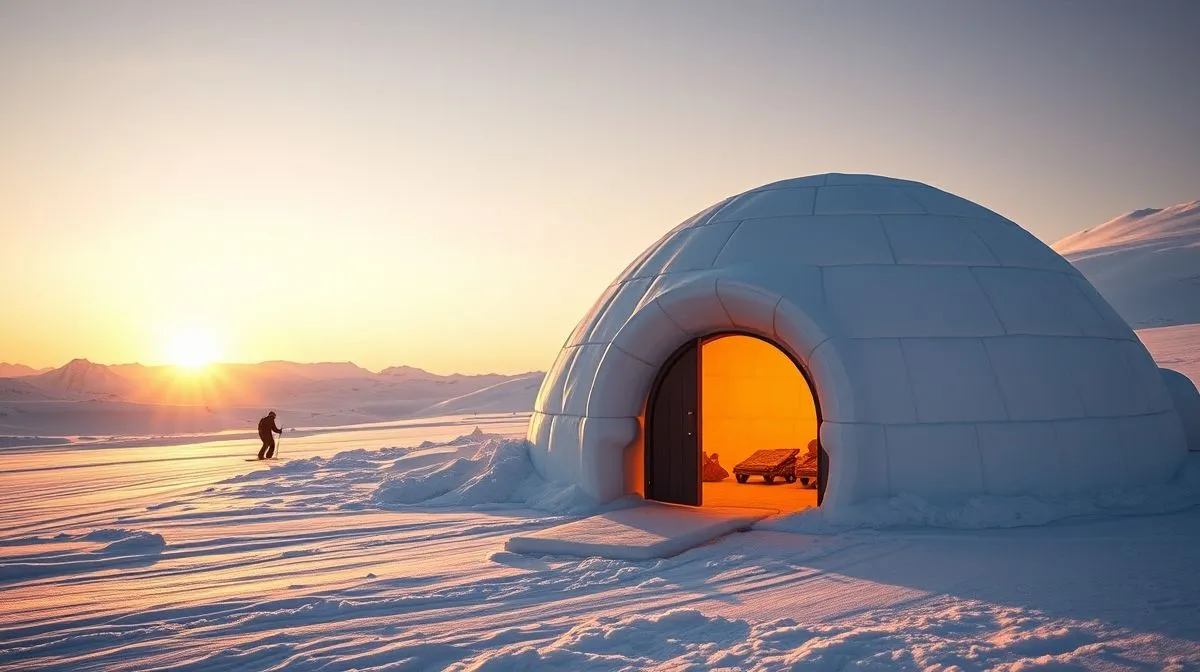
Are Igloo Stays Suitable for Winter Sports Fans? Unveiling the Ultimate Snowy Retreat
Imagine carving fresh tracks down a pristine, snow-covered slope, the crisp mountain air invigorating your lungs. As twilight descends, painting the sky with hues of orange and purple, where do you envision retreating? A cozy lodge with a roaring fire, perhaps? Or something far more... unique, a dwelling sculpted from the very snow you've just conquered?
For the avid winter sports enthusiast, the choice of accommodation is more than just a place to sleep; it's an integral part of the adventure, influencing everything from convenience to the overall experience. This raises a compelling question: can the seemingly primitive, yet undeniably enchanting, igloo truly serve as a viable and even desirable basecamp for a demanding winter sports holiday?
This comprehensive guide dives deep into the world of igloo stays, meticulously examining their suitability for those who live and breathe skiing, snowboarding, and other snow-bound pursuits. We'll explore the unique advantages, potential challenges, essential preparations, and ultimately, help you determine if an igloo adventure is the missing piece in your next winter sports saga. Prepare to challenge your perceptions of winter accommodation.
The Allure of Igloo Accommodation: More Than Just Ice and Snow
A Unique Connection to Nature
Opting for an igloo stay is an invitation to immerse yourself fully in the winter landscape. Unlike traditional hotels, an igloo places you directly within the heart of the snowy environment, offering an unparalleled sense of connection to nature. You're not just observing the snow; you're living within it.
This intimate setting allows for unique experiences, such as witnessing the Northern Lights from your doorstep or waking up to a panoramic view of untouched powder. It transforms a simple overnight stay into a profound, almost spiritual, encounter with the wild.
- Eco-Friendly Footprint: Igloos are built from readily available, natural materials, making them inherently sustainable.
- Minimalist Serenity: The simple, uncluttered interior fosters a sense of calm and detachment from daily distractions.
- Unforgettable Experience: It's a story to tell, a memory that stands out vividly against conventional travel.
The Engineering Marvel
Despite their simple appearance, igloos are marvels of indigenous engineering, perfected over centuries by the Inuit people. Their design cleverly leverages the insulating properties of snow and ice to create a surprisingly warm and stable environment, even in sub-zero temperatures.
The compact snow acts as a superior insulator due to trapped air pockets, while the dome shape ensures structural integrity and efficient heat retention. This ingenious construction means that the interior temperature, maintained by body heat and minimal additional warmth, typically hovers just below freezing, a stark contrast to the biting external cold. For a deeper understanding of these fascinating structures, explore the principles of igloo construction.
Assessing Comfort and Warmth: Dispelling the Cold Myth
Surprisingly Warm Interiors
One of the most common misconceptions about igloos is that they are unbearably cold inside. While they are not heated like a conventional hotel room, a well-constructed igloo, combined with appropriate sleeping gear, can offer a remarkably comfortable night's sleep. The internal temperature of a typical igloo ranges from 0°C to -5°C (32°F to 23°F).
This temperature is significantly warmer than the outside air, often by 20-40 degrees Celsius, thanks to the snow's insulating properties and the heat generated by occupants. Modern igloo hotels often provide professional-grade, expedition-style sleeping bags rated for extreme cold, ensuring guests remain snug and warm.
Temperature Regulation Challenges
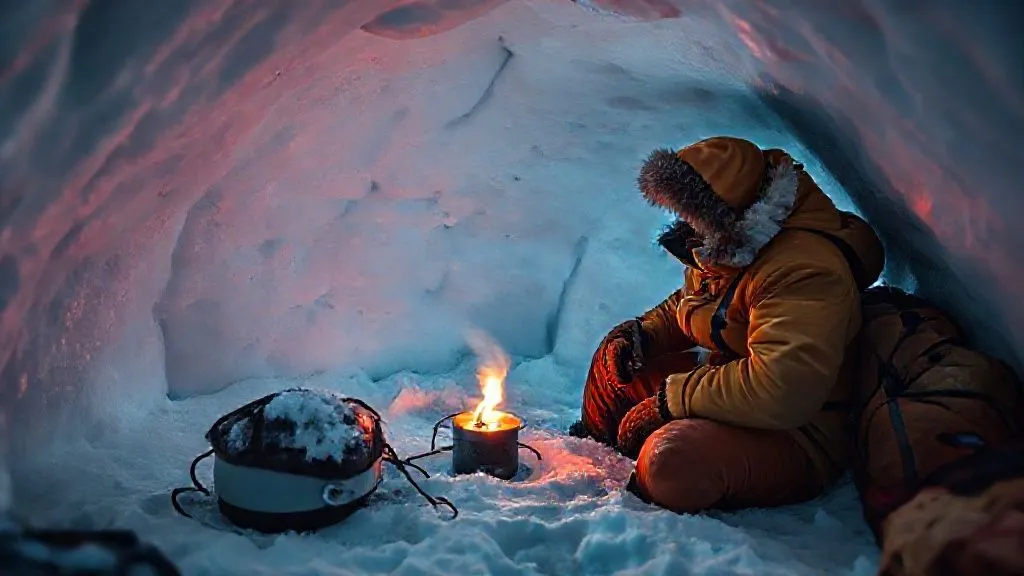
While warm, igloos do present unique temperature regulation challenges. Condensation can occur as body heat meets the cold ice walls, potentially leading to dampness if not managed. Proper ventilation, often achieved through small openings or specific designs, is crucial to mitigate this.
Guests must also be prepared to dress appropriately even inside the igloo, especially when not in their sleeping bags. Layers are essential, and a comfortable base layer for sleeping is highly recommended to maximize warmth and minimize moisture.
Proximity to the Slopes: Are Igloo Stays Truly Convenient for Winter Sports Fans?
Ski-in/Ski-out Igloo Villages
For winter sports enthusiasts, the location of accommodation is paramount. Many contemporary igloo hotels and villages are strategically located directly on or very close to popular ski resorts and backcountry access points. This 'ski-in/ski-out' convenience means you can literally step out of your unique dwelling and onto the slopes, maximizing your time on the snow.
This direct access eliminates the need for daily commutes, crowded shuttle buses, or long walks with heavy gear. It provides an unparalleled level of freedom and spontaneity, allowing you to hit the first tracks of the day or take a quick break between runs without hassle.
Gear Storage and Drying
A crucial consideration for any winter sports trip is the management of wet gear. After a day of skiing or snowboarding, boots, gloves, and outerwear can be damp or even soaked. While igloos themselves are not ideal for drying gear due to their cold, damp environment, most reputable igloo hotels address this challenge.
They typically offer communal heated drying rooms, lockers, or dedicated facilities within a central warm building where guests can store and dry their equipment overnight. It's always advisable to confirm these amenities when booking to ensure your gear is ready and dry for the next day's adventure.
Amenities and Services: What to Expect from an Igloo Stay
Basic vs. Luxury Igloos
The world of igloo accommodations is diverse, ranging from simple, rustic snow huts to elaborate, artistic ice hotels that rival luxury resorts. Basic igloos might offer little more than a sleeping platform and a high-quality sleeping bag, focusing purely on the unique experience of sleeping in snow.
More luxurious options, often found in larger ice hotels, can include intricate ice sculptures, themed rooms, private saunas, and even en-suite facilities carved from ice. These establishments often feature warm communal areas, restaurants, and bars crafted entirely from snow and ice, providing a full-service experience.
Essential Services for Athletes
Beyond the novelty, many igloo accommodations cater specifically to the needs of active winter sports enthusiasts. This includes providing hearty breakfasts to fuel a day on the slopes, often served in a warm central lodge. Access to hot beverages throughout the day is also common and much appreciated.
Furthermore, these establishments often have staff knowledgeable about local ski conditions, trail maps, and even offer guided tours or lessons. Accessibility to first aid and emergency services, though hopefully not needed, is also a standard provision, ensuring peace of mind for guests exploring the challenging winter environment. For an overview of some of the leading igloo and ice hotel experiences globally, National Geographic offers a compelling look at various options: explore top igloo and ice hotel experiences.
Packing Smart: Essential Gear for an Igloo Winter Sports Adventure
Layering is Key
Successful igloo stays, especially for winter sports fans, hinge significantly on intelligent packing. The fundamental principle for staying warm in extreme cold is layering. This involves three distinct layers: a base layer, a mid-layer, and an outer shell.
The base layer, worn next to the skin, should be moisture-wicking to keep you dry. The mid-layer provides insulation and warmth, typically fleece or down. The outer shell offers protection from wind, snow, and moisture, crucial for both skiing and igloo living.
Specialized Sleeping Gear
While many igloo hotels provide sleeping bags, bringing your own high-quality, cold-rated sleeping bag (rated for -10°C to -20°C or colder) can significantly enhance comfort and warmth. An insulated sleeping pad is equally important, as it provides a crucial barrier between your body and the cold ice platform, preventing heat loss through conduction.
Consider a sleeping bag liner for added warmth and hygiene. A warm hat and thermal socks for sleeping are also indispensable, as significant body heat is lost through the head and extremities.
Beyond the Slopes
Your packing list should extend beyond just ski gear. Warm, dry clothing for inside the igloo, such as a comfortable fleece suit or wool pajamas, is essential for evening relaxation. A headlamp or small flashlight is invaluable for navigating the dimly lit igloo and surrounding areas at night.
Portable chargers for electronic devices are also highly recommended, as charging points might be limited or in communal areas. Don't forget a waterproof bag for wet items, and perhaps a small, inflatable pillow for added comfort. Here's a quick checklist:
- Thermal Underwear: Merino wool or synthetic for base layers.
- Insulated Mid-Layers: Fleece jackets, down vests.
- Waterproof/Breathable Outerwear: Ski jacket and pants.
- Heavy-Duty Socks: Wool or synthetic, multiple pairs.
- Warm Hat, Gloves/Mittens: Essential for head and hand protection.
- Waterproof Boots: For walking around the igloo village.
- Headlamp/Flashlight: For visibility in low light.
- Portable Power Bank: To keep devices charged.
- Insulated Water Bottle: To prevent water from freezing.
The Social Aspect and Post-Ski Relaxation
Communal vs. Private Experience
Igloo stays can offer varying degrees of social interaction. Some igloo villages are designed with private sleeping igloos but feature central, warm communal areas, such as lounges, dining rooms, or saunas, where guests can gather. These spaces foster a sense of camaraderie, allowing winter sports enthusiasts to share stories from the slopes, exchange tips, and forge new friendships.
Other igloo experiences might be more isolated, offering truly private and serene retreats for those seeking solitude. Understanding the social dynamic of your chosen igloo accommodation can help you tailor your experience to your preference, whether you seek lively interaction or peaceful tranquility.
Unique Après-Ski Activities
The après-ski scene at an igloo hotel is distinct from that of a traditional ski resort. Instead of bustling bars, you might find an ice bar serving drinks in ice glasses, a serene sauna or hot tub carved into the snow, or the opportunity for a nighttime snowshoeing adventure under the stars. The focus often shifts to experiencing the unique winter environment in a relaxed and immersive way.
Perhaps the most enchanting après-ski activity is the chance to witness the spectacular Northern Lights, a common occurrence in many igloo locations in the Arctic regions. This natural phenomenon provides a truly unforgettable finale to a day of intense winter sports, creating memories that last a lifetime.
Frequently Asked Questions (FAQ)
How cold does it get inside an igloo? While outside temperatures can plummet, the insulated structure of an igloo typically maintains an interior temperature just below or around freezing (0°C to -5°C or 32°F to 23°F), significantly warmer than the exterior.
Are igloo stays suitable for winter sports fans who need to dry their gear? Yes, many modern igloo hotels offer dedicated drying rooms or heated facilities for ski and snowboard gear. It's crucial to check with your specific igloo accommodation beforehand regarding their amenities for equipment drying.
What kind of sleeping bag do I need for an igloo stay? You will need a high-quality, professional-grade sleeping bag rated for extreme cold, typically down to -10°C (14°F) or even -20°C (-4°F), depending on the specific igloo and your personal comfort level. Many igloo hotels provide these, but confirming this is wise.
Is an igloo stay safe? Yes, reputable igloo accommodations prioritize guest safety. They are structurally sound, often monitored, and provide essential services. However, as with any winter adventure, being prepared for cold conditions and following safety guidelines is paramount. Always choose an established igloo hotel with good reviews.
Can I shower or use a toilet in an igloo? Most individual sleeping igloos do not have private bathrooms. Guests typically use shared, heated facilities located in a central building within the igloo village. Some luxury ice hotels might offer private facilities, but this is less common for traditional igloos.
Recommended Reading
- Unlock Your City Break: Maximize Sightseeing & See More!
- Dog Sledding Gear: Conquer Sub-Zero Temps Like a Pro!
- Unlock the Secret: Secure Very Cheap Accommodation for a Month!
- Unlock Your Wanderlust: How to Overcome Fear of Solo Exploration Abroad
- Unveiling the Secrets: What Makes a Safari Truly Luxurious Experience?
Conclusion
In conclusion, the question, 'Are igloo stays suitable for winter sports fans?' receives a resounding 'yes,' with nuanced considerations that elevate the experience from mere novelty to profound adventure. Far from being just a quirky overnight stay, a well-chosen igloo can transform a standard winter sports trip into an extraordinary expedition. These unique dwellings offer surprising warmth, unparalleled proximity to nature's raw beauty, and an array of amenities designed to support your snowy pursuits, provided you approach them with adequate preparation and a spirit of adventure.
By understanding the unique aspects of igloo living, from the ingenious engineering that keeps you warm to the essential gear required, you unlock a basecamp that promises not just rest, but a deep, memorable connection to the winter landscape. Embrace the chill, enjoy the thrill, and let an igloo become the unforgettable heart of your next winter sports odyssey. It's an experience that transcends typical travel, offering a blend of challenge, comfort, and breathtaking beauty that few other accommodations can match.



Your email address will not be published. Required fields are marked *