

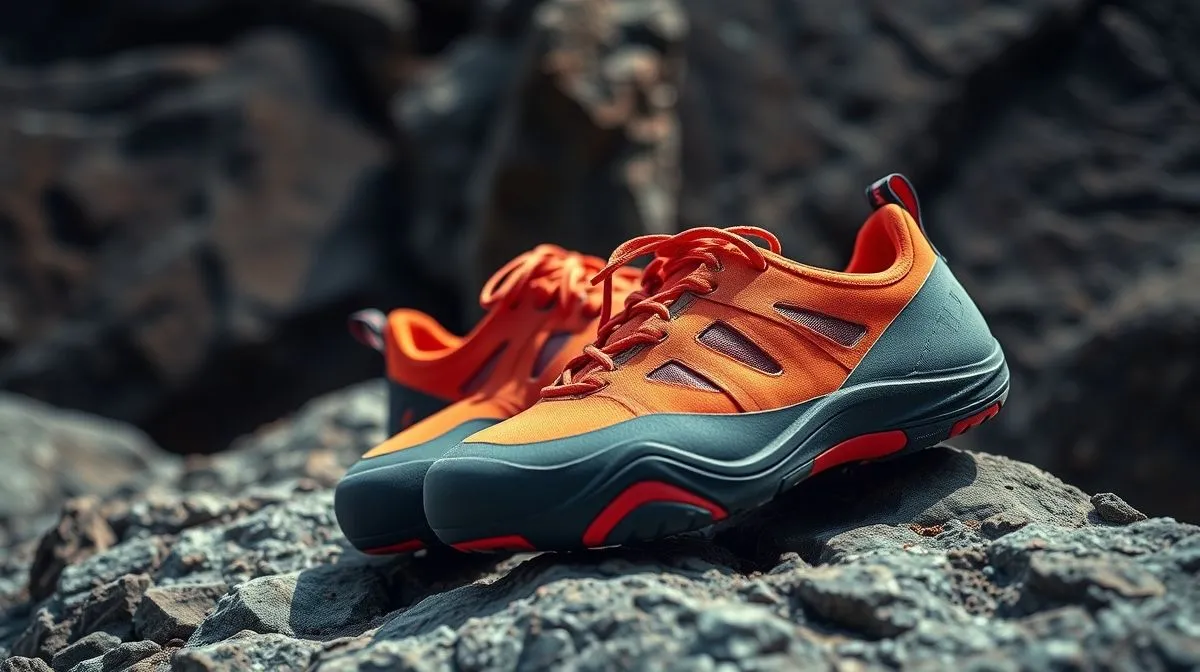
Finding the Best Rock Climbing Shoes for Wide Feet Beginners
Ever felt like your feet were being squeezed in a vise while trying to enjoy the thrill of rock climbing? It's a common problem, especially for beginners with wider feet. Many climbing shoes are designed with a narrow profile, leaving those with wider feet feeling pinched and uncomfortable.
This discomfort can not only ruin your climbing experience but also hinder your progress. Ill-fitting shoes can prevent you from properly engaging your foot muscles, reducing your precision and power on the wall. The question is: how do you find climbing shoes that provide both performance and comfort for wide feet?
In this guide, we'll explore the world of rock climbing shoes specifically designed for beginners with wide feet. We'll delve into what features to look for, recommended models, and tips to ensure a comfortable and successful climbing journey. By the end of this article, you'll have the knowledge to choose the perfect pair of climbing shoes that will allow you to climb with confidence and comfort.
Understanding the Challenges of Wide Feet in Climbing Shoes
Why is finding the right climbing shoe so difficult for those with wider feet? The answer lies in the design philosophy of many climbing shoes. Traditionally, climbing shoes are built for performance, often prioritizing a snug, precise fit that allows for maximum sensitivity and power transfer. This often translates to a narrow last (the foot-shaped form around which the shoe is constructed).
The Impact of a Poor Fit
A shoe that's too narrow can lead to a host of problems:
- Pain and Discomfort: The most obvious issue is the pain caused by the shoe constricting the foot.
- Reduced Performance: A cramped foot cannot properly engage its muscles, leading to decreased precision and power.
- Blisters and Hotspots: Friction from a tight shoe can cause blisters and painful hotspots.
- Long-Term Foot Issues: Consistent pressure on the foot can contribute to long-term problems like bunions or hammertoes.
It's crucial to recognize that a comfortable fit doesn't mean sacrificing performance. With the right shoe, climbers with wide feet can achieve the same level of precision and power as those with narrower feet.
Key Features to Look for in Climbing Shoes for Wide Feet
When searching for the best rock climbing shoes for wide feet, keep these features in mind:
Wide Last or Anatomical Shape
The last is the foot-shaped mold around which the shoe is built. Look for shoes specifically designed with a wider last or an anatomical shape that mimics the natural shape of a foot with a wider forefoot. Some brands even offer specific "wide fit" models.
Upper Material
The material of the upper plays a significant role in comfort. Consider these options:
- Leather: Leather uppers tend to stretch and mold to the foot over time, providing a more custom fit. Unlined leather stretches the most.
- Synthetic: Synthetic uppers generally stretch less than leather, but they often offer better breathability and are more resistant to water damage.
- Split Leather: A combination of both leather and synthetic materials, balancing stretch and durability.
Closure System
The closure system influences how easily you can adjust the shoe's fit. Here's a breakdown:
- Laces: Laces offer the most precise and customizable fit, allowing you to tighten or loosen specific areas of the shoe.
- Velcro Straps: Velcro straps provide quick and easy adjustments, making them convenient for gym climbing.
- Slippers: Slippers offer the most sensitive feel but are less adjustable and generally not recommended for beginners.
For wide feet, laces or multiple Velcro straps can be beneficial for fine-tuning the fit.
Recommended Climbing Shoe Models for Wide Feet Beginners
Here are some popular and well-regarded climbing shoe models that cater to beginners with wide feet:
La Sportiva Tarantulace
The La Sportiva Tarantulace is a classic beginner shoe known for its comfortable fit and durable construction. It features a wider toe box and a lacing system that allows for a customized fit. The flat sole and relatively stiff midsole provide good support for beginners learning footwork techniques. According to OutdoorGearLab, the Tarantulace is a top pick for its comfort and value.
Evolv Defy
The Evolv Defy is another popular choice for beginners, offering a comfortable fit and a durable synthetic upper. It has a slightly wider toe box than many other beginner shoes and features a flat sole for good edging performance. The Defy is known for its versatility and is suitable for both gym climbing and outdoor bouldering.
Mad Rock Drifter
The Mad Rock Drifter is a budget-friendly option that doesn't compromise on comfort. It has a relatively wide fit and a comfortable padded tongue. The Drifter is a good choice for beginners who are looking for an affordable and comfortable shoe for gym climbing. It is a great entry-level shoe for those new to rock climbing.
Scarpa Origin
The Scarpa Origin is designed with comfort in mind, featuring a flat last and a soft, padded upper. It's a great choice for beginners who prioritize comfort over aggressive performance. The Origin is suitable for both gym climbing and easy outdoor routes. According to REI, the Scarpa Origin is a comfortable and reliable option for beginner climbers.
Tips for Finding the Perfect Fit
Finding the right fit is crucial for comfort and performance. Here are some tips to help you find the perfect pair of climbing shoes:
Try Before You Buy
Whenever possible, try on climbing shoes in person at a climbing gym or outdoor retailer. This allows you to feel the fit and ensure that the shoe is comfortable.
Try on Shoes in the Afternoon or Evening
Your feet tend to swell throughout the day, so it's best to try on shoes in the afternoon or evening when your feet are at their largest.
Wear Climbing Socks
Wear thin climbing socks when trying on shoes. This will help you get a more accurate fit. Avoid thick socks, as they can make the shoe feel too tight.
Pay Attention to Pressure Points
Pay close attention to any pressure points or areas of discomfort. If you feel any pinching or rubbing, the shoe is likely too small or narrow.
Don't Be Afraid to Size Up
Climbing shoes are generally sized smaller than street shoes, but don't be afraid to size up if necessary. Comfort is key, especially for beginners.
Consider the "Break-In" Period
Leather shoes will stretch over time, so they should feel snug but not painful when you first try them on. Synthetic shoes will stretch less, so they should fit comfortably from the start.
Common Mistakes to Avoid When Choosing Climbing Shoes
Avoid these common mistakes when selecting climbing shoes:
Buying Shoes That Are Too Small
Many beginners make the mistake of buying climbing shoes that are too small in the belief that tighter shoes will improve performance. However, shoes that are too small can be painful and hinder your progress. The shoes should be snug, but not painfully tight. According to a study from the UIAA, comfort is essential for injury prevention.
Ignoring Width
Failing to consider the width of your feet is a common mistake. If you have wide feet, prioritize shoes that are specifically designed for wider feet or have a wider toe box.
Choosing Aggressive Shoes Too Early
Aggressive climbing shoes with downturned toes are designed for advanced climbing techniques. Beginners should opt for flat or moderately downturned shoes that provide more support and comfort.
Not Considering the Closure System
The closure system plays a crucial role in fit and adjustability. Choose a closure system that allows you to fine-tune the fit to your foot shape.
Frequently Asked Questions (FAQ)
What is the difference between a beginner and advanced climbing shoe? Beginner shoes prioritize comfort and support, with flatter soles and less aggressive downturn. Advanced shoes are designed for performance, with downturned toes and stiffer soles for precise edging and hooking.
How often should I replace my climbing shoes? The lifespan of climbing shoes depends on how often you climb and the type of climbing you do. Generally, you should replace your shoes when the rubber is worn down or the shoe loses its shape.
Can I wear socks with climbing shoes? Thin climbing socks can improve comfort and hygiene. Avoid thick socks, as they can affect the fit of the shoe and reduce sensitivity.
How do I clean my climbing shoes? Clean your climbing shoes with a damp cloth and mild soap. Avoid using harsh chemicals or putting them in the washing machine. Let them air dry completely before storing them.
Where can I find the best deals on climbing shoes? Check online retailers like Amazon, REI, and Backcountry, as well as local climbing gyms and outdoor stores. Look for sales and discounts throughout the year.
Recommended Reading
- Glamping Outdoor Kitchen Setup Ideas: Create Your Dream Campsite!
- Dog Sledding Gear: Conquer Sub-Zero Temps Like a Pro!
- Unlock Your Wanderlust: The Ultimate Guide to Cheaper Long-Term Travel
- Food Photography for Travel Bloggers: Top Tips & Tricks Revealed
- High-Speed Rail Europe: Pro Travel Tips for Seamless Journeys
Conclusion
Finding the best rock climbing shoes for wide feet as a beginner doesn't have to be a daunting task. By understanding the challenges, knowing what features to look for, and considering recommended models, you can find a pair of shoes that provide both comfort and performance. Remember to prioritize fit, try on shoes whenever possible, and avoid common mistakes. With the right shoes, you'll be able to focus on enjoying the challenge and excitement of rock climbing, and progress faster. Happy climbing!


Your email address will not be published. Required fields are marked *