

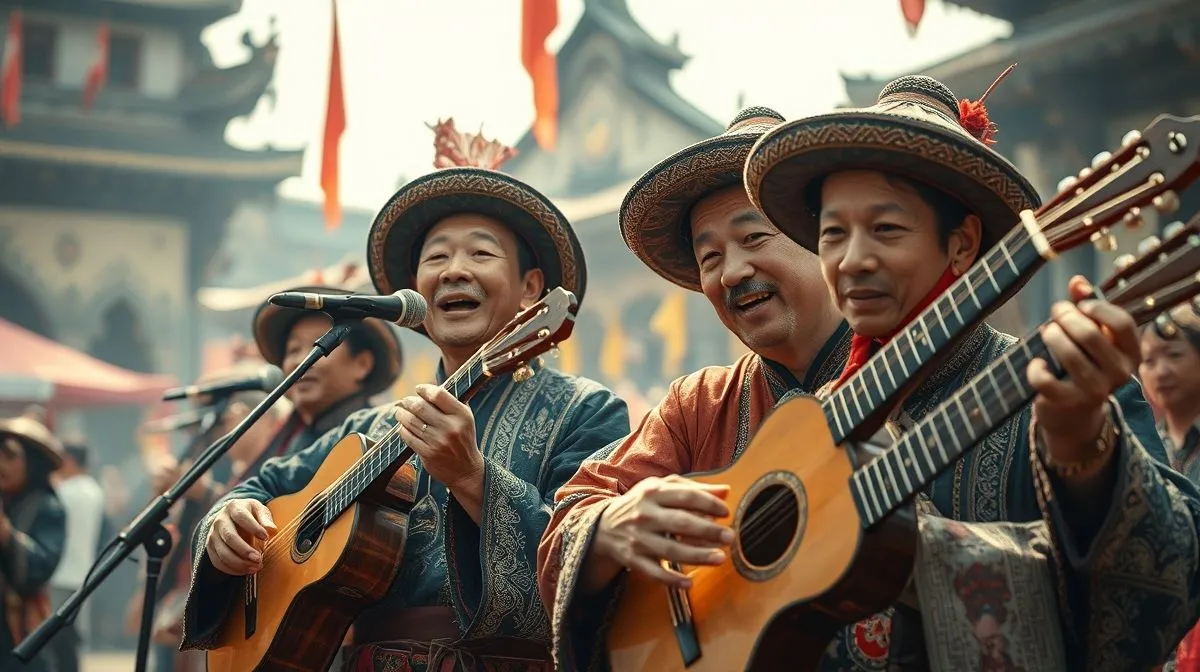
Unearthing Authentic Rhythms: Where to Experience Traditional Music on Cultural Trips?
Imagine stepping into a bustling marketplace in Marrakech, the air thick with the scent of spices and the hypnotic, rhythmic pulse of Gnawa musicians. Or perhaps you're in a cozy pub in Doolin, County Clare, enveloped by the lively, intricate melodies of an Irish session. These aren't just sounds; they are the very heartbeat of a culture, a direct link to centuries of history, storytelling, and communal spirit. But how often do travelers truly get to immerse themselves in these profound experiences?
The challenge for many culturally curious travelers is navigating beyond the superficial tourist traps to find genuine, unadulterated traditional music experiences. It’s easy to stumble upon a staged performance, but discovering the raw, authentic expressions of a people’s musical heritage requires insight and intention. The question often arises: where to experience traditional music on cultural trips in a way that feels meaningful and respectful?
This comprehensive guide will illuminate the pathways to discovering the world's most authentic traditional music scenes. We will explore why these encounters are vital for true cultural immersion, pinpoint specific destinations renowned for their musical traditions, and equip you with practical tips to ensure your journey is not just a trip, but a transformative auditory adventure. By the end, you'll be empowered to seek out and savor the world's diverse soundscapes, enriching your travels like never before.
The Soul of a Nation: Why Traditional Music Matters
Traditional music is far more than mere entertainment; it is a profound repository of a culture's identity, history, and values. It serves as a living archive, preserving ancient stories, spiritual beliefs, and social norms that might otherwise fade with time. Engaging with these sounds offers an unparalleled window into the collective soul of a people.
A Living History
Every note, every rhythm, often carries the echoes of generations. Traditional songs frequently recount historical events, celebrate heroes, lament losses, or pass down ancestral wisdom. For instance, the epic poems recited to the accompaniment of the kora in West Africa are not just performances; they are dynamic history lessons, connecting the present generation to their ancient roots. Understanding these narratives through their musical form provides a richer, more visceral historical context than any textbook.
Community and Identity
Music acts as a powerful unifying force within communities. From the ceremonial drumming of indigenous tribes to the communal singing in village squares, traditional music often reinforces social bonds and expresses collective identity. Participating in or observing these events allows travelers to witness the intricate fabric of a community, fostering a sense of shared humanity. It’s a direct experience of how people celebrate, mourn, and connect with one another through sound.
Emotional Resonance
Beyond its historical and social functions, traditional music possesses an undeniable emotional power. It can evoke joy, sorrow, reverence, or exhilaration, transcending language barriers. The raw emotion conveyed through a flamenco dancer's footwork or the soulful wail of a blues singer speaks directly to the heart, creating a connection that is both personal and universal. This deep emotional resonance is what makes seeking out traditional music on cultural trips so incredibly rewarding.
Beyond the Concert Hall: Identifying Authentic Experiences
To genuinely experience traditional music, one must often look beyond formal stages and tourist-centric venues. Authenticity thrives in everyday life, in community gatherings, and in spaces where music is an organic part of cultural expression. Knowing where to look is key to unlocking these profound encounters.
Local Festivals and Celebrations
Many cultures mark significant events—harvests, religious holidays, or historical anniversaries—with vibrant festivals that prominently feature traditional music and dance. These are often the best places to witness unadulterated performances, as the music is integral to the celebration itself, performed by and for the local community. Researching local calendars for smaller, regional festivals can yield incredibly rich experiences. For example, the Hora de la Prislop in Romania or the Esala Perahera in Sri Lanka offer deep dives into local musical traditions.
Dedicated Cultural Centers and Museums
While some museums can be static, many cultural centers and ethnomusicology institutes are dedicated to preserving and promoting traditional arts through live performances, workshops, and educational programs. These institutions often host local masters and apprentices, offering intimate and informative experiences. They provide a bridge for visitors to understand the context and significance of the music they are hearing.
Community-Led Workshops and Lessons
For those seeking deeper immersion, participating in a workshop or taking a lesson from a local musician can be profoundly rewarding. Learning a few basic rhythms on a djembe in West Africa or attempting a traditional Irish jig on a tin whistle not only teaches you about the music but also connects you directly with the people and their craft. This hands-on approach fosters a unique appreciation and understanding.
Religious and Spiritual Ceremonies
In many parts of the world, music is intrinsically linked to spiritual practices and religious ceremonies. Attending a Sufi whirling dervish ceremony, a Buddhist chanting session, or a gospel choir service can offer powerful insights into the spiritual dimensions of traditional music. Always approach such events with the utmost respect and sensitivity to local customs.
Global Soundscapes: Specific Destinations and Their Musical Gems
The world is a symphony of diverse traditional sounds, each region offering its unique auditory tapestry. Knowing which destinations excel in preserving and sharing their musical heritage can guide your cultural trip planning. Here are a few examples of where to experience traditional music on cultural trips with remarkable depth.
Japan: Gagaku and Taiko
Japan offers a fascinating contrast of ancient and modern. For traditional music, seek out Gagaku, the ancient court music performed at imperial ceremonies and temples, notable for its slow, majestic pace and unique instrumentation. More visceral is Taiko drumming, a powerful and synchronized art form that can be experienced at festivals, temples, and dedicated performance centers across the country. Many dojo offer public workshops.
Ireland: Folk Music in Pubs
Ireland is synonymous with vibrant folk music. The best way to experience it is through an impromptu 'trad session' in a local pub, particularly in rural areas like County Clare, Galway, or Kerry. Musicians gather informally to play jigs, reels, and ballads, creating an electric atmosphere of communal joy. These sessions are authentic, unamplified, and deeply rooted in local culture.
Brazil: Samba and Capoeira Rhythms
Brazil pulsates with rhythm. While Carnival is the most famous expression of Samba, you can find authentic roda de samba (samba circles) in local neighborhoods year-round, especially in Rio de Janeiro and Salvador. These informal gatherings are where the true spirit of samba thrives. Additionally, the Afro-Brazilian martial art of Capoeira is always accompanied by live music, primarily drums, berimbau, and singing, offering a dynamic musical and physical spectacle.
India: Classical Ragas and Devotional Music
India's musical traditions are ancient and incredibly diverse. Seek out performances of Hindustani (North Indian) and Carnatic (South Indian) classical music, characterized by intricate melodic structures (ragas) and rhythmic cycles (talas). Attending temple ceremonies or Sufi shrines can also expose you to devotional music like Qawwali or Bhajans, which are deeply spiritual and often improvisational. Cities like Varanasi, Chennai, and Kolkata are hubs for classical music.
West Africa: Kora and Djembe Traditions
The West African region, particularly countries like Senegal, Mali, and Guinea, is the birthplace of many influential musical forms. The soulful melodies of the kora (a 21-stringed harp-lute) played by Griots (hereditary storytellers and musicians) are a profound experience. The powerful rhythms of the djembe drum are ubiquitous, central to celebrations, dances, and daily life. Look for local ceremonies or community events to witness these traditions in their natural setting.
Indigenous Americas: Native American Flutes and Chants
Across North and South America, indigenous communities maintain rich musical heritages. From the haunting melodies of the Native American flute in the Southwest United States to the ceremonial chants of Amazonian tribes, these sounds are deeply connected to the land and spiritual beliefs. Engaging with these traditions often requires respectful participation in cultural events or through visits to tribal cultural centers. For example, the National Museum of the American Indian often hosts performances and educational programs.
Preparing for Your Musical Pilgrimage: Tips for Travelers
Embarking on a journey to find authentic traditional music requires more than just a plane ticket. Thoughtful preparation can significantly enhance your experience and ensure you engage respectfully with local cultures.
Research is Key
Before you go, delve into the specific musical traditions of your destination. Learn about the instruments, the genres, and the cultural significance of the music. Websites of cultural institutes, university ethnomusicology departments, and reputable travel blogs can be invaluable resources. Knowing what you're listening for will deepen your appreciation.
Embrace Local Etiquette
Different cultures have different norms regarding music. In some places, quiet reverence is expected; in others, enthusiastic participation is encouraged. Observe how locals behave and follow suit. Always ask for permission before taking photos or videos, especially in spiritual or private settings. A little respect goes a long way in fostering genuine connection.
Support Local Artists
If you enjoy a performance, consider purchasing a CD, an instrument, or simply tipping the musicians. Many traditional artists struggle to preserve their craft in a modern world, and your support directly contributes to the continuation of these invaluable cultural forms. This is a direct way to ensure future travelers can also experience traditional music on cultural trips.
Consider Guided Tours
While independent exploration is rewarding, a local guide or a specialized tour focused on music can open doors to experiences you might otherwise miss. They can navigate language barriers, explain cultural nuances, and introduce you to hidden gems or private performances not accessible to the general public. Look for tours led by local cultural experts or musicians themselves.
Common Pitfalls to Avoid on Your Musical Journey
While the pursuit of authentic musical experiences is noble, travelers can sometimes inadvertently fall into traps or make missteps. Being aware of these can help you have a more meaningful and respectful journey.
The Tourist Trap Syndrome
Beware of overly commercialized performances specifically designed for tourists. These often lack the spontaneity and raw energy of genuine cultural expressions. They might be convenient, but they rarely offer the deep connection you seek. Look for venues where locals outnumber tourists, or where the performance feels like a natural part of daily life rather than a staged show.
Disrespecting Cultural Norms
Loud talking during a quiet traditional performance, inappropriate dress in a sacred space, or demanding encores can be seen as highly disrespectful. Always be mindful of your surroundings and the context of the music. Your presence is a privilege, not a right, and should be treated with humility and respect for the local traditions.
Over-reliance on Technology
While it's tempting to capture every moment, constantly filming or photographing can detract from your immersion. Put your phone away for some part of the experience and simply be present. Listen, feel, and let the music wash over you. The most profound memories are often those you experience without the screen as an intermediary.
The Transformative Power of Immersive Musical Encounters
Seeking out and engaging with traditional music on your cultural trips is not merely an item to check off a travel list; it is a profoundly transformative experience. It goes beyond sightseeing, offering a deeper, more personal connection to the world and its diverse inhabitants.
Deeper Cultural Understanding
Music is a universal language, yet its dialects are infinitely varied. By immersing yourself in traditional sounds, you gain an intuitive understanding of a culture's worldview, its values, and its history in a way that words alone cannot convey. It's a holistic form of learning that appeals to the senses and the soul.
Personal Growth and Connection
These encounters can challenge your perceptions, broaden your horizons, and foster a sense of empathy. Listening to the struggles and triumphs expressed through song can create a powerful bond with people from vastly different backgrounds. It reminds us of our shared humanity and the incredible diversity of human expression.
Lasting Memories and Stories
While landmarks fade and details blur, the memory of a powerful musical performance, especially one experienced authentically, tends to linger. These are the stories you'll tell, the moments that define your journey, and the sounds that will transport you back to a specific place and time long after you've returned home. As the Smithsonian Magazine often highlights, cultural immersion through arts like music enriches life beyond measure.
Frequently Asked Questions (FAQ)
What is the best way to find authentic traditional music performances? The best way is often through local recommendations. Ask your guesthouse owner, local shopkeepers, or guides. Research local cultural calendars, community centers, and smaller, regional festivals rather than just big tourist attractions.
Is it appropriate to record traditional music performances? Always ask for permission before recording, especially in sacred or informal settings. Some performers may be uncomfortable with it, or there might be cultural reasons not to. If allowed, be discreet and avoid using flash.
How can I support traditional musicians? Purchase their music, attend their live performances, or buy instruments or crafts directly from them. If you take a lesson or workshop, pay a fair price. Word-of-mouth recommendations are also invaluable.
Are there specific times of year when traditional music is more prevalent? Often, traditional music thrives during local festivals, religious holidays, and harvest seasons. Researching the annual calendar of your destination can help you plan your trip around these peak times for cultural immersion.
Recommended Reading
- Your Ultimate Guide: How to Select a Space Tourism Company for Your Journey
- The Ultimate Guide: How Much Does a Night in a Space Hotel Cost?
- Unlock Your Inner Self: How to Plan a Solo Trip for Deep Introspection
- The Ultimate Guide: How to Determine If a Frozen Lake is Safe?
- Unlock the Magic: Discover Kid-Friendly Destinations That Offer Educational Fun
Conclusion
Embarking on cultural trips with the intention of experiencing traditional music opens up a world of profound discovery. From the ancient rhythms of Japan to the soulful melodies of West Africa, these authentic encounters offer an unparalleled window into the heart and soul of diverse cultures. By researching diligently, engaging respectfully, and supporting local artists, you can move beyond superficial tourism to forge deep, resonant connections with the places you visit. So, next time you plan your travels, remember to listen closely—the world is singing, and its most beautiful, authentic notes are waiting for you to discover them.


Your email address will not be published. Required fields are marked *