

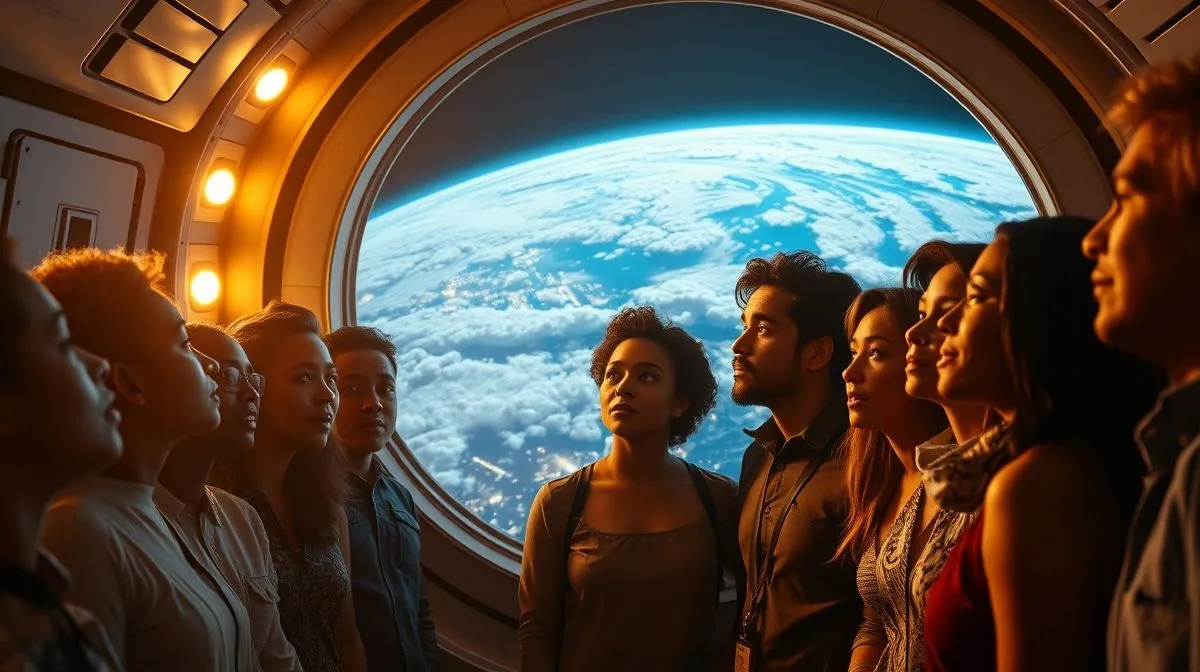
Will Space Tourism Be Available to Everyone?
Imagine a future where anyone, not just the ultra-rich, can experience the breathtaking view of Earth from space. A future where the wonders of the cosmos are accessible to all, inspiring a new generation of scientists, engineers, and dreamers. Is this just a pipe dream, or a realistic possibility?
Currently, space tourism is an exclusive domain, with tickets costing hundreds of thousands, or even millions, of dollars. This raises a critical question: Will space tourism be available to everyone? The answer is complex and depends on technological advancements, economic factors, and the evolving landscape of the commercial space industry.
This article will delve into the current state of space tourism, the challenges to democratization, and the potential pathways towards making space travel more accessible. We'll explore the companies leading the charge, the technologies being developed, and the social and economic implications of a more inclusive spacefaring future.
The Current State of Space Tourism
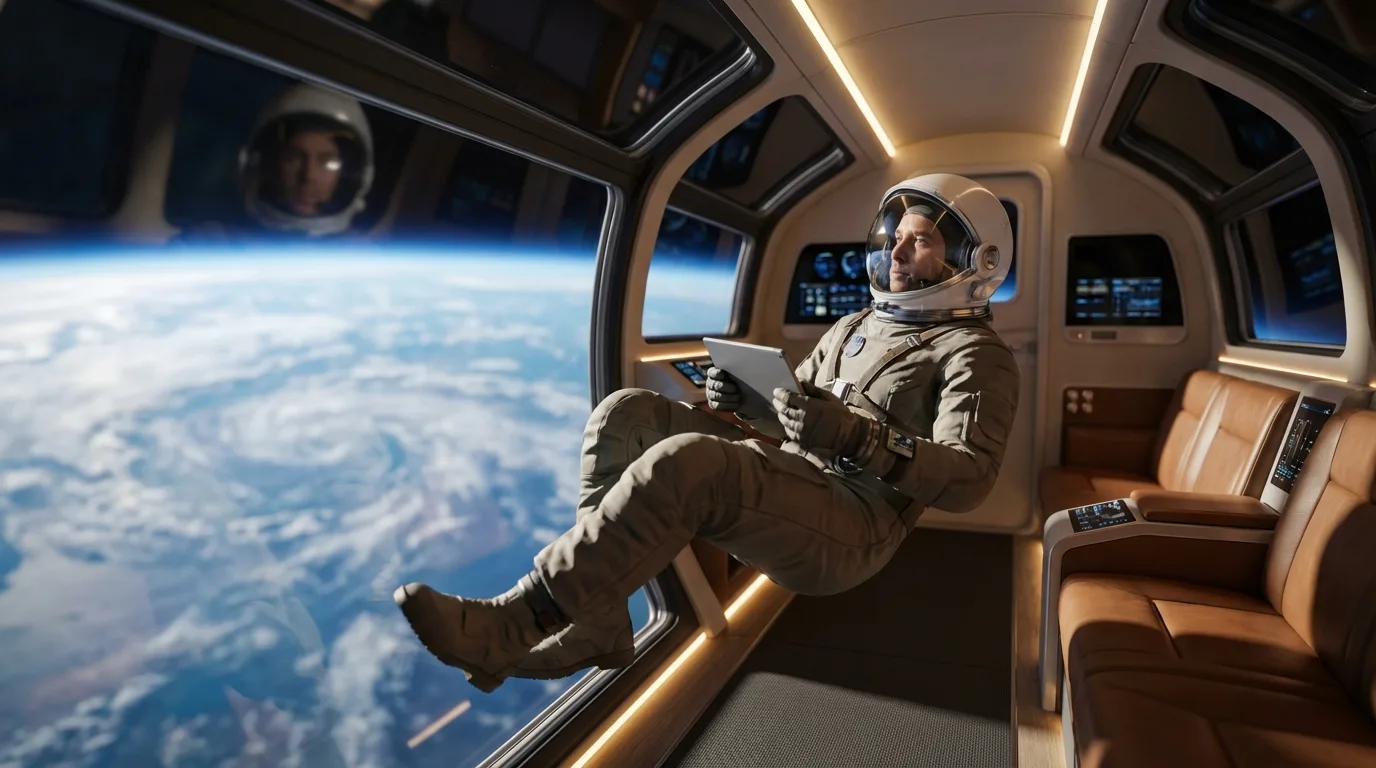
Space tourism is no longer a science fiction fantasy; it's a burgeoning industry. Companies like Virgin Galactic and Blue Origin have already sent paying customers on suborbital flights, offering a brief but exhilarating taste of weightlessness and the stunning view of our planet from above.
Suborbital vs. Orbital Flights
It's important to distinguish between suborbital and orbital flights:
- Suborbital flights: These flights reach space but don't achieve orbit around the Earth. They offer a few minutes of weightlessness and a view of the curvature of the Earth.
- Orbital flights: These flights involve orbiting the Earth, allowing for longer periods in space and a more comprehensive experience.
Currently, suborbital flights are more accessible (though still expensive), while orbital flights remain largely the domain of government space agencies and a few extremely wealthy individuals.
The Price Tag of Space
The biggest barrier to widespread space tourism is undoubtedly the cost. Tickets for suborbital flights currently range from hundreds of thousands of dollars, placing them far out of reach for the vast majority of the population. Orbital flights, involving stays on the International Space Station (ISS), can cost tens of millions of dollars, as reported by NASA. This extreme cost is driven by the complex technology, rigorous safety standards, and high operational expenses involved in space travel.
Challenges to Democratizing Space Travel
Making space tourism accessible to everyone is a formidable challenge. Several key obstacles must be overcome:
Reducing Launch Costs
The cost of launching rockets is a major factor driving up the price of space travel. Significant reductions in launch costs are essential for making space tourism more affordable. Companies like SpaceX are pioneering reusable rocket technology, which has the potential to dramatically lower the cost per launch. According to SpaceX, reusability is key to reducing costs.
Improving Safety and Reliability
Space travel is inherently risky. Ensuring the safety and reliability of spacecraft is paramount. Stringent safety regulations and rigorous testing are essential, but they also add to the cost. Advancements in spacecraft design, propulsion systems, and autonomous flight control are crucial for improving safety and reducing the risk of accidents.
Developing Scalable Infrastructure
To accommodate a large number of space tourists, a robust and scalable infrastructure is needed. This includes spaceports, spacecraft manufacturing facilities, and training programs for spaceflight participants. Investment in these areas is essential for supporting the growth of the space tourism industry.
Addressing Environmental Concerns
Rocket launches release greenhouse gases and other pollutants into the atmosphere, raising environmental concerns. Developing more sustainable propulsion systems and launch practices is crucial for minimizing the environmental impact of space tourism. Research into alternative fuels and closed-loop life support systems is essential.
Potential Pathways to Affordable Space Travel
Despite the challenges, there are several promising pathways towards making space tourism more accessible:
Technological Advancements
Continued advancements in technology are key to reducing costs and improving safety. This includes:
- Reusable rockets: As mentioned earlier, reusable rockets can significantly lower launch costs.
- Advanced propulsion systems: Developing more efficient and powerful propulsion systems can reduce the amount of fuel needed for space travel.
- Autonomous spacecraft: Autonomous flight control systems can reduce the need for large ground control teams, lowering operational costs.
Increased Competition
As more companies enter the space tourism market, competition will likely drive down prices. This is already happening, with several companies vying to offer suborbital and orbital flights. The increased competition will incentivize companies to innovate and find ways to reduce costs.
Government Support and Investment
Government support and investment can play a crucial role in fostering the growth of the space tourism industry. This could include funding research and development, providing tax incentives for companies, and developing infrastructure.
Space Tourism Packages and Bundles
Offering different space tourism packages and bundles could make space travel more accessible to a wider range of people. This could include shorter suborbital flights, zero-gravity experiences, and simulated space missions.
The Social and Economic Impact of Space Tourism
The democratization of space tourism could have profound social and economic impacts:
Inspiration and Education
Experiencing space firsthand can be incredibly inspiring and educational. It can spark a passion for science, technology, engineering, and mathematics (STEM) and encourage young people to pursue careers in these fields. Seeing the Earth from space can also foster a greater sense of global citizenship and environmental awareness.
Economic Growth and Job Creation
The space tourism industry has the potential to create new jobs and stimulate economic growth. This includes jobs in spacecraft manufacturing, spaceport operations, training, and tourism-related services.
Advancements in Technology
The development of space tourism technologies can also lead to advancements in other areas, such as materials science, propulsion systems, and life support systems. These advancements can have broader applications in other industries.
The Risks and Rewards of Space Tourism
Space tourism is not without its risks. The potential dangers of space travel, including equipment malfunctions, radiation exposure, and psychological effects, must be carefully considered. However, the potential rewards, including scientific discoveries, technological advancements, and inspiration for future generations, are also significant.
Ethical Considerations
The environmental impact of space tourism and the potential for space to become a playground for the wealthy are ethical considerations that must be addressed. Sustainable practices and equitable access are essential for ensuring that space tourism benefits all of humanity.
Frequently Asked Questions (FAQ)
How much does space tourism currently cost? Suborbital flights typically cost hundreds of thousands of dollars, while orbital flights can cost tens of millions.
What are the risks of space tourism? The risks include equipment malfunctions, radiation exposure, and psychological effects.
What are the benefits of space tourism? The benefits include inspiration, education, economic growth, and technological advancements.
What companies are involved in space tourism? Virgin Galactic, Blue Origin, and SpaceX are some of the leading companies in the space tourism industry.
When will space tourism be affordable for the average person? It's difficult to predict, but technological advancements and increased competition could make space tourism more affordable in the coming decades.
Recommended Reading
- Wide Feet? The Best Rock Climbing Shoes for Beginners Revealed!
- Solo Female Foodie? Best Street Food Cities Await Your Taste Buds!
- Tuscany's Best Pasta Class for Beginners: The Secret to Authentic Flavors
- Food Photography for Travel Bloggers: Top Tips & Tricks Revealed
- Cozy Cabin Glamping: Your Ultimate Cold Weather Escape Guide
Conclusion
Will space tourism be available to everyone? The answer remains uncertain, but the dream of democratized space travel is not impossible. While significant challenges remain in terms of cost, safety, and infrastructure, ongoing technological advancements and increased competition offer hope for a more accessible future. The potential benefits of widespread space tourism, including inspiration, education, and economic growth, are immense. By addressing the ethical considerations and investing in sustainable practices, we can work towards a future where the wonders of space are available to all, fostering a new era of exploration and discovery. It's a bold vision, but one worth striving for.

Your email address will not be published. Required fields are marked *