


Convincing University Board to Fund Safe, Budget Student Travel
For over two decades in the travel industry, specifically in the niche of budget and educational travel, I've observed a recurring challenge: the immense potential of student travel often goes untapped due to perceived financial and logistical hurdles. Universities understand the value of global experiences, but translating that understanding into tangible funding for safe, budget-conscious programs can feel like navigating a labyrinth.
The pain point is palpable for both students and faculty. Students yearn for enriching experiences that expand their horizons and enhance their resumes, while faculty members recognize the unparalleled learning opportunities that travel provides. Yet, the university board, stewards of institutional resources and student welfare, often grapples with budget constraints, liability concerns, and the sheer complexity of organizing such endeavors.
This article isn't just a guide; it's a strategic blueprint. Drawing from my extensive experience, I will provide you with actionable frameworks, persuasive arguments, and expert insights to craft a compelling case. You'll learn how to articulate the profound value of student travel, mitigate perceived risks, and ultimately secure the funding necessary to empower your students with transformative global experiences.
Understanding the Board's Perspective: Beyond the Balance Sheet
Before you even begin to draft your proposal, it's crucial to step into the shoes of the university board members. Their primary responsibilities revolve around fiscal prudence, institutional reputation, and student welfare. They are not inherently opposed to student travel; rather, they need assurance that any proposed program aligns with these core responsibilities and offers a clear return on investment (ROI), both academic and financial.
In my experience, many proposals fail because they focus too heavily on the 'why it's good for students' without adequately addressing the 'why it's good for the university.' Board members think in terms of strategic goals, risk mitigation, and long-term sustainability. They want to see how student travel contributes to student retention, recruitment, alumni engagement, and the institution's overall academic standing. This holistic view is your starting point.
Consider their concerns: What are the potential financial outlays? What are the safety protocols? How does this align with the university's mission? By preemptively addressing these questions, you demonstrate foresight and a deep understanding of their priorities, building a foundation of trust even before you present your core arguments.
Crafting a Data-Driven Proposal: The Language of Logic
The most persuasive arguments are always backed by data. Emotional appeals are important, but they must be grounded in measurable facts and figures. Your proposal needs to be a masterclass in demonstrating value through concrete evidence, not just aspiration.
Demonstrating Financial Prudence and ROI
When it comes to budget travel, the board needs to see that every dollar is maximized. This means detailing cost-saving measures, potential partnerships, and the economic benefits to students. Highlight how your budget approach makes these experiences accessible to a wider range of students, promoting equity and inclusion.
One powerful way to convey financial responsibility is to present a clear, itemized budget that also illustrates the cost-effectiveness compared to alternative programs or the value added per student. This transparency is key.
| Category | Budgeted Cost | Cost-Saving Strategy | Impact |
|---|---|---|---|
| Transportation | $15,000 | Group bookings, off-peak travel | 20% reduction in per-student airfare |
| Accommodation | $10,000 | Hostels, university dorms, homestays | 30% reduction in lodging costs, cultural immersion |
| Program Activities | $8,000 | Free cultural sites, academic partnerships | Maximized educational value at minimal cost |
| Insurance & Safety | $3,000 | Bulk institutional policy | Comprehensive coverage, reduced individual student burden |
| Contingency | $2,000 | N/A | Buffer for unforeseen expenses |
In addition to cost savings, articulate the ROI for the university. Does student travel lead to higher retention rates? Improved graduation rates? Enhanced alumni giving? Research from organizations like NAFSA: Association of International Educators consistently highlights the positive impact of study abroad on student success and career outcomes. Cite such studies to bolster your claims.
Prioritizing Safety Protocols: Mitigating Risk, Building Trust
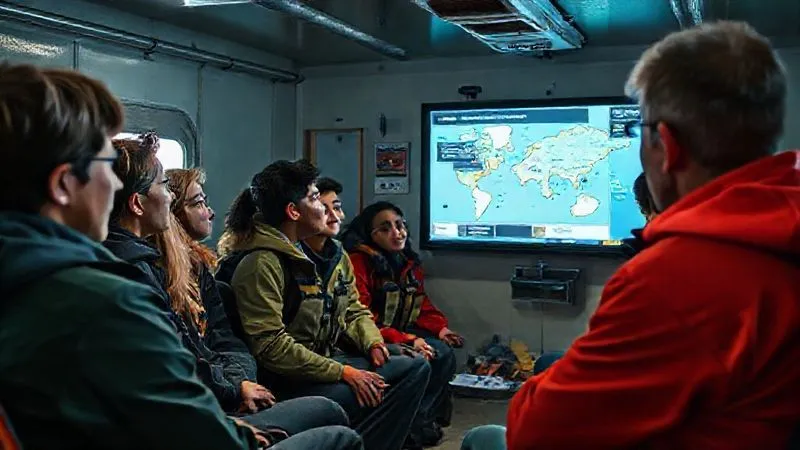
Safety is paramount. Any perceived risk can quickly derail a proposal. Your plan must include comprehensive and proactive safety measures. This isn't just about having insurance; it's about demonstrating a robust risk management strategy that covers everything from pre-departure briefings to emergency response protocols.
I've seen university boards approve programs almost solely on the strength of their safety plans. They need to know that every contingency has been considered. Detail your plans for:
- Pre-departure training: Cultural sensitivity, health and safety briefings, emergency contacts.
- On-site support: Local contacts, 24/7 emergency lines, experienced chaperones.
- Health and insurance: Comprehensive travel insurance, access to medical facilities, mental health support.
- Crisis management: Clear communication protocols for students, parents, and university administration in case of an emergency.
- Vetting partners: How you select reputable travel providers, accommodation, and transportation.
According to a report by Deloitte on global risk management, proactive risk assessment and robust mitigation strategies are crucial for any organization. Frame your safety plan not as a burden, but as an integral part of responsible program development that protects both students and the institution.
"The most effective proposals for student travel funding are those that seamlessly weave together educational value, financial prudence, and an ironclad commitment to student safety. Neglect any one, and your case weakens significantly."
Leveraging Student Success Stories: The Human Element
While data speaks to the logical side of the board, stories resonate with their human side. Personal testimonials and mini case studies of past student travelers can be incredibly powerful. These narratives illustrate the transformative impact of travel in a way that statistics alone cannot.
Case Study: How Global Scholars Initiative Transformed Careers
Mid-sized State University (MSU) faced stagnant enrollment in their international studies department. Their proposal for a "Global Scholars Initiative" focused on funding immersive, budget-friendly study tours to developing nations for students from underrepresented backgrounds. The board was initially hesitant due to perceived risks and costs. However, the proposal included compelling testimonials from pilot program students who had received partial scholarships. One student, a first-generation college attendee, spoke about how the experience in Ghana not only solidified her career path in international development but also led directly to an internship with an NGO she met there. Another detailed how a trip to Vietnam for an engineering project enhanced his problem-solving skills and cultural adaptability, directly contributing to his successful job placement. MSU also presented data showing a 15% increase in international studies enrollment and a 5% boost in overall student retention directly attributed to the program's success. The board approved expanded funding, recognizing the tangible benefits to student success and institutional reputation.
Collect compelling quotes, photos, and even short video clips (if appropriate for the presentation format) from students who have benefited from similar experiences. Focus on how travel:
- Enhanced their academic performance.
- Developed critical soft skills (adaptability, problem-solving, cultural competence).
- Influenced their career choices and opened new opportunities.
- Fostered personal growth and independence.
These stories demonstrate the tangible, long-term benefits that align with the university's mission to produce well-rounded, globally aware graduates. They also showcase the return on investment in human capital.
Building a Coalition of Support: Strength in Numbers
You shouldn't be the sole voice advocating for student travel. A united front significantly strengthens your position. Engage key stakeholders across the university long before your formal presentation. This includes:
- Faculty: Many faculty members are passionate about international education and can provide valuable input on academic integration and program design. Their endorsement lends significant academic credibility.
- Department Heads: Secure their support, especially if programs align with their departmental goals. They can speak to the academic necessity and benefits.
- Alumni Relations: Alumni often have a deep appreciation for their own university experiences, especially if they traveled during their studies. They might even be a source of supplementary funding or mentorship.
- Student Government: Involving student leaders demonstrates broad student interest and advocacy, showing the board that this is a student-driven initiative.
- Diversity & Inclusion Office: Highlight how budget travel initiatives can make global experiences accessible to a more diverse student body, aligning with institutional equity goals.
Presenting a proposal that has already garnered significant internal support signals to the board that this isn't a fringe idea, but a widely desired and well-vetted initiative. As Seth Godin often emphasizes, building a tribe around your ideas is crucial for driving change.
Presenting the Value Proposition: Beyond Academics
While academic enrichment is a core benefit, the value of student travel extends far beyond the classroom. Frame your proposal to highlight these broader, yet equally important, advantages for both students and the university.
- Enhanced Employability: Employers increasingly seek graduates with global competencies, cross-cultural communication skills, and adaptability. Travel directly cultivates these traits.
- Student Retention & Recruitment: Unique, accessible travel opportunities can be a significant draw for prospective students and a factor in retaining current ones. It sets your university apart.
- Institutional Reputation: A university that actively supports global engagement enhances its reputation as a forward-thinking, globally-minded institution. This can attract partnerships and research opportunities.
- Alumni Engagement: Graduates who had transformative travel experiences are more likely to remain engaged with their alma mater and become lifelong donors.
- Diversity & Inclusion: Budget travel democratizes access to global experiences, ensuring that students from all socioeconomic backgrounds can participate, fostering a more inclusive campus community.

Articulate how student travel aligns with the university's strategic plan, its mission statement, and its vision for the future. By connecting the dots between travel and these high-level objectives, you elevate the conversation from a mere expense to a strategic investment.
Addressing Common Objections: Proactive Problem-Solving
Anticipate the board's questions and objections. This demonstrates preparedness and foresight. Common concerns often revolve around:
- Cost: Reiterate your budget-friendly approach, potential for grants/scholarships, and the long-term ROI.
- Liability & Safety: Present your robust risk management and safety protocols in detail. Highlight partnerships with reputable travel insurance providers.
- Academic Integration: Explain how travel experiences are integrated into coursework, contribute to learning outcomes, and are not just "vacations."
- Equity & Access: Emphasize how budget options and targeted funding ensure that these opportunities are available to a diverse student body, not just a privileged few.
- Staffing & Logistics: Outline how the program will be managed, who will oversee it, and what resources are needed, demonstrating a clear operational plan.
For instance, if the concern is about the time commitment for faculty, present a model where faculty receive stipends or course load adjustments for leading trips, or explore partnerships with third-party providers who handle logistics. Proactive solutions disarm potential opposition and show your commitment to making the program feasible and sustainable.
The goal is to leave no stone unturned, providing clear, concise answers to every potential query. This builds immense credibility and reduces the board's apprehension.
The Art of the Pitch: Presentation and Follow-Up
Your meticulously crafted proposal culminates in a presentation. This is your moment to shine, to convey your passion, and to provide the final assurances. Remember these key points:
- Be Confident and Concise: Respect their time. Get straight to the point, highlighting the most critical data and compelling stories.
- Visual Aids: Use clean, professional slides that reinforce your message without overwhelming the audience. Include impactful images of past student travelers.
- Practice Your Delivery: Rehearse your presentation, especially your responses to anticipated questions.
- Emphasize Safety: Dedicate a significant portion of your presentation to your safety protocols. This is often the primary concern.
- Call to Action: Clearly state what you are asking for – specific funding amounts, approval for a pilot program, or endorsement of a new policy.
- Follow-Up: After the presentation, send a concise thank-you note, reiterating your key points and offering to provide any additional information they might need. Be prepared for further questions or requests for clarification.
Your enthusiasm, coupled with a well-structured and data-backed presentation, can be the deciding factor. It's about demonstrating not just a good idea, but a well-thought-out, responsible, and impactful initiative.

Frequently Asked Questions (FAQ)
What if our university has a strict budget freeze? Even during budget freezes, strategic investments can be approved if they demonstrate significant ROI. Focus your proposal on how student travel can enhance recruitment, retention, and alumni giving, which are often key priorities even in lean times. Explore external funding opportunities, partnerships, and present a phased implementation plan starting with a low-cost pilot.
How do we ensure academic rigor and avoid "travel for travel's sake"? Integrate travel directly into existing courses, require pre- and post-trip assignments, reflections, and presentations. Partner with faculty who can design academic components tied to specific learning outcomes. Emphasize that these are not vacations but extensions of the classroom experience, providing unique experiential learning opportunities not available on campus.
What are the typical insurance requirements for student travel programs? Comprehensive travel insurance is crucial. It should cover medical emergencies, evacuation, trip interruption/cancellation, and personal liability. Many universities have institutional policies that can be extended, or you can work with specialized student travel insurance providers. Always consult your university's legal and risk management departments for specific requirements and recommendations.
How can we make these programs accessible to students with financial limitations? This is central to a "budget travel" approach. Strategies include negotiating group rates, utilizing hostels/dormitories, cooking some meals, seeking out free cultural activities, and actively pursuing internal and external scholarships. Clearly articulate these cost-saving measures in your proposal and highlight how they broaden access.
What is the ideal length for a student travel program to maximize impact while minimizing cost? The "ideal" length varies by program goals. Short-term, intensive programs (1-3 weeks) can be highly impactful and more budget-friendly than semester-long programs. They allow students to engage deeply without the full financial and time commitment of a longer stay, making them accessible to a wider demographic. Clearly define learning objectives for any proposed duration.
Key Takeaways and Final Thoughts
- **Empathy is Key:** Understand the university board's priorities—fiscal prudence, reputation, and student welfare.
- **Data Drives Decisions:** Back your proposal with concrete financial data, safety metrics, and evidence of ROI.
- **Stories Create Connection:** Use compelling student testimonials and case studies to illustrate transformative impact.
- **Build a Coalition:** Garner support from faculty, alumni, and student leaders to strengthen your position.
- **Proactive Problem-Solving:** Anticipate and address potential objections with well-thought-out solutions.
- **Safety First:** A robust, transparent safety plan is non-negotiable and builds critical trust.
- **Strategic Investment:** Position student travel not as an expense, but as a vital investment in student success and institutional growth.
Convincing a university board to fund safe, budget student travel is undoubtedly a challenge, but it is an achievable one. By approaching your proposal with strategic foresight, meticulous planning, and an unwavering commitment to both educational value and student well-being, you can unlock incredible opportunities. The payoff isn't just a funded trip; it's the profound, life-changing experiences you enable for your students, shaping them into global citizens and future leaders. Go forth, prepare diligently, and advocate passionately for the transformative power of travel.
Recommended Reading
- Unlocking Urban Icons: 7 Ways to Access Private Modern City Buildings
- Unlock the Secrets: Your Ultimate Guide to Sustainable Volunteer Trips
- Unlock Stress-Free Journeys: Your Essential Packing List for Disabled Travelers
- 7 Steps: Verify Genuine Carbon Offset Projects for Eco-Tourism Clients
- Railway Photography: Your 2024 Guide to Required Permits & Access





Your email address will not be published. Required fields are marked *