


How to Gain Exclusive Access to Private Modern City Buildings: An Expert's Blueprint
For over two decades in the 'City Breaks' niche, specializing in modern architecture, I've witnessed countless enthusiasts and professionals yearning to explore the hidden marvels of our urban landscapes. They often stand outside, peering through glass, only to be met with the impenetrable barrier of 'private property'. It's a common frustration, a palpable sense of missing out on the true essence of a city's contemporary design.
Many assume that gaining entry to these exclusive spaces – from cutting-edge corporate headquarters to avant-garde residential towers – is an impossible feat reserved only for the elite. They believe that without a personal invitation or a specific professional affiliation, the doors to these architectural masterpieces will remain firmly shut. This misconception often leads to disappointment and missed opportunities for truly immersive architectural experiences.
But I'm here to tell you that it's not only possible but entirely achievable with the right strategies. In this definitive guide, I'll share my insider knowledge and proven frameworks on how to gain exclusive access to private modern city buildings. You'll learn actionable steps, uncover overlooked pathways, and gain expert insights that will transform your architectural exploration from an external observation into an intimate discovery.
Understanding the 'Why' Behind Private Access: Beyond the Public Eye
Before diving into the 'how,' it's crucial to understand the 'why' behind the exclusivity of certain modern city buildings. These aren't just concrete and glass structures; they are often private businesses, high-security residences, or sensitive data centers. Their privacy is paramount for security, client confidentiality, and operational efficiency.
From an owner's perspective, opening their doors to the public, even for architectural appreciation, introduces risks and logistical complexities. This could range from managing visitor traffic and ensuring safety to protecting intellectual property or sensitive corporate information. Therefore, any request for access must demonstrate a clear understanding of these concerns and offer a compelling reason for entry that aligns with their interests.
Your goal isn't to simply 'get in,' but to present yourself as a valuable, respectful, and responsible visitor who can potentially add value or align with their public relations goals. Understanding this fundamental dynamic is the first step towards successfully navigating the world of private architectural access.
Strategy 1: Leveraging Architectural Events and Open House Initiatives
One of the most straightforward and often overlooked methods to access private modern city buildings is through organized public events. Many cities, recognizing the public's interest in architecture, host dedicated weekends or festivals that temporarily open these usually inaccessible spaces.
These events are a golden opportunity, meticulously planned by city councils, architectural foundations, and even building owners themselves. They represent a sanctioned, safe, and often guided way to explore spaces that are otherwise off-limits. It's about timing your visit to coincide with these rare windows of opportunity.
The Power of Open House Weekends
Cities worldwide host 'Open House' weekends, where hundreds of buildings, including private modern offices, historic landmarks, and cutting-edge residential developments, open their doors to the public. These events are a treasure trove for architecture enthusiasts.
I always advise people to research their target city's architectural calendar well in advance. Websites like Open House Worldwide provide a global directory. During these events, you can often participate in guided tours, hear directly from the architects, and gain insights into the building's design philosophy and function.
However, demand is often high, so booking tickets or registering early is crucial. Some of the most popular buildings require ballot entry or a swift booking on release day.
Design Festivals and Architectural Biennales
Beyond Open House events, many major cities host design festivals or architectural biennales. These multi-day events often feature exhibitions, lectures, and, critically, curated tours of significant modern buildings.
These festivals are not just about viewing; they're about engaging with the architectural community. They provide a deeper context for the urban fabric and often include special access to new or notable private structures. Attending these can provide a more in-depth and less crowded experience than general open days.

Case Study: The "Open City" Initiative's Impact
Consider the fictional 'Open City' initiative in Metropolis, a thriving global hub known for its innovative skyscrapers. For years, accessing the city's most iconic private modern buildings, like the 'Apex Tower' or the 'Quantum Hub,' was nearly impossible for the public.
In response to growing public interest, the city's architectural society partnered with property developers to launch 'Open City Weekend.' By actively promoting the event and offering guided tours led by architectural students, they successfully opened 20 private buildings. The Apex Tower, a data center with a stunning rooftop garden, saw over 5,000 visitors in two days, generating immense positive PR and fostering a deeper public appreciation for modern design. This demonstrated how a structured initiative can bridge the gap between private ownership and public curiosity, offering a win-win for both.
Strategy 2: Building Relationships and Networking with Industry Insiders
In my experience, the most effective way to gain truly exclusive access often comes down to who you know, or rather, who you build relationships with. The architectural and property development world is surprisingly tight-knit, and a personal introduction can open more doors than any formal request.
This isn't about transactional networking; it's about genuine engagement, demonstrating your passion, and building trust over time. Think of it as cultivating a network of advocates who understand your intentions and can vouch for your professionalism.
Connecting with Architects and Developers
Architects are passionate about their creations. Developers are proud of their investments. Attending industry conferences, lectures, and even local architectural society meetings is a fantastic way to meet these key players. Don't just collect business cards; engage in meaningful conversations.
Follow their work, comment thoughtfully on their projects online, and when appropriate, express your admiration and genuine interest in specific buildings. A well-researched, polite email to an architect, expressing your appreciation for their work and a specific interest in understanding a particular design element of their private building, can sometimes lead to an invitation.
Engaging with Property Management and Owners
While architects design, property managers and owners oversee the day-to-day operations and ultimately control access. Reaching out to their public relations departments or corporate communications teams can be effective, especially if you have a compelling, professional reason for your visit.
For instance, if you're an architectural photographer or a blogger with a significant following, you might offer to feature their building in exchange for access. Remember, they need to see a benefit, not just a request.
The Role of Architectural Journalists and Critics
Architectural journalists and critics often have established relationships with building owners and access to private spaces for reviews or features. Following their work and engaging with them can be insightful.
In some rare instances, if your project is unique and aligns with their interests, they might even be able to facilitate an introduction or include you in a press tour. This is a long shot but worth considering if your work is genuinely complementary to theirs.
Strategy 3: The Art of Formal Requests and Professional Justification
When informal networking isn't an option or you're targeting a highly secure building, a formal, well-structured request is your next best approach. This requires meticulous preparation and a clear understanding of what information building owners or managers need to make a decision.
I've seen many requests fail because they were vague, demanding, or didn't address the owner's concerns. Your request isn't just about you; it's about presenting a compelling case that benefits them, or at least minimizes their perceived risk.
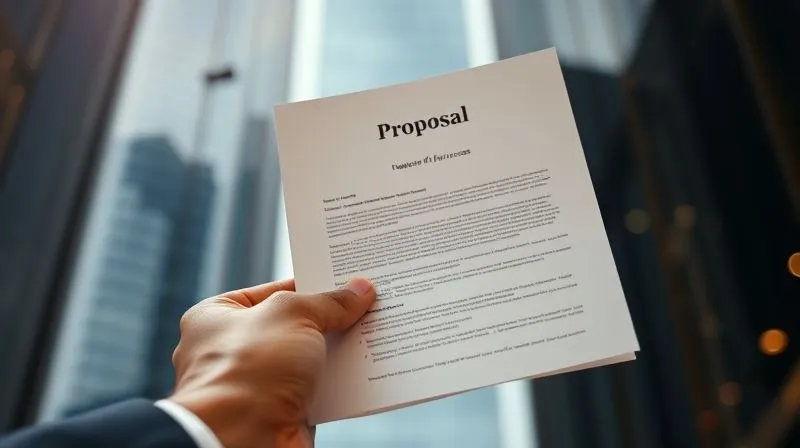
Crafting a Compelling Proposal
Your proposal should be concise, professional, and clearly state your intentions. Here's what it should include:
- Your Identity and Affiliation: Who are you? Are you a student, a researcher, a professional photographer, a blogger? Provide credentials.
- Specific Building and Purpose: Clearly state which building you wish to access and precisely why. Is it for a research project, a photographic series, an article?
- Benefit for the Owner: How does granting you access benefit them? Public relations, showcasing their design, contributing to academic understanding?
- Logistics: Proposed dates, times, duration of visit, number of people in your party, and any equipment you plan to bring.
- Assurances: Promise to adhere to all building rules, respect privacy, and provide any necessary documentation (e.g., insurance).
Always include a portfolio or samples of your work if your purpose is creative (photography, writing). This demonstrates your capabilities and professionalism.
Permits, Insurance, and Liability Considerations
For many private buildings, especially those with high security or sensitive operations, you'll need to address permits and liability. It's not uncommon for building owners to require proof of public liability insurance, especially if you're conducting commercial photography or a large-scale project.
Be prepared to discuss these aspects and even offer to sign non-disclosure agreements if sensitive information might be encountered. Proactively addressing these concerns in your initial request can significantly increase your chances of success. It shows you're serious and understand their operational needs.
"In the complex world of modern property management, security and tenant privacy are paramount. Any request for access must not only be compelling but also meticulously address potential liabilities and operational disruptions." – Forbes Real Estate Council
Strategy 4: Utilizing Educational and Research Pathways
Academic pursuits often provide a legitimate and respected pathway to private architectural spaces. Universities, research institutions, and even some specialized high school programs can offer a credible reason for building owners to grant access.
This strategy hinges on framing your interest within an educational or research context, which inherently carries a level of seriousness and academic rigor. It's about demonstrating that your visit isn't for casual tourism but contributes to a broader body of knowledge.
Academic Research and University Partnerships
If you're a student or academic, leverage your institution's resources. A letter of intent or support from a university professor, outlining your research project and its relevance to the building's design, function, or historical context, can be incredibly powerful.
Many architectural firms and developers are open to supporting academic research, as it can contribute to their public image and the discourse around their work. Your research might focus on sustainable design, innovative materials, or the sociological impact of a building, all of which are valid and compelling reasons for access.
Documentary Filmmaking and Photographic Projects
For those involved in documentary filmmaking or serious architectural photography, the narrative you can create around a building can be a strong bargaining chip. A well-conceived project that aims to showcase the building's unique features or its contribution to the urban fabric can be appealing to owners.
Highlight how your project will elevate the building's profile or contribute to its legacy. Offering a copy of the finished work, with appropriate credits, can be an attractive incentive. Always ensure you have a clear artistic vision and professional production standards.
Strategy 5: Exploring Exclusive Memberships and Private Clubs
Sometimes, the easiest way to get behind the velvet rope is simply to be a member of the right club. Various organizations and high-end services specialize in providing their members with unique cultural and architectural experiences, often including private building access.
While these options typically come with a financial commitment, they can unlock doors that remain firmly shut to the general public. It's about investing in a curated experience and leveraging established relationships.
Architectural Societies and Heritage Trusts
Joining local or national architectural societies (e.g., American Institute of Architects chapters, National Trust organizations) often grants you access to member-only tours and events. These organizations frequently negotiate special access to private buildings for their members as part of their educational programming.
These memberships not only provide access but also connect you with a community of like-minded enthusiasts and professionals, further expanding your networking opportunities.
High-End Concierge Services and Luxury Travel
For those with a higher budget, luxury travel agencies and bespoke concierge services can arrange private tours of exclusive properties. These companies often have established relationships with property owners, managers, and even residents of high-end buildings.
They can leverage these connections to secure access that would be impossible for an individual. While expensive, it's a guaranteed route for truly unique and personalized architectural experiences, often including private residences or exclusive clubs within modern towers.
| Access Pathway | Cost | Effort | Exclusivity Level | Best For |
|---|---|---|---|---|
| Open House Events | Low to Medium | Medium | Medium | General enthusiasts, initial exploration |
| Networking & Relationships | Low (time) | High | High | Professionals, long-term engagement |
| Formal Proposals | Low (time) | High | Medium to High | Researchers, photographers, media |
| Academic & Research | Low (time) | High | High | Students, academics, documentary makers |
| Memberships & Concierge | Medium to High | Low to Medium | Very High | Luxury travelers, dedicated enthusiasts |
Strategy 6: Volunteering and Contributing to Preservation Efforts
An often-overlooked but incredibly rewarding path to gaining exclusive access to private modern city buildings is through active involvement in architectural preservation or cultural heritage organizations. These groups are often granted special permissions for conservation, documentation, or public engagement.
By offering your time and skills, you not only contribute to a worthy cause but also position yourself as a trusted and valuable asset, opening doors that might otherwise remain closed. It's a testament to the power of giving back to the community.
Supporting Architectural Preservation Non-Profits
Many cities have non-profit organizations dedicated to preserving and promoting local architecture, including significant modern structures. Volunteering with these groups can lead to unique opportunities.
You might assist with research, event organization, or even hands-on conservation work. Through this involvement, you'll naturally gain access to buildings for assessment, documentation, or event preparation, often with behind-the-scenes insights unavailable to the public.
Becoming a Docent or Tour Guide
Some private buildings, especially those with public-facing elements or those included in architectural tours, rely on volunteer docents. Becoming a trained docent not only grants you regular access but also deepens your understanding of the building's history, design, and significance.
This role often comes with the privilege of exploring areas not typically shown to the general public, as part of your training or during special events. It’s a fantastic way to combine your passion for architecture with a public service.
Strategy 7: Harnessing Digital Tools and Social Media Influence
In today's digital age, your online presence can be a powerful tool for unlocking private access. If you have a significant following or a highly curated platform dedicated to architecture, you might be able to leverage this influence to secure invitations or special permissions.
Building a credible online presence takes time and consistent effort, but the rewards, including exclusive access, can be substantial. It's about demonstrating value through your content and audience.
Online Architectural Communities and Forums
Engage actively in online architectural communities, forums, and specialized social media groups. These platforms are often frequented by architects, designers, and even building owners or their representatives.
By contributing insightful comments, sharing your knowledge, and asking thoughtful questions, you can establish yourself as a respected voice. This can sometimes lead to direct invitations or connections that facilitate access.
Blogging and Vlogging for Access
If you run a popular blog, YouTube channel, or Instagram account focused on modern architecture, you have a unique asset. Building owners and developers are increasingly aware of the power of digital media for public relations and marketing.
A well-crafted proposal that outlines your audience reach, engagement metrics, and how you plan to feature their building can be highly appealing. Offering high-quality content that showcases their property in a positive light can often be a compelling exchange for exclusive access.

Navigating the Ethical Landscape of Private Access
As an expert in this field, I cannot stress enough the importance of ethical conduct when seeking and gaining access to private modern city buildings. The privilege of entry comes with a significant responsibility to respect the owners, the tenants, and the integrity of the space.
Ignoring these ethical considerations not only jeopardizes your own future access but can also harm the reputation of the entire architectural enthusiast community. Always prioritize respect and professionalism above all else.
Respecting Privacy and Property Rights
When you are granted access to a private building, you are a guest. This means strictly adhering to any rules or restrictions provided. Do not venture into unauthorized areas, do not disturb tenants or employees, and always ask before photographing individuals.
Remember that these are working or living environments. Your presence, even if authorized, should be as unobtrusive as possible. Treat the property with the utmost care, as if it were your own.
The Importance of Professional Conduct
Maintain a professional demeanor at all times. Be punctual for appointments, dress appropriately, and be polite and gracious to everyone you encounter, from security guards to building executives. A positive impression can pave the way for future opportunities, both for yourself and for others seeking similar access.
Conversely, unprofessional behavior can lead to immediate revocation of access and can permanently blacklist you from future opportunities. Your conduct reflects not just on you, but on the entire community of architectural enthusiasts.
Frequently Asked Questions (FAQ)
Q: Is it ever acceptable to try to 'sneak in' to a private building? A: Absolutely not. Attempting to 'sneak in' is trespassing and can lead to legal consequences, not to mention damaging your reputation and the perception of all architectural enthusiasts. Always seek official permission. My entire methodology revolves around legitimate, respectful pathways.
Q: What if I don't have an academic affiliation or a large social media following? Can I still gain access? A: Yes, certainly! While those pathways are effective, strategies like leveraging Open House events, building genuine relationships through networking, and crafting compelling formal proposals are accessible to anyone with passion and professionalism. Start with local architectural groups and events.
Q: How long does it typically take to secure private building access? A: This varies widely. Open House events offer immediate access on specific dates. Formal requests or relationship-building can take weeks or even months, depending on the building's security, the owner's schedule, and the complexity of your request. Patience and persistence are key.
Q: Should I offer compensation for access? A: Generally, no. Most private building owners are not looking for monetary compensation for access. They are more interested in positive public relations, academic contribution, or alignment with their brand values. Offering payment might even be perceived as inappropriate or unprofessional. Focus on the value you bring.
Q: What if my request is denied? Should I give up? A: A denial is not necessarily a definitive 'no' forever. It might mean your timing was off, your proposal wasn't compelling enough, or the building simply wasn't open to visitors at that time. Politely ask for feedback if possible, refine your approach, and consider alternative buildings or different strategies. Persistence, within reason and respect, often pays off.
Key Takeaways and Final Thoughts
Gaining exclusive access to private modern city buildings is not a mythical quest but a strategic endeavor. It requires patience, professionalism, and a genuine understanding of the building owners' perspectives. As someone who has navigated these urban landscapes for decades, I've seen firsthand how dedication and the right approach can unlock incredible opportunities.
- Leverage Organized Events: Start with Open House weekends and design festivals for sanctioned access.
- Build Authentic Relationships: Network genuinely with architects, developers, and property managers.
- Craft Professional Proposals: Present a clear, compelling reason for your visit that addresses their concerns.
- Explore Academic & Creative Avenues: Frame your interest within research, photography, or documentary projects.
- Consider Memberships & Volunteering: Join architectural societies or contribute to preservation efforts.
- Harness Digital Influence: Use your online platform to demonstrate value and secure invitations.
- Always Act Ethically: Respect privacy, property, and maintain professional conduct to ensure future opportunities.
Remember, every 'no' brings you closer to a 'yes.' Approach each opportunity with respect, curiosity, and a commitment to adding value. The hidden architectural gems of our cities are waiting to be discovered, and with these strategies, you are now equipped to unlock them. Your next breathtaking urban discovery is just a well-planned step away.
Recommended Reading
- Unlock the Secret: How to Pick Teen Friendly Family Trip Destinations
- Burnt Out? 7 Smart Ways to Afford a Restorative Quick Getaway
- Unveiling the Truth: Are Safari Tents Truly Good for Cold-Weather Glamping?
- Beat Burnout: 7 Steps to Your Executive Resort Island Escape
- Unlock Serenity: The Secret to Finding Quiet Festival Camping Spots





Your email address will not be published. Required fields are marked *