

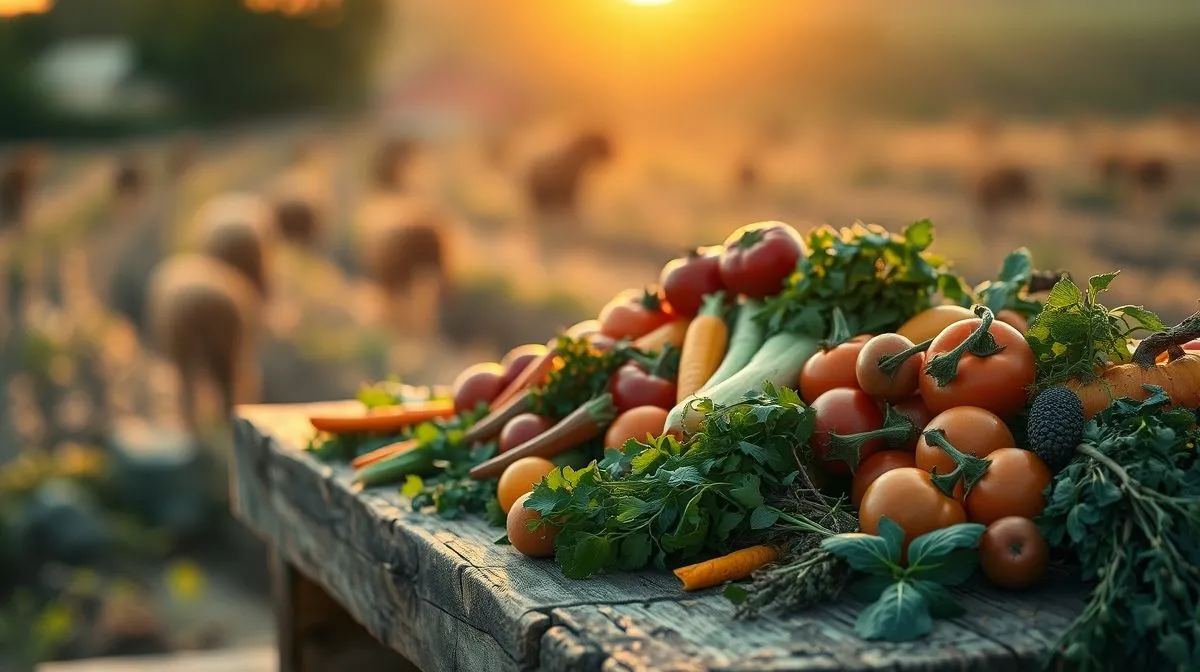
How to Ensure Farm to Table Restaurants Are Authentic?
Have you ever savored a dish so fresh, so vibrant, that you could almost taste the soil it grew from and feel the sun that ripened it? This is the promise of the farm-to-table movement – a direct connection between the bounty of the land and your plate. It's a culinary philosophy that champions local, seasonal ingredients, fostering a deeper appreciation for where our food comes from.
Yet, as the popularity of this movement surges, so too does the challenge of distinguishing genuine farm-to-table establishments from those merely leveraging the trendy moniker. The term has become a powerful marketing tool, sometimes leading to what industry insiders call "farm-washing," where restaurants make vague or misleading claims about their sourcing. This creates a dilemma for diners who genuinely seek out ethical, sustainable, and truly fresh dining experiences.
This comprehensive guide will equip you with the knowledge and tools to confidently identify truly authentic farm-to-table restaurants. By the end of this reading, you'll understand the core principles, key indicators, and investigative steps needed to ensure your dining choices genuinely support local farmers and sustainable practices, transforming you into a more informed and empowered food enthusiast.
Understanding the True Meaning of Farm to Table
The concept of farm to table is more than just a culinary trend; it's a philosophy rooted in transparency, sustainability, and community. At its heart, it emphasizes a direct relationship between a restaurant and the local farms that supply its ingredients, minimizing intermediaries and prioritizing freshness.
More Than Just a Slogan
Initially, "farm to table" emerged as a reaction against industrial food systems, promoting a return to wholesome, locally sourced food. It’s about more than simply using fresh ingredients; it's about the entire supply chain. It implies a commitment to knowing the farmer, understanding their growing practices, and respecting the seasonality of produce.
A truly authentic farm-to-table restaurant doesn't just buy from a local distributor; it often has established relationships with specific farms, sometimes even visiting them regularly. This direct connection ensures a higher quality of ingredients and a deeper understanding of their origin.
The Core Principles
- Locality: Ingredients are sourced from farms within a defined geographical radius, typically within 100-200 miles. This reduces transportation costs and environmental impact.
- Seasonality: Menus reflect what is currently growing and available in the region. This ensures peak freshness and flavor.
- Freshness: Produce, meats, and dairy are often delivered directly from the farm to the restaurant, sometimes on the very day of harvest or production.
- Transparency: Restaurants are open about their sourcing, often listing farm partners on their menus or websites.
- Sustainability: A commitment to environmentally friendly farming practices, fair labor, and reduced waste is often part of the ethos.
Key Indicators of Genuine Farm to Table Practices
When seeking out authentic farm-to-table dining, there are several tell-tale signs that can help you discern genuine commitment from mere marketing. These indicators often require a bit of observation and, sometimes, direct inquiry.
Direct Farm Sourcing and Transparency
One of the most significant indicators is a restaurant's willingness to be transparent about its suppliers. Genuine farm-to-table establishments proudly display their farm partners. Look for:
- Farm Names on the Menu: Many authentic restaurants will list the specific farms their ingredients come from, sometimes even specifying which dish uses produce from which farm.
- Website & Social Media: Check their "About Us" or "Sourcing" pages. Do they feature profiles of farmers? Do their social media posts show visits to farms or highlight specific harvests?
- Farmer Spotlights: Some restaurants dedicate sections of their space or website to showcasing their farmer partners, complete with photos and stories.
Seasonal and Local Menus
A menu that changes frequently is a strong sign of seasonality. If a restaurant claims to be farm-to-table but offers tomatoes in winter in a cold climate, it's a red flag. True seasonality means:
- Changing Offerings: Dishes will evolve with the seasons, reflecting what's naturally available.
- Limited Availability: Some dishes might be "when available" or "until supplies last," indicating reliance on small-batch farm production.
- Regional Focus: The ingredients and culinary style will often reflect the local agricultural landscape and traditions.
Relationships with Farmers
Beyond just buying ingredients, authentic farm-to-table chefs often cultivate personal relationships with their farmers. This deep connection ensures quality and mutual respect. You might observe:
- Chef-Farmer Collaboration: Chefs might work with farmers to plan crops, ensuring specific varieties are grown for their restaurant.
- Shared Values: Conversations with staff might reveal a genuine appreciation for the farmers' work and a shared commitment to sustainable practices.
On-Site Gardens and Animal Husbandry
While not universally applicable, some highly committed establishments take farm-to-table literally by growing their own produce or raising their own animals. This is the ultimate expression of control over the food chain.
- Restaurant Gardens: Many restaurants have small herb gardens or even larger vegetable patches on their premises or nearby.
- Farm-Owned Restaurants: Some restaurants are directly owned by or located on farms, ensuring the shortest possible journey from soil to plate.
Investigating a Restaurant's Farm-to-Table Claims
As a discerning diner, you have the power to investigate and verify a restaurant's claims. Don't be afraid to ask questions and do a little homework. Your efforts contribute to promoting transparency in the food industry.
Ask the Right Questions
Engage with the waitstaff or, if possible, the chef. A truly authentic restaurant will be proud to share their sourcing information.
- "Which farms do you source your produce from this week?"
- "Is your meat and dairy locally sourced? From where?"
- "How often does your menu change to reflect seasonality?"
- "Do you have a direct relationship with the farmers, or do you go through a distributor?"
Pay attention to the specificity and confidence of their answers. Vague responses like "we use local suppliers" without naming names can be a red flag.
Look for Farmer Spotlights and Certifications
Many genuine farm-to-table restaurants will actively promote their partnerships. Beyond direct questions, look for:
- Visual Cues: Photos of farmers, farm logos, or even a map of their sourcing radius on display.
- Certifications: While not strictly "farm-to-table," certifications like organic, Certified Humane, or local food network affiliations can indicate a commitment to ethical and sustainable practices that align with the farm-to-table ethos.
- Community Engagement: Do they host farmer's market events, cooking classes focused on local ingredients, or participate in local food initiatives?
Review Online Presence and Reviews
In the digital age, a restaurant's online footprint can reveal a lot about its authenticity. Leverage these resources:
- Website Content: As mentioned, look for detailed sourcing information. Does their blog feature stories about farm visits?
- Social Media: Are they tagging farms in their posts? Do they show images of fresh deliveries from specific farms?
- Customer Reviews: Check platforms like Yelp, Google Reviews, or TripAdvisor. Do other diners mention the authenticity of their farm-to-table claims? Are there reviews from local food critics who specialize in this area?
The Economic and Environmental Benefits of Authentic Farm-to-Table
Choosing authentic farm-to-table restaurants goes beyond just enjoying fresh, delicious food. It's an act of support for a more sustainable and equitable food system, offering significant benefits to local economies, the environment, and even your health.
Supporting Local Economies
When you dine at a genuine farm-to-table establishment, your money directly supports local farmers, producers, and the wider community. This creates a positive ripple effect:
- Farmer Livelihoods: Direct sales to restaurants often provide farmers with better prices for their products than selling to large distributors, helping them sustain their operations and invest in their land.
- Job Creation: Local food systems create more jobs per dollar spent than conventional ones, from farmhands to restaurant staff.
- Community Resilience: A robust local food economy makes communities more resilient to external economic shocks and ensures a stable food supply. According to the USDA Agricultural Marketing Service, local food sales contribute significantly to rural economies.
Reducing Carbon Footprint
The journey from farm to plate can be incredibly long in conventional food systems, involving extensive transportation, refrigeration, and packaging. Farm-to-table significantly reduces this environmental impact:
- Less Transportation: Shorter distances mean less fuel consumption and fewer greenhouse gas emissions.
- Reduced Packaging: Direct deliveries often involve less elaborate packaging compared to mass-market produce.
- Sustainable Practices: Many local farms that partner with farm-to-table restaurants prioritize sustainable or organic farming methods, which are better for soil health, water quality, and biodiversity.
Healthier Eating
Fresh, seasonal, and locally sourced ingredients are often more nutritious and flavorful. The benefits to your plate are tangible:
- Peak Freshness: Produce harvested at its peak ripeness and consumed shortly after retains more vitamins, minerals, and antioxidants.
- Enhanced Flavor: Food that doesn't have to travel far or be stored for long periods simply tastes better.
- Fewer Additives: Local food systems often bypass the need for waxes, preservatives, and other chemicals used to extend shelf life in conventional supply chains.
Common Pitfalls and Misleading Marketing Tactics
While the farm-to-table movement is largely positive, its popularity has unfortunately led to some restaurants exploiting the trend without fully committing to its principles. Being aware of these pitfalls can help you avoid being misled.
"Farm-Washing" and Greenwashing
This is the primary challenge for consumers seeking authenticity. "Farm-washing" refers to restaurants using vague or misleading language to imply a farm-to-table ethos without genuine practices. This often involves:
- Vague Sourcing Claims: Using terms like "locally inspired" or "seasonal ingredients" without specifying actual farms or regions.
- Generic Decor: Adopting rustic aesthetics (barn wood, mason jars) without actual commitment to local sourcing.
- Misleading Imagery: Featuring pictures of farms on menus or websites that have no actual connection to their supply chain.
Similarly, "greenwashing" broadly refers to companies making unsubstantiated or misleading claims about the environmental benefits of their products or practices. For more on this, Wikipedia's entry on Greenwashing provides a comprehensive overview.
Vague Sourcing Claims
A common tactic is to use terms that sound good but lack substance. Phrases like "sourced from nearby farms" or "our produce is local" without naming specific farms or even the general region are red flags. A truly transparent restaurant will be able to tell you exactly where their heirloom tomatoes or pasture-raised chicken came from.
Sometimes, restaurants might source one or two items locally (e.g., a specific cheese or herb) and then imply that their entire menu is farm-to-table. Always look for consistency across the menu.
The Challenge of Scale
For larger restaurants or chains, maintaining a 100% farm-to-table model can be incredibly challenging due to the volume of ingredients needed and the limited supply from small local farms. While some larger establishments make genuine efforts, it's often more difficult for them to achieve the same level of direct sourcing and relationship with multiple small farms as a smaller, independent restaurant might.
This doesn't mean large restaurants can't be good or sustainable, but their "farm-to-table" claims might need more scrutiny. They might rely on larger regional distributors who aggregate from multiple farms, which is a step better than national distributors but still not direct farmer-to-chef.
Becoming an Informed Diner: Your Role in Promoting Authenticity
Your choices as a diner have a significant impact on the restaurant industry. By actively seeking out and supporting authentic farm-to-table establishments, you contribute to a more transparent, sustainable, and ethical food system. This is how to ensure farm to table restaurants are authentic, by being an active participant.
Research Before You Go
A little preparation can go a long way. Before making a reservation, take a few minutes to:
- Check Websites: Look for dedicated "Our Farms" or "Sourcing" pages.
- Read Reviews: Pay attention to what other diners say about the authenticity of their claims.
- Consult Local Guides: Many cities have local food blogs or publications that highlight genuine farm-to-table spots.
Engage with Staff
Once you're at the restaurant, don't hesitate to ask polite, specific questions about their sourcing. A well-trained and proud staff will be eager to share details about their farm partners and seasonal ingredients. This interaction not only helps you verify authenticity but also educates the restaurant that diners care about these details.
Share Your Experiences
If you discover a truly authentic farm-to-table gem, share your positive experience! Leave reviews, recommend it to friends, and spread the word. Your support helps these genuine establishments thrive and encourages others to adopt similar transparent practices. Conversely, if you encounter misleading claims, consider providing constructive feedback, either directly to the restaurant or in a review, to encourage greater transparency.
Frequently Asked Questions (FAQ)
What does "farm to table" truly mean? It means a direct relationship between a restaurant and local farms, prioritizing fresh, seasonal, and often sustainably grown ingredients with minimal intermediaries.
How can I tell if a restaurant's farm-to-table claims are real? Look for specific farm names on the menu, ask staff about their sourcing, check their website for farmer profiles, and observe if their menu changes with the seasons.
Why is supporting authentic farm-to-table restaurants important? It supports local economies, reduces the carbon footprint of food transportation, promotes healthier eating with fresher ingredients, and encourages sustainable farming practices.
Is organic food always farm-to-table? Not necessarily. Organic refers to farming methods, but organic produce can still travel long distances. While many authentic farm-to-table restaurants use organic or sustainably grown ingredients, the key is the local and direct sourcing, not just the organic certification.
Do farm-to-table restaurants cost more? Often, yes. The costs associated with direct sourcing from small farms, sustainable practices, and the higher quality of fresh, seasonal ingredients can lead to slightly higher menu prices. However, many find the added value in flavor, quality, and ethical impact well worth the investment.
Recommended Reading
- Romantic Escape: Best Designer Hotels for Unforgettable Getaways
- Amalfi Coast's Best Michelin Restaurants: Your Exclusive Culinary Guide
- Volunteer for Sea Turtles: Your Ultimate Guide to Conservation
- Altitude Sickness: Prevent it With This Essential Guide!
- Maldives Celebrity Hotspots: Where Do Stars Escape?
Conclusion
The allure of farm-to-table dining is undeniable, offering a promise of freshness, quality, and a deeper connection to our food sources. However, as the movement gains traction, the challenge of discerning true authenticity from mere marketing rhetoric has become increasingly vital. By understanding the core principles of locality, seasonality, and transparency, and by actively engaging in research and inquiry, you empower yourself to make informed choices that genuinely support local farmers and sustainable food systems. The journey to truly authentic dining is a rewarding one, enriching not only your palate but also the communities and environments that nourish us. So, go forth, ask questions, and savor the true taste of farm-to-table, knowing you're part of a movement that values integrity from the soil to your plate.





Your email address will not be published. Required fields are marked *