

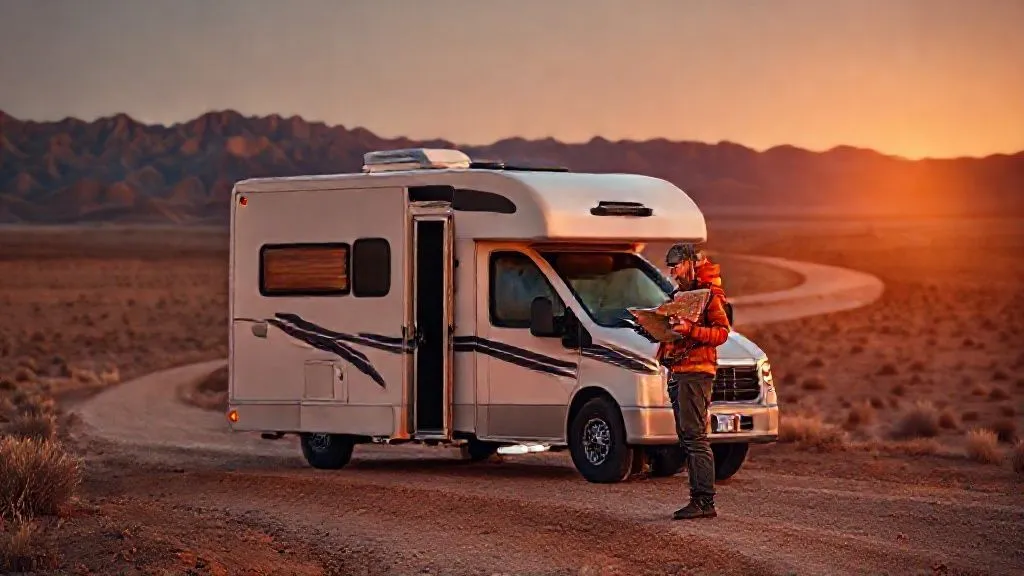
For over 20 years exploring the vast, often untamed beauty of North America in my RV, I've seen it all – from minor electrical glitches in bustling campgrounds to major mechanical failures hundreds of miles from the nearest town. I've learned, sometimes the hard way, that the true joy of RVing in remote areas comes not just from the freedom, but from the unwavering confidence in your preparedness.
The thought of an RV tour breakdown in remote areas can send shivers down even the most seasoned traveler's spine. You're far from cell service, mechanics, and often, even other people. The stakes are higher, the challenges more complex, and a lack of a clear plan can quickly turn an inconvenience into a genuine survival situation.
This isn't just a list of tips; it's a battle-tested emergency protocol for RV tour breakdowns in remote areas, born from countless miles and real-world experiences. I'll share actionable frameworks, critical equipment checklists, and expert insights to ensure you're not just hoping for the best, but actively prepared for the worst, transforming potential disaster into a manageable challenge.
Step 1: Prioritize Safety and Assess the Situation
When your RV grinds to a halt in the middle of nowhere, the first instinct might be panic. However, my experience has taught me that a calm, methodical approach is your greatest asset. Your immediate actions are crucial for the safety of yourself, your passengers, and your RV.
Immediate Actions
- Secure Your Location: If possible, pull your RV completely off the road or trail. Engage your parking brake immediately. If you're on an incline, chock your wheels.
- Activate Hazard Lights: Turn on your RV's hazard lights to alert any passing vehicles – however rare they might be in a remote setting.
- Set Up Warning Triangles/Flares: Position reflective triangles or emergency flares a safe distance behind and in front of your RV, especially if visibility is poor or you're near a blind curve.
- Assess Immediate Dangers: Are you in a flash flood zone? Near a cliff edge? Is there a smell of burning or leaking fluids? Your physical safety is paramount.
Initial Assessment
Once safe, take a deep breath and begin a preliminary assessment. This isn't about fixing anything yet, but about understanding the problem's scope. Check your gauges for engine temperature, oil pressure, and battery voltage. Listen for unusual sounds. Visually inspect under the hood and around the vehicle for obvious issues like flat tires, fluid leaks, or disconnected hoses.
"In remote breakdowns, knowledge isn't just power; it's survival. A quick, accurate assessment saves precious time and prevents compounding mistakes."
Step 2: Establish Communication – Your Lifeline
The biggest challenge in remote areas is often the lack of communication. Your cell phone is likely a paperweight. This is where your pre-planned communication strategy for an emergency protocol for RV tour breakdowns in remote areas truly shines.
Beyond Cell Service
Relying solely on a cell phone in remote areas is a rookie mistake I see far too often. True preparedness means investing in reliable off-grid communication devices.
- Satellite Messengers/Phones: Devices like the Garmin inReach or an Iridium satellite phone are non-negotiable for serious remote RVers. They allow you to send SOS signals, text messages, or even make calls from anywhere on Earth.
- CB Radio/VHF Radio: While range-limited, these can be useful for communicating with other travelers or nearby emergency services if they are monitoring channels.
- Pre-program Emergency Numbers: Even if you have satellite communication, have a printed list of emergency contacts, including your RV roadside assistance, insurance provider, and trusted family members.
Emergency Contact Plan
Before you even leave for your trip, establish a detailed communication plan. Let someone trustworthy know your itinerary, expected check-in times, and what to do if they don't hear from you. This 'check-in' system is a passive form of emergency signaling.

According to a report by the Outdoor Industry Association, only 30% of remote travelers carry dedicated satellite communication devices, highlighting a significant gap in preparedness. Don't be part of that statistic.
Step 3: Basic Troubleshooting & Temporary Fixes
While you might not be a certified mechanic, many common RV breakdowns can be temporarily mitigated or even fixed with a basic understanding and the right tools. This is a critical component of any emergency protocol for RV tour breakdowns in remote areas.
Common RV Issues
Familiarize yourself with the most frequent culprits:
- Flat Tires: Knowing how to change a tire, especially on a heavy RV, is essential. Carry a spare, a robust jack, and a lug wrench.
- Dead Battery: Jumper cables or a portable jump starter can get you going. Understand your battery system.
- Overheating Engine: Check coolant levels, look for obvious leaks, or a broken fan belt.
- Fuel Issues: Clogged fuel filters or simply running out of fuel (always carry extra!).
- Minor Electrical Faults: Blown fuses are common and often easy to replace if you have spares and know your fuse panel.
Essential Tool Kit
Your RV's tool kit should be far more comprehensive than what you'd carry in a car. It's your mobile workshop.
| Category | Items |
|---|---|
| Mechanical | Socket/Wrench Set, Pliers, Screwdrivers, Tire Pressure Gauge, Multimeter, Jumper Cables, Portable Air Compressor, Duct Tape, Zip Ties |
| Tire Repair | Heavy-Duty Jack, Lug Wrench, Spare Tire, Tire Plug Kit, Wheel Chocks |
| Fluids/Chemicals | Engine Oil, Coolant, Brake Fluid, Fuel Stabilizer, WD-40, Hand Cleaner |
| Electrical | Assorted Fuses, Wire Cutters/Strippers, Electrical Tape, Headlamp |
| Safety/Signaling | Reflective Triangles, Flares, Fire Extinguisher, Whistle, High-Visibility Vest |
I always recommend taking a basic RV maintenance course or watching extensive online tutorials before embarking on remote journeys. Understanding your RV's systems empowers you to attempt simple repairs, potentially saving days of waiting for assistance.
Step 4: Self-Sufficiency & Survival Essentials
In a remote breakdown scenario, you might be waiting for help for hours, or even days. Your ability to sustain yourself and your passengers is paramount. This is where a well-stocked survival kit, beyond your usual RV supplies, becomes critical.
Water, Food, and Shelter
Never underestimate the importance of these basic needs:
- Water: Carry at least a week's supply of potable water, even if your RV tanks are full. Consider a portable water filter or purification tablets.
- Non-Perishable Food: Emergency rations, high-energy bars, and canned goods that don't require cooking are ideal.
- Emergency Shelter: A tarp, sleeping bags, and even a small tent can provide crucial shelter if your RV becomes uninhabitable or if you need to evacuate.
- Warmth: Extra blankets, thermal clothing, and a portable propane heater (with adequate ventilation) are essential, especially in colder climates.
First Aid & Medical Preparedness
A comprehensive first aid kit is non-negotiable. It should include:
- Standard Supplies: Bandages, antiseptic wipes, pain relievers, allergy medication.
- Prescription Medications: Ensure all travelers have at least a week's extra supply of any necessary prescriptions.
- Specialized Items: Snake bite kit, burn cream, splint materials, and a wilderness first aid guide.
- Knowledge: At least one person in your party should have basic first aid and CPR training.
Case Study: The Thompson Family's Desert Dilemma
Case Study: The Thompson Family's Desert Dilemma
The Thompson family, avid RVers, embarked on a tour through Utah's remote Canyonlands. Miles from cell service, their diesel RV suffered a critical fuel pump failure. With an emergency protocol for RV tour breakdowns in remote areas in place, they immediately secured their RV, activated their satellite messenger to alert their contact and RV roadside assistance, and began their self-sufficiency plan. They had a week's supply of water, emergency rations, and a robust first aid kit. For 36 hours, they waited comfortably, playing board games and monitoring their surroundings, until a specialized tow truck reached them. Their preparedness turned a potentially dangerous situation into a manageable inconvenience, showcasing the power of a proactive approach.
Step 5: Signaling for Help & Making Yourself Visible
Even with advanced communication devices, physical signaling can be crucial, especially if your primary communication fails or for direct contact with search and rescue. Making your breakdown visible is an important part of your emergency protocol for RV tour breakdowns in remote areas.
Visual Signals
- High-Visibility Markers: Drape bright tarps or clothing over your RV. If you have a drone, flying it with a bright flag attached can increase visibility.
- Signal Mirror: A small, inexpensive tool that can reflect sunlight over vast distances to attract attention from aircraft or distant vehicles.
- Flares and Strobe Lights: Chemical light sticks or LED strobes can provide continuous light signals, especially at night.
- Ground-to-Air Signals: If you suspect air search and rescue, learn basic ground-to-air signals (e.g., 'V' for help, 'X' for medical emergency).
Audible Signals
While less effective over long distances, audible signals can be useful:
- Whistle: A loud, shrill whistle can carry further than your voice and is less tiring to use repeatedly.
- Air Horn: A compressed air horn can be very loud but has limited duration.
- Vehicle Horn: Use your RV's horn in short, distinct bursts (e.g., three short blasts for distress) if you hear or see potential help.
Step 6: Documenting the Incident and Insurance
Once the immediate safety and communication aspects are handled, turn your attention to documenting the incident. This is vital for insurance claims and understanding what went wrong, ensuring your emergency protocol for RV tour breakdowns in remote areas covers all bases.
Key Information to Record
Gather as much detail as possible:
- Date, Time, and Location: Be precise. Use GPS coordinates if available.
- Detailed Description of the Breakdown: What happened? What were the symptoms?
- Photos and Videos: Document the damage, the surrounding area, and any warning signals you've deployed.
- Weather Conditions: Note temperature, precipitation, and wind.
- Witness Information: If anyone stops to help, get their contact details.
Contacting Your Provider
As soon as you have reliable communication, contact your RV roadside assistance and insurance provider. Provide them with all the documented information. Be clear about your remote location and the challenges involved in reaching you. Major providers like AAA RV or Good Sam Roadside Assistance often have specific protocols for remote recoveries. Good Sam Roadside Assistance, for example, specializes in RVs.
It's always wise to review your policy before any trip to understand your coverage for towing, repairs, and potential alternative accommodations in remote areas. The RV Industry Association (RVIA) emphasizes the importance of understanding your vehicle's limitations and insurance coverage for remote travel.
| Action Item | Details |
|---|---|
| Document Location | GPS coordinates, nearest landmark, road name |
| Describe Issue | Symptoms, sounds, visual damage, error codes |
| Take Photos/Videos | Damage, surroundings, warning signals, weather |
| Contact Roadside | Policy number, detailed location, RV specifics, estimated wait |
| Contact Insurance | Claim process, coverage details, next steps |
Step 7: Post-Breakdown Recovery & Learning
The incident isn't over when the tow truck arrives. The final steps of your emergency protocol for RV tour breakdowns in remote areas involve recovery, repair, and crucially, learning from the experience.
Professional Repair & Towing
Ensure your RV is towed to a reputable repair shop that specializes in RVs, especially if it's a complex diesel pusher or a unique setup. Don't settle for the nearest car mechanic if they lack RV expertise. Discuss the repair plan thoroughly and get estimates in writing.
I've learned that sometimes, the nearest 'mechanic' isn't the *right* mechanic. It's better to arrange for a longer tow to a specialist than to risk a shoddy repair that leaves you stranded again later.
Review and Refine Your Protocol
Every breakdown, no matter how minor, is a learning opportunity. Sit down with your travel companions and honestly review what worked and what didn't in your emergency protocol for RV tour breakdowns in remote areas.
- Were your tools adequate?
- Was your communication plan effective?
- Did you have enough supplies?
- What could be improved for next time?
Adjust your preparedness kit, update your emergency contacts, and consider additional training based on your experience. This continuous improvement loop is what separates a prepared RVer from one who simply hopes for the best. As Forbes Advisor often highlights, comprehensive planning reduces risks significantly.
Frequently Asked Questions (FAQ)
Question? What's the single most important item to carry for remote RV breakdowns?
While many items are crucial, a reliable satellite communication device (like an inReach or satellite phone) is arguably the single most important. It provides your lifeline to the outside world when your cell phone won't work, allowing you to signal for help, share your location, and communicate with emergency services or loved ones. Without communication, even the best tools and supplies can't summon assistance.
Question? How much extra fuel should I carry for remote travel?
This depends on your RV's fuel efficiency, the remoteness of your destination, and the distance between fuel stops. As a general rule, I recommend carrying enough extra fuel for at least 100-150 miles of travel. Use sturdy, DOT-approved fuel cans and secure them safely outside your RV. Always factor in potential detours or idling time during a breakdown.
Question? Should I stay with my RV during a breakdown, or try to walk for help?
In almost all remote breakdown scenarios, my advice is to stay with your RV. Your RV is a much larger, more visible, and often safer shelter than attempting to walk for help, especially in unfamiliar or harsh terrain. It provides protection from the elements, wildlife, and often contains your essential supplies. Search and rescue operations are much more effective at finding a large, stationary vehicle than a moving individual. The only exception would be if the RV itself is in immediate danger (e.g., fire, unstable ground).
Question? What kind of training should I consider before a remote RV trip?
Beyond basic RV maintenance, consider taking a wilderness first aid course, a basic vehicle repair class, and possibly a course on using your specific communication devices. Knowing how to change a heavy RV tire, understanding basic engine diagnostics, and being proficient in first aid can make a profound difference in a remote emergency.
Question? How often should I check my RV's emergency kit and protocols?
I recommend a thorough review of your emergency kit and protocol at least twice a year, and a quick check before every major trip. This ensures batteries are charged, perishable items haven't expired, and any new equipment is properly integrated. Think of it like pre-flight checks for an aircraft; it's non-negotiable for safety.
Key Takeaways and Final Thoughts
- Prioritize Safety: Immediate actions ensure the well-being of all occupants.
- Communicate Strategically: Beyond cell service, satellite devices are your non-negotiable lifeline.
- Empower Yourself: Basic troubleshooting knowledge and a comprehensive tool kit can prevent prolonged waits.
- Be Self-Sufficient: Ample water, food, and emergency shelter are critical for extended waits.
- Signal Effectively: Make your presence known through both visual and audible means.
- Document Everything: For insurance and future learning, thorough records are invaluable.
- Learn and Adapt: Every experience refines your emergency protocol for RV tour breakdowns in remote areas, making you a more resilient traveler.
Venturing into remote areas with your RV offers unparalleled freedom and beauty, but it demands respect for the unpredictable. By diligently preparing and implementing a robust emergency protocol for RV tour breakdowns in remote areas, you're not just safeguarding your trip; you're investing in peace of mind. Travel smart, stay safe, and continue to explore the breathtaking wilderness with confidence.
Recommended Reading
- Unlock Your Global Dreams: How to Fund Youth Volunteer Travel Experiences Abroad
- 7 Proven Strategies: Fund Safe, Budget Student Travel Programs
- Mastering Family Group Travel: 7 Steps to Harmonize Diverse Expectations
- 7 Steps: Measure True Environmental Impact of Eco-Travel Itineraries?
- Best Age for Disney World with Toddlers: Maximize the Magic!

Your email address will not be published. Required fields are marked *